
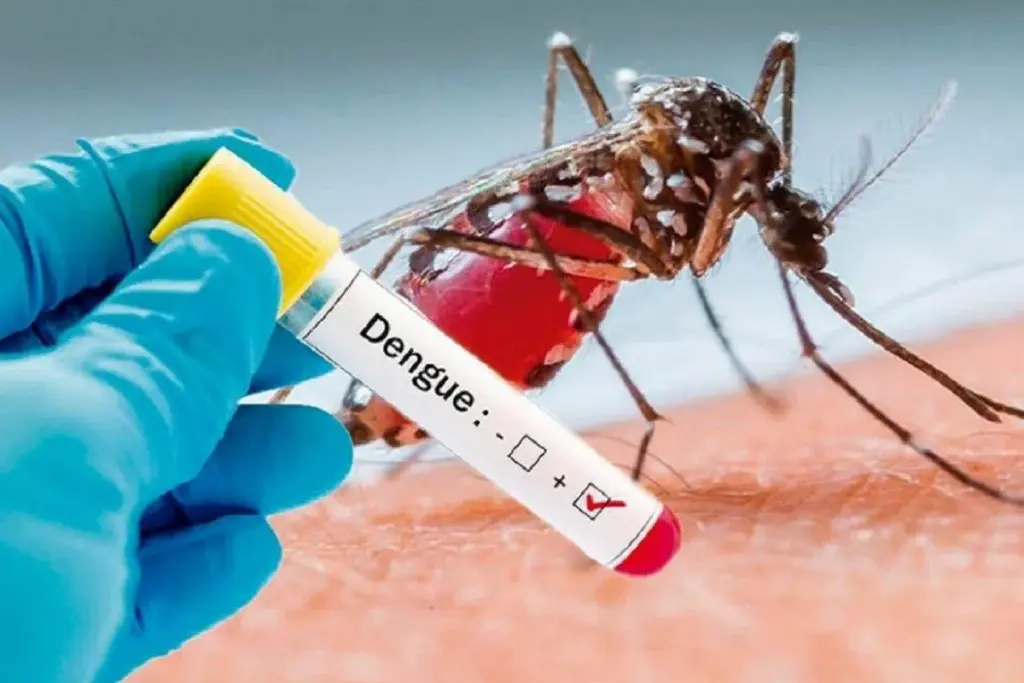
Two major mosquito-borne diseases, malaria and dengue fever, affect over 3 billion people worldwide each year. This is a big health challenge.
Even though they share symptoms like fever and body aches, they are different. The World Health Organisation says there are 229 million malaria cases and over 4 million severe dengue cases every year.
Knowing the differences is key for quick diagnosis and treatment. At Liv Hospital, we use top-notch diagnostic skills and focus on our patients to give them the best care.
Key Takeaways
- Malaria and dengue fever are two distinct mosquito-borne diseases with similar symptoms.
- The global impact of these diseases is significant, with millions affected annually.
- Understanding the differences between malaria and dengue fever is critical for proper diagnosis and treatment.
- Trusted healthcare providers like Liv Hospital offer detailed diagnostic expertise.
- Patient-centered protocols are vital for effective care.
Understanding Mosquito-Borne Diseases

Malaria and dengue fever are major diseases spread by mosquitoes. They have been a big worry for health worldwide. Both diseases are different in how they are caused, spread, and affect people.
Disease Origins and Global Impact
Malaria is caused by Plasmodium parasites and has been a big problem for centuries. It mainly affects tropical and subtropical areas. Dengue fever, caused by the dengue virus, has seen a big rise in cases in recent years. It is spread by Aedes mosquitoes, unlike malaria which is spread by Anopheles mosquitoes.
These diseases have a big impact globally. Malaria affects millions and causes hundreds of thousands of deaths each year. Dengue fever also poses a big threat, with many people at risk, mainly in cities and towns. For more info on malaria and dengue fever, check out this resource.
Causative Agents and Transmission Vectors
Malaria and dengue fever have different causes and ways of spreading. Malaria is caused by Plasmodium parasites and spread by Anopheles mosquitoes. Dengue fever is caused by the dengue virus and spread by Aedes aegypti and Aedes albopictus mosquitoes.
- Malaria: Caused by Plasmodium parasites, transmitted by Anopheles mosquitoes.
- Dengue Fever: Caused by the dengue virus, transmitted by Aedes mosquitoes.
Knowing these differences is key to fighting these diseases. By understanding who spreads them and how, we can make better plans to stop them.
Key Differences Between Malaria and Dengue Fever

It’s important to know the differences between malaria and dengue fever for the right treatment. Both diseases are spread by mosquitoes and have similar symptoms. But, they have unique traits that affect how we care for patients.
Incubation Periods and Initial Symptoms
Malaria takes 7 to 30 days to show symptoms, while dengue fever is quicker, from 4 to 10 days. Both start with fever, headache, and muscle pain, making it hard to tell them apart. But, malaria symptoms come on slowly, and dengue fever hits fast.
A doctor said, “The early signs of malaria and dengue fever are similar, but they progress differently.”
Distinctive Fever Patterns and Clinical Presentation
Malaria has a cyclical fever that comes back at set times, based on the parasite. Dengue fever, on the other hand, causes a sudden, long-lasting high fever. Dengue also brings severe joint and muscle pain, known as “breakbone fever.”
Diagnosis and Treatment Approaches
To diagnose malaria, doctors look at blood smears or use rapid tests. Dengue fever is diagnosed based on symptoms and confirmed with blood tests. Malaria treatment involves specific drugs, depending on the parasite and resistance. Dengue fever treatment focuses on relieving symptoms and keeping the patient hydrated.
Accurate diagnosis is critical because the treatments for malaria and dengue fever are very different. Malaria needs specific drugs, while dengue fever is managed with symptom relief and supportive care.
Conclusion: Prevention Strategies and Global Health Implications
Understanding the differences between malaria and dengue fever is key to preventing and treating these diseases. Both are major health concerns. Dengue fever affects over 100 countries, while malaria impacts many regions too.
To prevent both diseases, we need to eliminate mosquito breeding sites and use repellents. Wearing protective clothing also helps. It’s important to note that while both are spread by mosquitoes, they have different ways of spreading and symptoms.
When we look at malaria vs dengue, we see big global health issues. Factors like urbanization, population density, and climate change affect how these diseases spread. To fight malaria and dengue, we need effective public health policies that consider these factors.
By focusing on prevention and understanding these diseases’ global impact, we can lessen their effects. This will help improve health outcomes worldwide.
FAQ
What are the main differences between malaria and dengue fever?
Malaria and dengue fever are both spread by mosquitoes. But they are caused by different things and have different symptoms and treatments. Malaria comes from the Plasmodium parasite, while dengue fever comes from the dengue virus.
How are malaria and dengue fever transmitted?
Both diseases spread through mosquito bites. Malaria is spread by the female Anopheles mosquito. Dengue fever is spread by the Aedes mosquito.
What are the symptoms of malaria and dengue fever?
Both diseases can cause fever, headache, and muscle pain. But malaria can be more serious, leading to anemia and organ failure. Dengue fever can cause severe joint and muscle pain.
How are malaria and dengue fever diagnosed?
Malaria is diagnosed with a blood test for the Plasmodium parasite. Dengue fever is diagnosed with a blood test for the dengue virus or antibodies against it.
What are the treatment approaches for malaria and dengue fever?
Malaria treatment includes antimalarial medications. Dengue fever treatment focuses on relieving symptoms and keeping the body hydrated.
Can malaria and dengue fever be prevented?
Yes, they can be prevented. Avoid mosquito bites, use insecticide-treated bed nets, and eliminate standing water to reduce mosquito breeding.
Are there any vaccines available for malaria and dengue fever?
Yes, there are vaccines for both diseases. The RTS,S vaccine is for malaria, and Dengvaxia is for dengue fever. But these vaccines are not 100% effective. They are recommended for people living in or traveling to areas where these diseases are common.
What is the global impact of malaria and dengue fever?
The World Health Organisation reports 228 million malaria cases and 405 million dengue fever cases globally. These diseases cause a lot of sickness and death.
How do malaria and dengue fever compare in terms of severity?
Both diseases can be severe. But malaria can be more dangerous, causing serious complications in vulnerable groups like young children and pregnant women.
Can co-infection with malaria and dengue fever occur?
Yes, it’s possible to have both diseases at the same time. This makes diagnosis and treatment harder.
References
World Health Organization. Evidence-Based Medical Insight. Retrieved from https://www.who.int/teams/global-malaria-programme/reports/world-malaria-report-2023



 Departments
 Related Videos
 Our Doctors
 News
News