
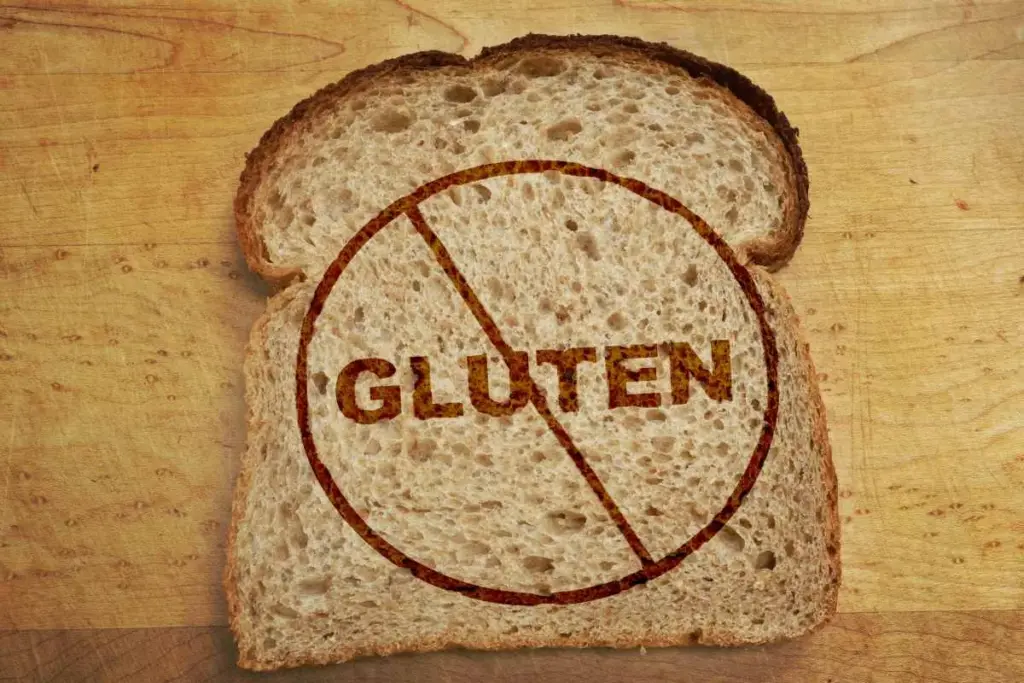
Many people confuse wheat allergy and gluten allergy. But they are two different health issues. They have different causes, symptoms, and ways to treat them.
It’s important to know the difference between wheat allergy, celiac disease, and gluten sensitivity. This helps doctors make the right diagnosis and treatment plan.
At Liv Hospital, we explain that a wheat allergy is when your immune system reacts too much to wheat proteins. On the other hand, the term “gluten allergy” is often used wrong. It can mean celiac disease or non-celiac gluten sensitivity.
Key Takeaways
- Wheat allergy is an immune-mediated reaction to proteins found in wheat.
- Celiac disease is an autoimmune condition triggered by gluten.
- Non-celiac gluten sensitivity is a condition where individuals experience symptoms similar to celiac disease but without the same immune response.
- Accurate diagnosis is key for managing these conditions well.
- Knowing the differences between wheat allergy and gluten-related disorders is vital for the right treatment.
Understanding Wheat Allergy vs Gluten Allergy

It’s important to know the difference between wheat allergy and gluten-related disorders. This knowledge helps in getting the right medical care and feeling better. We will look at what makes wheat allergy unique and clear up any confusion about “gluten allergy.”
Defining Wheat Allergy: An IgE Immune Response
A wheat allergy happens when your body reacts to wheat proteins. This reaction can cause symptoms from mild hives to severe anaphylaxis. Unlike gluten-related issues, a wheat allergy can also react to other wheat proteins like albumin and globulin.
Clarifying “Gluten Allergy” Misconceptions
The term “gluten allergy” is often used wrong. It usually means either celiac disease or non-celiac gluten sensitivity. Celiac disease is an autoimmune issue that damages the small intestine when you eat gluten. Non-celiac gluten sensitivity has similar symptoms but without the immune system damage or intestinal harm.
Celiac Disease vs Non-Celiac Gluten Sensitivity
Celiac disease and non-celiac gluten sensitivity both react to gluten. But they are different in how they affect the body and symptoms. Here’s a table that shows the main differences:
| Condition | Autoimmune Response | Intestinal Damage | Symptoms |
| Celiac Disease | Yes | Yes | Diarrhea, abdominal pain, fatigue |
| Non-Celiac Gluten Sensitivity | No | No | Bloating, abdominal pain, diarrhea |
Knowing these differences is key for the right diagnosis and treatment. Both need a gluten-free diet, but their management and outlook are different.
Key Differences in Symptoms, Prevalence, and Management

It’s important to know the differences between wheat allergy, celiac disease, and non-celiac gluten sensitivity. Each condition has its own challenges in diagnosis and treatment. This affects how well patients can live their lives.
Symptom Onset and Presentation
The symptoms of these conditions vary a lot. Wheat allergy symptoms start quickly, within minutes to hours, and include hives and trouble breathing. Celiac disease symptoms can take days to show up and may include diarrhea and fatigue.
Non-celiac gluten sensitivity symptoms also take time to appear and can include bloating and diarrhea. Each condition has its own unique symptoms.
Symptom Comparison
| Condition | Symptom Onset | Common Symptoms |
| Wheat Allergy | Minutes to hours | Hives, itching, difficulty breathing |
| Celiac Disease | Days after exposure | Diarrhea, abdominal pain, fatigue |
| Non-Celiac Gluten Sensitivity | Days after exposure | Bloating, abdominal pain, diarrhea |
Prevalence Rates and Risk Factors
Celiac disease affects about 1% of the world’s population. Wheat allergy is more common in kids. Non-celiac gluten sensitivity is harder to measure because of different ways to diagnose it.
Genetics play a big role in these conditions. Celiac disease is linked to certain genes. This means some people are more likely to get it.
Diagnosis and Treatment Approaches
Diagnosing wheat allergy involves skin tests or blood tests for IgE antibodies. Celiac disease is diagnosed with blood tests and a biopsy. Non-celiac gluten sensitivity is diagnosed by trying a gluten-free diet.
Treatment varies. Wheat allergy means avoiding wheat. Celiac disease requires a strict gluten-free diet. Non-celiac gluten sensitivity might benefit from eating less gluten or avoiding it altogether.
Effective management of these conditions depends on accurate diagnosis and the right diet. Healthcare providers need to understand the differences to help patients properly.
Conclusion
It’s important to know the difference between wheat allergy and gluten-related disorders. We’ve looked at the differences between wheat allergy, celiac disease, and non-celiac gluten sensitivity. We’ve talked about their symptoms, how to diagnose them, and how to treat them.
Understanding wheat allergy versus gluten allergy and gluten sensitivity vs allergy is key. It helps people manage their diets better and live a better life.
Getting the right diagnosis is the first step in managing these conditions. Doctors are essential in giving personalized advice and treatment. They help people understand their condition, whether it’s an allergy to wheat but not gluten or a case of wheat vs gluten allergy.
At our institution, we’re all about top-notch healthcare and support for international patients. Our team is ready to provide the care and guidance needed. We aim to help individuals manage their conditions effectively.
FAQ
What is the difference between a wheat allergy and a gluten allergy?
A wheat allergy is a reaction to wheat proteins. On the other hand, “gluten allergy” is often used to describe conditions like celiac disease and non-celiac gluten sensitivity. These conditions are related to gluten, found in wheat, barley, and rye.
Is gluten intolerance the same as a wheat allergy?
No, gluten intolerance and wheat allergy are not the same. Gluten intolerance includes conditions like celiac disease and non-celiac gluten sensitivity. These are reactions to gluten. A wheat allergy is a reaction to wheat proteins, which may or may not include gluten.
What are the symptoms of a wheat allergy compared to celiac disease and non-celiac gluten sensitivity?
A wheat allergy can cause hives, itching, and breathing problems. These symptoms happen soon after eating wheat. Celiac disease and non-celiac gluten sensitivity can cause diarrhea, stomach pain, and tiredness. Celiac disease can also damage the small intestine.
How are wheat allergy, celiac disease, and non-celiac gluten sensitivity diagnosed?
Diagnosis varies. A wheat allergy is diagnosed with a skin prick test or blood test. Celiac disease is diagnosed with blood tests and an intestinal biopsy. Non-celiac gluten sensitivity is diagnosed by excluding other conditions and observing symptom improvement on a gluten-free diet.
Can someone be allergic to wheat but not gluten?
Yes, it’s possible to be allergic to wheat but not gluten. This is because a wheat allergy is an immune reaction to wheat proteins, which may not include gluten.
What is the treatment for wheat allergy and gluten-related disorders?
The treatment for a wheat allergy is avoiding wheat products. For celiac disease, a strict gluten-free diet is needed to manage the condition and prevent intestinal damage. A gluten-free diet can also help with non-celiac gluten sensitivity symptoms.
Are gluten sensitivity and gluten allergy the same?
No, gluten sensitivity and gluten allergy are not the same. Gluten sensitivity is a condition where symptoms are similar to celiac disease but without intestinal damage. The term “gluten allergy” is not a recognized medical condition.
How do prevalence rates and risk factors differ among wheat allergy, celiac disease, and non-celiac gluten sensitivity?
Prevalence rates and risk factors vary. Wheat allergy is more common in children. Celiac disease can occur at any age and has a genetic predisposition. Non-celiac gluten sensitivity is more common in adults, and its risk factors are less well-defined.
References
https://www.nyallergy.com/wheat-allergy