
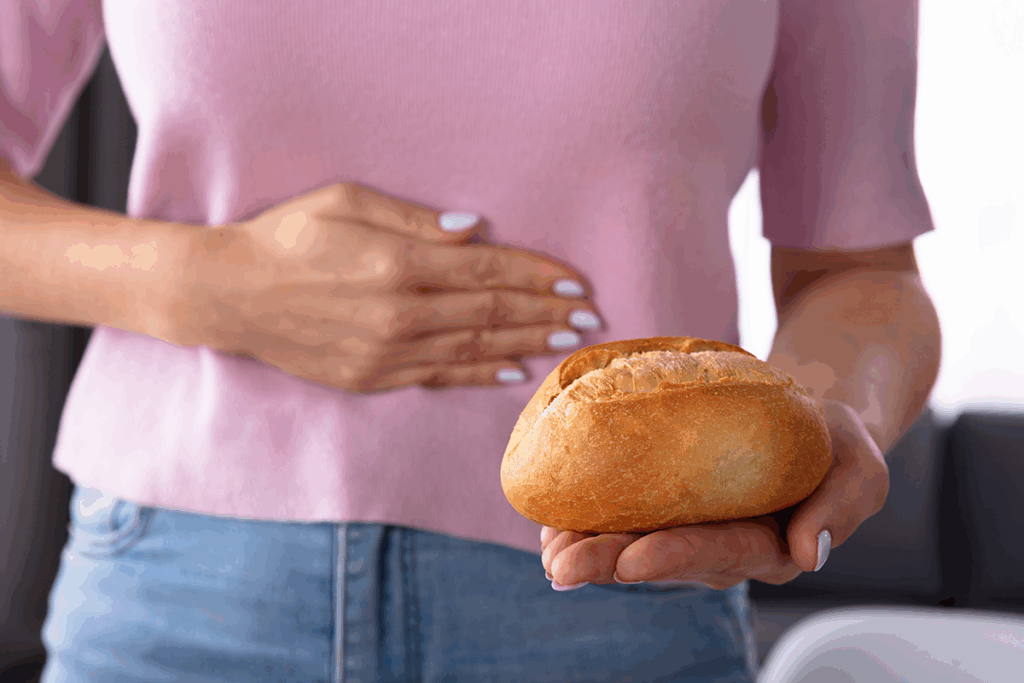
Patients often look forward to eating bread again after gastric sleeve surgery. It feels like a step back to normal eating. But, it’s important to wait the right time to start eating bread again. when can i eat bread after gastric sleeve
We suggest waiting 6 to 8 weeks before adding bread to your diet. This lets your stomach heal properly.
At first, you’ll follow a diet of clear liquids. Then, you’ll move on to more solid foods. Bread can be tricky because it’s starchy. If not introduced slowly, it might upset your stomach.
Key Takeaways
- Reintroduce bread 6-8 weeks after gastric sleeve surgery.
- Start with small portions, typically one slice of toasted bread.
- Chew thoroughly to minimize digestive issues.
- Progress through dietary phases as guided by healthcare providers.
- Be cautious of bread’s starchy composition to avoid discomfort.
Understanding Gastric Sleeve Surgery and Its Impact on Digestion

It’s important for patients to know how gastric sleeve surgery affects digestion. This surgery, also known as sleeve gastrectomy, removes a big part of the stomach. It leaves a narrow “sleeve” or tube-like stomach. This change greatly alters how food is processed in the body.
How Gastric Sleeve Surgery Changes Your Stomach
Gastric sleeve surgery makes the stomach about 75% smaller. This limits how much food you can eat and helps you feel full with less. It’s a big change that requires adjusting how you eat.
The surgery also removes part of the stomach that makes hunger hormones. This can lead to eating less and losing weight.
Why Dietary Restrictions Are Necessary After Surgery
After surgery, you need to follow certain diets to help your stomach heal. Right after, your stomach is swollen and sensitive. It needs time to get better.
Slowly introducing different foods helps avoid problems like nausea and stomach pain. These diets also help you get used to your new stomach size. They support your weight loss goals and health.
The Importance of Following Post-Op Nutrition Guidelines
It’s key to follow the post-op nutrition guidelines for a smooth recovery. These guidelines start with clear liquids, then full liquids, and move to soft foods. They help you gradually get back to eating solid foods.
Sticking to these guidelines ensures your stomach heals right. It also lowers the chance of complications and meets your nutritional needs while you recover.
The Post-Gastric Sleeve Diet Progression

After a gastric sleeve surgery, patients go through a diet plan. It starts with clear liquids and moves to solid foods over weeks. This slow change helps the stomach heal and adjust to its new size. It also lowers the chance of problems.
Phase 1: Clear Liquids (Days 1-2)
The first step is drinking clear liquids that are gentle on the stomach. You can have broths, water, and sugar-free drinks. These liquids help keep you hydrated and give you important electrolytes without stressing your stomach.
Phase 2: Full Liquids (Days 3-14)
Next, you move to full liquids. This includes protein shakes, milk, and soups that are strained. This phase is key for getting enough protein to help your body heal and keep your muscles strong.
Phase 3: Pureed Foods (Weeks 2-3)
Then, you start eating pureed foods. These foods are blended to be smooth, making them easier to digest. You can have pureed veggies, fruits, and proteins. This phase adds more nutrients to your diet.
Phase 4: Soft Foods (Weeks 3-4)
After that, you eat soft foods. These foods are a bit firmer than pureed foods but are easy to digest. Think scrambled eggs, cooked pasta, and tender meats. This phase helps you get used to eating more solid foods while focusing on nutrient-rich foods.
It’s important to listen to your body during these phases. If you feel any discomfort, nausea, or pain, tell your doctor. This ensures you recover smoothly.
Why Bread Is Challenging After Gastric Sleeve Surgery
After gastric sleeve surgery, the stomach changes how it digests food. This makes it hard to eat certain foods, like bread. The stomach is smaller and works differently, making digestion tricky.
The Starchy Composition and Gummy Texture
Bread’s starchy makeup can be a big problem after surgery. If not chewed well, it turns into a gummy texture. This texture is hard for the stomach to handle, causing discomfort.
The sticky bread can stick to the stomach lining, irritating it. This is a big worry because the stomach is more sensitive after surgery.
Potential for Blockages and Swallowing Difficulties
Bread can also cause blockages and make swallowing hard. If not chewed right, it can clump and get stuck in the stomach or intestine. This can cause a lot of pain and serious problems.
Many people struggle to swallow bread because of its dry or gummy texture. It’s key to chew bread well and eat it right after surgery.
Caloric Density and Nutritional Concerns
Bread is also a problem because of its caloric density and nutritional content. Many breads are high in calories but low in nutrients. For those trying to lose weight and eat healthy, bread is not the best choice.
Some breads have added sugars, preservatives, and unhealthy fats. These can harm health and slow down weight loss. It’s best to choose bread that’s rich in nutrients and fits your post-surgery diet.
When Can I Eat Bread After Gastric Sleeve?
After gastric sleeve surgery, many patients wonder when they can eat bread again. The answer varies based on your healing and your doctor’s advice.
The Standard 6-8 Week Guideline
Doctors usually say to avoid bread for 6 to 8 weeks after surgery. This time lets your stomach heal and adjust. You can start with bread around this time, but always listen to your surgeon and dietitian.
“Waiting for 6 to 8 weeks before eating bread after gastric sleeve surgery is a standard guideline, but individual tolerance may vary.”
Signs Your Body Is Ready for Bread
Before adding bread, your body should handle softer foods well. If you can eat pureed foods without trouble, it’s a good sign to try bread.
- Tolerance to softer foods without nausea or vomiting
- Minimal discomfort or pain after eating
- Ability to chew and swallow food properly
Individual Variations in Tolerance
Everyone heals at their own pace. Some might be ready for bread sooner than others. Your health, surgery details, and diet progress all affect when you can eat bread.
“The key to successfully reintroducing bread into your diet after gastric sleeve surgery is patience and careful observation of your body’s response.”
What Your Surgeon and Dietitian Might Recommend
Your healthcare team will give you personalized advice. They might suggest starting with small amounts of bread and gradually increasing it. Always follow their advice for a smooth transition.
By understanding the guidelines and listening to your body, you can safely add bread back into your diet after gastric sleeve surgery.
Safely Reintroducing Bread Into Your Diet
Adding bread back into your diet after gastric sleeve surgery needs careful steps. You’ll get to a point where you can try bread again. Start with small amounts and watch how your body reacts.
Starting With Small Portions
Begin with a small amount, like one slice or less. This lets your stomach get used to it. Start with a small piece to test your tolerance.
The Importance of Toasting Bread
Toasting bread makes it easier to chew and swallow. It changes the bread’s texture, making it less sticky. Toasting is a simple yet effective way to make bread more manageable.
Proper Chewing Techniques for Optimal Digestion
Proper chewing is key when you start eating bread again. Chew each bite well until it’s fully broken down. This helps with digestion and prevents swallowing problems. Here are some tips for effective chewing:
- Take small bites
- Chew slowly and thoroughly
- Avoid rushing through your meal
- Pay attention to the texture and consistency of the bread
Hydration Considerations When Eating Bread
Drinking enough water is very important when you start eating bread again. Drink liquids between meals to avoid discomfort. Adequate hydration supports digestion and overall health.
By following these tips, you can safely add bread back into your diet after gastric sleeve surgery. Always listen to your body and adjust as needed.
Best Bread Options for Gastric Sleeve Patients
Choosing the right bread is key after gastric sleeve surgery. The right bread can help avoid problems and support your health.
Whole Grain and High-Fiber Choices
Go for whole-grain and high-fiber bread when you start eating bread again. Whole-grain bread has more fiber and nutrients than white bread. High-fiber bread is great for your digestion and keeps you full, which is good for gastric sleeve patients.
Protein-Enriched Bread Alternatives
Protein-enriched bread alternatives are also good. They add protein to help with health and muscle. They’re great for gastric sleeve patients who need more protein.
Thin vs. Regular Sliced Bread
Thin slices of bread might be easier to eat than regular slices. Thin bread is less dense and might cause less discomfort. But, listen to your body and adjust how much bread you eat.
Bread Products to Avoid After Surgery
It’s also important to know which breads to avoid after surgery. Stay away from bread with lots of sugar, salt, or unhealthy fats. These can harm your health and cause stomach problems.
By picking the right bread and listening to your body, you can enjoy bread while supporting your health and recovery after gastric sleeve surgery.
Potential Complications When Eating Bread Too Soon
Eating bread too soon after gastric sleeve surgery can cause a lot of discomfort. It’s important to know these risks to have a smooth recovery and reach your weight loss goals.
Nausea and Vomiting
Having bread too early can upset your stomach, leading to nausea and vomiting. These symptoms can be very uncomfortable and might cause dehydration. It’s best to watch how your body reacts and adjust your diet as needed.
Stomach Pain and Discomfort
Eating bread too soon can also cause stomach pain and discomfort. This is because bread is dense and hard to digest. The pain can be mild or severe and might slow down your recovery.
Dumping Syndrome Symptoms and Management
Dumping syndrome happens when food, like bread, moves too fast into the small intestine. Symptoms include nausea, vomiting, diarrhea, and stomach cramps. To manage it, you need to eat smaller meals and avoid foods high in sugar.
Symptom | Description | Management |
Nausea and Vomiting | Irritation of the stomach lining | Monitor hydration, adjust diet |
Stomach Pain | Dense texture, digestion difficulty | Avoid dense foods, eat slowly |
Dumping Syndrome | Rapid food entry into small intestine | Eat smaller meals, avoid high-sugar foods |
Impact on Weight Loss Progress
Eating bread too soon can slow down your weight loss. Nausea, vomiting, and stomach pain can make you eat less, leading to malnutrition. Dumping syndrome can also make it hard to stick to a healthy diet, which can stop you from reaching your weight loss goals.
“The key to successful weight loss after gastric sleeve surgery lies in careful dietary planning and adherence to post-operative guidelines.” Expert in Bariatric Surgery
Knowing about these complications shows how important it is to wait before eating bread. Introducing it slowly can help avoid risks and ensure a successful weight loss journey.
Alternative Carbohydrate Sources During Recovery
We know patients need good food choices after gastric sleeve surgery. It’s key to eat foods that help with healing and health.
Nutritious Alternatives to Bread
There are many foods that can replace bread. These include:
- Fruits like bananas, apples, and berries
- Vegetables such as sweet potatoes, carrots, and green beans
- Whole grains like quinoa, brown rice, and oats
These foods are full of vitamins, minerals, and fiber. They’re great choices instead of bread.
Meeting Carbohydrate Needs Without Bread
To get enough carbs without bread, try these foods:
- Legumes such as lentils, chickpeas, and black beans
- Whole grain cereals and oatmeal
- Starchy vegetables like corn and peas
These foods are full of carbs and also have protein and fiber. They’re good for you.
Balancing Macronutrients in Your Post-Surgery Diet
It’s important to balance your diet after surgery. We suggest:
- Eating protein-rich foods to help with healing and losing weight
- Choosing complex carbs for energy
- Adding healthy fats for nutrition
A balanced diet helps you get the nutrients you need. It supports your health while you recover.
Protein-First Approach to Meal Planning
Using a protein-first approach is a good idea. This means eating more protein in your meals to:
- Help keep your muscles strong and healthy
- Make you feel full and less hungry
- Make sure you get enough protein
By focusing on protein and balancing it with carbs and fats, you can make a diet that helps with recovery and health goals.
Conclusion
Adding bread back into your diet after gastric sleeve surgery needs careful thought and timing. Around 7 to 8 weeks post-surgery, you can start to include bread.
Begin with small, toasted portions to help with digestion. Always listen to your healthcare team. They will guide you on what foods are best for your health and weight loss. Eating mindfully and balancing your diet is key to success.
Knowing what to eat 7 weeks after surgery is very important. Choose whole grain and high-fiber breads. Pay attention to how your body reacts to bread. This way, you can enjoy a healthier life after surgery.
FAQ
When can I eat bread after gastric sleeve surgery?
Wait 6 to 8 weeks after surgery to eat bread. This lets your stomach heal and adjust to its new size.
Why is bread challenging after gastric sleeve surgery?
Bread is hard because it’s starchy. This can make it gummy if not chewed well. It might cause swallowing problems and blockages.
What type of bread is best to eat after gastric sleeve surgery?
Choose whole-grain and high-fiber breads. They’re nutritious and less likely to upset your stomach. Protein-enriched breads are also good choices.
How should I reintroduce bread into my diet after gastric sleeve surgery?
Begin with a small amount, like one slice of toasted bread. Chew well to avoid digestive problems. Drink liquids between meals to stay hydrated.
What are the possible complications of eating bread too soon after gastric sleeve surgery?
Eating bread too early can cause nausea, vomiting, stomach pain, and dumping syndrome. This is more likely with simple carbs.
Are there alternative carbohydrate sources I can consume during recovery?
Yes, try fruits, vegetables, and whole grains. They offer vitamins, minerals, and fiber. Focus on protein-rich foods to balance your diet.
What are the signs that my body is ready for bread after gastric sleeve surgery?
You’re ready if you can handle softer foods and feel little discomfort. Always check with your surgeon and dietitian for advice.
Can I eat bariatric bread after gastric sleeve surgery?
Bariatric bread might be okay, but talk to your healthcare provider or dietitian first. They can suggest the best bread for you.
How can I minimize the risk of complications when eating bread after gastric sleeve surgery?
Start with small amounts, toast the bread, and chew well. Drink liquids between meals to stay hydrated.
References
Timing: When Can I Eat Bread After Gastric Sleeve?https://pubmed.ncbi.nlm.nih.gov/33604863/