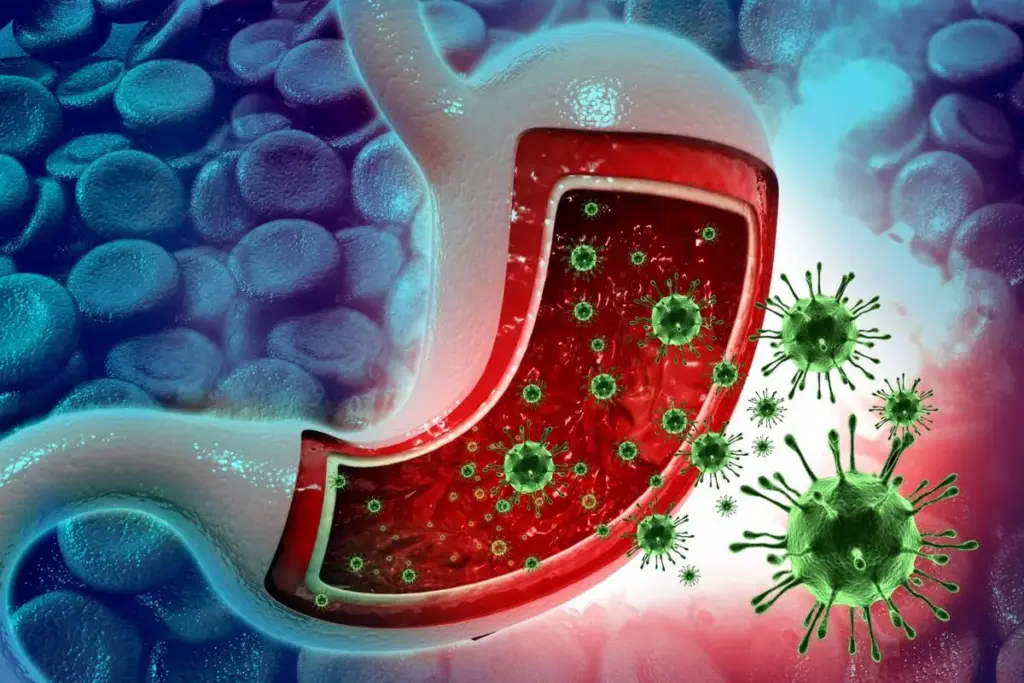
Bacterial contamination in food is a big problem that affects millions every year. We aim to help by sharing detailed info on food safety.
Contamination can happen at any point from farm to table. This includes growing, harvesting, processing, storing, shipping, or preparing food. For example, food poisoning can happen if we eat contaminated food. This shows why it’s key to know where and how it happens.
Knowing when and where food contamination can occur helps us stay safe. Liv Hospital offers top-notch healthcare and advice on keeping food safe.
Key Takeaways
- Bacterial contamination can occur at any stage of food production.
- Understanding the risks is key to protecting public health.
- Food safety practices are vital to prevent contamination.
- Contamination can lead to serious health issues, like food poisoning.
- Being aware and educated helps keep food handling safe.
Understanding Bacterial Contamination in Food
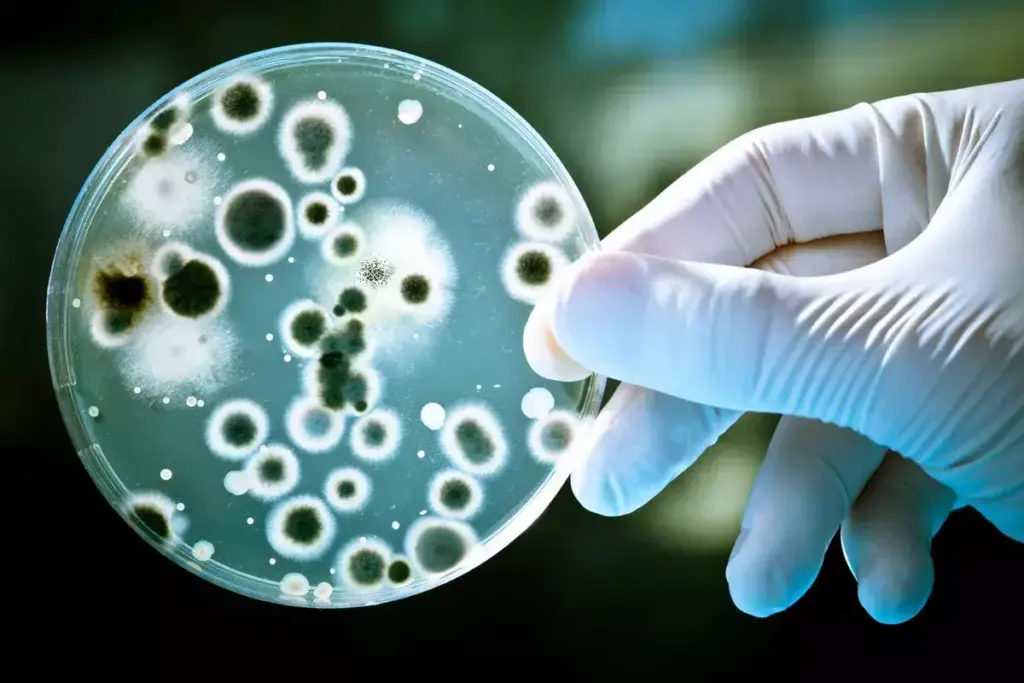
It’s key to know how bacteria in food can cause sickness. Bacteria in food often come from bad handling, storage, or cooking. This can lead to serious health issues.
Common Bacterial Pathogens in Food
Many bacteria can contaminate food. Salmonella and Staphylococcus aureus are big culprits, causing a lot of sickness each year. Other dangerous ones are Escherichia coli (E. coli) and Listeria monocytogenes.
| Bacterial Pathogen | Common Sources | Symptoms |
| Salmonella | Poultry, eggs, raw vegetables | Diarrhea, fever, abdominal cramps |
| Staphylococcus aureus | Dairy products, meats, prepared salads | Nausea, vomiting, diarrhea, stomach cramps |
| Escherichia coli (E. coli) | Undercooked ground beef, raw vegetables, contaminated water | Severe diarrhea, abdominal pain, vomiting |
Health Impacts of Foodborne Bacteria
The effects of foodborne bacteria can be serious. Symptoms like diarrhea and vomiting are common. In some cases, these illnesses can be deadly, hitting the elderly, young kids, and those with weak immune systems hard.
“Food safety is a critical aspect of public health, and understanding the causes of bacterial contamination is the first step towards prevention.”
— World Health Organization
To fight bacterial contamination, we must handle food safely. This means cooking, storing, and keeping things clean right. Knowing about these bacteria and their effects helps us stay safe and protect our communities.
When Does Bacteria Contamination in Food Commonly Occur?
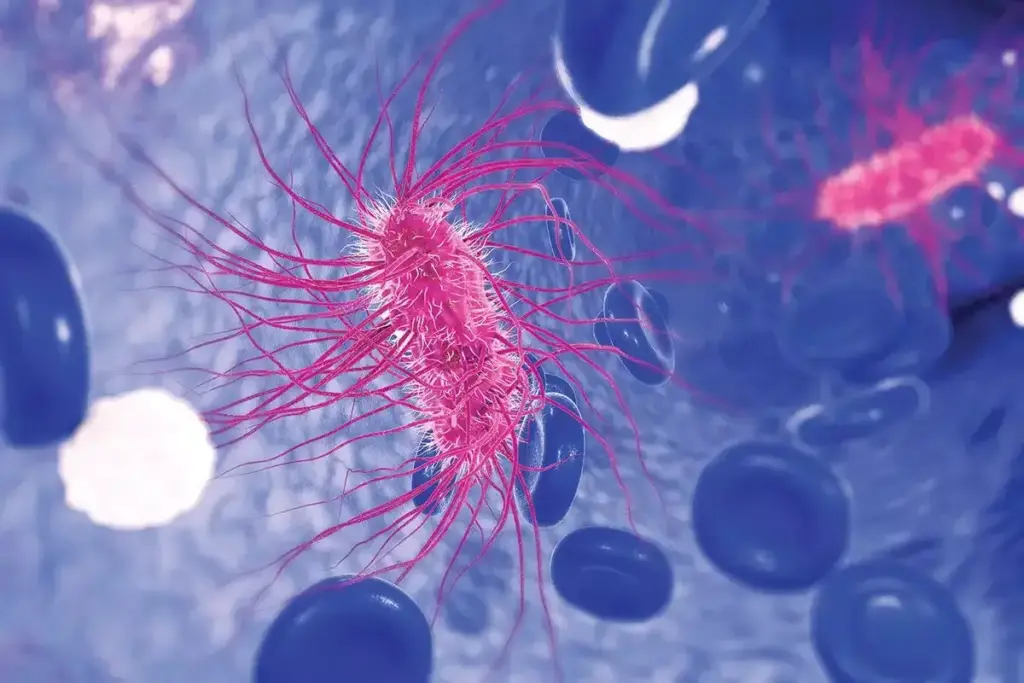
Knowing when bacteria contamination happens is key for food safety. It can occur at many stages, from when food is made to when we eat it. We’ll look at the main times and situations where this happens.
Farm-to-Table Contamination Points
Bacteria can get into food at different times. For example, contamination can happen on farms where animals are raised. It can also occur during processing if equipment isn’t clean. Storage and distribution are also important, as food left out can grow bacteria.
The Temperature Danger Zone: 40°F to 140°F
The danger zone for bacteria is between 40°F and 140°F. In this range, bacteria can grow fast, doubling in 20 minutes. Keeping food cold or hot is key to stop bacteria from growing.
Bacterial Multiplication Timeframes
Bacteria grow quickly when it’s warm. They can double in 20 minutes at 40°F to 140°F. This shows how important it is to cool or heat food fast.
High-Risk Foods for Bacterial Growth
Some foods are more likely to get bacteria because of their makeup. Foods high in protein and moisture, like meat and dairy, are at risk. They need careful handling and storage to avoid contamination.
By knowing when and how bacteria contaminate food, we can stop it. This helps keep our food safe.
Primary Causes of Food Contamination
Food contamination comes from many important factors. Knowing these is key to keeping food safe and stopping harmful bacteria.
There are several main areas where food gets contaminated. These include cross-contamination, unsanitized surfaces, poor hygiene, and bad cooking and storage.
Cross-Contamination Between Foods
Cross-contamination occurs when bacteria move from one food to another. This can happen through direct contact or through unsanitized utensils and equipment. For example, using the same cutting board for raw meat and then for ready-to-eat foods without cleaning in between can spread bacteria like Salmonella and E. coli.
To stop cross-contamination, it’s important to keep raw foods separate from cooked and ready-to-eat foods. Using different utensils and cutting boards for different foods is a simple but effective way. Food safety experts say, “Separating foods during preparation is a critical step in preventing cross-contamination.”
Unsanitized Food Contact Surfaces
Surfaces that touch food, like countertops and cutting boards, can be contaminated. If not cleaned and sanitized properly, they can harbor bacteria.
It’s important to sanitize these surfaces, like after handling raw meat or seafood. A mix of bleach and water or a sanitizing product can help reduce bacteria.
Poor Personal Hygiene Practices
Poor handwashing is a big cause of food contamination. Hands can easily spread bacteria to food, making handwashing a key step in food preparation.
Washing hands with soap and water before and after handling food is essential. This simple practice can greatly lower the risk of foodborne illness.
“Handwashing is one of the most effective ways to prevent the spread of illness,” according to the Centers for Disease Control and Prevention.
Inadequate Cooking and Improper Storage
Not cooking food enough and not storing it right are also major causes of contamination. Cooking food to the right temperature kills harmful bacteria. Storing food at the right temperature also stops bacteria from growing.
Using a food thermometer to check if food is cooked safely is important. Also, keeping perishable foods in the fridge at 40°F (4°C) or below is key. Food left out too long can become a breeding ground for bacteria.
By understanding and tackling these main causes of food contamination, we can lower the risk of foodborne illnesses and keep our food supply safe.
Conclusion: Preventing Bacterial Contamination in Food
Keeping food safe from bacteria is key for top-notch healthcare, mainly for international patients. We’ve looked at where bacteria can get into food, from farms to our plates. We also saw how keeping food at the right temperature stops bacteria from growing.
Good food safety habits are vital. This includes washing hands well, cleaning surfaces that touch food, and cooking and storing food safely. Knowing when and where bacteria can get into food helps us stop it.
For more info on stopping bacterial contamination in food making, check out FoodReady.ai. They offer detailed advice on keeping food safe. By following these tips, we can make our food supply chain safer and protect everyone’s health.
FAQ:
What are the most common bacteria responsible for food contamination?
Salmonella, Staphylococcus aureus, and Escherichia coli (E. coli) are the top culprits. They can cause mild to severe symptoms. You can find them in meat, dairy, and produce.
At what stage does bacterial contamination in food commonly occur?
Bacteria can contaminate food at any stage, from farm to table. This includes production, processing, and storage. Poor handling and unsanitary conditions are common causes.
What is the temperature danger zone for bacterial growth in food?
Bacteria grow fast between 40°F and 140°F (4°C and 60°C). Keeping food hot or cold is key to stopping their growth.
Which foods are more susceptible to bacterial contamination?
Raw meat, poultry, seafood, dairy, and ready-to-eat foods are at high risk. These foods are perfect for bacteria if not handled right.
How can cross-contamination be prevented in the kitchen?
Keep raw and ready-to-eat foods separate. Use different cutting boards and utensils. Wash hands often. Clean and sanitize surfaces and tools to prevent cross-contamination.
What are some common poor hygiene practices that contribute to food contamination?
Not washing hands after handling raw foods is a big mistake. Not cleaning surfaces and tools properly also spreads bacteria.
How can proper cooking and storage practices help prevent bacterial contamination?
Cooking food to the right temperature kills bacteria. Storing food correctly prevents new growth. This reduces the risk of getting sick from food.
References:
World Health Organization. Evidence-Based Medical Guidance. Retrieved from
https://www.who.int/activities/estimating-the-burden-of-foodborne-diseases



 Departments
 Related Videos
 Our Doctors
 News
News