It’s important to spot the early signs of HIV infection early. One key sign is an HIV rash. It usually shows up 2 to 4 weeks after you’re exposed to the virus.
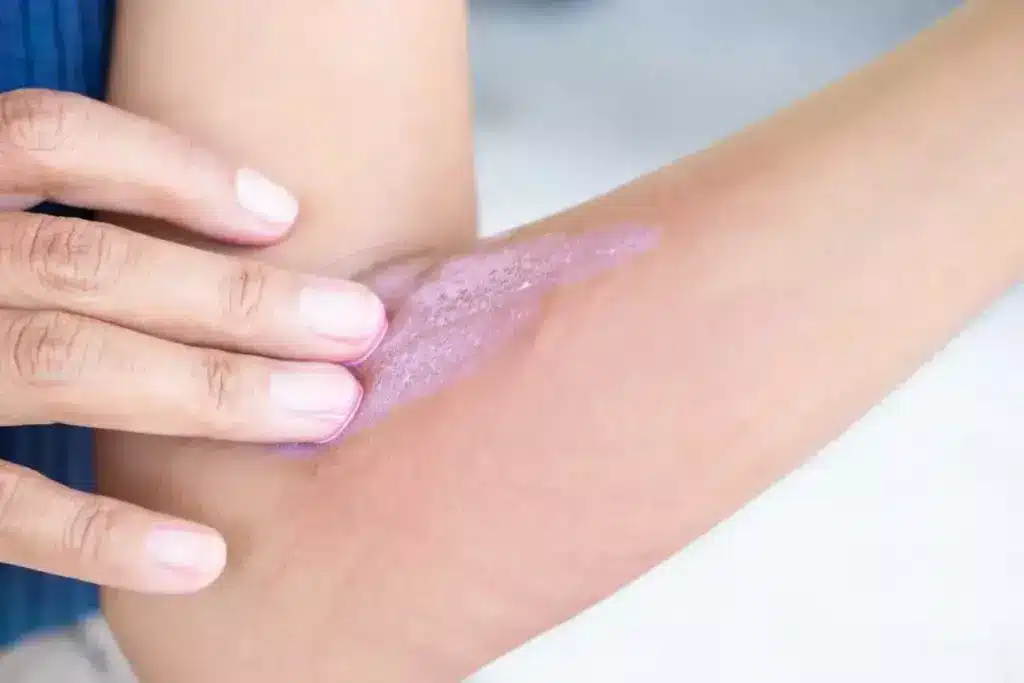
The rash looks like red to purple maculopapular lesions. These are flat spots with small bumps. They can pop up on your chest, back, face, hands, feet, and limbs. They often look the same on both sides of your body.
The rash can last from 1 to 2 weeks. It might also itch or burn. Knowing what HIV rash looks like and where it shows up is key to getting the right medical help.
Key Takeaways
- HIV rash typically appears within 2 to 4 weeks after infection.
- The rash is characterized by red to purple maculopapular lesions.
- It can occur on various body parts, including the chest, back, and limbs.
- The rash usually lasts 1 to 2 weeks and may cause itching or burning.
- Recognizing the rash is vital for early detection and treatment.
Understanding HIV Rash and Its Significance

It’s key to know about HIV rash to spot it early. This rash shows up in the first stages of HIV infection.
What Is HIV Rash?
HIV rash is a skin reaction from the first HIV infection, called acute seroconversion. The body’s fight against the virus causes inflammation, leading to the rash.
Key characteristics of HIV rash include:
- Appears in the early stages of HIV infection
- Caused by the body’s immune response to the virus
- Can be different in how severe and looks
Prevalence and Importance for Early Detection
About 67 percent of people with HIV get a rash early on. This makes it a key sign for catching HIV early.
| Prevalence | Importance for Early Detection |
| Approximately 67% of HIV-positive individuals develop a rash | Serves as a critical symptom for early diagnosis |
| Common during the acute phase of HIV infection | Indicates high contagiousness during this phase |
The HIV rash is more than just a sign of infection. It also shows the person is very contagious at this time. Spotting this rash early can help get treatment sooner.
When Does HIV Rash Start After Exposure?
After being exposed to HIV, a rash can be one of the first signs. But when does this rash usually show up? Knowing when the rash appears is key to understanding how HIV progresses.
Typical Timeline for Rash Development
The HIV rash usually shows up 2 to 4 weeks after being exposed to the virus. This is the acute phase, when the virus grows fast. The rash is the body’s first reaction to the virus.
Variability in Onset and Duration
The time when the rash appears can vary a lot. Some people might see it as early as 2 weeks, while others might wait 6 weeks. The rash can last anywhere from 1 to 2 weeks.
| Timeline | Description |
| 2-4 weeks | Typical timeframe for HIV rash to appear after exposure |
| 1-2 weeks | Average duration of the HIV rash |
| 2-6 weeks | Range of variability in the onset of HIV rash |
Many things can affect when and how long the rash lasts. These include how well your immune system works and how much virus is in your body. Knowing when and how long the rash lasts is important for spotting HIV early and getting the right treatment.
Identifying HIV Rash: Appearance and Characteristics
Spotting an HIV rash means knowing what it looks like and how it differs from other skin issues. It usually shows up as red to purple spots on the skin. These spots are flat and have small bumps, often looking the same on both sides of the body.
Visual Characteristics and Patterns
The look of an HIV rash can change, but it often has flat, reddened patches with small bumps. These spots are usually symmetric and can show up in different ways. People with this rash might also feel itching or pain, making it even more uncomfortable.
Common Locations on the Body
HIV rash mostly shows up on the upper body, like the chest, back, face, and arms. It can also be seen on the hands and feet. Knowing where it often appears is key to spotting it.
| Body Region | Commonality of HIV Rash |
| Chest | High |
| Back | High |
| Face | Moderate |
| Limbs | Moderate |
| Hands and Feet | Less Common |
Distinguishing HIV Rash from Other Skin Conditions
To tell HIV rash apart from other skin problems, look at its look, where it is, and any other symptoms. For more details on symptoms and treatments, check out Healthline.
Seeing swollen lymph nodes with the rash is a big clue it might be HIV. Getting the rash right is important for quick diagnosis and treatment.
Conclusion: When to Seek Medical Attention
If you see a rash with fever, headache, or swollen lymph nodes, get medical help fast. This is key for early HIV diagnosis and treatment.
Early treatment is very important for managing HIV. If you have a rash with fever, fatigue, or swollen lymph nodes, see a doctor. They can do tests and tell you what to do next.
It’s vital to get medical help for HIV rash and other symptoms. Doctors can figure out what’s causing your symptoms and suggest treatments. By acting quickly, you can manage HIV better.
FAQ
What does HIV rash look like?
When does HIV rash typically appear after exposure?
How long does HIV rash last?
Where does HIV rash commonly occur on the body?
What are the symptoms associated with HIV rash?
How is HIV rash distinguished from other skin conditions?
What percentage of individuals with HIV develop a rash?
Why is it important to seek medical attention for HIV rash?
Does HIV rash come and go?
What does an HIV/AIDS rash look like?
References
National Institutes of Health. Evidence-Based Medical Insight. Retrieved from https://hivinfo.nih.gov/understanding-hiv/fact-sheets/stages-hiv-infection