
Bronchitis is a common respiratory condition that affects millions of people every year. The American Lung Association says its symptoms are like those of a common cold. It’s important to know when to see a doctor.
Deciding to visit a doctor can be tough. But, knowing when to get help is key to avoid complications and get better faster. At Liv Hospital, we focus on patient care with top medical standards. We help patients make smart choices about their respiratory health.
If you have a persistent cough, it’s important to know when to see a doctor. You can check out Medical organization for more on when to visit for bronchitis.
Key Takeaways
- Understand the symptoms that need immediate medical attention.
- Know when to seek medical help to prevent complications.
- Recognize the signs that mean you should visit a doctor.
- Be aware of the risks of untreated bronchitis.
- Take steps to manage your respiratory health.
Understanding the Symptoms of Bronchitis

It’s important to know the symptoms of bronchitis to know when to see a doctor. Bronchitis is when the bronchial tubes get inflamed. Spotting symptoms early can help manage and treat the condition better.
What Is Bronchitis and How Common Is It?
Bronchitis is when the bronchial tubes get inflamed. These tubes lead to the lungs. Symptoms include a cough that won’t go away and trouble breathing. It’s common and can be either acute or chronic.
Acute bronchitis usually comes from viruses and can get better on its own. Chronic bronchitis is more serious and often linked to smoking or being around harmful substances for a long time.
Primary Symptoms and Warning Signs
The main symptoms of bronchitis are a cough that lasts, wheezing, and trouble breathing. You might also feel a bit of a fever. Knowing these signs is key to knowing when to see a doctor.
Look out for these symptoms:
- A cough that lasts for weeks
- Yellow or green mucus
- Wheezing or a whistling sound when breathing
- Feeling out of breath even with simple tasks
- Chest discomfort or tightness
Related Symptoms: Stuffy Nose and Wheezing
People with bronchitis might also have a stuffy or runny nose, or wheeze. These symptoms can make things worse. Wheezing is a high-pitched sound when you breathe out, showing narrowed airways.
Knowing these symptoms helps manage bronchitis better. If you have any of these, and they don’t get better or get worse, see a doctor. They can help figure out what’s going on and how to treat it.
Can Bronchitis Heal on Its Own?
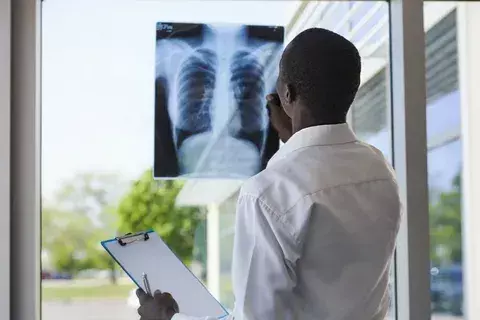
Bronchitis is a condition that makes the bronchial tubes inflamed. It often makes people wonder if it can heal by itself. We’ll look at how acute bronchitis naturally goes away, the difference between viral and bacterial causes, and how self-care can help.
The Natural Course of Acute Bronchitis
Acute bronchitis is usually self-limiting in healthy people. This means it often gets better on its own in a few weeks. It’s often caused by a virus, and the body’s immune system can fight it off without treatment.
Symptoms like cough, mucus, and wheezing can be uncomfortable. But, they usually get better as the body fights the infection.
Viral vs. Bacterial Bronchitis: Why Antibiotics Usually Aren’t Needed
Most bronchitis cases are caused by viral infections, not bacteria. This is key because antibiotics don’t work on viruses. Using them when not needed can cause side effects and make bacteria resistant to antibiotics.
Unless there’s a sign of bacterial infection, like pneumonia, antibiotics aren’t usually needed. Treatment then focuses on easing symptoms and helping the body heal naturally.
Self-Care Measures for Bronchitis Relief
There are ways to ease bronchitis symptoms and help your body recover:
- Rest and Hydration: Rest and staying hydrated help your body fight the infection.
- Humidifiers: Humidifiers can make breathing easier by loosening mucus.
- Over-the-Counter Medications: Cough medicines and pain relievers can help manage symptoms.
- Avoiding Irritants: Avoiding smoke, dust, and other irritants helps prevent further irritation.
By taking these steps, you can manage your symptoms and possibly recover faster from acute bronchitis.
When to See a Doctor for Bronchitis
It’s important to know when to see a doctor for bronchitis. This helps in treating it effectively and avoiding serious problems. While many cases can be handled at home, some symptoms need medical help.
Red Flags That Require Medical Attention
Look out for these symptoms that mean you should see a doctor:
- Severe difficulty breathing: If you’re having trouble breathing or feel like you can’t breathe, get help right away.
- Coughing up blood: If you cough up blood or rust-colored mucus, it could be a sign of a serious infection.
- High fever: A fever over 100.4°F (38°C) that doesn’t go away or gets worse.
- Worsening symptoms: If your symptoms get worse or don’t get better with home care.
Special Considerations for High-Risk Groups
Some people are more at risk for bronchitis complications. These include:
- Older adults: People over 65 may face more risks due to weaker lungs and health issues.
- Young children: Kids under 5, and even more so under 1, are at higher risk because their lungs are not fully developed.
- People with underlying health conditions: Those with heart, lung, or immune system problems may face more serious complications.
These groups should see a doctor quickly if they show any bronchitis symptoms.
What Treatment to Expect from Your Doctor
When you see your doctor for bronchitis, expect a detailed check-up. This includes:
- Medical history: Your doctor will look at your medical history to find any underlying issues that might be causing your bronchitis.
- Physical examination: A physical exam will help your doctor understand how severe your symptoms are and check for any complications.
- Diagnostic tests: Your doctor might do chest X-rays, blood tests, or other tests to find out what’s causing your bronchitis and rule out other conditions.
Your doctor may prescribe medicines to help with symptoms, like cough suppressants or bronchodilators. They will also give you advice on how to take care of yourself to get better.
Conclusion
It’s important to know about bronchitis symptoms and how to treat them. Recognizing signs like a long-lasting cough, a stuffy nose, and wheezing is key. This helps you know when to see a doctor.
We talked about how bronchitis can progress and the role of self-care in easing symptoms. It’s also vital to watch for warning signs that need a doctor’s help, mainly for those at higher risk.
Getting medical help when needed is a big step towards better health. It helps in getting the right treatment for bronchitis. This approach combines medical care with self-care, leading to a quick recovery.
FAQ
What are the primary symptoms of bronchitis?
Bronchitis symptoms include a long-lasting cough and mucus production. You might also feel chest tightness. Other signs are a stuffy nose, wheezing, and feeling very tired.
Can bronchitis heal on its own?
Yes, most bronchitis cases caused by viruses can get better by themselves. But, watch your symptoms closely. See a doctor if they get worse or don’t go away.
When should I see a doctor for bronchitis?
See a doctor if you have trouble breathing, chest pain, or a high fever. Also, if your symptoms get worse over time. It’s important for people at high risk, like older adults or those with health issues, to get medical help.
What is the difference between viral and bacterial bronchitis?
Viral bronchitis is from viruses, and bacterial bronchitis is from bacteria. Antibiotics don’t work on viruses but might be used for bacterial infections.
What self-care measures can help relieve bronchitis symptoms?
To feel better, drink lots of water, use a humidifier, and rest well. You can also try over-the-counter cough medicines and pain relievers.
Will bronchitis go away without treatment?
Yes, most bronchitis will get better with rest, drinking water, and taking care of yourself. But, if your symptoms don’t improve or get worse, you should see a doctor.
Can a stuffy nose be a symptom of bronchitis?
Yes, a stuffy nose can be a symptom of bronchitis. It often comes with wheezing and coughing.
What treatment can I expect from my doctor for bronchitis?
Your doctor might give you medicine to help with symptoms, like bronchodilators or antibiotics if it’s bacterial. They might also suggest tests, like chest X-rays, to check for other issues.
References
National Center for Biotechnology Information. Evidence-Based Medical Insight. Retrieved from https://www.ncbi.nlm.nih.gov/books/NBK448067/