

The flu vaccine’s creation is a big deal in medical history. The 1918 flu pandemic killed millions and pushed scientists to find ways to stop it. They learned a lot about how our bodies fight viruses.
Looking into the flu vaccination history shows a long journey of science and health care. It started with finding the influenza virus and ended with the first vaccine in 1945. This is a big win for keeping people healthy.
Key Takeaways
- The 1918 flu pandemic drove research into influenza prevention.
- The first licensed flu vaccine was developed in 1945.
- Influenza vaccination represents a major milestone in medical history.
- Understanding the history of flu vaccination helps appreciate its impact on public health.
- Liv Hospital aligns with the mission of preventive excellence in flu vaccination.
When Was the Flu Virus Discovered?

We look into the moment the flu virus was found, changing how we fight the flu. Finding the flu virus was a big step. It helped us understand and fight the flu better.
Early Misconceptions About Bacterial Origins
At first, people thought the flu came from bacteria, not viruses. This was because Haemophilus influenzae bacteria were found in some flu patients. But, as scientists dug deeper, they found this wasn’t true.
The 1933 Breakthrough: Transmission to Ferrets
In 1933, Wilson Smith proved the flu virus was a virus by giving it to ferrets. This big find changed how scientists looked at the flu.
Before this, Ernest William Goodpasture had shown viruses could grow in eggs in 1931. This helped others like Thomas Francis and Jonas Salk make the first flu vaccines.
Distinguishing Between Viral Strains
As scientists kept working, they found different flu virus strains. Knowing these differences was key to making good vaccines. They found Influenza A and B viruses, leading to vaccines that protect against both.
| Year | Breakthrough | Researchers Involved |
| 1931 | Viral growth in embryonated hens’ eggs | Ernest William Goodpasture |
| 1933 | Transmission of human influenza virus to ferrets | Wilson Smith |
| Early 1940s | Development of first experimental influenza vaccines | Thomas Francis, Jonas Salk |
Finding the flu virus and understanding its types helped make better flu vaccines. We keep learning to fight the flu better.
The Development of the First Flu Vaccine
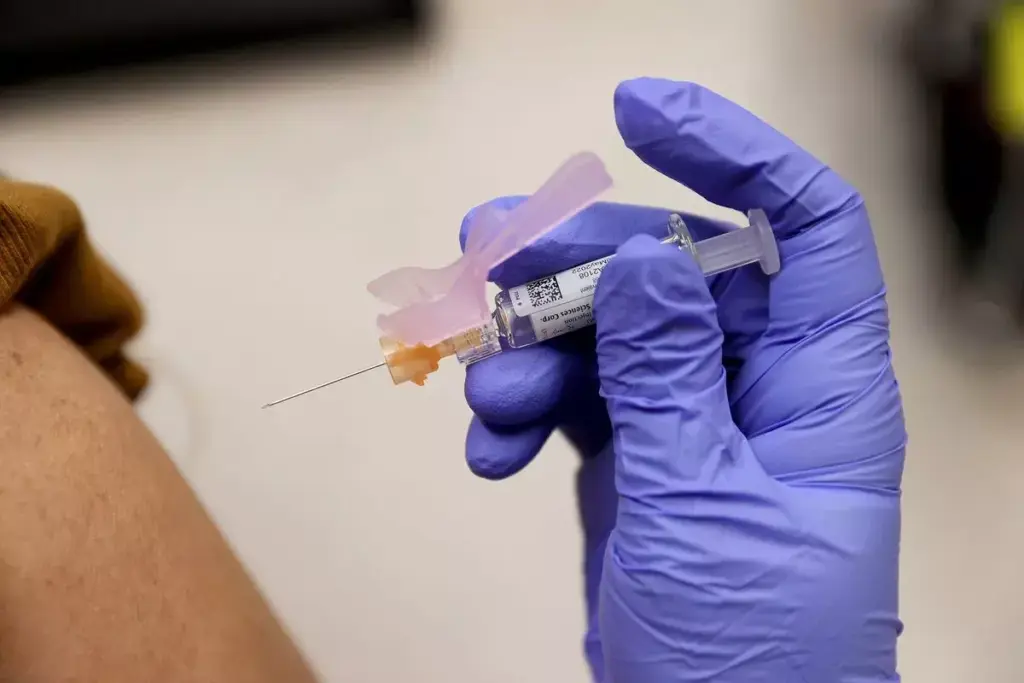
Thomas Francis Jr. and Jonas Salk led the way in creating the first flu vaccine in the 1940s. Their work at the University of Michigan was key in making a vaccine against influenza. We honor their work as a major step in vaccine history.
Pioneering Research at University of Michigan
Francis and Salk’s research was a big leap forward. They developed the first inactivated flu vaccine, marking a major achievement. Their efforts set the stage for future vaccine progress.
The University of Michigan was the perfect place for their research. With help from the U.S. Army, they could focus on making a vaccine for World War II. This was to protect military personnel from the flu.
Innovative Chicken Egg Production Method
Using chicken eggs for vaccine production was a game-changer. This method, used today, made it possible to produce flu vaccines on a large scale. The eggs were used to grow the virus, which was then made safe for the vaccine.
The process involved putting the flu virus into chicken eggs. The virus grew in the eggs, then was taken out, made safe, and purified for the vaccine.
Military Funding and Wartime Urgency
The U.S. Army’s funding was essential for the first flu vaccine. They saw how flu affected soldiers and supported Francis and Salk’s research.
The urgency of World War II pushed the vaccine’s development. Keeping soldiers healthy was a top priority. The vaccine was seen as a key tool for military readiness.
Evolution and Implementation of Early Flu Vaccines
The early flu vaccines went through big changes. This was because we needed to fight off many strains of the virus. As we learned more about the flu virus, our vaccines got better too.
The 1942 Bivalent Vaccine: Targeting Both Influenza A and B
In 1942, a big step forward was made with the bivalent vaccine. It protected against both influenza A and B viruses. This was a major leap in flu vaccine technology. It showed that fighting the flu wasn’t just about one virus, but many.
Military Deployment in 1945
The bivalent vaccine was ready for use in 1945. It was first given to military personnel. The war made it urgent to have vaccines to keep soldiers healthy.
The military helped a lot with making and giving out these vaccines. This was key in stopping flu outbreaks in military camps.
Civilian Approval and Distribution in 1946
In 1946, the bivalent flu vaccine was okayed for everyone. This was a big deal because it meant more people could get vaccinated. It showed the vaccine was safe and worked well, leading to more people getting shots.
For more on flu vaccine history, check out the World Health Organization’s page on it.
| Year | Event | Significance |
| 1942 | Development of bivalent flu vaccine | Protected against both influenza A and B |
| 1945 | Military deployment of the vaccine | Protected military personnel from flu |
| 1946 | Civilian approval and distribution | Expanded protection to the general public |
Looking back, the early flu vaccines’ journey shows how science and need came together. The story of flu vaccines shows the power of medical research to tackle big health challenges.
Conclusion: The Impact of Flu Vaccine Innovation
We’ve seen big steps in flu vaccine development, from finding the influenza virus to making the first vaccine. The latest research on a universal flu vaccine is very promising. It could give us lifetime protection against new strains.
The history of flu vaccine development shows how far we’ve come. It’s thanks to better vaccine technology and understanding the virus. Now, research on a universal flu vaccine could change everything. It might protect us against many strains without needing yearly shots.
The flu vaccine has saved many lives, and we need to keep improving it. Scientists are working hard to make better vaccines. We can look forward to even more effective vaccines in the future.
FAQ
When was the flu vaccine first developed?
The first flu vaccine was made in the 1940s. Thomas Francis Jr. and Jonas Salk worked on it at the University of Michigan.
What was the significance of the 1918 flu pandemic in the development of the flu vaccine?
The 1918 flu pandemic pushed scientists to find ways to prevent flu. It led to important discoveries about how our bodies fight viruses.
When was the flu virus discovered?
In 1933, scientists passed the human flu virus to ferrets. This was a big step in understanding the virus.
How was the flu vaccine initially produced?
At first, the vaccine was made from chicken eggs. This method is key in making flu vaccines today.
What was the role of military funding in the development of the flu vaccine?
Military funding in World War II helped create the first flu vaccine. It was made to protect soldiers.
When was the bivalent flu vaccine developed?
In 1942, a bivalent vaccine was made. It targeted both influenza A and B viruses. This was a big step in flu vaccine technology.
When was the flu vaccine approved for civilian use?
The flu vaccine was okayed for civilians in 1946. It was first used in the military in 1945.
What is the current state of flu vaccine research?
Today, scientists are working on a universal flu vaccine. This could offer better protection against flu.
Who were the key researchers involved in the development of the flu vaccine?
Thomas Francis Jr. and Jonas Salk were key figures. They made big contributions to the first flu vaccine.
When did flu vaccine development start?
Work on flu vaccines started early in the 20th century. Big progress was made in the 1930s and 1940s.
How has the flu vaccine impacted public health?
The flu vaccine has greatly helped public health. It protects against flu and lowers the risk of serious problems.
References
Nature. Evidence-Based Medical Insight. Retrieved from https://www.nature.com/articles/nrd.2017.243