Chronic stress can affect the skin, including changes in skin pigmentation. Research shows it can mess with the skin’s HPA axis. This might lead to hyperpigmentation.
Where does hyperpigmentation come from? Explore how stress and hormones trigger dark spots and learn to heal your skin.
The HPA axis is key in how our body handles stress. Disruption of the HPA axis can lead to changes in skin pigmentation. This can lead to conditions like melasma. At Liv Hospital, we have advanced treatments for these issues.
Key Takeaways
- Chronic stress can disrupt the HPA axis, leading to skin pigmentation changes.
- The HPA axis plays a critical role in managing the body’s stress response.
- Disruption of the HPA axis can cause hyperpigmentation disorders like melasma.
- Liv Hospital offers advanced psychodermatology treatments for stress-related skin conditions.
- Understanding the connection between stress and skin health is vital for effective treatment.
Understanding Hyperpigmentation: An Overview
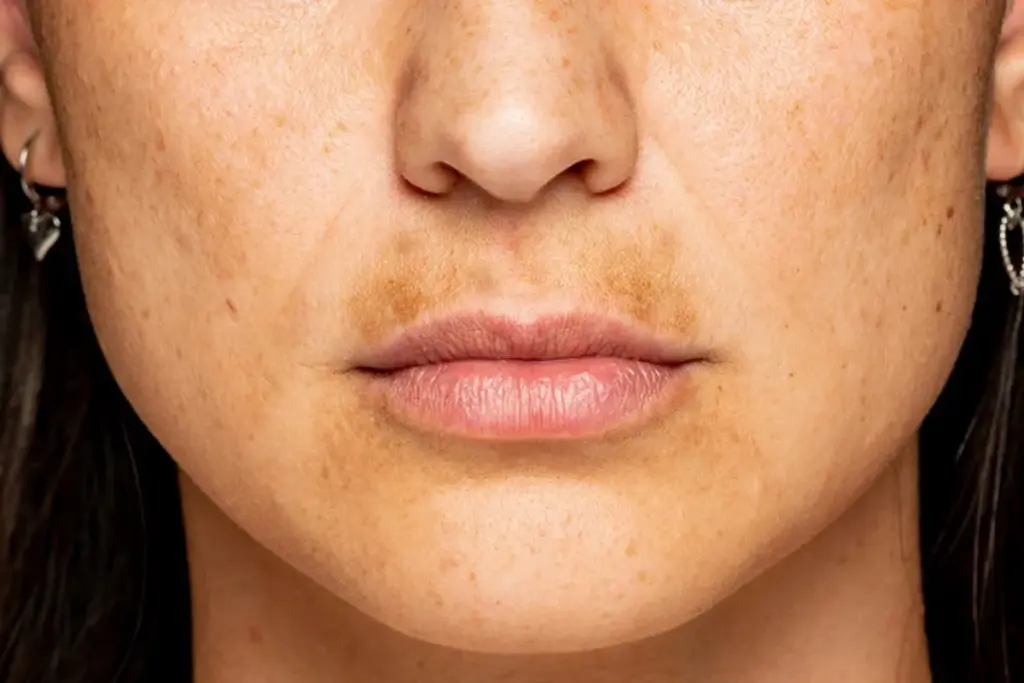
Hyperpigmentation is a common skin issue that causes discoloration. It can be caused by sun exposure and hormonal changes. Knowing about this condition helps us understand how to deal with it.
What is hyperpigmentation?
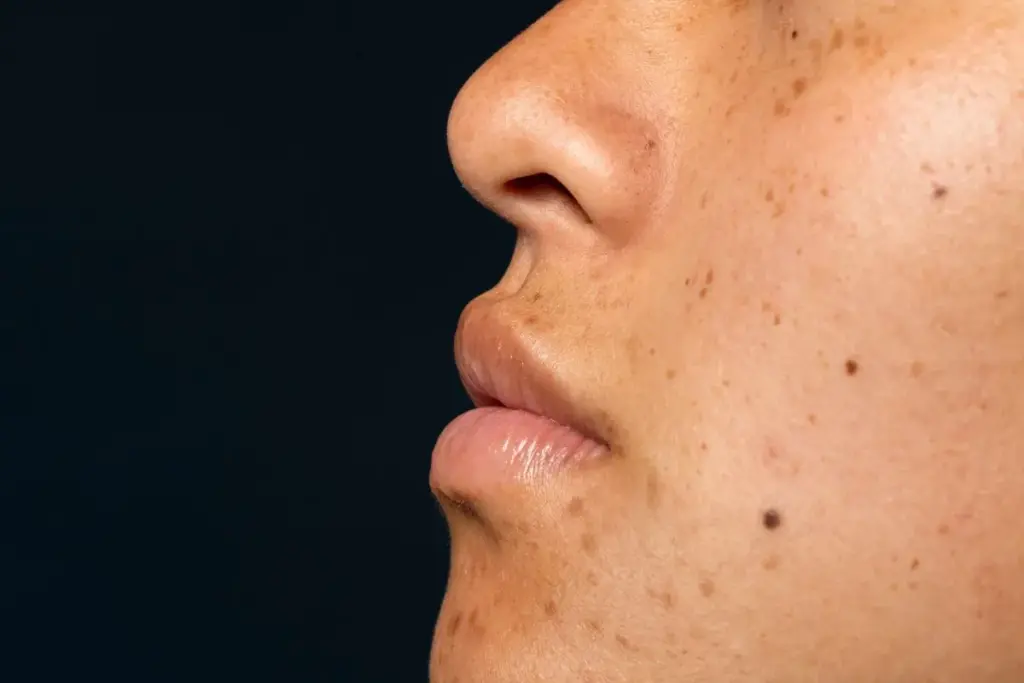
Hyperpigmentation makes some skin areas darker than others. This happens because of too much melanin, the skin’s color pigment. It can be caused by inflammation, hormonal changes, and sun damage. Dark spots or patches can really affect how someone feels about themselves.
Common types of hyperpigmentation
There are many types of hyperpigmentation, each with its own causes and signs. The most common ones are:
- Melasma: Often linked to hormonal changes, like during pregnancy.
- Post-inflammatory hyperpigmentation (PIH): This happens after the skin gets inflamed or injured.
- Sun spots or solar lentigines: These are caused by too much sun exposure.
Each type needs a specific treatment plan. This shows why getting the right diagnosis is so important.
Prevalence and demographics
Hyperpigmentation can affect anyone, but it’s more common in some groups. It depends on skin type, genetics, and the environment. For example, people with darker skin are more likely to get certain types, like melasma or PIH. This is shown in research on.
|
Type of Hyperpigmentation |
Common Causes |
Demographic Prevalence |
|---|---|---|
|
Melasma |
Hormonal changes, sun exposure |
More common in women, during pregnancy |
|
Post-inflammatory hyperpigmentation |
Inflammation, skin injury |
Affects all skin types, more visible in darker skin |
|
Sun spots or solar lentigines |
Prolonged sun exposure |
Common in older adults and those with fair skin |
Where Does Hyperpigmentation Come From?
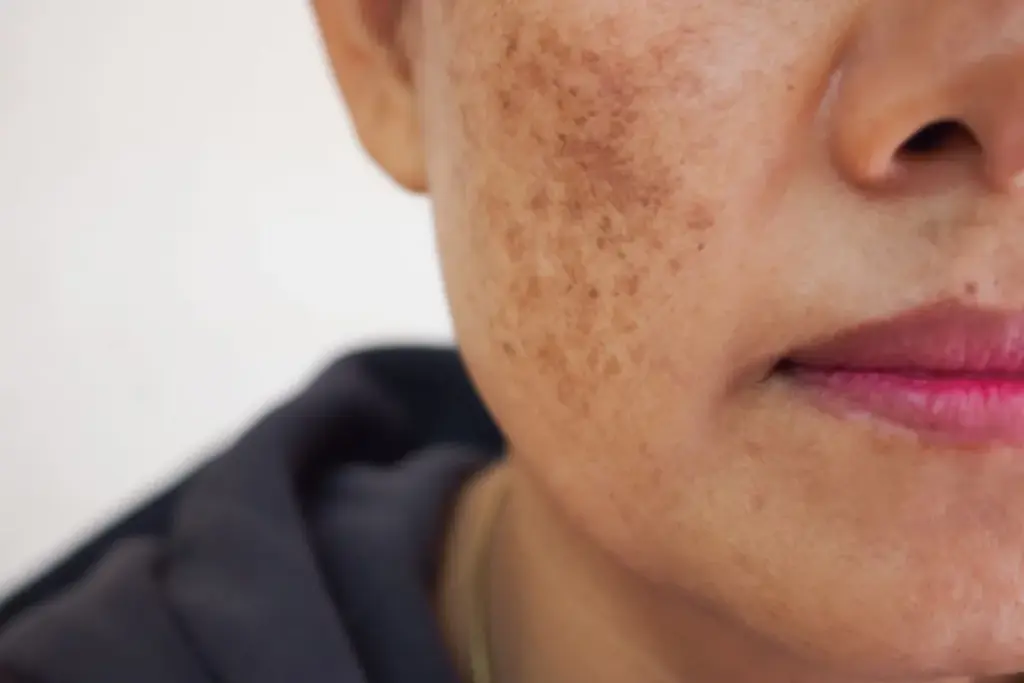
To understand hyperpigmentation, we need to look at how melanin is made and what affects it. Hyperpigmentation happens when there’s too much melanin. This is the pigment that gives our skin its color.
The Melanin Production Process
Melanin is made by cells called melanocytes in our skin. It’s a complex process that involves many steps. These steps are influenced by our genes, hormones, and the environment.
Factors that Trigger Excess Melanin Production
Several things can cause too much melanin to be made. This leads to hyperpigmentation. These include:
- Hormonal changes: Changes in hormones, like during pregnancy or menopause, can make more melanin.
- Sun exposure: UV rays from the sun can also make more melanin, causing hyperpigmentation.
- Inflammation: When the skin gets inflamed, like from injury or acne, it can lead to hyperpigmentation.
Genetic Predisposition to Hyperpigmentation
Our genes play a big role in whether we get hyperpigmentation. If your family has it, you might too. Knowing this can help find the right treatment.
Understanding what causes hyperpigmentation helps us treat it better. We look at how genes, hormones, and the environment affect melanin production.
The Science of Skin Pigmentation
Exploring skin pigmentation shows how melanocytes affect our skin’s color and how it reacts to the outside world. At the core of this are melanocytes, special cells that make melanin, the pigment that colors our skin.
How Melanocytes Function
Melanocytes create melanin in tiny organelles called melanosomes. This melanin then moves to nearby keratinocytes, the most common skin cells, through a process called melanization. The way melanin is spread and what type is made affects our skin color and how it reacts to UV rays.
Genetic makeup, hormonal changes, and UV exposure all impact melanocyte function. Knowing this helps us understand why skin pigmentation varies.
The Role of Melanin in Skin Protection
Melanin is key in shielding our skin from UV damage. It acts like a natural sunscreen, soaking up UV rays and stopping them from harming deeper skin layers. This can prevent DNA damage and lower the risk of skin cancer.
- Human skin has two main melanin types: eumelanin and pheomelanin.
- Eumelanin protects against UV rays well.
- Pheomelanin, though, can harm skin when exposed to UV light.
Normal vs. Abnormal Pigmentation Processes
Normal pigmentation is a balance between melanin production and distribution. Abnormal pigmentation happens when this balance is off, causing issues like hyperpigmentation or hypopigmentation.
Things that can upset this balance include:
- Hormonal changes
- Inflammation
- UV exposure
- Genetic factors
Grasping the science of skin pigmentation is key to tackling hyperpigmentation and other pigmentation problems.
Common Causes of Hyperpigmentation
It’s important to know what causes hyperpigmentation to treat it well. This condition can come from many things, like the environment, hormones, and some health issues.
Sun Exposure and UV Damage
Sunlight and UV rays are big causes of hyperpigmentation. When skin gets UV, it makes more melanin to protect itself. This can cause dark spots. Not protecting your skin from the sun can make it worse.
Hormonal Influences
Hormonal changes can also lead to hyperpigmentation. For example, melasma can happen during pregnancy or with hormonal birth control. These changes make the skin produce more melanin, causing dark spots.
Post-Inflammatory Hyperpigmentation
PIH happens after the skin gets inflamed, like from acne or burns. The inflammation makes the skin produce too much melanin. This results in dark spots or patches.
Medications and Medical Conditions
Some medicines and health conditions can also cause hyperpigmentation. For instance, some chemotherapy drugs can change skin color. Also, conditions like Addison’s disease can cause dark spots because of hormonal imbalances.
Knowing these causes helps us find better ways to prevent and treat hyperpigmentation. This way, we can help people reduce the look of dark spots on their skin.
The Stress-Skin Connection
Recent studies have shown how stress affects the skin, including hyperpigmentation. The link between stress and skin health is complex. It involves many physiological pathways.
How the Body Responds to Stress
When we feel stressed, our body’s “fight or flight” response kicks in. This leads to the release of hormones. Cortisol, known as the “stress hormone,” is key in this process. It can affect the skin, possibly causing hyperpigmentation.
“Chronic stress can harm the skin, changing how it works,” says a top dermatologist. This can cause too much melanin, leading to hyperpigmentation.
The Hypothalamic-Pituitary-Adrenocortical (HPA) Axis
The HPA axis is a complex system that handles stress. It controls cortisol and other hormone production, impacting the skin. Issues with the HPA axis can cause skin problems, including hyperpigmentation.
- The HPA axis regulates cortisol production.
- Cortisol affects melanin production.
- Disruptions can lead to skin conditions.
Psychodermatology: The Mind-Skin Relationship
Psychodermatology is a new field that looks at the mind-skin connection. It shows that skin issues can be linked to mental health, including stress. This knowledge helps doctors create better treatment plans.
Psychodermatology blends dermatology and psychology. It treats skin problems that have a mental side. This method recognizes that treating the skin alone might not work if stress or mental issues are present.
Stress Hormones and Their Effect on Skin
Stress hormones have a big impact on our skin. They are key in how our body reacts to stress. These hormones can cause skin problems, like changes in skin color. Knowing how stress hormones affect our skin is key to treating stress-related skin issues.
Cortisol: the primary stress hormone
Cortisol is called the “primary stress hormone” because it plays a big role in stress response. It’s made by the adrenal gland and affects many body functions, including the skin. High cortisol levels can cause acne, thin skin, and slow healing of wounds. It also affects melanin production, which is what gives skin its color.
Adrenocorticotropic hormone (ACTH) and melanocytes
Adrenocorticotropic hormone (ACTH) is another important hormone released during stress. It helps make cortisol and directly affects melanocytes, the cells that make melanin. Studies show that ACTH can make more melanin, which can cause dark spots.
Glucocorticoids and melanogenesis
Glucocorticoids, like cortisol, are steroid hormones made in response to stress. They affect melanogenesis, the process of making melanin. While they can reduce inflammation, their effect on melanogenesis is complex. This can lead to changes in skin color.
“The relationship between glucocorticoids and melanogenesis is multifaceted, involving various pathways that can result in either an increase or decrease in melanin production.”
The Direct Link: How Stress Triggers Hyperpigmentation
Stress affects the skin in many ways, with hyperpigmentation being a key issue. Chronic stress can cause changes in the body that impact skin color.
Disruption of the Skin’s HPA Axis
The HPA axis is vital for how our body handles stress. When it’s off, skin color can change. Stress causes cortisol release, a hormone that affects melanin.
“The connection between stress and skin issues is clear,” a study says. “Knowing this is key for better treatments.”
Stress-Induced Inflammation and Pigmentation
Stress also causes inflammation, which can lead to hyperpigmentation. When stressed, the body releases substances that cause skin inflammation and hyperpigmentation.
- Inflammation leads to chemical changes in melanocytes.
- This uneven melanin distribution causes hyperpigmentation.
The Role of Oxidative Stress
Oxidative stress, from free radicals and antioxidants imbalance, also causes hyperpigmentation. Stress makes oxidative stress worse, leading to more skin damage and pigmentation issues.
Understanding stress and hyperpigmentation helps us find better prevention and treatment. We need to tackle stress, reduce inflammation, and protect the skin from oxidative damage.
Research Evidence: Stress and Hyperpigmentation
A growing body of research evidence shows a link between stress and hyperpigmentation. Studies have looked into this connection, revealing how stress affects skin color.
These studies have been done on animals and humans. They help us understand how stress can cause hyperpigmentation.
Animal Studies on Stress and Pigmentation
Animal studies have been key in figuring out how stress changes skin color. For example, mice studies show stress can increase melanocortins. This leads to more melanin, causing hyperpigmentation.
These studies have also shown the role of the HPA axis in stress response. They explain how this affects skin pigmentation.
Human Studies Linking Stress to Melasma
Human studies have focused on the link between stress and melasma. Melasma is a common skin issue. People with melasma often have higher stress levels.
Doctors have also noticed that stress can make melasma worse. But, when people manage their stress, their melasma can improve.
Statistical Evidence and Clinical Observations
Statistical evidence from big studies supports the stress and hyperpigmentation link. For instance, more people with chronic stress have hyperpigmentation issues.
Clinical observations also show stress’s role in hyperpigmentation. Dermatologists see more severe cases in stressed patients.
By combining animal and human studies, we get a clearer picture of stress and hyperpigmentation. This helps us find better treatments.
Melasma: The Stress-Sensitive Pigmentation Disorder
Melasma is a skin condition that can be caused by stress. It shows up as dark patches, usually on the face. This condition can really affect a person’s life.
Defining Melasma
Melasma causes patches of color on the face, like the cheeks and forehead. It’s more common in women, and those with darker skin. Hormones, sun, and genes play a part in its cause.
The Role of Stress in Triggering Melasma
Stress can make melasma worse. It’s linked to how our body reacts to stress and affects our skin color. Stress hormones like cortisol can harm the skin.
“Stress can make melasma worse by increasing melanin, the skin pigment.”
Statistics on Stress-Triggered Melasma
Studies show stress is a big factor in melasma. A study found stress was linked to 43% of melasma cases.
|
Study |
Year |
Percentage of Stress-Related Melasma Cases |
|---|---|---|
|
Journal of Clinical and Aesthetic Dermatology |
2019 |
43% |
|
Dermatology Research and Practice |
2020 |
51% |
These numbers show stress management is key in treating melasma. Knowing the stress-melasma link helps doctors find better treatments.
The Psychological Impact of Hyperpigmentation
Hyperpigmentation affects more than just the skin. It can harm a person’s mental health and overall well-being. This condition can cause emotional and psychological distress, impacting many areas of life.
Anxiety and Depression in Hyperpigmentation Patients
People with hyperpigmentation are more likely to feel anxious and depressed. The condition’s visibility can make them feel self-conscious and lower their self-esteem. This can worsen their mental health problems.
The emotional effects of hyperpigmentation are just as important as its physical symptoms. Patients often feel embarrassed and anxious about social interactions. They also report a decrease in their quality of life.
“The psychological burden of hyperpigmentation cannot be overstated. It’s not just about the appearance; it’s about how it makes you feel about yourself.”
— A patient with hyperpigmentation
Social and Emotional Consequences
Hyperpigmentation can have deep social and emotional effects. It can lead to social isolation and make people avoid social situations. It also makes personal and professional relationships harder to maintain.
- Social withdrawal due to feelings of self-consciousness
- Difficulty in forming and maintaining relationships
- Impact on career advancement and professional interactions
This shows why treating hyperpigmentation needs a full approach. It should tackle the physical symptoms and the emotional and psychological effects.
The Cyclical Relationship Between Stress and Skin Conditions
Stress and skin conditions like hyperpigmentation have a cycle. Stress can make hyperpigmentation worse, and the condition can increase stress levels. This creates a vicious cycle.
|
Factors Contributing to Hyperpigmentation |
Psychological Impact |
|---|---|
|
Stress |
Increased anxiety and depression |
|
Hormonal changes |
Emotional distress and low self-esteem |
|
Sun exposure |
Concerns about appearance and social stigma |
Understanding this cycle is key to creating effective treatments. These treatments should address both the physical and psychological sides of hyperpigmentation.
Diagnosing Stress-Related Hyperpigmentation
To accurately diagnose hyperpigmentation caused by stress, a detailed clinical evaluation is needed. We will look at the methods used for clinical assessment. We will also discuss how to tell it apart from other hyperpigmentation types and when to seek medical help.
Clinical Assessment Methods
The first step in clinical assessment is a detailed medical history and physical check-up. We look at the skin’s condition, focusing on the color, texture, and where the hyperpigmentation is. Tools like dermoscopy might be used for a closer look.
We also consider the patient’s stress levels, medical history, and any past treatments for hyperpigmentation. This detailed approach helps us understand the cause of the hyperpigmentation.
Key assessment factors include:
- Patient’s stress history and current stress levels
- Distribution and characteristics of hyperpigmentation
- Previous treatments and their outcomes
Differentiating Stress-Induced from Other Forms of Hyperpigmentation
It’s tricky to tell stress-induced hyperpigmentation from other types, but it’s key for effective treatment. We look at the patient’s health, stress levels, and the hyperpigmentation’s specific traits.
Stress-induced hyperpigmentation often has unique features. For example, it might be more noticeable in areas affected by hormonal changes.
When to Seek Medical Attention
Knowing when to see a doctor for hyperpigmentation is important. If it doesn’t get better, gets worse, or comes with other symptoms, you should get checked out.
Seeing a doctor early can help avoid problems and make treatment more effective. If your skin changes a lot or hyperpigmentation is impacting your life, see a healthcare professional.
Early diagnosis and treatment are key to managing stress-related hyperpigmentation effectively.
Treatment Approaches for Stress-Induced Hyperpigmentation
At Liv Hospital, we have a detailed plan to treat stress-induced hyperpigmentation. We focus on both the physical and mental sides of the issue. Our goal is to understand how stress affects our skin.
Topical Treatments and Their Effectiveness
Topical treatments are often the first step against stress-induced hyperpigmentation. These include creams and serums with hydroquinone, retinoids, and vitamin C. They help lower melanin production and brighten the skin.
Key ingredients:
- Hydroquinone: A well-known skin-lightening agent.
- Retinoids: Derivatives of vitamin A that promote cell turnover.
- Vitamin C: An antioxidant that helps in brightening the skin.
Procedural Interventions
For severe cases, we may need to use procedural interventions. These include chemical peels, microdermabrasion, and laser therapy. They help remove the top skin layers and reduce pigmentation.
A leading dermatologist says, “Procedural interventions can significantly improve hyperpigmented skin when combined with topical treatments.” (Source: Liv Hospital’s Dermatology Department).
Addressing the Underlying Stress
It’s key to tackle the stress causing hyperpigmentation. We use stress management techniques like mindfulness, meditation, and cognitive-behavioral therapy (CBT).
“Reducing stress not only improves skin health but also enhances overall well-being.” (
Liv Hospital’s Psychodermatology Department
)
Multidisciplinary Treatment Approaches
Our best approach combines dermatology with psychological support. At Liv Hospital, dermatologists and psychologists work together. This provides complete care for our patients.
By adding psychodermatology to our treatment, we tackle both physical symptoms and mental factors. This leads to better results for our patients.
Innovative Approaches in Psychodermatology
Psychodermatology is a growing field that links skin health with mental well-being. It offers new ways to treat skin problems caused by stress. This field combines dermatology and psychology to help people with skin issues.
Emerging Treatments for Stress-Related Skin Conditions
New treatments for stress-related skin issues are being developed. These include:
- Topical treatments that target the skin’s response to stress hormones
- Psychological interventions aimed at reducing overall stress levels
- Multidisciplinary care plans that integrate dermatological and psychological treatments
Healthcare providers are now using a holistic approach. This means they can offer better treatments for stress-related skin problems.
Liv Hospital’s Multidisciplinary Approach
Liv Hospital is leading in treating stress-induced hyperpigmentation. They have a team of dermatologists, psychologists, and other experts. Together, they create personalized treatment plans for each patient.
“The integration of psychological and dermatological care is key in managing stress-related skin disorders. By treating both the physical and emotional sides, we get better results for our patients.”
Integration of Psychological and Dermatological Care
Combining psychological and dermatological care is central to psychodermatology. This method lets healthcare providers:
- Look at the psychological factors behind skin issues
- Offer treatments that tackle both the skin and the emotional causes
- Keep track of how patients are doing and adjust treatments as needed
Future Directions in Treating Stress-Induced Hyperpigmentation
As psychodermatology research grows, we’ll see more treatments for stress-induced hyperpigmentation. Future advancements might include:
- Advanced topical treatments that better target stress hormones
- Novel psychological interventions to lower stress and improve skin health
- Increased use of technology to manage stress-related skin issues
Healthcare providers will keep up with these new developments. This way, they can give the best care to patients with stress-induced hyperpigmentation.
Conclusion: Understanding the Mind-Skin Connection
We’ve looked into how stress and hyperpigmentation are linked, showing the mind-skin connection’s importance. Knowing what causes hyperpigmentation, like stress, helps us create better treatment plans. These plans tackle the root causes of this condition.
Psychodermatology is key in this field. It combines psychology and dermatology to better patient care and outcomes. Recognizing the link between stress, hyperpigmentation, and the mind-skin connection helps healthcare teams. They can then offer more complete support to patients looking for advanced treatments.
Our talk has made it clear that fighting stress is key to managing hyperpigmentation. Adding stress management to treatment plans can lead to better results. This approach considers the mind-skin connection, which is vital. More research in this area will help us improve treatments even more.
FAQ
What is hyperpigmentation and how is it related to stress?
Hyperpigmentation is when your skin gets dark spots or patches. Stress can cause this by messing with your body’s stress system. This can change how your skin looks.
What are the common causes of hyperpigmentation?
Many things can cause dark spots on your skin. These include the sun, hormonal changes, inflammation, and some medicines. Knowing what causes it helps in finding ways to prevent and treat it.
How does stress trigger hyperpigmentation?
Stress can mess with your skin’s stress system. This leads to inflammation and damage that can cause dark spots.
What is the role of melanin in skin pigmentation?
Melanin is what gives your skin color. It protects your skin from the sun. Knowing how melanin works helps us understand skin color.
How is melasma related to stress?
Melasma is when your skin gets dark patches. Stress can make it worse. Studies show stress can make melasma symptoms worse.
What are the treatment approaches for stress-induced hyperpigmentation?
To treat dark spots caused by stress, you can use creams, get treatments, or manage stress. A team approach that includes both mind and skin care works best.
How can Liv Hospital’s psychodermatology treatments help with stress-induced hyperpigmentation?
Liv Hospital’s treatments help by tackling stress and combining mind and skin care. This can improve how well you look and feel.
What is psychodermatology and how does it relate to hyperpigmentation?
Psychodermatology is about how our mind affects our skin. It helps us understand stress and dark spots. It also helps find better treatments.
Can hyperpigmentation have a psychological impact?
Yes, dark spots can really affect your mental health. They can lead to anxiety and depression. The way stress and skin problems feed into each other can make things worse.
When should I seek medical attention for hyperpigmentation?
See a doctor if your skin changes, like getting darker spots. A full check-up can help figure out if stress is causing it. Then, you can get the right treatment.
References:
PLoS ONE. Chronic stress suppresses the expression of cutaneous hypothalamic–pituitary–adrenocortical axis elements and melanogenesis.https://journals.plos.org/plosone/article?id=10.1371%2Fjournal.pone.0098283
National Center for Biotechnology Information (NCBI). Self-esteem, depression, anxiety and quality of life in patients with melasma.https://pmc.ncbi.nlm.nih.gov/articles/PMC10149543/
Journal of the American Academy of Dermatology. Melasma: a clinical and epidemiological review.https://www.sciencedirect.com/science/article/pii/S0022202X15521181
National Center for Biotechnology Information (NCBI). Pathogenesis of melasma: an update.https://www.ncbi.nlm.nih.gov/pmc/articles/PMC8384861/
National Center for Biotechnology Information (NCBI). Advances in the treatment of melasma.https://www.ncbi.nlm.nih.gov/pmc/articles/PMC6771287/
DermNet NZ. Melasma.https://dermnetnz.org/topics/melasma



 Departments
 Related Videos
 Our Doctors
 News
News