

Abdominal aortic aneurysm (AAA) is a serious condition. It happens when the aorta, the main blood vessel, balloons out. This can lead to a rupture. Every year, about 200,000 people in the United States are diagnosed with AAA.
We look into if a blood test can show signs of an aneurysm. We dive into the latest research and testing options for abdominal aortic aneurysm detection. While there’s no blood test just for AAA, some tests can show if you have an aneurysm or related issues.
Key Takeaways
- Abdominal aortic aneurysm is a significant health concern affecting thousands worldwide.
- No specific blood test exists for AAA, but related tests can indicate its presence.
- Understanding the latest testing options is key for early detection and management.
- AAA testing is vital for those with a family history or other risk factors.
- It’s important to talk to a healthcare professional to find the best testing approach.
Understanding Aneurysms: Types and Risks

To understand aneurysms, we need to know what they are and the dangers they pose. An aneurysm is a bulge in a blood vessel that can happen anywhere in the body. It’s dangerous because it can burst, causing severe bleeding that can be deadly.
What Is an Aneurysm?
An aneurysm happens when a blood vessel’s wall weakens, causing it to bulge. This can be due to high blood pressure, plaque buildup, or genetic issues. These factors can make the blood vessel weak.
The danger of an aneurysm depends on its size and where it is. Some aneurysms stay small and don’t cause trouble. But others can grow big enough to press on nearby tissues or burst.
Common Types of Aneurysms
Aneurysms are classified by where they occur in the body. The most common types are:
- Abdominal Aortic Aneurysm (AAA): This happens in the aorta, the main artery from the heart to the abdomen.
- Thoracic Aortic Aneurysm: Found in the aorta as it goes through the chest.
- Cerebral Aneurysm: In the brain, and can cause a stroke if it bursts.
- Peripheral Aneurysm: Can happen in any artery not in the aorta, often in the legs.
|
Type of Aneurysm |
Location |
Risk Factors |
|---|---|---|
|
Abdominal Aortic Aneurysm (AAA) |
Abdomen |
Smoking, high blood pressure, family history |
|
Thoracic Aortic Aneurysm |
Chest |
Genetic conditions, high blood pressure |
|
Cerebral Aneurysm |
Brain |
Family history, smoking, high blood pressure |
Abdominal Aortic Aneurysm (AAA) Explained
An Abdominal Aortic Aneurysm (AAA) is a swelling of the main blood vessel from the heart to the abdomen. The aorta is key because it supplies blood to the abdomen, pelvis, and legs. An AAA is dangerous because it can burst, leading to severe bleeding.
“The risk of rupture increases with the size of the aneurysm, making regular monitoring critical for those with AAA.”
Factors that increase the risk of AAA include smoking, high blood pressure, and a family history of aneurysms. Men over 65 are at high risk and often get screened.
The Silent Danger: Why Aneurysm Detection Matters
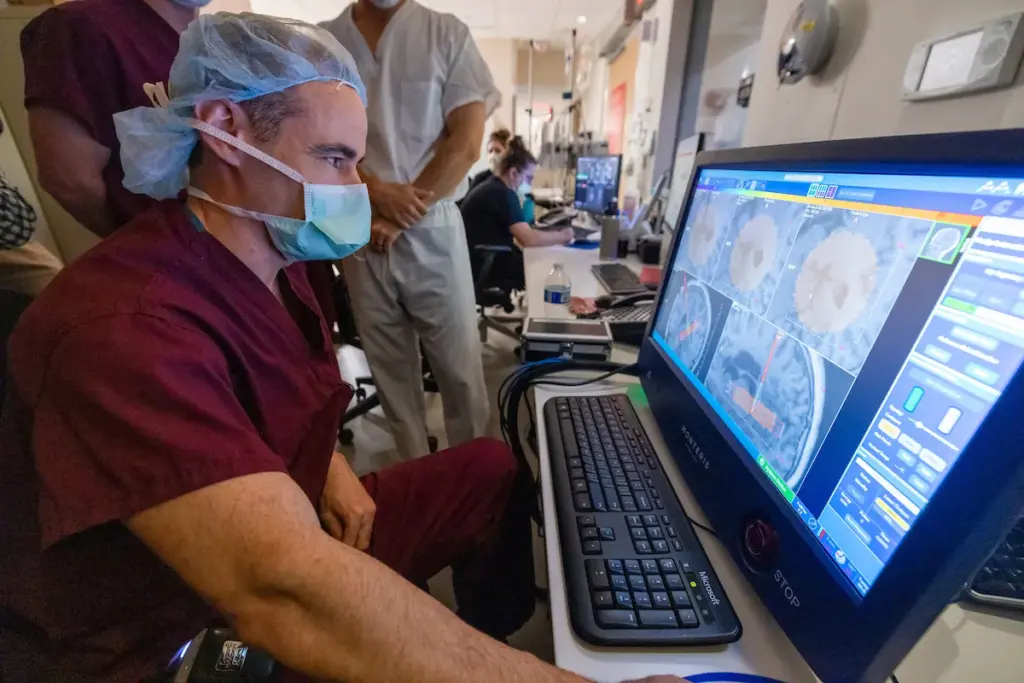
Early detection of aneurysms can greatly lower death rates from ruptured aneurysms. Aneurysms often don’t show symptoms until they burst. So, finding them early is key. We’ll look at why early detection is vital, the dangers of ruptured aneurysms, and who’s most at risk.
Mortality Rates Associated with Ruptured Aneurysms
Ruptured aneurysms are a serious emergency with high death rates. Up to 80% of people with a ruptured abdominal aortic aneurysm (AAA) die before they even get to the hospital. Even those who make it to surgery face a 20% to 50% chance of dying. This shows how critical it is to find aneurysms before they burst.
Benefits of Early Detection
Finding aneurysms early can lead to better outcomes. If aneurysms are caught before they burst, patients can have elective surgery. This has much lower death rates than emergency surgery for ruptured aneurysms. Early detection also lets doctors manage risk factors and watch the aneurysm’s growth, which can prevent rupture.
Benefits of early aneurysm detection include:
- Reduced mortality rates
- Elective repair options
- Better management of risk factors
- Monitoring of aneurysm growth
Population Groups at Highest Risk
Some groups face a higher risk of getting aneurysms. Knowing these risk factors helps target screening and early detection. The groups most at risk include:
|
Risk Factor |
Description |
|---|---|
|
Age |
Risk increases significantly after the age of 65 |
|
Smoking |
Smokers are at a higher risk of developing aneurysms |
|
Family History |
Having a first-degree relative with an aneurysm increases risk |
|
Gender |
Men are more likely to develop aneurysms than women |
Knowing these high-risk groups helps set up targeted screening programs. This can lead to early detection and better outcomes. The “triple a test is done for” screening, mainly for abdominal aortic aneurysms, is a key tool in this effort.
Can Blood Tests Detect Aneurysms?
Researchers are looking into if blood tests can help find aneurysms. They want to know if these tests can spot aneurysms or predict when they might burst. This is a big area of study.
Limitations of Blood Testing for Aneurysm Detection
Right now, blood tests can’t confirm aneurysms. The complexity of aneurysm pathology makes finding one biomarker hard. Also, aneurysms often don’t show symptoms until they burst, making early detection tough.
Studies have found some biomarkers linked to aneurysm risk. But, these markers aren’t specific or sensitive enough for a diagnosis. So, blood tests can’t replace imaging tests like ultrasound or CT scans.
Biomarkers Associated with Aneurysm Risk
Some biomarkers might be linked to aneurysm risk. These include:
- Inflammatory markers like C-reactive protein (CRP) and interleukin-6 (IL-6)
- Genetic markers that might increase aneurysm risk
- Proteolytic enzymes like matrix metalloproteinases (MMPs) that help aneurysms grow
These biomarkers aren’t enough to diagnose aneurysms alone. But, they might help understand a person’s risk better when used with other tests and doctor’s checks.
Current Research on Blood-Based Detection Methods
Scientists are working on better blood tests for aneurysms. They’re looking at:
- New biomarkers that might be more specific to aneurysms
- Groups of biomarkers that could give a clearer risk picture
- How genetics might help find people at high risk
As research goes on, the goal is to make blood tests useful for finding and managing aneurysms early. This could help prevent ruptures and improve patient care.
AAA Testing: What Blood Work Can Reveal
Blood tests are key in finding Abdominal Aortic Aneurysms (AAA). They show important signs of the condition. This helps doctors make the best care plans for patients.
Inflammatory Markers: CRP and IL-6
Inflammatory markers show when the body is inflamed. For AAA, C-Reactive Protein (CRP) and Interleukin-6 (IL-6) are important. High levels of CRP and IL-6 mean a higher risk of AAA.
CRP is made by the liver when it’s inflamed. IL-6 is a cytokine that causes inflammation. Watching these markers can spot patients at risk of AAA rupture.
|
Marker |
Normal Level |
Elevated Level Indication |
|---|---|---|
|
CRP |
< 10 mg/L |
Increased risk of cardiovascular events and AAA progression |
|
IL-6 |
Varies |
Inflammation and possible AAA growth |
Genetic Markers and DNA Testing
Genetic markers help find who might get AAA. Some genes make people more likely to get aneurysms. DNA testing finds these markers for early care.
Research has found genes linked to AAA. These genes are involved in inflammation and keeping blood vessels strong.
Proteolytic Enzymes: MMPs and Their Significance
Matrix Metalloproteinases (MMPs) break down the stuff around cells. In AAA, MMPs weaken the aortic wall. This helps aneurysms grow and get worse. High MMP levels in patients with AAA suggest they might be more serious.
D-dimer and Other Coagulation Markers
D-dimer shows when a blood clot dissolves. High D-dimer levels mean there might be a clot in the aneurysm. Other markers like fibrinogen and prothrombin fragments also show clot risk. Watching these helps doctors see if AAA might cause problems.
Knowing about blood tests for AAA helps doctors diagnose and treat better. These tests give important info on AAA’s presence, growth, and risks. This lets doctors act quickly and effectively.
The Triple A Test Is Done For: Screening Guidelines
Guidelines for AAA screening aim to find those at highest risk early. This ensures timely action. Screening for abdominal aortic aneurysms is key in preventive care, mainly for those with certain risk factors.
Who Should Be Screened for AAA
Screening is advised for men and women who have smoked. This group faces a higher risk of AAA. Men aged 65 to 75 who have ever smoked are at high risk and should get screened once.
Age and Risk Factor Considerations
Age plays a big role in AAA screening needs. Men over 65 face higher risks, while women’s risks are lower but present, mainly if they have a family history or smoke. Other risk factors include high blood pressure, high cholesterol, and a family history of aneurysms.
USPSTF and American Heart Association Recommendations
The U.S. Preventive Services Task Force (USPSTF) suggests one-time screening for men aged 65 to 75 who have smoked. The American Heart Association also backs screening for those at high risk. They stress the importance of talking about risk factors with a healthcare provider.
Frequency of Testing Based on Risk Profile
How often to screen for AAA depends on risk level. Those at higher risk, like smokers or those with a family history, may need more checks. Those at lower risk might not need as many screenings.
It’s vital to talk to your healthcare provider about the right screening schedule. This will depend on your specific risk factors and medical history.
Where to Get AAA Results: Testing Facilities and Options
If you’re at risk for an AAA, knowing your testing options is key to keeping your vascular health in check. We’ll walk you through the various places and programs for AAA screening.
Primary Care Physician Referrals
Your primary care doctor is usually the first to suggest AAA testing. They check your risk factors, do initial tests, and send you to specialists if it’s needed. Talking to your doctor about your family history and risk factors is important for deciding on AAA testing.
Vascular Specialists and Centers
Vascular specialists and centers offer detailed care for those at risk of or with AAA. They use the latest tools to check your condition and create a treatment plan just for you. Seeing a vascular specialist can give you a deep look into your vascular health.
Hospital-Based Testing Programs
Hospitals have special vascular testing programs with the latest tech for diagnosing and watching AAA. These programs use a team approach, with vascular surgeons, radiologists, and more. They make getting diagnosed and treated easier.
Community Screening Events and Mobile Units
Community screening events and mobile health units are key for getting AAA tests to more people, like those who can’t get to a doctor. They often have free or cheap screenings to find people at risk. Going to community screening events is a good way to check your vascular health.
Knowing about the different places and ways to get tested helps you make smart choices about your AAA screening. Whether it’s through your doctor, a specialist, a hospital program, or a community event, getting tested is a big step for your health.
The AAA Screening Process: What to Expect
Learning about the AAA screening process can ease your worries. We’ll walk you through each step, from getting ready to getting your results.
Before the Test: Preparation Guidelines
There are a few steps to take before your AAA screening. Always follow any instructions from your healthcare provider. You might be told not to eat a big meal beforehand. But, you can keep taking your regular medicines and doing your usual activities.
Wear comfy clothes that let you easily access your belly. This is because the test uses ultrasound to check your abdominal aorta.
During the Test: Procedures and Protocols
During the test, you’ll lie on a table. A technician will put gel on your belly for the ultrasound. The whole test usually takes 15-30 minutes.
The technician will use a probe to get pictures of your aorta. They’ll look for any aneurysms.
After the Test: Follow-Up Steps
After the test, you can go back to your usual day right away. A healthcare professional will look at your results. You might hear back from them soon.
If there’s no aneurysm, you might not need more tests for a while. But, if there is, your doctor will talk to you about what to do next.
Typical Timeline for Receiving Results
When you’ll get your results can vary. Often, you’ll get them the same day. But, it depends on the testing place’s rules.
As
“Early detection of AAA through screening can significantly improve treatment outcomes and save lives.”
We know how important quick results are. We’ll let you know as soon as we can.
Insurance Coverage and Costs for AAA Testing
Insurance coverage is key in managing the costs of AAA testing. Knowing what is covered and what is not can greatly affect our health and finances.
Medicare Coverage for AAA Screening
Medicare has a special rule for AAA screening. It covers a one-time test for those with a family history of aneurysms or who have smoked. This is part of Medicare’s preventive services to catch problems early.
Private Insurance Policies and Requirements
Private insurance plans differ in what they cover for AAA testing. Some include it in their preventive care, while others might charge a copayment or coinsurance. Always check your policy or talk to your provider to know what you’re covered for.
Out-of-Pocket Costs and Financial Assistance
Without good insurance, AAA testing can be very expensive. But, there are financial help programs and community events that can lower these costs. Some providers also offer fees based on how much you can afford.
Advocating for Coverage with Your Provider
If you’re worried about the cost of AAA testing and think it’s needed, talk to your insurance. Explain your risk factors and get a letter from your doctor. This can help your insurance see why you need the test.
|
Insurance Type |
Coverage for AAA Testing |
Out-of-Pocket Costs |
|---|---|---|
|
Medicare |
One-time screening for eligible beneficiaries |
Generally covered, but check for any associated fees |
|
Private Insurance |
Varies by plan; may be covered under preventive services |
Copayment or coinsurance may apply |
|
No Insurance |
Not covered |
Full cost of testing; potentially financial assistance programs |
Knowing about your insurance and the costs for AAA testing is very important. Being informed and proactive helps you get the care you need. This way, you can better manage your health and finances.
Interpreting Your AAA Test Results
Understanding your AAA test results is key to managing your vascular health. When you get your results, knowing what they mean can be both good and bad. It depends on the outcome.
Normal vs. Abnormal Findings
AAA test results are either normal or abnormal. Normal findings mean no aneurysm was found, or your aortic diameter is okay. On the other hand, abnormal findings show an aneurysm or an aortic diameter that’s too big.
Even if your results are normal, it doesn’t mean you’re completely safe. If you’re at high risk or have other vascular concerns, your doctor might suggest regular check-ups.
Understanding Measurement Values
The measurement values from your AAA test are very important. They show the diameter of your aorta. A diameter of 3 cm or larger is usually an aneurysm. The size of the aneurysm helps figure out the risk of rupture and if you need treatment.
- Aortic diameter less than 3 cm is normal.
- A diameter between 3 cm and 5.4 cm might need watching.
- An aorta measuring 5.5 cm or larger might need surgery.
What Positive Results Mean for Your Health
If your results show an aneurysm, you might feel worried. But, a positive diagnosis isn’t a final verdict. Your doctor will look at the size and location of the aneurysm, your health, and other risk factors to decide the best action.
Positive results don’t always mean surgery right away. Many aneurysms are watched over time. Surgery is considered based on how fast it grows and other factors.
Next Steps After Receiving Results
After getting your AAA test results, your doctor will talk about what they mean and what to do next. You might need:
- Regular checks with ultrasound or CT scans.
- Changes in your lifestyle to lower risk factors.
- Medicine to manage related health issues.
- Surgery or endovascular repair if the aneurysm is big or growing.
It’s important to understand your results and follow your doctor’s advice to manage your health well.
Beyond Blood Tests: Gold Standard Diagnostic Methods for Aneurysms
Diagnosing aneurysms is more than just blood tests. Advanced imaging techniques are key for accurate detection. Blood tests can show risk factors, but they can’t confirm aneurysms on their own.
Ultrasound Imaging: The First-Line Screening Tool
Ultrasound imaging is the top choice for finding abdominal aortic aneurysms (AAAs). It’s non-invasive, using sound waves to show the aorta’s size and any issues.
Benefits of Ultrasound: It’s fast, painless, and doesn’t use radiation. But, its quality can depend on the operator, and it might not show the aneurysm’s details well.
CT Scans and CT Angiography
CT scans and CT angiography give clearer views of the aorta and any aneurysms. CT scans use X-rays for images, and CT angiography adds contrast dye for blood vessel views.
Advantages of CT Scans: They show aneurysm size and risk well. CT angiography is great for planning surgery.
|
Diagnostic Method |
Key Features |
Clinical Use |
|---|---|---|
|
Ultrasound |
Non-invasive, uses sound waves |
First-line screening for AAA |
|
CT Scan |
High-resolution images, uses X-rays |
Detailed assessment of aneurysm size and risk |
|
CT Angiography |
Uses contrast dye, detailed vascular images |
Planning surgical interventions |
MRI and MR Angiography
MRI and MR angiography are great for detailed aorta views without radiation. MRI uses a magnetic field and radio waves for images.
Benefits of MRI: It’s good for soft tissue contrast, helping with aneurysm assessments. MR angiography checks blood flow and complications.
Conventional Angiography: When and Why It’s Used
Conventional angiography uses contrast dye for X-ray images. It’s invasive but gives detailed vascular anatomy.
Clinical Use: It’s for unclear cases or when surgery is planned. It helps find aneurysm location and size.
In conclusion, blood tests hint at risks, but advanced imaging is key for aneurysm diagnosis. Each method has its benefits, chosen based on the patient’s needs.
Risk Factors for Developing Aneurysms
Aneurysms can develop due to genetics, lifestyle, and environment. Knowing these factors helps find who needs screening and prevention.
Genetic Predisposition and Family History
Genetics play a big role in aneurysms. If your family has a history of aneurysms, you’re at higher risk. Having a first-degree relative with an aneurysm may double your risk. Conditions like Marfan syndrome and Ehlers-Danlos syndrome also raise your risk.
Lifestyle Factors: Smoking, Diet, and Exercise
Lifestyle choices can also affect your risk. Smoking damages arteries and raises blood pressure. Eating too much saturated fat and not enough fruits and veggies can harm your blood vessels. But, exercising regularly can help keep your blood vessels healthy.
- Quitting smoking is key to lowering your risk.
- Eating a diet full of antioxidants and fiber is good for your blood vessels.
- Staying active helps keep your blood pressure and blood vessels in good shape.
Medical Conditions That Increase Risk
Some medical conditions can up your risk for aneurysms. These include high blood pressure, atherosclerosis, and infections. Hypertension is a big risk factor because it puts extra stress on your arteries.
Age and Gender Considerations
Age and gender also matter when it comes to aneurysms. Aneurysms are more common in older adults. Men are more likely to get certain types of aneurysms, like the abdominal aortic aneurysm. But, women are at higher risk of rupture if they do get an aneurysm.
Healthcare providers can better help people by knowing these risk factors. They can screen and prevent aneurysms more effectively.
Prevention Strategies: Reducing Your Aneurysm Risk
Understanding and using effective prevention strategies can lower your risk of aneurysms. We will look at lifestyle changes, managing health conditions, regular screenings, and medications.
Lifestyle Modifications for Arterial Health
Healthy lifestyle choices are key to preventing aneurysms. Quitting smoking is a big step, as smoking increases aneurysm risk. Eating a balanced diet with fruits, veggies, and whole grains also helps.
Regular physical activity is important for artery health. It keeps blood pressure and cholesterol levels healthy, which helps prevent aneurysms.
Managing Underlying Health Conditions
Managing health conditions is vital for aneurysm prevention. Conditions like hypertension and high cholesterol raise aneurysm risk. Working with doctors to control these with meds and lifestyle changes is key.
For those with diabetes, keeping blood sugar in check is also critical. Diabetes can harm vascular health.
Regular Screening for High-Risk Individuals
Screening is advised for those at high risk of aneurysms. This includes those with a family history or genetic conditions. Early detection through screening can lead to better treatment outcomes.
We suggest high-risk individuals talk to their doctors about screening. Discussing the right testing frequency based on their risk is important.
Medications That May Reduce Risk
Certain meds may lower aneurysm risk or prevent rupture. For instance, beta-blockers can lower blood pressure, easing artery stress.
Research is exploring more meds for aneurysm prevention. We will keep up with new findings and discuss them with healthcare providers for the best treatment plans.
Treatment Options for Diagnosed Aneurysms
When an aneurysm is found, doctors and patients look at many treatment options. The right choice depends on the aneurysm’s size, where it is, and the patient’s health.
Watchful Waiting Approach: When It’s Appropriate
For small aneurysms, doctors might suggest watching and waiting. This means regular checks with imaging tests to see if the aneurysm grows. Watchful waiting is often good for aneurysms less than 5 cm in diameter and when the risk of rupture is low.
Medication Management Strategies
Medicines can’t fix an aneurysm directly. But they can help with related conditions that might affect the aneurysm. For instance, blood pressure medications can help lower pressure on the aneurysm wall, which might slow its growth.
Surgical Interventions: Open Repair
Open surgery is a traditional way to treat aneurysms, mainly for certain sizes or locations. This big surgery replaces the aneurysm with a synthetic graft. Open repair is often chosen for bigger aneurysms or those that have burst.
Endovascular Procedures: EVAR and TEVAR
EVAR and TEVAR are less invasive ways to fix aneurysms. They involve putting a stent-graft in the aorta to block blood flow to the aneurysm. These methods are less invasive and often lead to quicker recovery times.
The table below shows the main differences between open repair and endovascular procedures:
|
Treatment Option |
Invasiveness |
Recovery Time |
Indications |
|---|---|---|---|
|
Open Repair |
High |
Longer |
Large or ruptured aneurysms |
|
Endovascular Procedures (EVAR/TEVAR) |
Minimally invasive |
Shorter |
Various sizes and locations |
Emerging Technologies in Aneurysm Detection
The way we find aneurysms is about to change a lot. Emerging technologies are making it possible to spot them earlier and more accurately. New medical tools are being made to help find and manage aneurysms better.
Advanced Blood Biomarker Panels
Researchers are looking into blood biomarker panels for aneurysm detection. These panels check for signs in the blood that show if an aneurysm is present or growing. This could make finding aneurysms much sooner.
Artificial Intelligence in Imaging Analysis
Artificial Intelligence (AI) is helping with imaging to find aneurysms. AI can look at lots of data fast and right, helping doctors spot things they might miss. This could make diagnosing aneurysms quicker and better for patients.
Wearable Technology for Monitoring
Wearable technology might help keep an eye on people at risk of aneurysm rupture. These devices can watch health signs and send updates in real time. This could help manage aneurysm risk more actively.
Future Directions in Screening Methods
The future of finding aneurysms will likely mix these emerging technologies. As we learn more, we’ll see even better ways to screen for aneurysms. This could mean better care and more effective risk management for patients.
Conclusion: The Importance of Proactive Aneurysm Screening
Proactive aneurysm screening is key for catching problems early and getting help fast. We’ve looked at how to find aneurysms, like through blood tests and scans. Knowing about AAA testing helps people stay healthy.
Finding aneurysms early can lower the chance of them bursting and the danger that comes with it. We stress the importance of knowing about aneurysm screening, mainly for those at higher risk. Regular proactive screening can save lives and make health better.
It’s important to talk to doctors to find the right screening plan. This plan should fit your risk and health history. Together, we can make health care more proactive and cut down on aneurysm problems.
FAQ
What is an abdominal aortic aneurysm (AAA) and how is it detected?
An abdominal aortic aneurysm is a swelling of the main blood vessel leading from the heart to the abdomen. It can be found through tests like ultrasound imaging, which is the first choice for screening. We also look at blood tests and their role in detecting aneurysms, including their limits and related biomarkers.
Can a blood test show signs of an aneurysm?
There’s no single blood test to confirm an aneurysm. Yet, certain tests can show important signs of AAA. These include markers for inflammation, genetic signs, enzymes, and coagulation. These can help spot those at higher risk.
What is the triple A test done for?
The triple A test, or abdominal aortic aneurysm screening, aims to find aneurysms in the abdominal aorta. It’s recommended for those at high risk, like men aged 65-75 who have smoked.
Who should be screened for AAA?
Men aged 65-75 who have smoked should get screened for AAA. Others at high risk include those with a family history of aneurysms or certain health conditions.
What are the benefits of early detection of aneurysms?
Finding aneurysms early can greatly improve outcomes. It allows for timely treatment before a rupture, which is often fatal. Early detection is key.
Where can I get AAA results?
AAA results can be found at various places. This includes referrals from primary care doctors, vascular specialists, hospital tests, and community events.
How do I interpret my AAA test results?
Understanding your AAA test results means knowing what’s normal and what’s not. If results show an aneurysm, further tests or a doctor’s advice are needed.
What are the treatment options for diagnosed aneurysms?
Treatment for diagnosed aneurysms varies. Options include watchful waiting, medication, surgery, and endovascular procedures. The best choice depends on the aneurysm’s size, location, and your health.
Are there emerging technologies in aneurysm detection?
Yes, new technologies are being developed. These include advanced biomarker panels, artificial intelligence in imaging, and wearable tech for monitoring. They help detect aneurysms early and accurately.
How can I reduce my risk of developing an aneurysm?
To lower aneurysm risk, make lifestyle changes. Quit smoking, eat well, exercise, manage health conditions, and get regular screenings if you’re at high risk.
What is the role of insurance coverage in AAA testing?
Insurance, including Medicare and private plans, covers AAA testing costs. Knowing your coverage and any costs you might face is important.
New England Journal of Medicine. Evidence-Based Medical Insight. Retrieved from https://www.nejm.org/doi/full/10.1056/NEJMra2205277