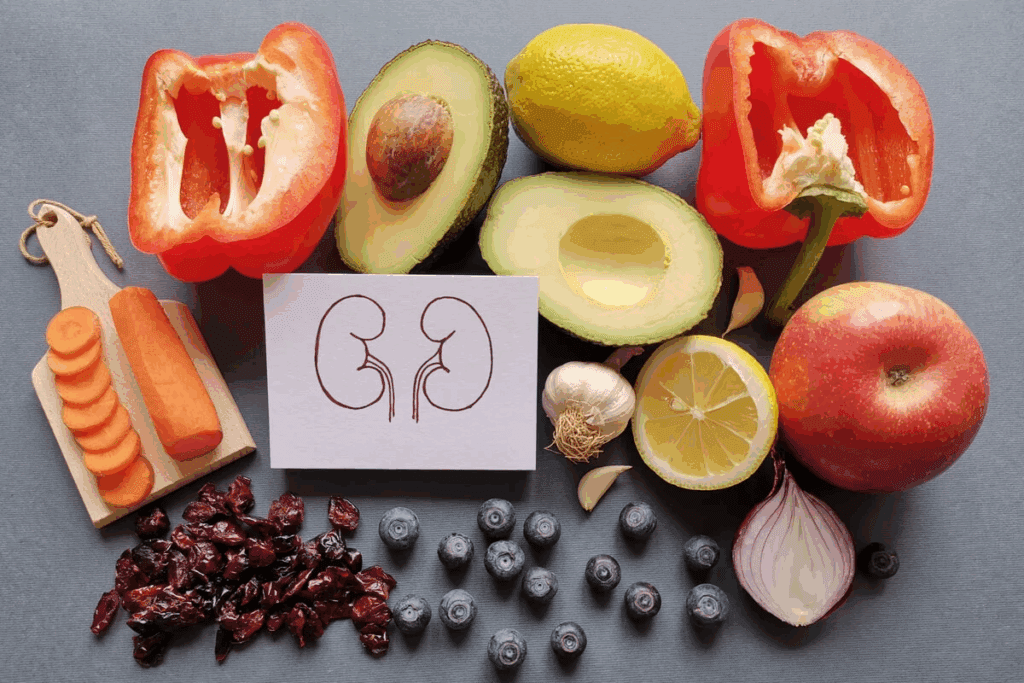
Finding the right foods for kidney stone prevention can be tough. But, knowing the best foods can change how you care for your kidneys. Kidney stones affect millions worldwide, making what we eat very important for prevention and treatment. Asking ‘which bread is safe for kidney stones’? Our simple guide gives you the best, safest options and foods to avoid for an oxalate diet.
The NationalKidney Foundation says 19% of men and 9% of women in the U.S. get kidney stones. Eating the right foods can help keep your kidneys healthy. We’ll look at the top foods for avoiding kidney stones, like good beans and veggies, and how they fit into a nephrolithiasis diet.
Key Takeaways
- Diet plays a key role in stopping kidney stones.
- Certain beans and vegetables are good for your kidneys.
- Choosing the right bread is part of a kidney-friendly diet.
- A well-thought-out diet can lower kidney stone risk.
- Adding calcium-fortified foods helps kidney health.
Understanding Kidney Stones and Their Dietary Connection

Kidney stones are a big health issue in the U.S. They can be lessened by changing what we eat. These stones are hard, mineral-based deposits that form in the kidneys. They often tie back to our diet.
The Prevalence of Kidney Stones in America
Kidney stones hit a lot of Americans. About 1 in 11 people will get them at some point. It’s more common in some groups and has been going up over years.
Many things contribute to more kidney stones, like what we eat, how much we drink, and our genes. Knowing these helps us find ways to stop them.
Calcium-Oxalate Stones: Why Diet Matters
Most kidney stones, about 80%, are calcium-oxalate. So, what we eat is very important for these. The amounts of calcium and oxalate we eat play a big role.
- Eating enough calcium can stop oxalate from being absorbed, lowering stone risk.
- But, eating too much oxalate can up the chance of getting these stones.
- Eating right can help lower the risk.
Key Nutritional Principles for Kidney Stone Prevention
To stop kidney stones, we need to watch what we eat and drink. Important diet tips include:
- Drink enough water: It helps dilute urine and lowers mineral concentration that can form stones.
- Eat the right amount of calcium: It’s good for health and lowers stone risk.
- Don’t overdo oxalate: Eat foods high in oxalate in small amounts.
- Keep sodium low: It helps keep calcium in urine down.
By following these diet tips, we can lower our chance of getting kidney stones a lot.
Which Bread is Safe for Kidney Stones: Complete Guide

Bread can play a big role in preventing kidney stones. But, not all breads are safe. Choosing the right bread is key to managing and preventing kidney stones.
Calcium-Fortified Breads: A Surprising Ally Against Stones
Calcium-fortified breads are great for preventing kidney stones. The calcium in these breads binds to oxalate in the gut. This reduces the oxalate absorbed into the bloodstream and urine, where it can form stones. Look for bread that is fortified with calcium to get this added benefit.
Cornbread: Low-Oxalate Traditional Option
Cornbread is a good choice for those at risk of kidney stones. It’s made from cornmeal and has less oxalate than wheat flour bread. Traditional cornbread recipes can be a healthy part of a kidney stone prevention diet. They should be made with minimal added sugars and healthy fats.
Oatmeal and Oat Bran Breads: Fiber-Rich Protection
Oatmeal and oat bran breads are high in fiber. This fiber can help bind to oxalate and reduce its absorption. These breads are good for kidney health and overall digestion. Incorporating oatmeal or oat bran bread into your diet can be a tasty way to support kidney health.
Bread Types to Limit or Avoid with Kidney Stones
While some breads are beneficial, others should be limited or avoided. Breads high in oxalate, such as those made with wheat bran or certain whole grains, can increase the risk of forming kidney stones. It’s also wise to limit breads with added sugars and refined flours. Being mindful of the ingredients and nutritional content can help you make informed choices.
When choosing bread, consider these factors:
- Calcium content: Opt for calcium-fortified bread.
- Oxalate levels: Choose breads that are lower in oxalate.
- Fiber content: High-fiber breads like oatmeal or oat bran can be beneficial.
- Ingredients: Avoid breads with excessive added sugars and refined flours.
By making informed choices about the bread you eat, you can take another step towards managing and preventing kidney stones.
Broccoli: The Kidney Stone-Fighting Vegetable
Broccoli is a strong ally against kidney stones. It’s packed with nutrients and has special benefits to stop kidney stones from forming.
Ideal Nutritional Profile for Kidney Health
Broccoli is low in oxalates. This is key in fighting kidney stones. Eating too much oxalate can lead to calcium-oxalate stones, the most common type. Broccoli helps lower this risk.
“A diet rich in vegetables like broccoli can play a big role in preventing kidney stones,” say health experts. Broccoli’s nutrients make it perfect for kidney health.
Potassium and Calcium Balance
Broccoli is a good source of potassium. Potassium helps keep body fluids balanced and supports kidney function. It also has calcium, important for strong bones and teeth, and helps kidneys filter better.
The potassium and calcium in broccoli are good for the kidneys. They help prevent stones by keeping kidneys working right.
Preparing Broccoli for Maximum Benefit
To get the most from broccoli, prepare it right. Steaming is best because it keeps nutrients in. Don’t overcook it, as that loses important nutrients. Cook until it’s tender but crisp.
- Steaming: Retains nutrients and is easy to digest.
- Roasting: Enhances flavor without losing nutritional value.
- Raw in salads: Provides a crunchy texture and maximum nutrient retention.
Adding broccoli to your meals in different ways can boost your kidney health. It helps lower the risk of kidney stones.
Kidney Beans: Beneficial Despite Their Name
Kidney beans can be a great addition to your diet to prevent kidney stones. Many people worry about kidney beans because of their name. But, they are safe and offer many health benefits for your kidneys.
The Truth About Kidney Beans and Kidney Stones
Kidney beans are loved worldwide for their protein and fiber. They do contain oxalates, but not as much as other beans. This makes them a safer choice for those at risk of kidney stones.
Studies show that kidney beans can help lower the risk of kidney stones. Their fiber content helps reduce oxalate absorption in the gut.
Nutritional Profile: Protein, Fiber, and Minerals
Kidney beans are a top choice for vegetarians and vegans because of their protein. They also have lots of fiber, which is good for blood sugar and digestion.
These beans are also rich in minerals like potassium, magnesium, and iron. These minerals are important for many body functions and can help prevent kidney stones.
Nutrient | Amount per 1 cup cooked | Benefit |
Protein | 15g | Supports overall health |
Fiber | 11g | Reduces oxalate absorption |
Potassium | 1128mg | Helps manage blood pressure |
Preparation Methods to Reduce Oxalate Content
There are ways to make kidney beans less oxalate-rich. Soaking and boiling can help. Also, cooking them well makes their nutrients easier to use by the body.
Eating a variety of foods can also help control oxalate intake. This balanced diet supports kidney health.
Chickpeas: A Versatile Option for Stone Prevention
Chickpeas are great for preventing kidney stones. They are packed with essential minerals and have a low oxalate content. This makes them a good choice for a kidney-friendly diet.
Oxalate Content and Mineral Balance in Chickpeas
Chickpeas have a low amount of oxalates, which is good for preventing kidney stones. They also have lots of potassium and magnesium. These minerals help keep your kidneys healthy.
Key nutritional benefits of chickpeas include:
- Low oxalate content
- High potassium levels
- Rich in magnesium
- Good source of dietary fiber
Incorporating Chickpeas into a Kidney-Friendly Diet
Adding chickpeas to your meals is easy and tasty. You can put them in salads, stews, curries, and casseroles. It’s important to cook chickpeas in ways that keep their nutrients.
Here are some tips for incorporating chickpeas into your diet:
- Rinse canned chickpeas to reduce sodium content
- Use chickpeas in salads with other kidney-friendly vegetables
- Add chickpeas to soups and stews for extra fiber and protein
Hummus and Other Beneficial Chickpea Preparations
Hummus is a tasty dip made from chickpeas. It’s made with chickpeas, tahini, garlic, and lemon juice. It’s not only yummy but also good for your kidneys. You can also try roasted chickpeas or chickpea salads for more ways to eat them.
- Roasted chickpeas as a crunchy snack
- Chickpea salads with kidney-friendly ingredients
- Chickpea-based soups and stews
Citrus Fruits: Nature’s Kidney Stone Inhibitors
Citrus fruits add flavor to our meals and help prevent kidney stones. They are full of citrate, a compound that stops stones from forming.
Lemons and Limes: Citrate-Rich Stone Fighters
Lemons and limes are full of citrate, making them great for stopping stones. The citrate in these fruits:
- Reduces calcium in urine
- Stops crystals from growing into stones
- Makes urine pH higher, which stops stones from forming
Adding lemons and limes to your diet is easy. Just drink lemon water daily or squeeze lime juice on your food.
Orange and Grapefruit Benefits for Kidney Health
Oranges and grapefruits are tasty and good for your kidneys. They are full of:
- Vitamin C, which fights off free radicals
- Fiber, which helps control blood sugar and insulin
- Potassium, which lowers blood pressure
Eating oranges and grapefruits helps your kidneys and lowers the risk of stones.
Daily Citrus Consumption Guidelines
To get the most from citrus fruits, eat them as part of a healthy diet. Here’s how:
- Drink lemon or lime juice mixed with water every day
- Eat oranges and grapefruits a few times a week
- Use citrus fruits in salads, desserts, and to flavor dishes
Eating citrus fruits regularly helps prevent kidney stones and keeps your kidneys healthy.
Berries: Low-Oxalate Fruit Options
Berries are not only tasty but also good for your kidneys. They have low oxalates and lots of antioxidants. This makes them great for preventing kidney stones.
Strawberries: The Kidney-Friendly Sweet Treat
Strawberries are perfect for those worried about kidney stones. They have low oxalate levels and lots of potassium. This helps stop stones from forming. Plus, they’re full of antioxidants and fiber, which is good for your kidneys.
Try strawberries as a snack, in salads, or in smoothies. They’re easy to add to your meals every day.
Blueberries and Their Antioxidant Benefits
Blueberries are packed with antioxidants that protect your kidneys. They also have low oxalate levels, which is good for those at risk of kidney stones.
The antioxidants in blueberries, like anthocyanins, help keep your kidneys healthy. They’re good for your overall health too.
Incorporating Berries into Your Kidney Stone Prevention Plan
Eating different berries can help prevent kidney stones. You can enjoy them in many ways: fresh, in oatmeal or yogurt, in smoothies, or on salads.
- Mix different types of berries for a antioxidant-rich salad.
- Add berries to your breakfast cereal or oatmeal.
- Blend berries into a refreshing and healthy smoothie.
- Use berries as a topping for your favorite desserts.
Adding berries to your diet is a tasty way to support your kidney health. It also helps lower the risk of kidney stones.
Creating a Complete Kidney Stone Prevention Diet
To prevent kidney stones, we need to think about what we eat every day. Eating a balanced diet and drinking enough water are key. We’ll talk about how to mix the right foods in your meals, why staying hydrated is important, and other foods that help your kidneys.
Balancing the 7 Best Foods in Your Daily Meals
To stop kidney stones, add the 7 best foods to your diet. These include safe bread, broccoli, kidney beans, chickpeas, citrus fruits, and berries. Mixing these foods in your meals helps a lot. For example, eating calcium-rich bread, broccoli, and citrus fruits can protect you from stones.
Here’s a simple way to mix these foods in a day:
- Breakfast: Oatmeal with sliced banana and lemon
- Lunch: Grilled chicken salad with chickpeas, broccoli, and citrus vinaigrette
- Dinner: Kidney bean stew with whole-grain bread and berries
Hydration: The Essential Companion to Diet
Drinking enough water is key for kidney health and preventing stones. Water helps dilute urine, making it less likely for minerals to form stones. Aim for 8-10 glasses of water a day, more if you’re active or live in a hot place.
“The importance of hydration cannot be overstated. Water is vital for keeping our kidneys healthy and preventing stones.”
Additional Foods to Consider for Kidney Health
There are more foods that help your kidneys. These include:
Food | Benefit |
Lean proteins | Reduces the risk of stone formation |
Low-fat dairy | Provides calcium, which can help prevent oxalate stones |
Whole grains | Rich in fiber, which can help reduce oxalate absorption |
Eating these foods and staying hydrated can lower your risk of kidney stones. A good diet, enough water, and a healthy lifestyle are all part of keeping your kidneys healthy.
Conclusion: Maintaining Kidney Health Through Dietary Choices
We’ve looked at different foods that help prevent kidney stones and keep our kidneys healthy. Eating the right foods can greatly lower the chance of getting kidney stones.
Choosing the right foods is key to avoiding kidney stones. Foods high in calcium, fiber, and citrate can stop stones from forming. We’ve found that certain breads, veggies, beans, fruits, and berries are good for our kidneys.
It’s important to eat balanced meals and drink plenty of water to keep our kidneys healthy. Making smart food choices helps us prevent kidney stones and keep our kidneys in good shape.
By eating foods that are good for our kidneys and watching what we eat, we can lower the risk of kidney stones. Our food choices greatly affect our kidney health. Making the right food choices can help us live a healthier life.
FAQ
Are kidney beans good for kidney stone patients?
Kidney beans are good because they have lots of fiber and protein. But, they also have oxalates. Soaking and boiling them can lower the oxalates, making them safer.
Is broccoli good for kidney stones?
Yes, broccoli is good for preventing kidney stones. It has lots of potassium and calcium but not much oxalate. It’s a healthy choice for a kidney-friendly diet.
Which bread is safe for kidney stones?
Safe breads include calcium-fortified, cornbread, and oatmeal or oat bran bread. These have low oxalates or lots of calcium, helping prevent stones.
Can citrus fruits help prevent kidney stones?
Yes, citrus fruits like lemons, limes, oranges, and grapefruits are good. They have lots of citrate, which helps prevent stones. Eating them daily can help prevent stones.
Are chickpeas a good option for kidney stone prevention?
Chickpeas are good for kidney health. They have a good mineral balance and not much oxalate. You can eat them in many ways, like hummus.
How can berries help with kidney stone prevention?
Berries like strawberries and blueberries are low in oxalates and full of antioxidants. They’re a great addition to a diet that aims to prevent kidney stones.
What are the key dietary principles for preventing kidney stones?
Eat foods low in oxalates, high in calcium, and rich in citrate. Also, drink plenty of water to prevent kidney stones.
How can I balance the recommended foods in my daily meals?
Mix a variety of recommended foods in your meals for a balanced diet. Talking to a healthcare provider or dietitian can help make a diet plan that fits your needs.
Is castor oil high in oxalates?
Castor oil isn’t a big source of oxalates. It’s mainly used for health reasons. But, it’s not recommended for preventing kidney stones.
What vegetables are good for kidney stones?
Vegetables like broccoli are good because they’re nutritious. Other low-oxalate, high-potassium, and calcium-rich veggies are also good.
What is a good diet for people with kidney stones?
A good diet includes calcium-fortified foods, low-oxalate veggies, citrus fruits, and chickpeas. Also, drink plenty of water to manage and prevent kidney stones.
References
National Center for Biotechnology Information. Evidence-Based Medical Guidance. Retrieved from https://www.ncbi.nlm.nih.gov/pmc/articles/PMC9410446/