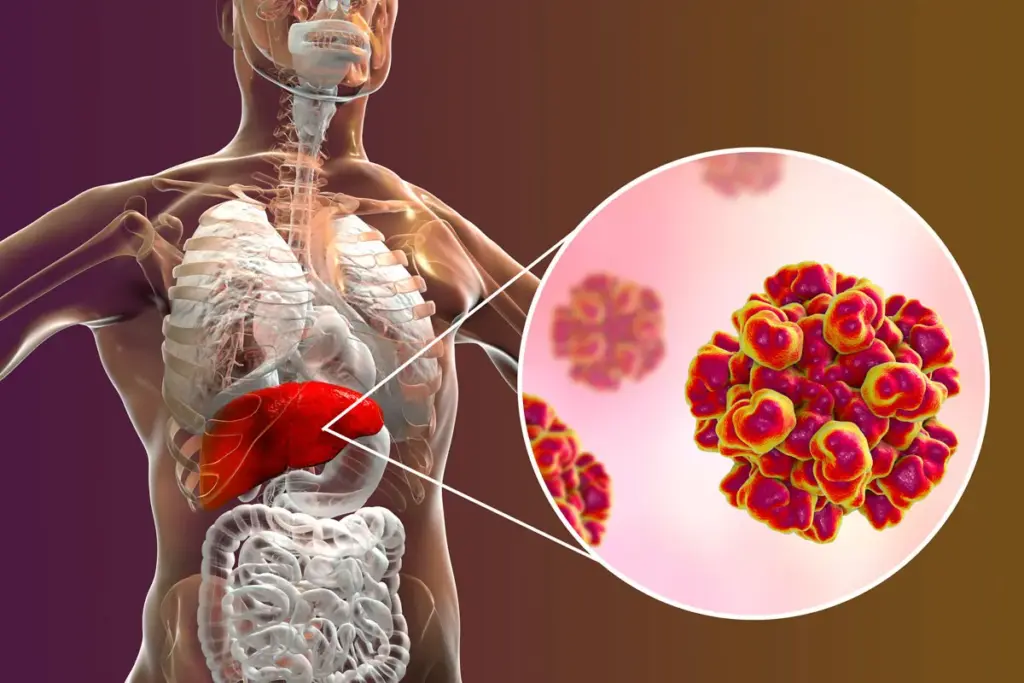
Getting diagnosed with Hepatitis B or C can be scary. It’s important to know the risks and differences between these viruses. Both can harm the liver, but they spread and affect the body in different ways.
Hepatitis B and C are big health problems worldwide. About 296 million people live with chronic Hepatitis B, and around 170 million have Hepatitis C. Both can damage the liver and increase the risk of liver cancer. Knowing how they differ is key to understanding their health impact.
We’ll look at what makes Hepatitis B and C unique. This includes how they spread and how well they can be treated. We aim to give you a full picture of these diseases.
Key Takeaways
- Hepatitis B and C are both viral infections that cause liver inflammation.
- The global prevalence of Hepatitis B is higher, with approximately 296 million people affected.
- Hepatitis C is more likely to become a chronic infection.
- Both viruses can lead to serious liver damage and potentially liver cancer.
- Understanding the differences between Hepatitis B and C is important for making good health choices.
Understanding Hepatitis B and C Basics

It’s important to know about Hepatitis B and C to understand their impact on health worldwide. These viral infections harm the liver and affect many people. We’ll look at how common they are, their effects, and how they harm the liver.
Global Prevalence and Impact
Hepatitis B and C are big health problems worldwide. About 296 million people live with chronic Hepatitis B, and 170 million have Hepatitis C. Hepatitis B spreads through bodily fluids and from mother to child. Hepatitis C mainly spreads through blood contact.
For more info on Hepatitis B, check out the Centers for Disease Control and Prevention. They offer detailed info on the virus, how it spreads, and how to prevent it.
| Viral Infection | Global Prevalence (approx.) | Primary Transmission Routes |
| Hepatitis B | 296 million | Bodily fluids, mother-to-child |
| Hepatitis C | 170 million | Blood-to-blood contact |
How These Viral Infections Affect the Liver
Hepatitis B and C cause liver inflammation, which can damage the liver severely over time. This can lead to cirrhosis, liver failure, or cancer. The liver’s important functions, like detoxification and making proteins, are harmed as the disease worsens.
Liver damage progression can vary. Some people see quick damage, while others may not show symptoms for years. Finding and treating the disease early is key to preventing long-term liver damage.
It’s vital to know the differences between Hepatitis B and C to fight these diseases effectively. By understanding how they spread and their effects on the liver, we can tackle these health issues better.
Key Hep B and C Differences in Transmission and Infectiousness
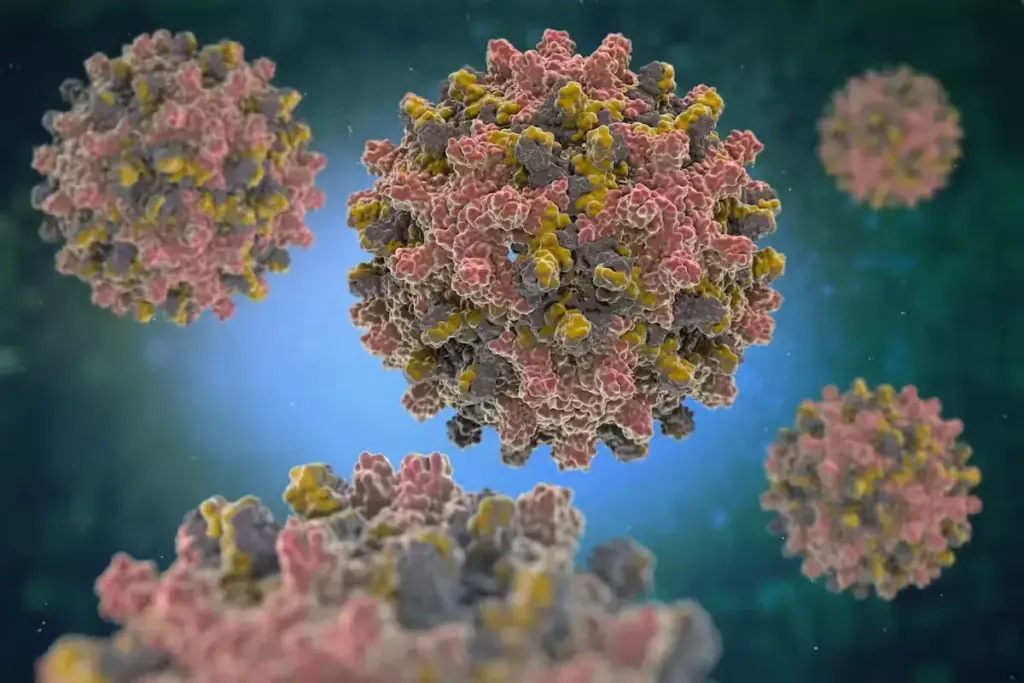
Hepatitis B and C spread in different ways, affecting public health differently.
Hepatitis B Transmission Routes and Risk Factors
Hepatitis B spreads through bodily fluids like blood, saliva, and semen. This means exposure to infected blood and mother-to-child transmission during birth are big risks. Unprotected sex with someone who has it also increases the risk.
Sharing personal items like razors or toothbrushes can also spread the virus, though it’s rare.
Hepatitis C Transmission Routes and Risk Factors
Hepatitis C mainly spreads through blood-to-blood contact. This includes sharing needles or getting contaminated blood transfusions. It can also spread through sexual contact if there’s blood involved.
Healthcare workers might get infected if they’re exposed to infected blood through needlestick injuries or other breaches in infection control.
Comparative Infectiousness and Environmental Survival
Hepatitis B is much more infectious than Hepatitis C, being 5-10 times more infectious. It can survive on surfaces for at least seven days and stays infectious during this time.
This difference in infectiousness is key to understanding the risk of transmission in different settings.
| Virus | Primary Transmission Routes | Infectiousness | Survival on Surfaces |
| Hepatitis B | Bodily fluids, mother-to-child | High | At least 7 days |
| Hepatitis C | Blood-to-blood contact | Lower | Unknown/Not significant |
Knowing these differences is vital for creating effective prevention strategies and public health policies.
Comparing Severity and Long-Term Health Outcomes
Hepatitis B and C have different effects on health. It’s important to look at liver damage, cancer risk, and death rates. These factors show how each virus impacts health over time.
Liver Damage Progression Patterns
Hepatitis B and C can both harm the liver, but in different ways. Hepatitis B can cause fast liver damage, leading to cirrhosis without warning. Hepatitis C may take longer to cause cirrhosis but can lead to liver cancer.
Hepatitis B can damage the liver quickly, often without symptoms until it’s too late. Hepatitis C’s damage happens slowly, giving a chance for early treatment.
Cancer Risk and Mortality Rates
Hepatitis B is linked to a higher risk of liver cancer and death globally. People with chronic Hepatitis B face a higher risk of liver cancer.
Mortality rates for Hepatitis B-related liver disease are high, showing the need for early treatment. While Hepatitis C is also dangerous, better treatments have improved its outcomes.
Detection and Warning Signs
Early detection of Hepatitis B and C is key to managing them. Yet, both can be silent for years, making regular screening important for those at risk.
Signs like jaundice, fatigue, and abdominal pain may not always appear. Regular testing is vital for those at risk, as it can greatly improve health outcomes.
- Knowing the differences between Hepatitis B and C is key to effective treatment.
- Both viruses have significant long-term effects on liver health.
- Early detection and treatment can greatly improve health for those with either virus.
Conclusion: Prevention and Treatment Options
Knowing the differences between Hepatitis B and C is key to taking the right steps. When deciding between the two, it’s important to look at prevention and treatment. Hepatitis B has a vaccine, and treatments like Tenofovir and Entecavir can slow the virus. But, there’s no cure for chronic infection yet.
Hepatitis C, on the other hand, can be cured with new medicines. These treatments have over 90% success rates. The difference in treatment shows why getting the right diagnosis and treatment plan is so important. For more info, check out Felix Hospital’s blog.
Prevention is the best way to fight these viruses. For Hepatitis B, getting vaccinated is a must. For Hepatitis C, reducing harm is key. Knowing the differences helps us take the right steps to prevent and treat these diseases. We stress the need for early screening and treatment to fight these viruses well.
FAQ
What is the main difference between Hepatitis B and C?
Hepatitis B and C are both viral infections that affect the liver. Hepatitis B spreads through bodily fluids and from mother to child. Hepatitis C mainly spreads through blood contact.
Which is more infectious, Hepatitis B or C?
Hepatitis B is more infectious than Hepatitis C. It can spread through various bodily fluids, making it more contagious.
What are the global prevalence and impact of Hepatitis B and C?
About 296 million people worldwide live with chronic Hepatitis B. Around 170 million have Hepatitis C. Both can cause serious liver damage and liver cancer.
Can Hepatitis B and C be prevented?
Hepatitis B can be prevented with a vaccine. But, there’s no vaccine for Hepatitis C. To prevent both, avoid contact with infected bodily fluids and blood.
What are the treatment options for Hepatitis B and C?
Hepatitis B can be treated with antiviral medications, but there’s no cure for chronic infection. Hepatitis C can be cured with modern antiviral medications.
Which Hepatitis is more likely to cause liver-related cancer and death?
Hepatitis B is more likely to cause liver-related cancer and death than Hepatitis C.
How are Hepatitis B and C detected?
Detection involves blood tests for the virus or antibodies. Early detection is key for effective management and treatment.
What are the warning signs of Hepatitis B and C infection?
Symptoms include fatigue, jaundice, and abdominal pain. Many people with Hepatitis B or C may not show symptoms until the disease is advanced.
Is Hepatitis B or C worse?
Both are serious, but Hepatitis B is more infectious and more likely to cause liver cancer and death. The severity and outcomes depend on health and treatment effectiveness.
Can Hepatitis B and C be transmitted together?
Yes, it’s possible to be co-infected with both Hepatitis B and C. This can complicate treatment and worsen outcomes.
How can Hepatitis B and C be managed effectively?
Effective management involves prevention, screening, and timely treatment. For Hepatitis B, antiviral medications can manage the infection. Hepatitis C can be cured with antiviral therapy.
Preventing the spread of hepatitis B and C viruses: Where are germicides relevant? American Journal of Infection Control, 29(3), 187–197. https://doi.org/10.1067/mic.2001.114233