
Seeing white patches on your tongue or mouth can worry you. It’s important to know why they happen to keep your mouth healthy. We take your concerns seriously and aim to solve them carefully. Have white on the side of the tongue? This guide explores 7 alarming causes, from leukoplakia to oral thrush, and when to see a doctor.
Oral leukoplakia is a serious issue with white patches in your mouth. At Liv Hospital, we use the latest tests and care with kindness to understand your mouth health.
Oral leukoplakia could lead to serious problems, so getting a doctor’s opinion is key. Our team focuses on you, giving you all the help and advice you need during your treatment.
Key Takeaways
- Oral leukoplakia is a condition characterized by white patches or plaques in the oral cavity.
- Professional evaluation is necessary to determine the cause of white patches in the mouth.
- Oral leukoplakia is potentially malignant and requires timely medical attention.
- Liv Hospital offers advanced diagnostic protocols and compassionate care for oral health concerns.
- A patient-centered approach ensures you get full support during diagnosis and treatment.
Understanding White Patches in the Oral Cavity
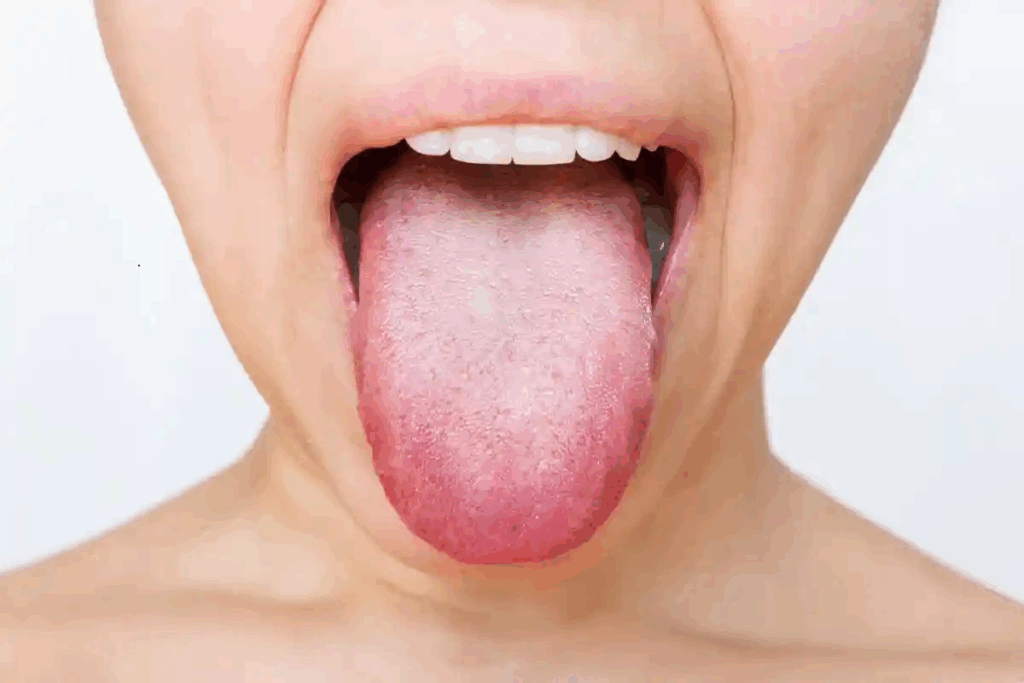
Oral leukoplakia is a condition that shows up as white patches in the mouth. It’s a sign that could lead to cancer and is a worry for those who see it. We’ll look into what oral leukoplakia is, how common it is, and who it usually affects.
Definition and General Overview
Oral leukoplakia is a white patch or plaque that can’t be rubbed off. It happens when the mouth is irritated a lot. It can show up anywhere in the mouth, like on the tongue, cheeks, and lips. The exact reason it happens is not always clear, but smoking, drinking alcohol, and HPV infection are known risks.
A study in a medical journal says leukoplakia is a sign of a possible cancer. The look of the patches can change, with some being the same color all over and others not. This might mean they are more likely to turn into cancer.
Prevalence and Demographics
Oral leukoplakia is rare, affecting less than 5% of people worldwide. But, it’s more common in some places and groups. For example, it’s more common where people smoke a lot or chew betel nuts. It’s also more common in men than women, and mostly in older men.
Region | Prevalence (%) | Common Risk Factors |
South Asia | 4.5% | Tobacco, betel nut |
Europe | 2.5% | Tobacco, alcohol |
North America | 1.8% | Tobacco, HPV |
Knowing who is at risk and why is key to catching oral leukoplakia early. It’s important to watch for signs of cancer and avoid things that can cause it.
Types of White Patches That Can Appear in Your Mouth
White patches in the mouth can come from different causes. Knowing these can help doctors find the right treatment.
Oral Leukoplakia
Oral leukoplakia shows up as white patches on the mouth’s lining. These patches don’t come off easily and often happen due to irritation. It’s a sign that could lead to cancer if not treated.
It’s not always clear why oral leukoplakia happens. But it’s often linked to smoking and drinking too much alcohol. Other things like rough teeth or dental appliances can also cause it.
Oral Hairy Leukoplakia
Oral hairy leukoplakia creates fuzzy white patches on the tongue’s sides. It mostly affects people with weak immune systems, like those with HIV/AIDS. It’s linked to Epstein-Barr virus.
This condition is usually not dangerous but shows a person’s immune system is weak. People with it should see a doctor to keep their health in check.
Oral Thrush (Candidiasis)
Oral thrush makes creamy white patches or spots in the mouth or on the tongue. It’s caused by the fungus Candida albicans. It can happen to anyone but is more common in babies, older people, and those with weak immune systems or on antibiotics.
Doctors treat oral thrush with antifungal meds. Keeping your mouth clean and avoiding things that let Candida grow can help stop it.
White patches in the mouth can mean different things. It’s important to see a doctor to find out why and get the right treatment.
“The diagnosis of white patches in the mouth requires a thorough check-up and might need a biopsy. This helps find the cause and decide on the best treatment.” — Expert in Oral Medicine
Common Causes of White Patches on Tongue and Mouth
It’s important to know why white patches appear on the tongue and mouth. These patches can signal health problems, from simple infections to serious conditions. We’ll look at the main causes, including lifestyle habits and infections.
Tobacco and Alcohol Use
Using tobacco and alcohol can lead to white patches in the mouth. Non-viral leukoplakia is strongly linked to tobacco use, with over 80% of cases linked to smoking. Drinking alcohol, along with smoking, raises the risk even more. These habits can cause long-term irritation, leading to white patches.
“The use of tobacco products is the most significant risk factor for oral leukoplakia, a condition characterized by white patches in the mouth.”
Quitting tobacco and cutting down on alcohol are key steps to avoid white patches and other mouth problems.
Viral Infections
Viral infections, like HPV and HSV, can cause white patches in the mouth. Oral hairy leukoplakia, linked to Epstein-Barr virus (EBV), shows up as white patches on the tongue sides.
Fungal Infections
Fungal infections, mainly from Candida, can cause oral thrush. This shows as white patches on the tongue and elsewhere in the mouth. Risks include antibiotics, weakened immune systems, and poor oral care.
Knowing these causes helps prevent and manage white patches in the mouth. By changing lifestyle habits and treating infections, people can lower their risk.
White on the Side of the Tongue: Causes and Concerns
Seeing white patches on the tongue’s side is a sign that needs to be checked out. We’ll look into what might cause this symptom. We’ll also talk about the different health issues linked to it.
Distinguishing Features
White patches on the tongue can look different based on the cause. For example, oral hairy leukoplakia makes the tongue look fuzzy with white patches. These patches might not hurt but show a health problem, like Epstein-Barr virus, in people with weak immune systems.
Oral leukoplakia shows as white patches that can’t be rubbed off. It’s often caused by long-term irritation. These patches could turn into cancer, so they need to be watched closely.
Associated Symptoms
White patches on the tongue can come with other signs, depending on the cause. For instance, people with oral thrush (candidiasis) might feel redness and soreness along with the white patches.
Those with oral hairy leukoplakia might just have the white patches. But people with oral leukoplakia might feel discomfort or pain. This is because the patches can get irritated or rubbed.
Knowing these symptoms is key to figuring out why there are white patches on the tongue. It’s best to see a doctor for a proper check-up and treatment.
White Patches on Different Parts of the Mouth
White patches can show up in different places in the mouth, like the roof, cheeks, and under the tongue. Each spot might have its own reason for being there. Knowing what these patches mean can help figure out why they’re there and how to treat them.
Roof of Mouth (White Patch Roof of Mouth)
A white patch on the roof of your mouth could be from many things. It might be from dental appliances or sharp teeth, or even conditions like oral thrush or leukoplakia. The roof of your mouth is not a common place for these patches, so they’re worth paying attention to.
Causes and Concerns: These patches could be from irritation, infection, or even something that might turn into cancer. It’s important to get a close look to find out why.
Inside Cheeks (Tiny White Bumps Inside Cheek)
Small white bumps on the inside of your cheek can come from many things. They might be harmless like Fordyce granules, or they could be something more serious like oral lichen planus or leukoplakia. These bumps can be uncomfortable and worry some people.
Distinguishing Features: The size, shape, and how they feel can tell you a lot about what they are. For example, Fordyce granules are usually small, don’t hurt, and are extra sebaceous glands.
Under the Tongue (Spot Under Tongue White)
A white spot under your tongue could mean a few things, like a ranula (a type of mucocele), oral thrush, or something else. The spot under your tongue is important because it can be linked to the sublingual gland or other areas.
Diagnostic Considerations: To figure out what it is, doctors will look at the spot’s size, color, and if it hurts. They might need to do more tests to find out for sure.
Location | Possible Causes | Characteristics |
Roof of Mouth | Irritation, Oral Thrush, Leukoplakia | White patch, potentially painful |
Inside Cheeks | Fordyce Granules, Oral Lichen Planus, Leukoplakia | Tiny white bumps, may be painless or painful |
Under the Tongue | Ranula, Oral Thrush | White spot, potentially swollen or painful |
Is Leukoplakia Dangerous? Understanding the Risks
It’s important to know about leukoplakia’s dangers for good oral health. Leukoplakia is seen as a condition that could turn into cancer. Some factors make it more likely to become serious.
Potential for Malignancy
Leukoplakia can turn into cancer, but not all cases do. The chance of it becoming cancer depends on several things. These include how the lesion looks and where it is in the mouth.
Risk Factors for Progression
There are several things that can make leukoplakia worse. These include:
- Tobacco use: Smoking or using tobacco products harms the mouth’s lining.
- Alcohol consumption: Drinking too much alcohol, with or without tobacco, raises the risk.
- Presence of dysplasia: Lesions with dysplastic changes are more likely to turn into cancer.
Knowing these risk factors helps us understand the danger of leukoplakia for each person.
Diagnosing White Patches in the Mouth
Diagnosing white patches in the mouth starts with a detailed check-up. When you see a healthcare professional about white patches, they will start by examining you closely.
Physical Examination
The first step is a physical check. The doctor will look at your mouth, noting the size and where the patches are. They might also ask about your health history and lifestyle.
Key aspects of the physical examination include:
- Inspecting the tongue, inside cheeks, lips, and other areas of the mouth
- Noting any other oral lesions or abnormalities
- Assessing for signs of infection or inflammation
Biopsy and Other Diagnostic Tests
Sometimes, a simple check isn’t enough. Your doctor might suggest more tests, like a biopsy.
A biopsy takes a small tissue sample for a closer look. This can spot issues like oral leukoplakia or cancer.
Diagnostic Test | Purpose |
Biopsy | To examine tissue for abnormal cell changes |
Oral Swab | To check for infections such as candidiasis |
Blood Tests | To assess overall health and detect underlying conditions |
A medical expert says, “A quick and correct diagnosis is key to treating white patches in the mouth.”
“Early detection through proper diagnosis can significantly improve treatment outcomes for patients with oral lesions.”
Healthcare providers use a detailed check-up and tests to find out what’s causing white patches. This helps them create a good treatment plan.
Treatment Options for Oral White Patches
Knowing why you have oral white patches is key to finding the right treatment. The treatment depends on the cause, how bad it is, and the risk it carries.
Medical Treatments
For many, medical treatments are the first step. They aim to fix the root cause, like a fungal or viral infection.
Fungal Infections: Oral thrush, caused by fungus, is treated with antifungal meds. These can be lozenges, liquids, or tablets.
Viral Infections: Viral infections, like Epstein-Barr virus, need antiviral meds.
Condition | Treatment |
Oral Thrush | Antifungal medications |
Oral Hairy Leukoplakia | Antiviral medications |
Surgical Interventions
Surgery might be needed if there’s a chance of cancer. Leukoplakia can turn into oral cancer.
Removal of White Patches: For risky leukoplakia, removing patches is advised. Laser surgery is one method.
It’s important to keep up with your doctor’s visits. This helps adjust your treatment plan as needed.
Dealing with oral white patches can be scary. Knowing your treatment options helps you make better health choices.
Managing Symptoms and Discomfort
White patches in the mouth, like those from leukoplakia, can sometimes hurt. This means we need good ways to handle it. Even though leukoplakia often doesn’t hurt, some people might feel pain or discomfort. This is more likely if the patches get irritated or infected.
Is Leukoplakia Painful? Understanding Discomfort
Leukoplakia itself usually doesn’t hurt. But, things like thick or cracked patches can cause irritation. “The presence of leukoplakia can sometimes be a sign of an underlying issue that may need medical attention,” say doctors.
Discomfort can come from how big or where the patches are. Also, any infections can make it worse. It’s key to watch these patches and get medical help if you feel pain or discomfort.
Relief Measures for Painful White Patches
There are ways to ease the pain from white patches in the mouth. Keeping your mouth clean is very important. It helps stop infections that can make things worse. Using a soft toothbrush and avoiding spicy or acidic foods can also help.
- Avoiding tobacco and alcohol, which are known irritants.
- Rinsing with saltwater or using topical anesthetics to numb the area.
- Applying topical creams or gels that protect the mucous membranes.
If the pain doesn’t go away or is really bad, see a doctor. They can give you specific advice and treatment. This includes fixing any problems that might be causing the pain.
Prevention Strategies for Oral White Patches
To prevent oral white patches, it’s important to understand and lower the risk factors. By taking certain steps, people can greatly reduce their chance of getting these patches.
Lifestyle Modifications
Choosing a healthy lifestyle is key to avoiding oral white patches. Avoiding tobacco and drinking less alcohol are top ways to lower your risk. Tobacco is a big risk factor for oral leukoplakia, and quitting can greatly lower this risk.
Eating a balanced diet is also important. Foods rich in fruits, vegetables, and vitamins help keep your mouth healthy. Some research shows that not getting enough nutrients can increase the risk of oral lesions.
Oral Hygiene Practices
Good oral hygiene is vital to prevent oral white patches. This means brushing teeth at least twice a day with fluoride toothpaste and flossing every day to remove plaque and food. Regular dental visits are also key for catching and treating any oral issues early.
It’s also important to watch your mouth and tell your doctor about any changes or worries. This way, you can catch and manage problems early, before they turn into oral white patches.
By making healthy lifestyle choices and practicing good oral hygiene, you can lower your risk of oral white patches. This helps keep your mouth healthy overall.
When to See a Healthcare Professional
Knowing when to see a doctor for white patches in your mouth is key. Some symptoms and changes in your mouth need a doctor’s check-up.
Warning Signs and Red Flags
There are warning signs that mean you should see a doctor. These include:
- Persistent white patches that don’t go away in a few weeks.
- Changes in the appearance of the patches, like getting thicker or harder.
- Pain or discomfort from the patches, if it’s bad or lasts a long time.
- Difficulty swallowing or speaking because of the patches or other mouth issues.
- Bleeding from the patches or other mouth issues.
What to Expect During Your Appointment
When you see a doctor for mouth white patches, expect a detailed check-up. Here’s what usually happens:
Procedure | Description |
Medical History | The doctor will ask about your health history, like past mouth problems, smoking, or drinking. |
Oral Examination | The doctor will check your mouth, tongue, cheeks, and other areas to look at the patches and other issues. |
Diagnostic Tests | The doctor might do tests, like a biopsy, to find out why you have white patches. |
Treatment Plan | After finding out what’s wrong, the doctor will suggest a treatment plan. This could include medicine, changes in your lifestyle, or other steps. |
By knowing when to get help and what to expect, you can better take care of your mouth health.
Conclusion: Managing and Monitoring Oral Health
Managing oral health means keeping an eye on it and taking action when needed. White patches on the tongue and mouth can come from infections, irritants, or even cancer. Knowing what causes these patches is key to treating them right.
Our company mission is to offer top-notch healthcare to everyone, including international patients. We focus on preventing oral health problems, catching them early, and creating treatment plans that fit each person. This way, we hope to make our patients healthier and happier.
Good oral health needs more than just brushing and flossing. It also means changing your lifestyle and getting professional help. We promise to give our patients the best care possible. We want to help them keep their mouths healthy.
FAQ
What is oral leukoplakia?
Oral leukoplakia is a condition with white patches in the mouth. It can be a sign of cancer.
Is leukoplakia dangerous?
Yes, leukoplakia can lead to cancer. Its danger depends on the presence of dysplasia and the patient’s health.
What causes white patches on the tongue and mouth?
White patches can come from tobacco, alcohol, viruses, or fungi.
What is the difference between oral leukoplakia, oral hairy leukoplakia, and oral thrush?
Oral leukoplakia is a cancer risk. Oral hairy leukoplakia is linked to Epstein-Barr virus and affects those with weak immune systems. Oral thrush is a fungal infection.
Are white patches on the tongue and mouth painful?
Pain varies by cause. Oral thrush can hurt, while leukoplakia might not.
How are white patches in the mouth diagnosed?
A doctor will examine you and might take a biopsy. This helps find the cause and check for cancer.
What are the treatment options for oral white patches?
Treatment varies by cause. It can be medicine for fungus or surgery for cancer risk.
Can white patches on the tongue and mouth be prevented?
Yes, by avoiding tobacco and alcohol, brushing well, and seeing the dentist regularly.
When should I see a healthcare professional about white patches in my mouth?
See a doctor for persistent or changing patches. Early check-ups are key.
What can I expect during my appointment for white patches in the mouth?
A doctor will examine you and might do tests. This helps find the cause and plan treatment.
Are white patches under the tongue a concern?
Yes, they can signal a problem like leukoplakia or a fungus.
Can I have a white patch on the roof of my mouth?
Yes, white patches can appear on the roof. Causes include leukoplakia or thrush.
What does a white spot inside my cheek mean?
A white spot can mean leukoplakia, lichen planus, or injury.
References
National Center for Biotechnology Information. Evidence-Based Medical Guidance. Retrieved from https://www.ncbi.nlm.nih.gov/books/NBK563268/
Government Health Resource. Evidence-Based Medical Guidance. Retrieved fromhttps://www.cancer.gov/types/head-and-neck/patient/head-neck-treatment-pdq#section/_21