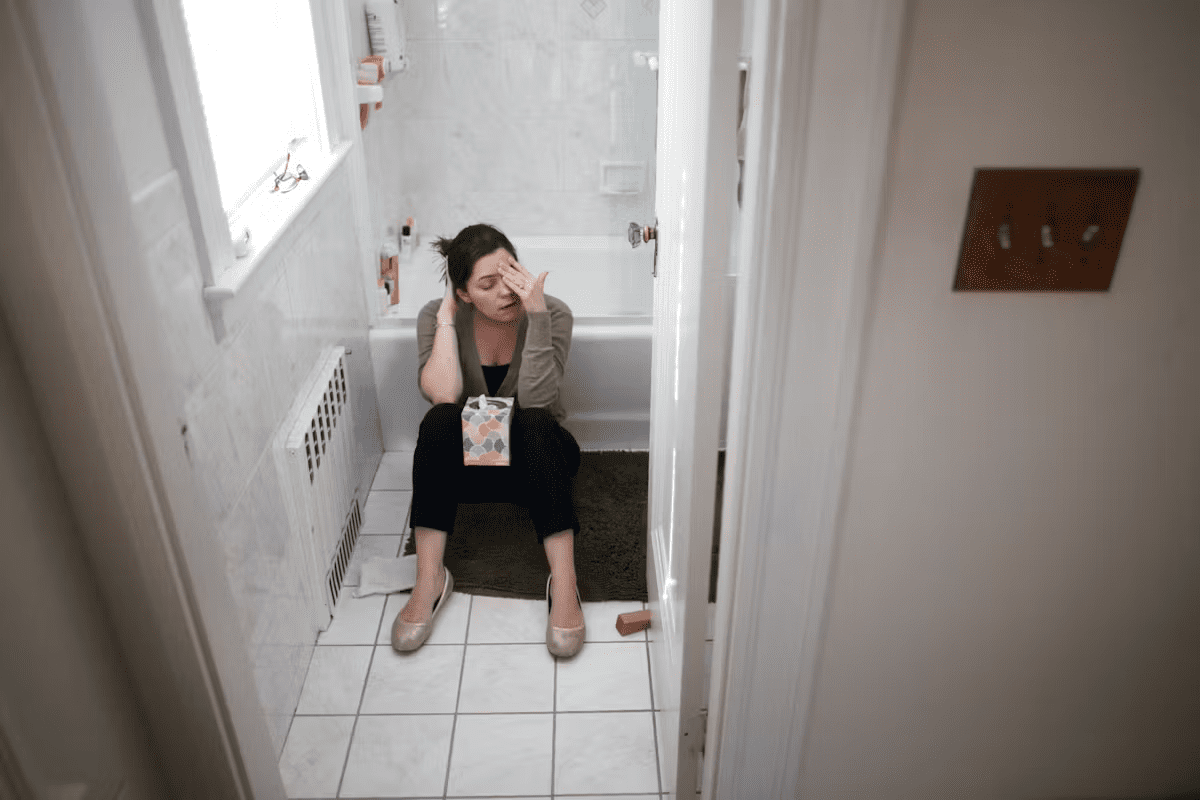
Having watery diarrhea often can be scary and mess up your day. It’s when you have three or more loose stools a day. This problem affects millions worldwide, making it a big health issue. Wondering “why am I defecating water?” This guide explores 7 alarming causes, from infection to IBS, and the best, proven fixes for fast relief.
At Liv Hospital, we know liquid diarrhea might mean there’s something wrong. It could be from viruses like norovirus or from conditions like celiac disease and irritable bowel syndrome (IBS). Finding out why is key to fixing it.
We put our patients first by doing detailed tests and treatments. We aim to find out why you have watery diarrhea and help you get better.
Key Takeaways
- Watery diarrhea is defined as passing three or more loose or liquid stools per day.
- It’s a significant public health concern globally.
- Causes include infections and underlying medical conditions.
- Understanding the root cause is critical for treatment.
- Liv Hospital offers detailed tests and proven treatments.
Understanding Watery Diarrhea: Definition and Overview
Watery diarrhea is when you have loose, watery stools. It’s a common problem in the gut. We’ll look at what it is, how common it is, and its big impact on health.
Medical Definition of Watery Diarrhea
Watery diarrhea means stools that are loose and watery. You might go to the bathroom a lot. Doctors say it’s when you have more than three loose stools a day. It can happen for many reasons, like infections or what you eat.
Prevalence and Public Health Impact
Diarrheal diseases, like watery diarrhea, are big worries for health worldwide. Studies show watery diarrhea usually lasts less than two weeks. But, in places with bad sanitation, it affects millions.
It’s a big deal for health, causing sickness and death, mostly in kids and the old. It also costs a lot in healthcare and lost work.
Acute vs. Chronic Cases
Knowing how long watery diarrhea lasts is key. Acute watery diarrhea usually gets better in a few weeks. But, chronic watery diarrhea lasts more than four weeks. This might mean there’s a bigger health problem.
We split these types to know how to treat them. Acute cases might just need rest. But chronic cases need a deeper look to find the cause.
Why Am I Defecating Water? The Pathophysiology Explained

Normally, our digestive system absorbs nutrients and water from food. But, when we have diarrhea, this process goes wrong. The intestines are key in absorbing water and salts from the gut.
In a healthy body, the intestines soak up most of the water. This leaves a small amount to be passed as stool.
Normal Digestive Function vs. Diarrhea
Normally, the small intestine absorbs nutrients, and the colon absorbs water and salts. Diarrhea happens when this balance is off. This can be due to infections, food intolerances, or other health issues.
The digestive process breaks down food into smaller parts for absorption. The small intestine absorbs most nutrients, while the colon absorbs water and packs waste into stool. Diarrhea speeds up this process, leaving the colon unable to hold enough water, making stools watery.
How Water Balance Is Disrupted in the Intestines
The intestines keep water balance by absorbing it and salts. Diarrhea disrupts this by increasing water secretion or decreasing absorption. This can be due to toxins, inflammation, or other factors affecting the intestinal lining.
Toxins from bacteria can make the intestines secrete more water and salts, causing watery diarrhea. Viral infections can also damage the lining, making it hard to absorb water and nutrients.
Why Stools Become Liquid
Stools turn liquid when the intestines can’t absorb enough water. This can be due to infections, inflammation, or other health problems. Common causes include bacterial, viral, and parasitic infections from contaminated water or food.
When the intestines are infected or inflamed, they may secrete more water or fail to absorb it. This leads to diarrhea. In severe cases, it can cause frequent, watery stools, leading to dehydration if not treated.
Infectious Causes of Watery Diarrhea
It’s important to know what causes watery diarrhea. This condition can be caused by viruses, bacteria, and parasites. Each type affects the gut differently.
Viral Infections
Viral gastroenteritis happens when viruses attack the gut. This leads to watery diarrhea, cramps, and nausea. Rotavirus and Norovirus are common culprits.
Rotavirus is a big problem for kids under five. It spreads through poor hygiene and contaminated food or water.
Norovirus is very contagious. It causes severe vomiting and diarrhea. This can lead to dehydration if not treated.
Bacterial Infections
Bacteria also cause watery diarrhea. E. coli, Salmonella, and Shigella are common offenders.
- E. coli: Some strains produce toxins that cause severe diarrhea. Food and water contamination are common sources.
- Salmonella: It causes salmonellosis, with symptoms like diarrhea, fever, and cramps. It often comes from undercooked poultry and eggs.
- Shigella: Shigellosis is very contagious. It spreads through contaminated food, water, or direct contact. It causes bloody diarrhea, fever, and stomach cramps.
Parasitic Infections
Parasites can also lead to watery diarrhea. Giardia and Cryptosporidium are examples.
Parasite | Common Symptoms | Transmission |
Giardia | Diarrhea, gas, stomach cramps, nausea | Contaminated water, fecal-oral route |
Cryptosporidium | Watery diarrhea, stomach cramps, dehydration | Contaminated water, fecal-oral route |
Giardia and Cryptosporidium spread through contaminated water or food. They cause serious gut symptoms. Knowing these causes helps in preventing and treating watery diarrhea.
Food and Water Contamination: Common Sources
Drinking or eating unsafe food and water can cause sudden liquid diarrhea. These can carry harmful bacteria, viruses, and parasites. These invaders can upset your digestive system.
Unsafe Drinking Water
Drinking water with pathogens is a big risk for watery diarrhea. In places with bad sanitation and poor water treatment, the danger is higher. Giardia and Cryptosporidium are common in such water.
To stay safe, drink treated water. When in areas with questionable water, use filters or purification tablets. This can help avoid waterborne illnesses.
Improperly Handled Food
Not handling food right can also cause watery diarrhea. This includes not keeping food at the right temperature, not cooking it enough, and not staying clean while preparing it.
To avoid foodborne illnesses, handle food correctly. This means:
- Keeping food at the right temperature
- Cooking food well to kill germs
- Staying clean while preparing food
- Not mixing raw and cooked foods
Travel-Related Exposure (“Traveler’s Diarrhea”)
Traveler’s diarrhea is common in travelers to developing countries. It’s often from eating or drinking contaminated things. The risk is higher in places with different sanitation and water treatment.
Risk Factor | Description | Prevention Strategy |
Unsafe Drinking Water | Contaminated water sources harboring pathogens | Use water filters or purification tablets |
Improperly Handled Food | Food not stored or cooked properly | Ensure proper food handling and cooking practices |
Travel-Related Exposure | Consuming contaminated food or water while traveling | Avoid consuming undercooked food or untreated water; use bottled or filtered water |
Knowing these common contamination sources and taking steps to prevent them can lower your risk of watery diarrhea.
Non-Infectious Causes of Liquid Bowel Movements
Many non-infectious conditions can cause watery diarrhea. These conditions can be just as bad as infections. They can really disrupt your daily life.
Food Intolerances and Allergies
Food intolerances and allergies can cause watery diarrhea. For example, lactose intolerance makes it hard to digest dairy. Gluten intolerance or celiac disease can also lead to diarrhea and other stomach problems.
Allergies to certain foods can also cause an immune reaction. This can lead to diarrhea. It’s important to figure out and manage these food issues to feel better.
Common Food Intolerances:
- Lactose intolerance
- Gluten intolerance (Celiac disease)
- Fructose malabsorption
Inflammatory Bowel Disease
Inflammatory bowel disease (IBD) includes Crohn’s disease and ulcerative colitis. It causes long-term inflammation in the gut. This can mess up how the intestines work, leading to watery diarrhea.
“The chronic nature of IBD means that managing the condition is key to controlling symptoms like diarrhea.” – Gastroenterology Expert
Malabsorption Disorders
Malabsorption disorders happen when the body can’t absorb nutrients well. This can cause watery diarrhea. For example, not having enough digestive enzymes from the pancreas can lead to malabsorption and diarrhea.
Condition | Primary Effect | Diarrhea Mechanism |
Pancreatic Insufficiency | Reduced digestive enzymes | Malabsorption of fats and proteins |
Celiac Disease | Immune reaction to gluten | Damage to intestinal lining, malabsorption |
Medication Side Effects
Some medicines can cause watery diarrhea. Antibiotics can upset the balance of gut bacteria. Some antacids, like those with magnesium, can also cause diarrhea. Cancer treatments and other medicines can lead to the same problem.
If you have persistent or severe diarrhea, talk to your doctor. They can help find out if a medicine is causing the problem.
Sudden Liquid Diarrhea: Why It Happens
Sudden liquid diarrhea can come from many sources, like infections or what we eat. When it happens, we often worry and want to know why.
Knowing the reasons is key to treating it right. We’ll look at sudden causes, tell the difference between food poisoning and viral gastroenteritis, and know when it might be something serious.
Acute Onset Causes
Many things can cause sudden diarrhea, including:
- Viral or bacterial infections
- Food poisoning
- Contaminated water or food
- Travel-related exposure
These can quickly change how we go to the bathroom, making it watery. Finding out what caused it is important for the right treatment.
Food Poisoning vs. Viral Gastroenteritis
Food poisoning and viral gastroenteritis are common reasons for sudden diarrhea. They share symptoms but have different causes:
Cause | Characteristics |
Food Poisoning | Usually from bad food or drinks, often by bacteria like Salmonella or E. coli. |
Viral Gastroenteritis | Caused by viruses like Rotavirus or Norovirus, causing stomach and bowel inflammation. |
Knowing the difference helps in choosing the right treatment.
When to Suspect a More Serious Condition
While most sudden diarrhea goes away on its own, some cases need a doctor. We should worry if:
- Blood is in the stool
- There’s severe stomach pain
- Fever is high or lasts a long time
- Signs of dehydration show up
- Diarrhea lasts more than a few days
If any of these happen, seeing a doctor is a good idea to check for serious problems.
I Can’t Stop Pooping Liquid: Dealing with Severe Cases
Severe watery diarrhea needs a full plan to tackle it. This includes knowing the causes, managing symptoms, and avoiding complications. If not treated right away, it can cause dehydration, imbalance of electrolytes, and serious health problems.
Causes of Diarrhea Every 10 Minutes
Diarrhea every 10 minutes is a sign of a serious gut problem. It can be caused by infections or other issues like food intolerance or inflammatory bowel disease. Sometimes, it’s a sign of a bigger health issue that needs doctor’s care.
Infectious causes include viruses like norovirus or rotavirus, bacteria like E. coli or Salmonella, and parasites like Giardia. These can mess up the intestines, causing fast and frequent bowel movements.
Managing Frequent Bowel Movements
Handling severe diarrhea means rehydrating, changing your diet, and sometimes taking medicine. It’s key to replace lost fluids and electrolytes to avoid dehydration. Oral rehydration solutions can help manage dehydration from diarrhea.
- Drink oral rehydration solutions or electrolyte-rich drinks to stay hydrated.
- Stay away from foods that make diarrhea worse, like spicy, fatty, or high-fiber foods.
- Try over-the-counter meds like loperamide to slow down bowel movements.
Complications of Severe Diarrhea
Severe diarrhea can cause dehydration, electrolyte imbalances, and malnutrition. If not treated, these can be deadly, mainly for kids, the elderly, and those with weak immune systems.
Dehydration is a big risk with severe diarrhea. It happens when you lose more fluids than you take in. This can lead to not enough water and essential fluids for the body. Signs of dehydration include too much thirst, dark urine, feeling dizzy, and in bad cases, shock.
Watery Diarrhea With No Other Symptoms: What It Means
Watery diarrhea by itself can make you wonder about your health. It can happen for many reasons, from eating something bad to a hidden health issue.
Common Causes of Isolated Diarrhea
Several things can cause watery diarrhea alone. Here are some common ones:
- Contaminated food or water
- Eating spicy or fatty foods
- Food intolerances, like lactose intolerance
- Stress or anxiety
- Certain medications
Finding out why you have it is key to feeling better. For example, if it’s from food, just avoiding that food can help.
When to Be Concerned About Symptom-Free Diarrhea
Watery diarrhea alone might not be serious, but sometimes it is. If it lasts too long, is very bad, or makes you feel very dehydrated, see a doctor.
A study found that long diarrhea can cause dehydration and imbalance of salts in the body. This is a big risk for the elderly and young kids.
“Diarrhea that lasts for more than 2 days in adults or 1 day in children should be evaluated by a healthcare professional to prevent complications.”
– American Medical Association
Possible Hidden Symptoms to Monitor
Even if you only have watery diarrhea, watch for other signs. These include:
Symptom | Description |
Abdominal pain | Cramping or tenderness in the abdomen |
Blood in stool | Presence of blood or black tarry stools |
Fever | Elevated body temperature above 100.4°F (38°C) |
Watching for these signs can tell you if you’re getting better or need to see a doctor.
In summary, watery diarrhea alone can have many causes. It’s important to know when to worry and what to watch for. If unsure, always talk to a doctor.
Dehydration: The Primary Risk of Liquid Diarrhea
Dehydration is a big risk with liquid diarrhea. It happens when we lose more fluids than we take in. This makes it hard for our body to work right.
Signs and Symptoms of Dehydration
Dehydration signs can vary. You might notice a dry mouth, dark urine, dizziness, or feeling very tired. In serious cases, it can cause a fast heartbeat, low blood pressure, and even fainting.
Electrolyte Imbalances and Their Effects
Dehydration often means we lose important electrolytes like sodium, potassium, and chloride. These help our nerves and muscles work. Without enough, we might get muscle cramps, feel weak, or have heart problems.
High-Risk Populations
Some groups are more at risk for dehydration. Kids and the elderly are often more vulnerable. Kids can get dehydrated fast because of their small size. The elderly might have health issues that make dehydration worse.
Monitoring Hydration Status at Home
At home, watch for signs like dark urine and dry mouth. Also, check for dizziness. Drinking lots of fluids, like electrolyte-rich solutions, is key. Keep track of how much you drink and pee to stay hydrated.
Diagnosis and Medical Assessment
Diagnosing watery diarrhea requires a detailed medical check-up to find the root cause. This step is key to picking the right treatment and care plan.
When to See a Doctor
If you have watery diarrhea that won’t go away or is very bad, you should see a doctor. Severe symptoms that mean you need to see a doctor right away include:
- Diarrhea that lasts more than 2 days
- Severe stomach pain
- Signs of dehydration (too thirsty, dark urine, feeling dizzy)
- Bloody stools
- Fever over 102°F (39°C)
Diagnostic Tests and Procedures
Healthcare providers use different tests to find out why you have watery diarrhea. These tests include:
Test | Purpose |
Stool Sample Analysis | To find out if there are harmful agents (bacteria, viruses, parasites) |
Blood Tests | To see if there’s an infection, inflammation, or other issues |
Endoscopy or Colonoscopy | To look at the lining of your intestines for any problems |
What Your Doctor Will Ask About
Your doctor will ask about your symptoms, health history, and other important details. This helps them figure out why you have watery diarrhea.
Red Flags Requiring Immediate Medical Attention
Some symptoms mean you need to see a doctor right away. These include severe dehydration, bloody stools, and signs of a serious condition.
It’s very important to get medical help if you’re not sure how bad your symptoms are or if you see any red flag symptoms.
Treatment Approaches for Watery Diarrhea
Treating watery diarrhea focuses on replacing lost fluids and electrolytes. It also aims to find the cause. Management includes rehydration, the right medication, and diet changes.
Rehydration Strategies
Rehydration is key in treating watery diarrhea. Oral rehydration solutions (ORS) are best. They have the right mix of salts and sugars for better fluid absorption.
- Use ORS as directed to replace lost fluids and electrolytes.
- In severe cases, intravenous fluids may be necessary.
Over-the-Counter Medications
OTC meds can help with watery diarrhea symptoms. These include:
- Anti-diarrheal medications like loperamide.
- Bismuth subsalicylate products.
But, always talk to a doctor before taking any meds. This is true for kids and pregnant women.
Prescription Treatments
For bacterial or parasitic infections, you might need prescription meds. The right treatment depends on the cause.
Dietary Modifications During Recovery
Your diet is important when you have watery diarrhea. Here’s what to do during recovery:
Food Type | Recommended | Avoid |
Fluids | Oral rehydration solutions, clear broths | Caffeine, alcohol |
Foods | Bland foods (bananas, rice, toast) | Spicy, fatty, or high-fiber foods |
Following these diet tips can help you recover faster from watery diarrhea.
Conclusion: Managing and Preventing Watery Diarrhea
We’ve looked into watery diarrhea’s causes and effects. It can really disrupt our lives. To manage it, we need to drink plenty of water and see a doctor if it gets worse. It’s very important for kids and older people to stay hydrated.
Preventing watery diarrhea is also key. Keeping hands clean and washing them often is a must. Also, make sure to handle food safely and avoid bad water. Getting shots for diseases like rotavirus and cholera can help too.
By following these steps and knowing when to get help, we can fight watery diarrhea. Being proactive and informed helps us stay healthy. This way, we can all live better lives.
FAQ
What is watery diarrhea?
Watery diarrhea means having three or more loose stools a day. It’s a big health issue worldwide. It can happen for many reasons, like infections or health problems.
What causes watery diarrhea?
Many things can cause watery diarrhea. This includes viruses, bacteria, and parasites. Also, food allergies, bowel diseases, and side effects from medicines can play a part.
How is water balance disrupted in the intestines during diarrhea?
Diarrhea messes up how the intestines absorb water and salts. This leads to more water in the stool, making it loose or watery.
What are the common infectious causes of watery diarrhea?
Common causes include Rotavirus, Norovirus, and E. coli. Also, Salmonella, Giardia, and Cryptosporidium. These can spread through bad food, water, or touching someone sick.
How can food and water contamination lead to watery diarrhea?
Bad food or water can cause watery diarrhea. This includes unsafe drinking water and food not handled right. Traveling can also expose you to it.
What is traveler’s diarrhea?
Traveler’s diarrhea is watery diarrhea from traveling. It’s often from eating or drinking something contaminated. It’s usually from bacteria or parasites.
Can non-infectious conditions cause watery diarrhea?
Yes, many non-infectious issues can cause watery diarrhea. This includes food allergies, bowel diseases, and problems absorbing nutrients. Medicines can also cause it.
What are the signs and symptoms of dehydration due to watery diarrhea?
Dehydration signs include being very thirsty, dark urine, and not making much urine. You might feel dizzy, tired, and have muscle cramps and weakness.
How can I monitor my hydration status at home?
Watch your urine color and how much you drink. Look for dehydration signs. Drinking water and electrolyte-rich drinks is key.
When should I seek medical attention for watery diarrhea?
See a doctor for severe diarrhea, dehydration, or bloody stools. If symptoms get worse or last too long, get help. Kids and the elderly should seek help quickly.
What are the treatment approaches for watery diarrhea?
Treatments include drinking lots of fluids and taking medicines. You might need prescription drugs or changes in your diet. Staying hydrated and managing symptoms is important.
How can I prevent watery diarrhea?
Prevent it by washing your hands well and eating safe food and water. Get vaccinated and avoid sick people.
What does it mean if I have watery diarrhea with no other symptoms?
It could be from many things, like infections or food allergies. Or it might be from medicines. Always watch your symptoms and see a doctor if they don’t get better.
Can I stop pooping liquid by taking medication?
Medicines can help, but you need to find out why you have watery diarrhea. Drinking lots of fluids and changing your diet are also important.
Why do I keep having watery diarrhea every 10 minutes?
It could be from a bad infection, bowel disease, or other health issues. Seeing a doctor to find out why and get treatment is important.
References:
World Health Organization. Evidence-Based Medical Guidance. Retrieved from https://www.who.int/news-room/fact-sheets/detail/diarrhoeal-disease