
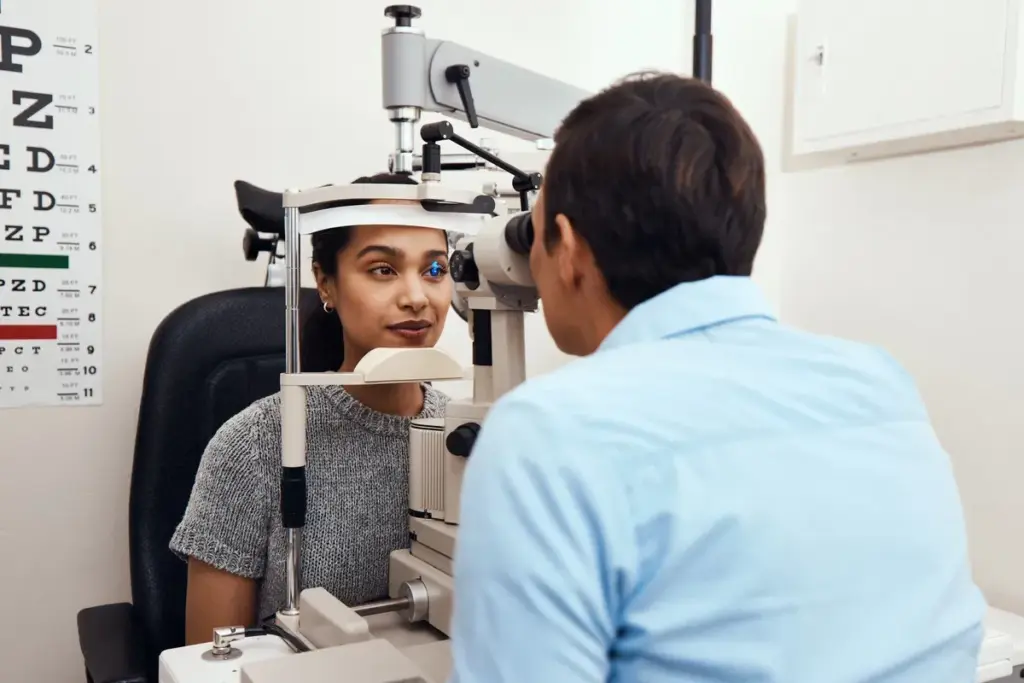
Seeing rainbows and halos in your vision can be scary. But knowing why they happen is the first step to keeping your eyes healthy. These effects happen when light scatters or bends in weird ways as it goes into your eye. This creates colorful rings or halo effects around light sources.
Some halo effects are just a normal reaction to bright light. But others might mean you have a serious eye problem that needs quick help. At Liv Hospital, we use the latest tools to figure out why you’re seeing these things.
Going for regular eye exams can spot problems early. Like cataracts or glaucoma. Knowing why you see rainbows in vision helps us protect your eye health.
Key Takeaways
- Rainbows and halos in vision can be caused by irregular light scattering or refraction.
- Some halo effects are harmless, while others may indicate serious eye conditions.
- Regular eye exams can help identify underlying causes.
- Liv Hospital uses advanced diagnostic protocols to protect your eye health.
- Early detection can help prevent serious eye problems.
1. Understanding Visual Halos and Rainbow Effects
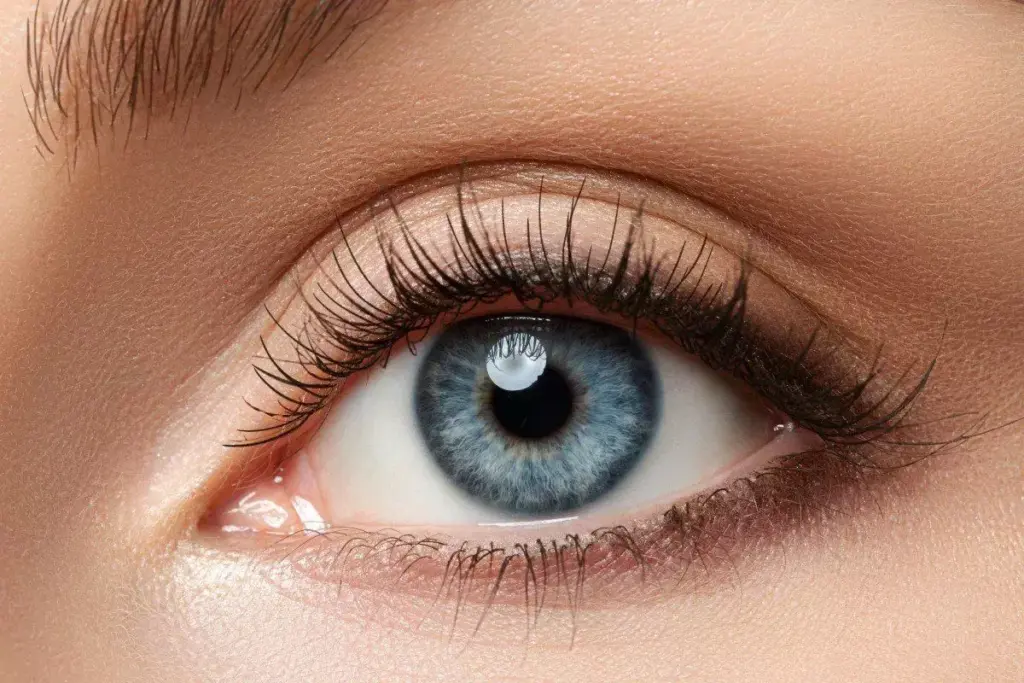
Seeing rainbows and halos is a complex science. It happens when light bends and focuses on the retina. Sometimes, this light spreads out, creating colorful rings or halos around lights.
1.1. What Causes These Colorful Rings Around Lights?
Diffraction is the main reason for seeing halos. It can be caused by the eye’s structure, glasses or contact lenses, or eye conditions. For example, after cataract surgery, some see halos due to lens changes.
Other things can also cause halos and rainbows, like:
- Corneal irregularities: Conditions like keratoconus can cause irregularities in the cornea, leading to light diffraction.
- Eye surgery: As mentioned, surgeries like LASIK or cataract removal can result in temporary or, in some cases, persistent halos.
- Contact lens use: Certain types of contact lenses, specially those that are not fitted properly, can cause visual disturbances.
1.2. When Rainbow and Halo Vision Typically Occurs
Rainbow and halo vision can happen in different situations. These effects are often more noticeable:
- At night: When looking at bright lights, such as oncoming headlights or streetlights, the effect of halos can be more noticeable.
- During or after eye surgery: Patients may experience halos or rainbow effects as part of the healing process.
- In the presence of certain eye conditions: Conditions that affect the cornea or lens can lead to increased diffraction and the appearance of halos.
Knowing when and why these visual effects happen can help. It can tell if it’s normal or if you need to see an eye doctor.
2. What Causes Rainbow in Eyesight: From Temporary to Serious Conditions

Rainbows and halos in your vision can come from many sources. Some are just temporary and harmless. But others might show a serious problem. Knowing the causes helps you decide what to do next.
2.1. Temporary and Harmless Causes
Many short-term and harmless reasons can make you see halos and rainbows. These include:
- Looking at bright sunlight or camera flashes can strain your eyes.
- Using digital devices for too long can make your eyes tired.
- Changes in how your eye focuses can also cause these effects.
These issues usually go away once you stop the cause. For example, taking a break from screens can help with eye strain.
2.2. Persistent Eye Conditions Requiring Attention
But, some eye problems can keep causing seeing halos in eyes or halo vision in one eye. These include:
| Condition | Description | Symptoms |
| Cataracts | Clouding of the eye’s lens | Blurry vision, halos around lights |
| Astigmatism | Irregular curvature of the cornea or lens | Blurred vision, eye strain, halos |
| Glaucoma | Increased pressure in the eye | Severe eye pain, vision loss, halos around lights |
These serious conditions can make you see halos all the time. They might need medical help to avoid getting worse. If you have lasting or severe symptoms, see an eye doctor right away.
In summary, while some rainbow vision and halos are just temporary, others can be serious. Knowing the reasons and acting quickly is key to keeping your eyes healthy.
3. Conclusion
Seeing rainbows and halos in your vision can be worrying. Many wonder why they see rainbows. We’ve looked at many reasons, from harmless to serious eye issues.
It’s key to know about these visual signs, like in kids. Seeing rainbows might mean there’s a problem. Seeing rainbow floaters or halos can also point to eye health issues.
Regular eye exams are vital for eye health. They help find problems early. Knowing why we see these things helps us protect our vision and get help when needed.
Being informed and careful helps us understand our vision. This way, we can fix any problems quickly. This keeps our eyes healthy for a long time.
FAQ
Why am I seeing rainbows in my vision?
Seeing rainbows in your vision is often caused by light scattering from cataracts, corneal swelling, dry eyes, or migraine aura.
What causes rainbow floaters in vision?
Rainbow floaters may result from vitreous changes, light refraction through floaters, or less commonly retinal issues.
Is seeing a halo in my vision a cause for concern?
Occasional halos can be harmless, but sudden or painful halos may indicate glaucoma or corneal problems and need evaluation.
Why do I see a rainbow halo around lights at night?
Rainbow halos at night commonly occur due to cataracts, astigmatism, dry eyes, or increased eye pressure.
Can eye strain cause rainbow vision or halos?
Eye strain can temporarily cause visual disturbances or glare, but persistent rainbow halos usually have another underlying cause.
Are rainbow floaters in eyes a sign of a serious condition?
Most floaters are harmless, but sudden increase, flashes, or vision loss may signal retinal tear or detachment.
How can I determine if my rainbow vision is normal or not?
If rainbow vision is frequent, worsening, or accompanied by pain, redness, or blurred vision, consult an eye doctor promptly.
Can cataracts cause seeing rainbows or halos in vision?
Yes, cataracts commonly cause rainbow halos around lights due to clouding of the natural lens.
References
A theory for the visibility of halos and rainbows is presented. The light reaching the observer’s eye from the direction of the halo or rainbow is assumed https://pubmed.ncbi.nlm.nih.gov/20234562/