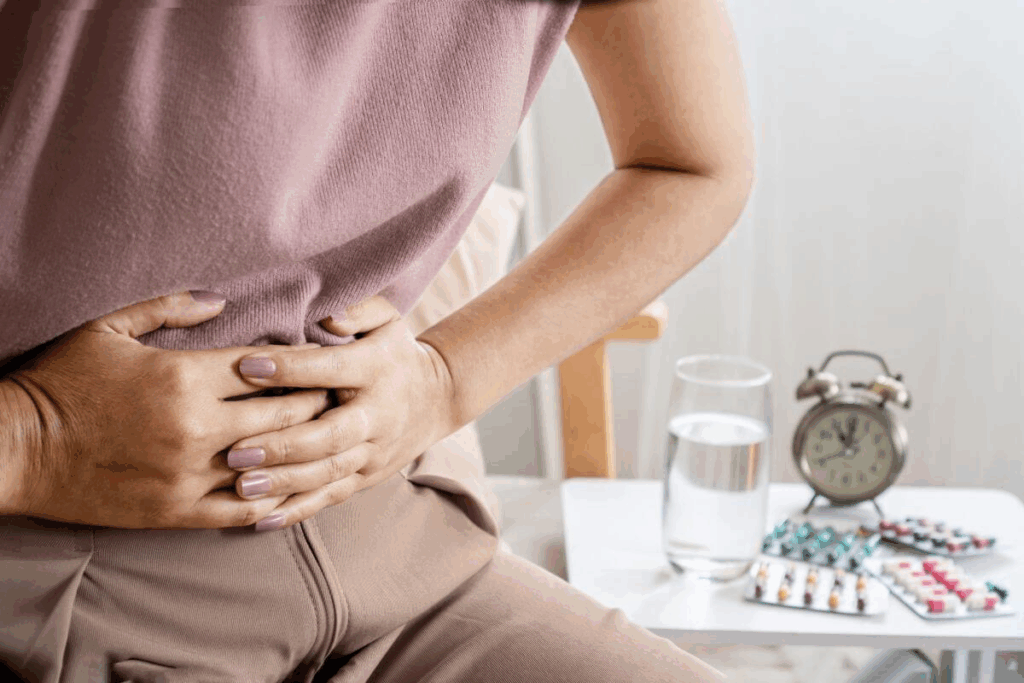
Many people worry about needing to use the bathroom right after eating. This is usually a normal part of digestion called the gastrocolic reflex. It happens when food goes into the stomach, making the colon move waste out.Wondering “why do I poop diarrhea right after I eat?” This guide explores 5 alarming causes, from food intolerance to IBS, and the best, proven fixes.
This reflex is how our body makes space for new food. But for some, it might mean there’s a health issue. At Liv Hospital, we figure out if it’s just the reflex or something more serious, focusing on your digestive health.
Key Takeaways
- The gastrocolic reflex is a normal physiological response to eating.
- It triggers the colon to contract and move waste out of the body.
- This reflex helps make room for new food in the stomach.
- Bowel movements after eating can be a normal occurrence.
- Underlying conditions may cause abnormal bowel movements after eating.
The Gastrocolic Reflex Explained
When we eat, our body starts a complex process called the gastrocolic reflex. This reflex can make our bowels move right after we eat. It’s a normal part of how we digest food, but it can be a problem for some people.
What Happens in Your Digestive System After Eating
After we eat, our stomach gets bigger and fills with food. This makes our body respond in different ways. It can make our colon move, leading to a bowel movement.
The reflex works through nerve signals and hormones. It’s a complex process that affects how our bowels work.
The Science Behind the Gastrocolic Response
The gastrocolic reflex involves the stomach, colon, and nervous system. When our stomach gets full, it sends signals to our colon. This makes our colon move its contents towards the rectum.
This reflex is more than just a simple nerve response. It’s a complex hormonal process. For example, cholecystokinin (CCK) is released when we eat fats. CCK helps digest food and makes our colon move more.
Hormone/Neuropeptide | Role in Gastrocolic Reflex |
Serotonin | Regulates bowel function and modulates the reflex |
Gastrin | Stimulates stomach acid secretion and gastrointestinal motility |
Cholecystokinin (CCK) | Aids in digestion and enhances colon motility |
Prostaglandin E1 | Influences smooth muscle contraction and relaxation |
Learning about the gastrocolic reflex helps us understand why some people have bowel movements after eating. This knowledge is key to managing symptoms and improving our digestive health.
Normal vs. Problematic Post-Meal Bowel Movements
Knowing if your bowel movements after eating are normal or not is key to good digestion. For many, having a bowel movement after eating is common. But, it’s important to know what’s normal and what’s not.
When Immediate Bowel Movements Are Considered Normal
Having a bowel movement soon after eating is okay if your stools are solid and you don’t have other symptoms. The gastrocolic reflex makes the bowel move after eating. This reflex is stronger in some people, leading to a bowel movement right after a meal. What you eat, your diet, and your digestive health can affect this reflex.
For most, an occasional bowel movement after eating is fine. But, if it happens often or with other symptoms like pain, bloating, or changes in stool, it might be a sign of a problem.
Signs Your Post-Meal Bathroom Trips Might Be Concerning
While a bowel movement after eating can be normal, some signs might mean there’s a problem. These include:
- Urgency and diarrhea: Frequent, urgent diarrhea after eating could be a sign of an overactive gastrocolic reflex or other digestive issues.
- Bloating and gas: Excessive bloating and gas after meals may suggest food intolerance or sensitivity.
- Abdominal pain: Persistent or severe abdominal pain accompanying bowel movements could indicate a more serious condition.
- Changes in stool consistency: Persistent changes in stool, such as loose stools or constipation, warrant further investigation.
If you regularly have these symptoms, seeing a healthcare provider is a good idea. They can help find the cause and suggest treatment. Knowing the difference between normal and problematic bowel movements is a step towards a healthy digestive system.
Why Do I Poop Diarrhea Right After I Eat?
Eating can sometimes cause an urgent need to go to the bathroom, leading to diarrhea. This can happen for many reasons. These include an overactive reflex, food sensitivities, or digestive issues.
The Overactive Gastrocolic Reflex
The gastrocolic reflex is a natural response to eating. It makes the digestive tract move. But, if it’s too active, it can cause loose stools and urgent bowel movements.
Stress, certain foods, and gut problems can trigger this reflex. An overactive gastrocolic reflex can make you feel like you need to go right after eating.
Some signs of an overactive reflex include:
- Immediate bowel movements after eating
- Loose or watery stools
- Abdominal cramping or discomfort
- Increased urgency and frequency of bowel movements
Food Sensitivity and Intolerance Reactions
Food sensitivities and intolerances can also cause diarrhea. If your body can’t digest certain foods, it can react badly. This can lead to diarrhea. Foods like lactose, gluten, and high-FODMAP foods are common culprits.
Signs of a food reaction include:
- Consistent diarrhea after eating certain foods
- Bloating and gas
- Abdominal pain or cramping
Digestive System Disorders
Digestive disorders can also cause diarrhea after eating. Conditions like Irritable Bowel Syndrome (IBS), inflammatory bowel disease, and gastroenteritis can disrupt digestion. This leads to symptoms like diarrhea.
Signs of a digestive disorder include:
- Recurring or persistent diarrhea
- Blood in the stool
- Severe abdominal pain
- Weight loss or loss of appetite
It’s important to find out why you get diarrhea after eating. This helps in managing and treating the issue. Knowing if it’s due to an overactive reflex, food sensitivities, or a digestive disorder is the first step to feeling better.
Common Food Triggers That Stimulate Bowel Activity
Knowing how food affects bowel movements is key to good digestion. Some foods can really stir up our digestive system, making us need to go after eating. We’ll look at foods that can cause this, helping you figure out why you might feel the urge to go after meals.
High-Fat Foods and Their Effects
High-fat foods really get the digestive system going. Eating foods high in fat can make certain hormones release, speeding up digestion and leading to bowel movements. Fatty foods might slow down stomach emptying at first, but they can also start the gastrocolic reflex. Think fried foods, rich sauces, and fatty meats.
A study showed that high-fat meals can make the colon move more, which might make you feel like you need to go after eating. Here’s a quick look at how high-fat foods affect bowel activity.
Food Type | Effect on Bowel Activity |
High-Fat Foods | Stimulates gastrocolic reflex, increases colonic motility |
Low-Fat Foods | Less likely to stimulate immediate bowel movements |
Caffeine and Stimulant Foods
Caffeine is a stimulant that can mess with bowel movements. Caffeine boosts stomach acid and gets the muscles in the digestive tract moving, leading to bowel movements. Drinks like coffee, tea, and some soft drinks can start the gastrocolic reflex, making you feel like you need to go.
“Caffeine stimulates the colon and can cause a bowel movement within minutes of consumption, even in sensitive people.”
How caffeine affects bowel movements can vary a lot from person to person.
Spicy Foods and Digestive Response
Spicy foods can also make you need to go. The spicy stuff in these foods, capsaicin, can get the digestive tract moving and make more mucus and digestive enzymes, speeding up bowel movements.
Even though spicy foods can get things moving, how much they affect you can differ a lot. Some people might not notice any big changes in their bowel movements.
Knowing about these common food triggers can help you manage your digestion better and maybe cut down on post-meal bowel movements.
Medical Conditions Associated with Post-Meal Bowel Urgency
Post-meal bowel urgency can be a sign of many health issues. These problems can make the digestive system work too fast. This leads to a need to go to the bathroom right after eating.
Irritable Bowel Syndrome (IBS)
Irritable Bowel Syndrome (IBS) affects the large intestine. It causes pain, changes in bowel movements, and urgency. People with IBS might need to go to the bathroom right after eating.
The cause of IBS is not known. But stress, hormonal changes, and food sensitivity can make symptoms worse. Managing IBS often means changing what you eat, managing stress, and sometimes taking medicine.
Inflammatory Bowel Disease (IBD)
Inflammatory Bowel Disease (IBD) includes Crohn’s disease and ulcerative colitis. These conditions cause chronic inflammation in the gut. Symptoms include diarrhea, pain, and urgency, often after eating.
The inflammation in IBD can make the gastrocolic reflex work too fast. This leads to urgency after meals. Treatment for IBD includes anti-inflammatory drugs and changes in lifestyle.
Celiac Disease and Gluten Sensitivity
Celiac disease is an autoimmune disorder caused by gluten. It damages the small intestine. Symptoms include diarrhea, pain, and urgency after eating gluten.
Gluten sensitivity also causes similar symptoms, but it doesn’t damage the intestine as much. Both conditions need a gluten-free diet to manage symptoms.
Microscopic Colitis and Other Conditions
Microscopic colitis is inflammation of the colon that causes chronic diarrhea and urgency. The exact cause is unknown, but it’s thought to be an immune response issue. Other conditions and some medications can also cause urgency after eating.
If you have persistent or severe urgency after eating, see a doctor. They can find the cause and suggest the right treatment.
The Role of Gut Bacteria in Post-Meal Bowel Movements
The gut is home to many tiny living things that help us digest food. These tiny creatures are key to breaking down food and absorbing nutrients. If their numbers get out of balance, it can cause problems like needing to go to the bathroom right after eating.
How Gut Microbiome Affects Digestion
The tiny living things in our gut are important for digestion. They help break down carbs, proteins, and fats. This means less irritation in the colon from undigested food.
When we eat foods rich in fiber, these tiny helpers in our gut turn them into energy for our colon cells. This is thanks to short-chain fatty acids they produce.
These tiny helpers also affect how food moves through our digestive system. An imbalance can cause problems like diarrhea or constipation. This is why some people might feel the need to go to the bathroom soon after eating.
Dysbiosis and Its Impact on Bowel Function
An imbalance in the gut microbiome, known as dysbiosis, can affect how we go to the bathroom. It can cause urgency to go after eating. This can happen due to a bad diet, antibiotics, or other medicines.
Condition | Effect on Gut Microbiome | Impact on Bowel Function |
Dysbiosis | Imbalance in beneficial and harmful bacteria | Post-meal bowel urgency, diarrhea, or constipation |
Normal Gut Microbiome | Balance between beneficial and harmful bacteria | Regular bowel movements, proper digestion |
It’s important to understand how gut bacteria affect bowel movements after eating. Keeping the gut microbiome balanced can help manage symptoms. This can improve digestion and overall health.
Diagnostic Approaches for Persistent Symptoms
If you often feel the need to poop right after eating, there are ways to find out why. Knowing how to diagnose these issues is key to feeling better.
Keeping a Food and Symptom Journal
Start by keeping a food and symptom journal. Write down what you eat and drink, and any symptoms you have. This helps your doctor find out what might be causing your problems.
Key elements to include in your journal:
- All foods and beverages consumed
- Timing and severity of symptoms
- Any factors that might influence symptoms (stress, sleep, etc.)
Medical Tests Your Doctor May Recommend
Your doctor might suggest several tests to find the cause of your symptoms. These could be:
- Endoscopy: A way for your doctor to see inside your digestive tract.
- Colonoscopy: A test to look inside your colon for any issues.
- Imaging tests: Like CT scans or MRI, to check for structural problems.
- Laboratory tests: Blood tests and stool samples to check for infections or inflammation.
When to See a Healthcare Provider
See a doctor if you have:
- Persistent or severe bowel urgency after meals
- Blood in your stool
- Unexplained weight loss
- Severe abdominal pain
Getting a diagnosis early can greatly improve your life. Work with your doctor and follow their advice to understand and manage your symptoms.
Dietary Modifications to Manage Post-Meal Bowel Urgency
Managing post-meal bowel urgency often requires a multifaceted approach. Dietary modifications play a key role. By understanding how different foods affect our digestive system, we can make informed choices to alleviate symptoms.
The Low-FODMAP Diet
The low-FODMAP diet is popular for managing symptoms of irritable bowel syndrome (IBS). It includes post-meal bowel urgency. FODMAPs are types of carbohydrates that can be hard for some to digest.
By reducing or avoiding high-FODMAP foods, symptoms can be significantly reduced. Common high-FODMAP foods include certain fruits, vegetables, dairy products, and wheat.
Elimination Diets
Elimination diets involve removing specific foods or food groups from one’s diet. This is done to see if symptoms improve. It helps identify food sensitivities or intolerances that may cause post-meal bowel urgency.
Once problematic foods are found, they can be reintroduced one at a time. This allows for a personalized diet plan.
Fiber Adjustments for Better Bowel Control
Fiber is key to digestive health, affecting bowel movements and consistency. Adjusting fiber intake can help manage post-meal bowel urgency.
Food Type | High Fiber Examples | Low Fiber Examples |
Fruits | Apples, Berries | Bananas, Melons |
Vegetables | Broccoli, Carrots | Lettuce, Cucumbers |
Grains | Whole Wheat Bread | White Bread |
By implementing these dietary modifications, individuals can better manage post-meal bowel urgency. It’s essential to work with a healthcare provider or a dietitian to tailor these approaches to one’s specific needs.
“Dietary adjustments can significantly impact bowel habits. A personalized approach, guided by a healthcare professional, can lead to substantial improvements in managing post-meal bowel urgency.”
Lifestyle Changes That Can Help Regulate Bowel Function
Making some lifestyle changes can help with bowel function and improve digestion. Stress management, adjusting meal times, and regular exercise are key. These steps can help manage bowel movements and lessen urgency symptoms.
Stress Management Techniques
Stress can really affect bowel health, making conditions like IBS worse. Stress management techniques like meditation, deep breathing, and yoga can help. These activities reduce stress and improve overall health, leading to a better digestive system.
Mindfulness meditation has been proven to lessen IBS symptoms by lowering stress. Regular use can improve bowel habits and reduce urgency.
Meal Timing and Portion Control
Changing meal timing and portion sizes is also important for bowel health. Eating smaller meals more often can help manage urgency symptoms. It avoids overwhelming the digestive system at once.
Also, watching portion control can stop overeating. This is good for those who poop right after eating. It helps avoid putting too much pressure on the digestive system.
Physical Activity and Its Effect on Digestion
Regular physical activity is another lifestyle change that benefits bowel function. Exercise can stimulate bowel movements and enhance digestive health. Even moderate activities like walking, jogging, or cycling are helpful.
A daily 30-minute walk can help regulate bowel movements and reduce constipation symptoms. Regular exercise also boosts overall health, possibly lowering the risk of digestive disorders.
Medications and Supplements for Managing Symptoms
Managing post-meal bowel urgency often needs a mix of medications and supplements. There are many options to help ease symptoms and improve life quality.
Over-the-Counter Options
Over-the-counter (OTC) medications and supplements can help with post-meal bowel urgency. Anti-diarrheal medications like loperamide slow down bowel movements. Fiber supplements like psyllium husk help regulate bowel function.
Always talk to a healthcare provider before trying any new medication or supplement. This ensures it’s right for you.
Prescription Medications
For some, prescription medications are needed to manage post-meal bowel urgency. People with conditions like Irritable Bowel Syndrome (IBS) might get alosetron or eluxadoline to control symptoms.
Medication | Use | Common Side Effects |
Loperamide | Slows down bowel movements | Constipation, abdominal pain |
Alosetron | Manages IBS symptoms | Constipation, nausea |
Eluxadoline | Treats IBS with diarrhea | Nausea, abdominal pain |
Probiotics and Digestive Enzymes
Probiotics are live bacteria that help keep the gut healthy. They might reduce post-meal bowel urgency symptoms. Digestive enzymes help break down food better, which can prevent uncomfortable symptoms.
Choosing the right probiotics or digestive enzymes is key. Look for products with scientific backing and the right strain and dosage for you.
Exploring these options can help you and your healthcare provider find a plan to manage post-meal bowel urgency effectively.
Long-Term Management Strategies for Chronic Digestive Issues
For those with ongoing digestive problems, long-term management is key to a better life. Chronic digestive issues can really affect daily life. But, with the right strategies, managing symptoms becomes easier.
Working with Healthcare Providers
Collaborating with healthcare providers is vital for long-term management. Regular check-ups and open talks help tailor treatment plans. Healthcare providers can guide on new treatments and keep an eye on your condition.
Key aspects of working with healthcare providers include:
- Regular follow-ups to monitor progress
- Adjusting treatment plans as necessary
- Discussing new symptoms or concerns
Integrating Multiple Treatment Approaches
Effective long-term management often means using different treatments. This can include diet changes, medications, and lifestyle tweaks. Combining these strategies helps manage symptoms and boosts digestive health.
Treatment Approach | Description | Benefits |
Dietary Changes | Modifying diet to avoid trigger foods and include gut-friendly options | Reduces symptoms, improves digestion |
Medications | Using prescribed medications to manage symptoms | Provides relief from specific symptoms |
Lifestyle Modifications | Incorporating stress management techniques and regular physical activity | Improves overall well-being, reduces stress |
Maintaining Quality of Life Despite Symptoms
Keeping a good quality of life is vital for those with chronic digestive issues. It’s not just about managing symptoms. It’s also about enjoying life and finding joy. Focusing on well-being helps lead an active and fulfilling life despite the condition.
By taking a holistic approach to long-term management, you can manage chronic digestive issues well. Working with healthcare providers, using various treatments, and focusing on well-being are key. These strategies help improve your quality of life.
Conclusion
Understanding why you poop right after eating is key to solving any problems. The gastrocolic reflex is a normal body response that helps. But, if it’s too active, it might mean you have a health issue that needs looking into.
This article has looked at why you might poop right after eating. We talked about food, health problems, and gut bacteria. We also covered ways to feel better, like changing what you eat, your lifestyle, and getting medical help.
By trying these tips and talking to doctors, you can handle your symptoms better. If you poop a lot after eating and it’s not normal, see a doctor. They can help you feel better and live a healthier life.
FAQ
Why do I have a bowel movement right after eating?
The reason you might poop soon after eating is the gastrocolic reflex. It’s a natural body response. When food goes into your stomach, it makes your colon move and push out waste.
Is it normal to poop immediately after eating?
Yes, it’s normal to feel the gastrocolic reflex after eating. But how often and urgently you poop can differ for everyone. If you have constant or severe issues, see a doctor.
What causes diarrhea right after eating?
Diarrhea after eating can be due to an overactive gastrocolic reflex. It might also be from food sensitivities or conditions like IBS, IBD, or celiac disease.
How can I manage post-meal bowel urgency?
To handle bowel urgency after meals, try changing your diet. Follow a low-FODMAP diet or try elimination diets. Also, manage stress, control your meal times, and watch your portion sizes.
What are common food triggers that stimulate bowel activity?
Foods with a lot of fat, caffeine, and spice can make your bowels active. They can trigger the gastrocolic reflex, causing you to poop after eating.
Can gut bacteria affect post-meal bowel movements?
Yes, your gut bacteria are key to digestion. An imbalance, or dysbiosis, can cause symptoms like urgent bowel movements after eating.
What diagnostic approaches are used to identify underlying conditions?
Doctors might ask you to keep a food and symptom journal. They may also suggest medical tests. These steps help find the cause of your post-meal bowel urgency.
Are there any medications or supplements that can help manage symptoms?
Yes, there are medicines and supplements like probiotics, digestive enzymes, and prescription drugs. They can help with symptoms of bowel urgency after eating.
How can I maintain quality of life despite chronic digestive issues?
To keep a good quality of life, work closely with your healthcare team. Use a mix of treatments and focus on managing symptoms. This improves your digestive health.
When should I see a healthcare provider about my post-meal bowel movements?
If you have ongoing or severe symptoms like urgent diarrhea, gas, and bloating, see a doctor. They can check for underlying issues and help you manage your symptoms.
References:
National Center for Biotechnology Information. Gastrocolic Reflex: Causes and Solutions for Immediate Bowel Movements. Retrieved from https://www.ncbi.nlm.nih.gov/pmc/articles/PMC3271260/