

Seeing colored spots or floaters in your vision can be scary. But knowing what causes them can help you feel better. These spots look like small specks, dots, or cobwebs moving in your sight. They might look like squiggly lines or dots and move with your eyes.
At Liv Hospital, we know that seeing these spots can be worrying. They are usually signs of aging, but sudden changes or pain need a doctor’s check. Our team offers top-notch eye care. We combine international knowledge with caring support.
Key Takeaways
- Colored spots and floaters are common visual phenomena.
- They often appear as small specks, dots, or cobwebs.
- These disturbances can be signs of natural aging.
- Sudden changes or pain require professional evaluation.
- Liv Hospital offers comprehensive eye care with international expertise.
What Are Colored Spots in Vision?
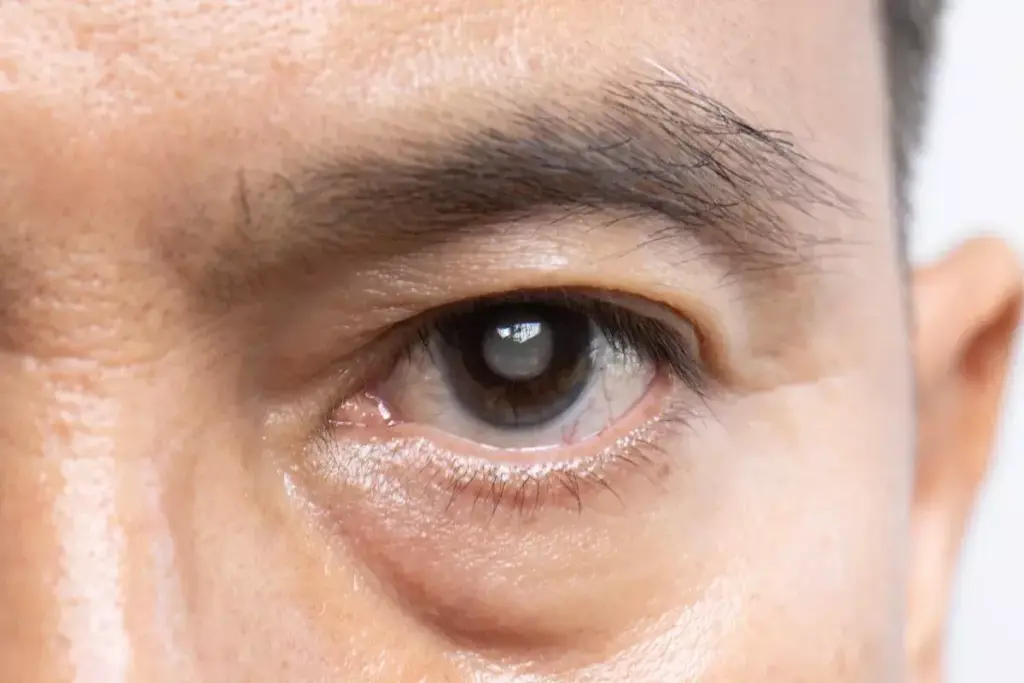
Seeing colored spots or floaters in your vision can be interesting. It often makes people wonder about their cause and importance. These spots are like dots or shapes that move in your field of vision. They are more noticeable against bright or uniform backgrounds.
Types of Visual Disturbances
Floaters look like small specks, dots, circles, lines, or cobwebs moving in your vision. They can seem black or gray, but some see colorful dots in vision or pink spots in vision. The way they look can differ a lot from person to person.
Some people see rainbow spots in vision. This can happen for many reasons, like eye changes or health issues. Knowing about different visual disturbances helps figure out their causes and what to do next.
How They Appear in Your Field of Vision
These spots are easier to see against bright backgrounds, like a blue sky or a white wall. The contrast makes them stand out. For example, someone might see an ink spot in vision when looking at a clear sky.
The movement of your eye makes floaters move too. When your eye stops, they settle or slowly move away. While these spots can be distracting, they’re usually harmless. But, if you notice sudden changes or more floaters, see an eye doctor to check for serious issues.
What Causes Colored Spots in Vision?

Colored spots in vision can come from many things. These include normal aging changes and serious eye problems. Knowing what causes them helps figure out what to do next.
Age-Related Vitreous Changes
As we get older, the gel in our eyes changes. It gets smaller and more liquid, causing floaters. Most floaters come from a condition called posterior vitreous detachment, common after 50.
This condition is usually not serious. But, watch for any vision changes. See an eye doctor if floaters get worse or if you have other symptoms.
Migraine Auras and Rainbow Vision
Migraines can cause weird vision, like shimmering spots or jagged lines. Some people see colors or spots during a migraine. These symptoms usually go away after the migraine is over.
Eye Conditions and Health Factors
Eye problems and health issues can also cause colored spots. For example, diabetic retinopathy can damage blood vessels in the retina. This can lead to floaters and colored spots.
| Condition | Description | Symptoms |
| Diabetic Retinopathy | Damage to the retina’s blood vessels due to diabetes | Floaters, colored spots, vision loss |
| Posterior Vitreous Detachment | Vitreous gel shrinkage and detachment from the retina | Floaters, flashes of light |
| Migraine Aura | Visual disturbances preceding a migraine headache | Shimmering spots, flickering lights, colored spots |
Seeing an eye doctor is key to finding out why you see colored spots. They can help figure out what’s going on and treat it.
When Colored Spots Signal Serious Eye Problems
Not all colored spots or floaters are harmless. Some can be warning signs of serious eye problems that need quick attention. While most floaters are okay and fade over time, some cases can point to serious issues. We’ll talk about the dangers of retinal tears and detachment, diabetic retinopathy, and other serious conditions that can cause severe vision loss if not treated.
Retinal Tears and Detachment
Retinal tears and detachment are serious issues. They can cause sudden increases in floaters, flashes of light, or a shadow moving across your vision. Retinal detachment happens when the retina separates from the back of the eye. This can lead to severe vision loss if not treated quickly.
The symptoms of retinal detachment are alarming. They include a sudden increase in floaters, flashes of light, or a shadow or curtain moving over your vision. If you see these signs, you must get medical help right away.
Diabetic Retinopathy
Diabetic retinopathy can also cause floaters and vision problems. It happens in people with diabetes and can cause blindness if not treated. Early detection is key to prevent severe vision loss.
Diabetic retinopathy is caused by high blood sugar damaging the blood vessels in the retina. This damage can lead to leaking or bleeding, causing vision issues.
Warning Signs to Watch For
It’s important to know the warning signs of serious eye conditions. These include:
- Sudden increases in floaters or flashes of light
- A shadow or curtain moving across your vision
- Blurred vision or loss of peripheral vision
If you notice any of these symptoms, seek medical attention immediately. Early diagnosis and treatment can greatly improve outcomes for many serious eye conditions.
Conclusion
We’ve looked into seeing colored spots in vision. These spots, or colorful floaters, can be harmless or show serious eye problems. Knowing why you see colors is key to keeping your eyes healthy.
Things like getting older, migraines, and eye diseases can cause these spots. Most people have mild floaters that don’t bother them much. But, if you have pain in your left eye or see rainbow colors, get help right away.
It’s important to watch for changes and get advice from experts. By understanding your vision, you can take care of your eyes better. Regular eye exams and knowing the signs of trouble can stop big problems. If you see something odd, see an eye doctor.
FAQ
What are colored spots in vision?
Colored spots in vision are small flashes, dots, or shapes of light or color that appear temporarily in your visual field.
Why do I see colored dots or spots in my vision?
You may see colored dots due to floaters, migraine aura, eye strain, retinal changes, or temporary blood flow shifts in the brain.
Are colored floaters a sign of a serious eye problem?
Colored floaters can be harmless, but sudden onset or increase may signal retinal tear or detachment and requires urgent evaluation.
Can migraine auras cause rainbow vision or colored spots?
Yes, migraine aura commonly causes shimmering lights, zigzag lines, or rainbow-colored spots even without headache.
How do I know if my colored spots are related to an eye condition?
If spots are persistent, occur with flashes, vision loss, pain, or increase suddenly, they may indicate an underlying eye condition.
Can colored spots in vision be a symptom of diabetic retinopathy?
Yes, diabetic retinopathy can cause spots or floaters due to bleeding or retinal damage, especially in people with uncontrolled diabetes.
What should I do if I notice a sudden increase in colored floaters or spots?
Seek immediate medical or eye specialist care to rule out retinal tear, detachment, or bleeding.
Are there any treatments available for colored spots in vision?
Treatment depends on the cause and may include monitoring, laser therapy, surgery, migraine management, or diabetic control.
References
Colored floaters may occur in patients taking cardiac glycosides but this association has not been explored. Unlike optical illusions and https://pubmed.ncbi.nlm.nih.gov/29780940/