Painful skin breakouts can really upset both your body and mind. At Liv Hospital, we offer evidence-based medical care to tackle these issues. Our team puts your comfort and health first.
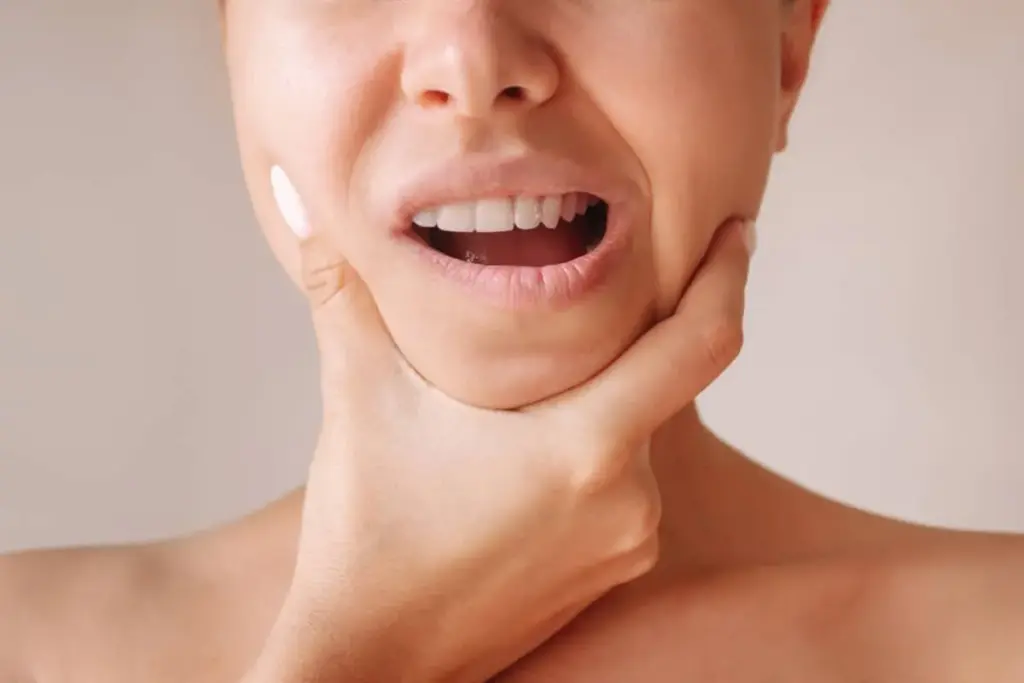
Many people ask, “Why do zits hurt so much?” The pain comes from clogged pores putting pressure on nerves under your skin. The swelling is your body’s way of reacting to trapped oil, bacteria, and other stuff.
Our experts want to teach you about your skin’s healing. We show you how to stop pimple pain with gentle treatments and advice. By easing swelling and irritation, we help you feel better and more confident.
Key Takeaways
- Pimple pain is caused by pressure on sensitive nerve endings in the skin.
- Inflammation is a natural immune response to bacteria and clogged pores.
- Redness and swelling are common signs of the body fighting an infection.
- Evidence-based care focuses on treating the root cause of skin irritation.
- Effective relief involves reducing pressure and calming the skin surface.
- Knowledge of skin science empowers patients to manage their health better.
Why Do Zits Hurt: The Science Behind Pimple Pain
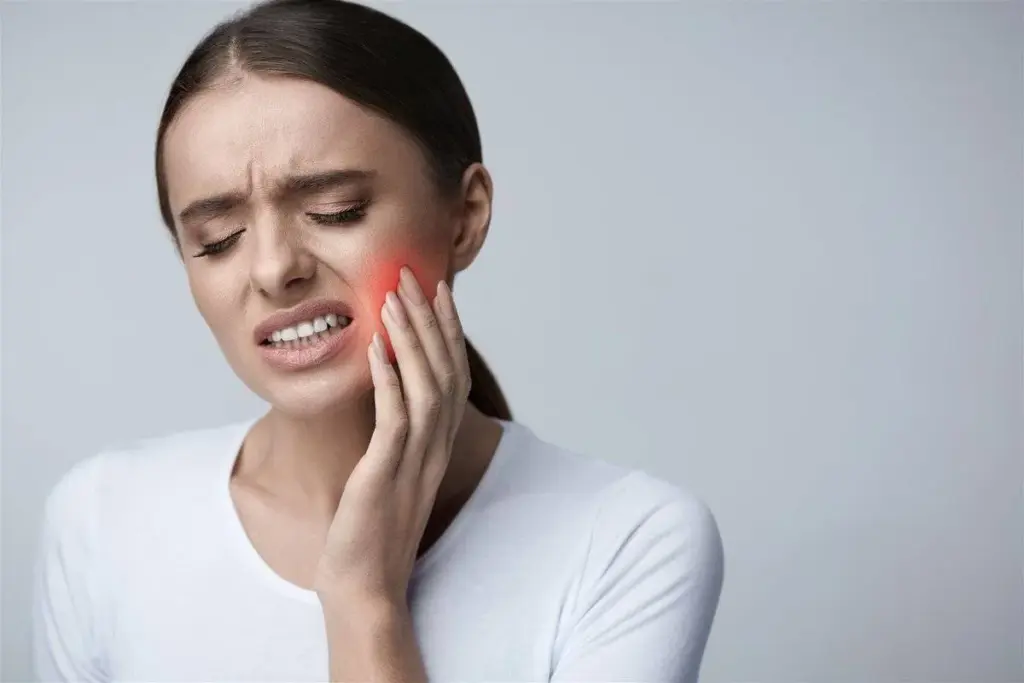
Understanding why zits hurt is key to finding relief. The pain is not just on the surface. It involves many factors beneath the skin.
Painful zits often mean our body is fighting an infection or blockage. Inflammation plays a big role in this. It happens when our body fights off bacteria, dead skin, or trapped oil in a pore.
Inflammation and Pressure Beneath Your Skin
Inflammation is the main reason for pimple pain. A clogged pore can swell, causing pressure under the skin. This pressure irritates the nerve endings, leading to pain.
How Sensitive Nerve Endings React to Clogged Pores
The skin has many nerve endings that feel pressure and irritation. When a pore is clogged and inflamed, it presses on these nerve endings. This sends pain signals to the brain. How sensitive these nerve endings are can vary, affecting how much pain someone feels from zits.
Types of Pimples That Cause the Most Pain
Not all pimples are the same, and some hurt more than others. For example, cystic pimples are big, painful bumps deep under the skin. They are red, swollen, and tender because of the inflammation and pressure they cause.
Other painful pimples include nodules and pustules. They are also inflamed. Knowing the type of pimple you have can help you find the best treatment.
Proven Methods to Stop Zit Pain and Reduce Discomfort
Zit pain doesn’t have to be a constant problem. There are ways to stop the pain and reduce swelling. Dealing with painful zits can be frustrating and affect your daily life. Luckily, there are effective methods to ease the discomfort and fix the root causes of pimple pain.
Immediate Pain Relief Strategies You Can Try at Home
For quick relief from zit pain, home remedies can help. A cold compress can quickly reduce swelling and numb the area, giving temporary relief. Topical treatments with benzoyl peroxide, salicylic acid, or retinoids can clear clogged pores and reduce bacteria, easing pain.
Using a warm compress can also help by encouraging drainage and reducing swelling. Some people find relief with ice packs to shrink red, painful pimples. Tea tree oil may also offer mild anti-inflammatory effects, though results vary.
| Remedy | Description | Benefits |
| Cold Compress | Apply a cold, damp cloth to the affected area | Reduces swelling, numbs the area |
| Warm Compress | Apply a warm, damp cloth to the affected area | Encourages drainage, reduces swelling |
| Tea Tree Oil | Apply a few drops of tea tree oil to the affected area | Mild anti-inflammatory effects |
Medical Treatments That Address Root Causes of Pimple Pain
For severe or persistent pimple pain, medical treatments may be needed. Medical-grade topical treatments can be more effective than over-the-counter options for deep, painful pimples. A dermatologist might prescribe oral antibiotics or other medications to tackle underlying acne causes and pain.
What Not to Do When Your Pimple Hurts
It’s important to avoid actions that can make pimple pain worse. Squeezing or popping pimples can push bacteria deeper, increase inflammation, and cause scarring. Instead, let pimples heal naturally or seek professional help from a dermatologist.
By understanding pimple pain causes and using the right treatments, you can manage and reduce discomfort. If pimple pain persists or gets worse, seeing a healthcare professional is the best step.
Conclusion
When a pimple hurts, it might mean there’s a bigger issue to deal with. Knowing why a pimple hurts is key to feeling better and avoiding more breakouts. Painful pimples usually come from clogged pores, swelling, and bacteria.
We’ve talked about ways to ease zit pain, from quick fixes to medical solutions. If your zits hurt when touched, keeping up with skincare and using non-clogging products helps. This can lower the chance of pores getting blocked.
Understanding why pimples hurt and using the right treatments can help manage pain. If home remedies don’t work, seeing a dermatologist is important. They can give you personalized care and help avoid lasting damage.
Proven Methods to Stop Zit Pain and Reduce Discomfort
Inflammation and Pressure Beneath Your Skin
Painful pimples happen when trapped oil and bacteria cause inflammation and pressure under the skin, often seen in acne vulgaris.
How Sensitive Nerve Endings React to Clogged Pores
Clogged pores irritate nearby nerve endings, making the area tender, sore, or painful to touch.
Types of Pimples That Cause the Most Pain
Deep lesions like cysts and nodules (common in cystic acne) are the most painful.
Immediate Pain Relief Strategies You Can Try at Home
Use cold compresses, gentle cleansing, and over-the-counter treatments to reduce swelling and discomfort.
Medical Treatments That Address Root Causes of Pimple Pain
Doctors may prescribe topical or oral treatments to reduce inflammation, bacteria, and oil production.
What Not to Do When Your Pimple Hurts
Avoid squeezing or picking, as it can worsen inflammation, cause infection, and lead to scarring.
References
National Center for Biotechnology Information. Evidence-Based Medical Insight. Retrieved from https://pmc.ncbi.nlm.nih.gov/articles/PMC3780801/



 Departments
 Related Videos
 Our Doctors
 News
News