
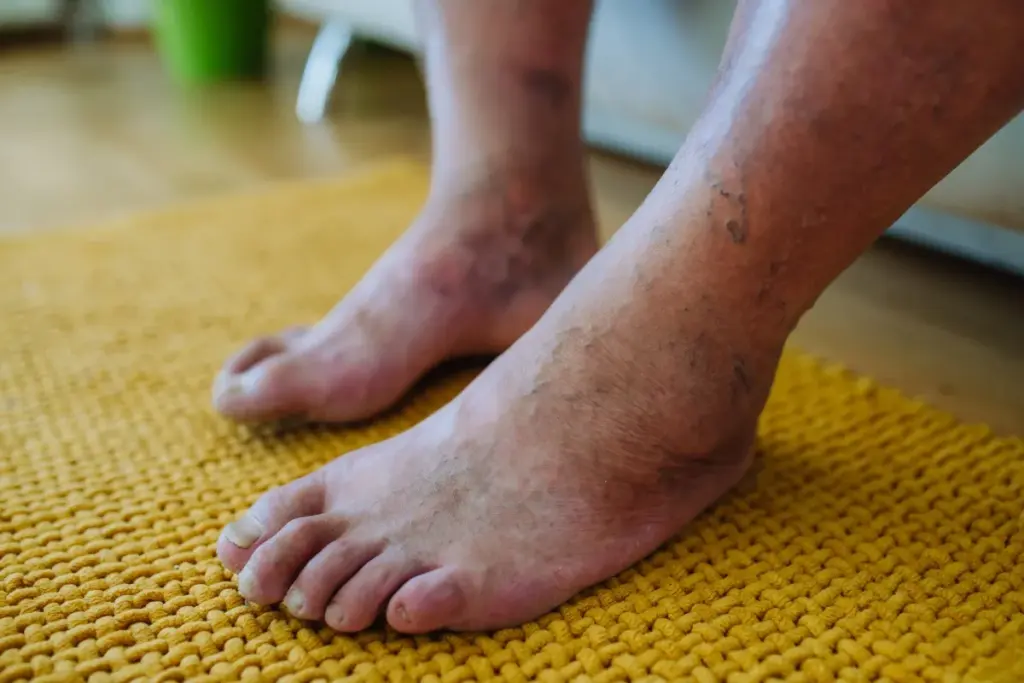
Having diabetes puts you at a higher risk for foot problems. High blood sugar can damage nerves in your feet, known as neuropathy.
At Liv Hospital, we know that the right care can make a big difference. Diabetes harms your feet in many ways, like nerve damage and poor blood flow. It’s important to understand these to prevent and manage foot problems.
Key Takeaways
- Diabetes increases the risk of foot complications due to nerve damage and poor circulation.
- Nerve damage (neuropathy) can result from prolonged high blood glucose levels.
- Understanding diabetic foot problems is key to effective prevention and management.
- Comprehensive care can significantly reduce the risk of diabetic foot complications.
- Liv Hospital provides patient-centered care based on the latest medical research.
Why Does Diabetes Affect Feet: The Two Primary Mechanisms

Diabetes and foot health are closely linked, with two main causes. These are diabetic neuropathy and peripheral artery disease. Both can cause serious problems if not managed well.
Diabetic Neuropathy: When Nerves Stop Working Properly
Diabetic neuropathy happens when high blood sugar damages nerves. This leads to numbness or pain in the feet. It affects 30 to 50 percent of people with long-term diabetes.
Symptoms include numbness, tingling, pain, and muscle weakness. It makes it hard to feel minor injuries or irritations. This can turn into serious infections or ulcers if not treated.
Peripheral Artery Disease: Reduced Blood Flow to Your Feet
Peripheral artery disease (PAD) is another big problem for diabetes patients. It narrows or blocks blood vessels, reducing blood flow to the feet. This can slow down wound healing, increase infection risk, and even lead to gangrene.
PAD makes foot problems worse, adding to the risks of diabetic neuropathy. It’s important to understand and manage these conditions to keep feet healthy.
Knowing the signs of these two main causes helps prevent serious foot issues. Regular check-ups and good foot care are key to managing diabetes.
Common Diabetic Foot Complications and Their Causes

Diabetic foot problems are a big worry for people with diabetes. They often come from nerve damage and less blood flow. If not handled right, these issues can get very serious.
Diabetic Foot Ulcers: Statistics and Risk Factors
Diabetic foot ulcers are a serious issue for those with diabetes. They happen because of neuropathy, peripheral artery disease, and not taking care of the feet. Neuropathy, affecting 30 to 50 percent of long-term diabetes patients, makes it hard to feel injuries or irritations in the feet.
These ulcers can really hurt a person’s quality of life. It’s key to check the feet often for any signs of ulcers. Look for redness, swelling, or open sores. Diabetic patients should check their feet every day.
Diabetic Bruising on Feet and Skin Changes
Diabetes can lead to skin changes and bruising on the feet. This is because of poor circulation and nerve damage. Bruising is more common in diabetics because their blood vessels are fragile. Also, dry and cracked skin can lead to infections.
To deal with these problems, keeping the feet clean and moisturized is important. Use a moisturizer made for diabetic skin. Avoid harsh soaps and wear shoes that fit well to avoid pressure.
Understanding Foot Pain in Type 2 Diabetes
Foot pain is common in Type 2 diabetes, mainly due to neuropathy. About 42 percent of Type 2 diabetes patients have neuropathy at diagnosis. This shows why early action is needed.
Handling foot pain requires both medical help and lifestyle changes. Patients should talk to their doctor to make a plan. This might include pain meds, the right shoes, and exercise to boost blood flow.
Conclusion
Diabetes can really hurt your feet if not taken care of. It’s important for people with diabetes to know the risks. This helps them avoid serious problems.
Diabetic foot disease is a big issue worldwide. But, people with diabetes can keep their feet healthy. They can do this by checking their feet often, wearing the right shoes, and staying active.
By managing their diabetes and taking care of their feet, people can lower their risk of foot problems. We urge everyone with diabetes to focus on their foot health. If you need help, don’t hesitate to ask a professional.
FAQ
What Is Diabetic Foot?
Diabetic foot refers to foot problems, including ulcers, infections, and tissue damage, caused by diabetes.
It results from nerve damage, poor circulation, and high blood sugar.
Why Does Diabetes Cause Foot Problems?
High blood sugar damages nerves and blood vessels, reducing sensation and healing ability.
This makes feet more prone to injuries, infections, and ulcers.
What Is Diabetic Neuropathy?
Diabetic neuropathy is nerve damage caused by prolonged high blood sugar levels.
It leads to numbness, tingling, burning, or loss of feeling in the feet.
How Does Peripheral Artery Disease Affect the Feet?
Peripheral artery disease reduces blood flow to the legs and feet.
It can cause cold feet, pain while walking, slow-healing wounds, and increased risk of ulcers.
What Are Diabetic Foot Ulcers?
Diabetic foot ulcers are open sores or wounds that occur due to nerve damage and poor circulation.
They can become infected and may lead to serious complications if untreated.
What Causes Bruising on Feet in Diabetes?
Bruising occurs due to unnoticed injuries, fragile blood vessels, and poor circulation.
Reduced sensation prevents early detection, allowing minor trauma to worsen.
How Does Type 2 Diabetes Affect Foot Pain?
Type 2 diabetes can cause neuropathic pain, tingling, burning, or numbness in the feet.
Poor circulation may worsen pain and delay healing of injuries.
How Can I Prevent Diabetic Foot Complications?
Maintain stable blood sugar, inspect feet daily, wear proper footwear, and practice good hygiene.
Promptly treat injuries and schedule regular foot exams with a healthcare provider.
What Are the Common Skin Changes Associated With Diabetic Feet?
Skin may become dry, cracked, thickened, discolored, or prone to fungal infections.
Calluses, ulcers, and peeling are also frequent signs of diabetic foot problems.
Why Is Regular Foot Care Important for Diabetics?
Regular foot care helps detect early problems, prevent infections, and avoid serious complications.
It reduces the risk of ulcers, amputations, and long-term disability.
References
Patients with peripheral neuropathy often present with varying degrees of numbness, tingling, aching, burning sensation, weakness of limbs, https://www.ncbi.nlm.nih.gov/books/NBK442009/