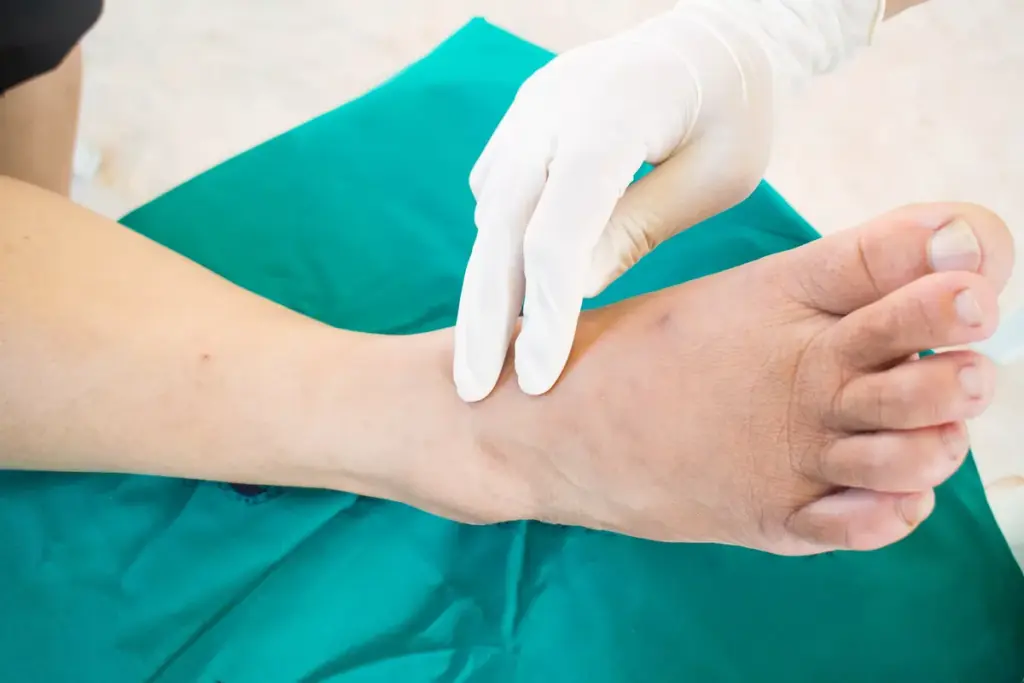
Are you noticing unexplained bruising or ongoing pain in your feet? If you have diabetes, these signs are urgent. High blood sugar can harm nerves and blood vessels in your feet, causing serious issues.
At Liv Hospital, we know how vital diabetic foot care is. Our focus is on you, using the latest research to keep your feet safe. We’ll look into why diabetes-related foot bruising and pain happen, and how to stop and handle them.
Key Takeaways
- High blood sugar levels can cause nerve damage and reduced circulation in the feet.
- Diabetic neuropathy and poor circulation can lead to foot bruising and pain.
- Proper foot care is essential for preventing and managing diabetic foot complications.
- Liv Hospital’s patient-centered approach ensures complete care for diabetic foot patients.
- Understanding the causes of diabetic foot bruising and pain is key to effective management.
How Diabetes Affects Your Feet

It’s important to know how diabetes impacts your feet to avoid and treat problems. Diabetes can cause foot issues due to nerve damage and poor blood flow. High blood sugar can harm nerves and blood vessels, leading to serious foot problems.
“Diabetes is a major risk factor for foot ulcers and amputations,” says the need for good foot care for those with diabetes. We’ll look at how high blood sugar affects foot health and discuss diabetic foot complications.
The Impact of High Blood Sugar on Foot Health
Diabetes can harm foot health due to high blood sugar. This damage can lead to nerve and blood vessel problems. Diabetic neuropathy causes numbness, tingling, and pain in the feet, making it hard to notice small injuries.
Peripheral vascular disease reduces blood flow to the feet, slowing down wound healing. This, combined with nerve damage, makes foot care key for diabetes management.
Statistics on Diabetic Foot Complications
Diabetic foot problems are a big issue globally. Studies show diabetic neuropathy affects up to half of people with diabetes. Peripheral vascular disease also reduces blood flow, raising the risk of foot ulcers and amputations.
The numbers are scary: “About 15% of diabetes patients will get a foot ulcer, and many will lose a lower extremity.” This shows the importance of early foot care and regular checks to avoid these issues.
- Regular foot checks can spot problems early.
- Wearing the right shoes is key to avoid pressure sores and ulcers.
- Keeping blood sugar in check is vital to prevent nerve and blood vessel damage.
Understanding Diabetic Neuropathy and Poor Circulation

It’s key to know how diabetic neuropathy and poor blood flow affect diabetes. These issues can harm the health of people with diabetes a lot.
What Is Diabetic Neuropathy?
Diabetic neuropathy is nerve damage from high blood sugar. It causes numbness, tingling, and pain in the feet. This makes it hard to feel injuries or infections.
This problem is common in diabetes and can really lower your quality of life. It’s important to manage it well.
The symptoms of diabetic neuropathy can vary. But they often include:
- Numbness or tingling sensations in the feet
- Pain or burning feelings
- Increased sensitivity to touch
- Loss of reflexes
If you have diabetes, watch out for these symptoms. See a doctor if you notice any of them.
How Reduced Blood Flow Affects the Feet
Poor blood flow, often from peripheral vascular disease, is another big problem in diabetes. Poor circulation makes it hard for the body to fight off infections and heal wounds. This can lead to serious issues if not handled right.
Poor blood flow in the feet shows in different ways:
- Wounds and cuts take longer to heal
- There’s a higher chance of getting infections
- The feet might feel cold or look different
It’s vital to keep blood flow good. Do this with regular exercise, a healthy diet, and proper foot care.
Knowing about diabetic neuropathy and poor circulation helps people with diabetes. They can take steps to avoid foot problems and stay healthy overall.
Diabetes and Bruising on Feet: Why It Happens and Why It Matters
Foot bruising in diabetes is a big worry. It often comes from unnoticed injuries or blood flow problems. We need to know why it happens and why it’s important.
Unnoticed Trauma and Loss of Sensation
Diabetics often bruise their feet because of unnoticed trauma. Diabetic neuropathy makes feet numb. This numbness means injuries can go unnoticed, leading to bruises or worse.
Some common causes of unnoticed trauma include:
- Improper footwear that causes friction or pressure
- Walking barefoot, which exposes the feet to injuries
- Not checking the feet regularly for injuries
Vascular Problems Leading to Bruising
Vascular issues also cause foot bruising in diabetics. Peripheral artery disease (PAD) reduces blood flow to the limbs. This makes injuries harder to heal and increases bruising risk.
The main vascular problems leading to bruising are:
- Reduced blood flow due to PAD
- Poor circulation, which hinders injury healing
- Collagen production impacts on skin integrity
The Danger of Diabetic Foot Bruises
Diabetic foot bruises are more than just a cosmetic issue. They can signal serious health problems. If ignored, they can turn into infections or ulcers, which are hard to treat.
It’s vital to take diabetic foot bruises seriously. If you notice unusual changes, see a doctor. Regular foot care and monitoring can prevent complications and address issues quickly.
Preventing Foot Problems in Type 1 and Type 2 Diabetes
To prevent foot issues in diabetes, managing blood sugar, good foot care, and knowing when to see a doctor are key. These steps can greatly lower the risk of foot problems for people with diabetes.
Blood Sugar Management as Primary Prevention
Keeping blood sugar levels in check is vital to avoid diabetic foot problems. High blood sugar can damage nerves and reduce blood flow to the feet. This increases the risk of foot issues. It’s important to work with your healthcare provider to keep your blood sugar in a healthy range.
Effective blood sugar management involves:
- Monitoring blood glucose levels regularly
- Adhering to a balanced diet and meal plan
- Engaging in regular physical activity
- Adjusting medications as directed by your healthcare provider
Essential Daily Foot Care Practices
Good foot care is key to preventing foot problems in diabetes. Simple habits can greatly improve foot health. Here are some daily practices we recommend:
| Practice | Benefit |
| Inspecting feet daily for cuts, blisters, or swelling | Early detection of issues |
| Washing feet with mild soap and drying them thoroughly | Prevents infection and keeps skin healthy |
| Wearing comfortable, well-fitting shoes | Reduces the risk of pressure sores and blisters |
It’s also important to trim toenails carefully and moisturize the feet, avoiding the areas between the toes.
When to See a Healthcare Provider
It’s important to know when to see a doctor to prevent minor issues from becoming serious. Seek immediate care if you notice any of the following:
- Signs of infection, such as redness, swelling, or pus
- Open sores or cuts that are not healing
- Changes in skin color or temperature
- Numbness, tingling, or pain in the feet
Regular check-ups with your healthcare provider are also essential for maintaining foot health and addressing any concerns early on.
Conclusion
Diabetes can cause foot problems like bruising and pain. These issues need attention and care. People with diabetes are at risk because high blood sugar affects their feet.
Keeping blood sugar levels in check and taking care of your feet daily can help. Regular doctor visits are also key to preventing and managing foot issues related to diabetes.
With the right care, people with diabetes can avoid and manage foot problems. This helps keep their feet healthy. By knowing the risks and acting early, they can lower the chance of foot issues.
FAQ
What is diabetic foot?
Diabetic foot refers to foot problems that occur due to nerve damage and poor circulation caused by diabetes. It can lead to ulcers, infections, and in severe cases, amputation.
Why does diabetes cause foot problems?
High blood sugar damages nerves and blood vessels over time. This reduces sensation and blood flow, increasing the risk of injury and slow healing.
What are the symptoms of diabetic neuropathy?
Symptoms include numbness, tingling, burning pain, or loss of sensation in the feet. Some people may also experience weakness or balance issues.
How can I prevent foot problems if I have diabetes?
Maintain good blood sugar control and inspect your feet daily for cuts or changes. Wear properly fitting shoes and schedule regular medical checkups.
What are the essential daily foot care practices for people with diabetes?
Wash and dry your feet daily, especially between the toes, and apply moisturizer to prevent dryness. Trim nails carefully and avoid walking barefoot.
Why is blood sugar management important for foot health?
Controlled blood sugar helps prevent nerve and blood vessel damage. It also promotes faster healing and reduces infection risk.
What should I do if I notice a bruise or injury on my foot?
Clean the area gently and monitor it closely for signs of infection. Seek medical advice if it does not improve within a day or two.
How does poor circulation affect foot health in diabetes?
Poor circulation limits oxygen and nutrients to foot tissues. This delays healing and increases the chance of ulcers and infections.
What is the impact of high blood sugar on foot health?
High blood sugar weakens immune function and damages nerves and vessels. This makes the feet more vulnerable to injury and complications.
Why do diabetics have foot problems?
Diabetics develop foot problems mainly due to neuropathy and reduced blood flow. These factors cause unnoticed injuries and slow healing.
References
Generally, the causes of diabetic foot burns in other reports were scalds and contact burns, contrary to reports on other burn patients (including our own https://pmc.ncbi.nlm.nih.gov/articles/PMC6367851/