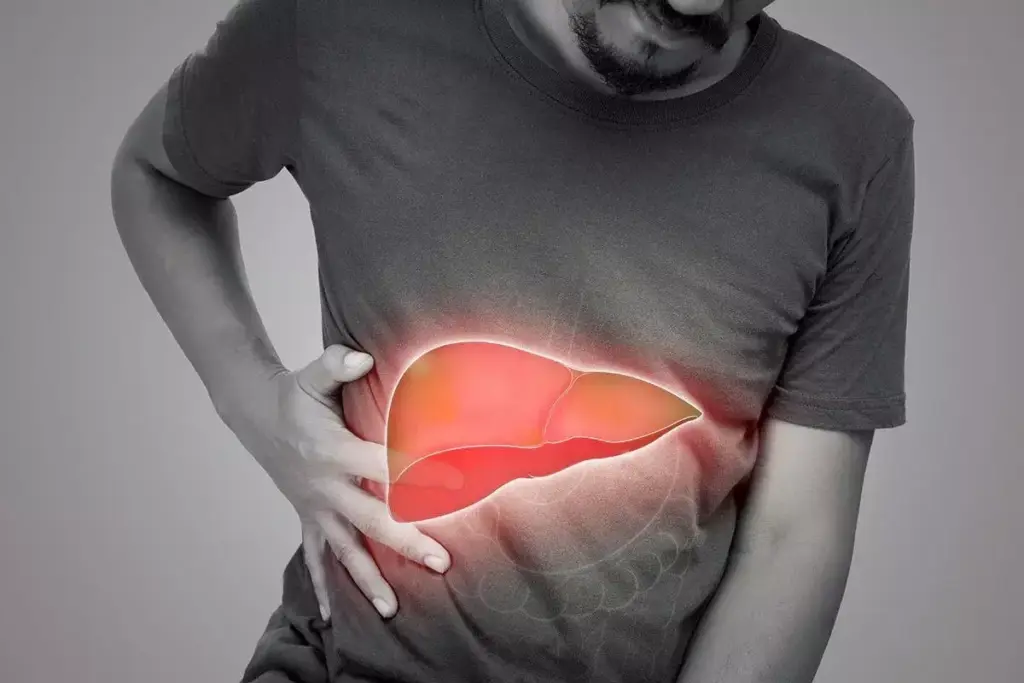
Celiac disease is a chronic autoimmune disorder that damages the small intestine. It makes it hard for the body to absorb nutrients. When people with celiac disease eat gluten, they might feel sick, including vomiting and nausea.
Recent studies found that almost 20 percent of celiac patients vomit or feel nauseous after eating gluten. This shows how the body quickly reacts to gluten by attacking the small intestine.
We will look into how gluten and vomiting are linked in celiac disease. We will examine the immune response and symptoms caused by gluten exposure.
Key Takeaways
- Celiac disease is an immune-mediated condition triggered by dietary gluten.
- Vomiting and nausea are common symptoms of celiac disease.
- Recent studies highlight the immune system’s reaction to gluten exposure.
- Understanding the mechanisms behind gluten-induced vomiting can guide diagnosis and management.
- Identifying specific symptoms can lead to more accurate diagnosis and effective treatment.
Understanding Celiac Disease and Gluten Intolerance and Vomiting

Celiac disease and gluten intolerance are two conditions that affect the body differently. Celiac disease is an autoimmune disorder that damages the small intestine when gluten is eaten. This damage makes it hard for the body to absorb nutrients.
Gluten intolerance, or non-celiac gluten sensitivity, is different. People with this condition get symptoms like celiac disease when they eat gluten. But, their immune system doesn’t react as strongly, and their intestines don’t get damaged as much.
What Happens in the Body During Celiac Disease
In celiac disease, gluten triggers an immune response that harms the small intestine’s villi. These villi are key for absorbing nutrients. Damage to them can cause malnutrition.
Research shows that gluten in the diet of those with celiac disease causes inflammation. This inflammation can lead to symptoms like vomiting and nausea. Mayo Clinic notes that this reaction affects more than just the stomach.
Studies also show that a strict gluten-free diet can lessen symptoms of celiac disease. This includes vomiting and nausea. “Research indicates that vomiting and nausea are relatively specific symptoms related to gluten ingestion in treated celiac disease,” highlighting the importance of dietary compliance.
The Prevalence of Vomiting and Nausea in Celiac Patients
Vomiting and nausea are common in celiac disease, often after eating gluten. How often these symptoms happen can vary. But, they are more common in those who stick to a gluten-free diet and accidentally eat gluten.
The exact reasons for gluten-induced vomiting and nausea are complex. They involve how the immune system reacts to gluten. Knowing these reasons is key to managing symptoms and improving life for those with celiac disease.
The Immune Mechanism Behind Gluten-Induced Symptoms

Gluten-induced symptoms in celiac patients come from an immune reaction. This reaction targets the small intestine. When gluten is eaten, it triggers an immune response. This involves specific T lymphocytes, which mistakenly see gluten as harmful.
How the Immune System Attacks the Small Intestine
The immune system attacks the small intestine when gluten is eaten. This process is complex. Immune cells get activated, sending chemical signals. These signals bring more immune cells, causing inflammation and damage to the intestinal lining.
The villi, important for nutrient absorption, get flattened. This makes it hard for the body to absorb nutrients. This immune response can also affect the whole body, causing nausea and vomiting.
Rapid Cytokine Response After Gluten Exposure
Cytokines are released quickly after gluten exposure in celiac disease. Cytokines help fight infections and heal tissues. But in celiac disease, they cause inflammation and damage in the small intestine.
Studies show gluten-specific T lymphocytes get activated fast. This leads to the release of cytokines involved in acute immune responses. This quick response causes symptoms like vomiting and nausea as the body reacts to gluten.
Why Vomiting Occurs So Quickly After Gluten Ingestion
Vomiting happens fast after gluten ingestion because of the quick immune response. The immune system is very sensitive to gluten. When it detects gluten, it quickly tries to get rid of it.
This response includes cytokines and other chemicals that can cause nausea and vomiting. The body’s memory of past gluten exposures also plays a role. Over time, even small amounts of gluten can trigger a big immune response. This leads to symptoms like gluten poisoning symptoms and celiac throwing up.
Conclusion: Distinguishing Gluten-Related Vomiting from Other Symptoms
It’s important to know how celiac patients react to gluten. A study found that those on a gluten-free diet can have severe reactions to gluten. This can cause celiac nausea and vomiting.
It’s key to tell gluten-related vomiting apart from other stomach problems. Knowing how gluten affects the immune system helps doctors treat celiac disease better. This leads to better health for patients. If you have celiac disease, knowing the signs of gluten exposure can help you get help fast.
Sticking to a gluten-free diet is a must for celiac disease management. Knowing the symptoms of gluten exposure, like gluten intolerance vomiting, is important. Getting medical help quickly can prevent serious problems from gluten reactions.
FAQ
What is celiac disease and how does it relate to vomiting?
Celiac disease is a chronic autoimmune disorder that damages the small intestine. It makes it hard for the body to absorb nutrients. When people with celiac disease eat gluten, they might feel sick, including vomiting and stomach pain.
What is the difference between celiac disease and gluten intolerance?
Celiac disease is an autoimmune disorder that damages the small intestine when gluten is eaten. Gluten intolerance causes similar symptoms but doesn’t damage the intestine as much.
How does the immune system respond to gluten in celiac disease?
Gluten triggers an immune response in celiac disease. This response includes T cells and cytokines. These cytokines are key in causing symptoms like vomiting and nausea.
Why does vomiting occur quickly after gluten ingestion in celiac disease?
The quick cytokine response after eating gluten causes celiac patients to feel sick fast. This immune reaction happens quickly after gluten is eaten.
What are the symptoms of gluten exposure in celiac disease?
Symptoms of gluten exposure in celiac disease include vomiting, nausea, and diarrhea. People may also feel stomach pain and have other gut issues. The severity of these symptoms can differ from person to person.
How can celiac disease be managed to prevent vomiting and other symptoms?
To manage celiac disease, a strict gluten-free diet is key. If gluten is accidentally eaten, seeking medical help and adjusting diet habits can help manage symptoms.
Can gluten intolerance cause vomiting?
Yes, gluten intolerance can cause vomiting. The severity and frequency of symptoms may differ from celiac disease. People with gluten intolerance may also experience gut issues.
What are the signs of being “glutened”?
Being “glutened” means experiencing symptoms like vomiting and nausea. These symptoms happen when someone with celiac disease or gluten intolerance eats gluten.
How does gluten cross-contamination affect individuals with celiac disease?
Gluten cross-contamination can cause an immune response in celiac disease. This leads to symptoms like vomiting and stomach pain. Keeping a gluten-free environment is important to avoid cross-contamination.
What are the side effects of eating gluten after being gluten-free?
Eating gluten after being gluten-free can cause symptoms like vomiting and stomach pain. These symptoms are more common in celiac disease. The severity of symptoms can vary based on individual tolerance and the amount of gluten eaten.