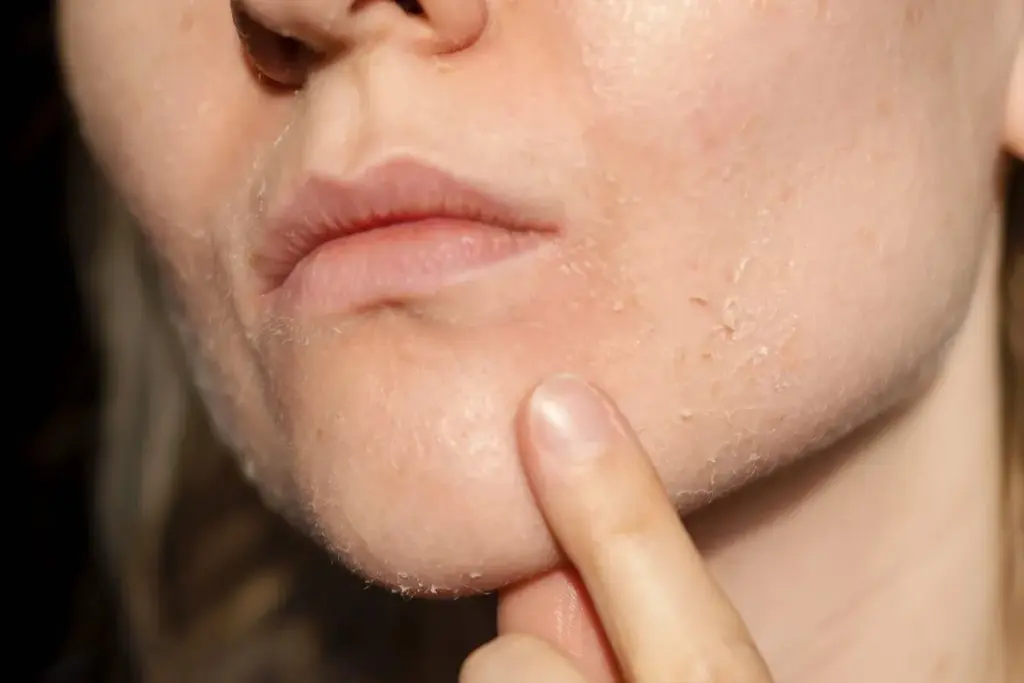
Hashimoto’s is an autoimmune condition where the immune system attacks the thyroid gland. This leads to hypothyroidism and significant skin problems, including dry skin. It can be really frustrating when your skin feels dry, itchy, or irritated, even after trying different skincare products.
The American Academy of Dermatology says that skin problems often show up first in thyroid disease. These can include dry, cracked skin, rashes, and chronic hives. About 65% of people with Hashimoto’s thyroiditis have dry skin.
Understanding how thyroid health affects your skin is key to better treatment. At Liv Hospital, we focus on your overall health. We offer thyroid care and support for patients from around the world.
Key Takeaways
- Hashimoto’s disease can cause dry skin due to hypothyroidism.
- Approximately 65% of Hashimoto’s patients experience dry skin.
- Thyroid disease can lead to various skin issues, including dryness and rashes.
- A patient-centered approach is essential for effective treatment.
- Liv Hospital provides extensive support for international patients with thyroid conditions.
Understanding Hashimoto’s Disease and Its Effects
To understand how Hashimoto’s affects the skin, we must first learn about this autoimmune disease. Hashimoto’s thyroiditis is when the immune system attacks the thyroid gland. This gland is key to our health and is located in the neck.
What is Hashimoto’s Thyroiditis?
Hashimoto’s thyroiditis happens when the immune system attacks the thyroid gland. This leads to inflammation and often less thyroid hormone. It’s the main reason for hypothyroidism in areas with enough iodine.
The thyroid gland makes hormones that help our body grow and work right. When Hashimoto’s affects the thyroid, it can cause symptoms like tiredness, weight gain, and dry skin.
How Hashimoto’s Leads to Hypothyroidism
Hashimoto’s thyroiditis often leads to hypothyroidism. This is when the thyroid gland doesn’t make enough thyroid hormones. This can mess with how our body works, including our skin.
Less thyroid hormone is a big problem in hypothyroidism from Hashimoto’s. Thyroid hormones help keep our skin healthy. When we don’t have enough, our skin can become dry, rough, and cold.
It’s important to know how Hashimoto’s, hypothyroidism, and dry skin are connected. By fixing the thyroid problem, we can help our skin issues too.
The Connection Between Hashimoto Disease Dry Skin and Hypothyroidism
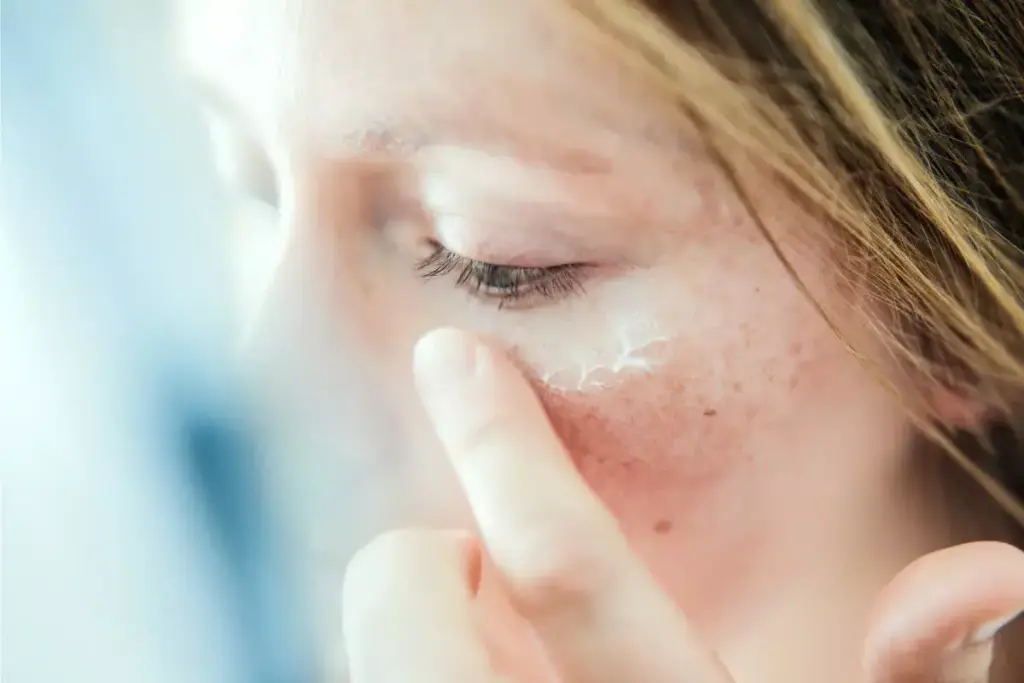
Hashimoto’s disease often shows up with dry skin. This symptom is closely tied to hypothyroidism. It’s important to understand this link to manage the condition well.
Statistics: How Common is Dry Skin in Hashimoto’s Patients?
About 65% of Hashimoto’s patients have dry skin. A study in the Journal of General Internal Medicine found 74% of hypothyroid patients also have dry skin. These numbers show how big of an issue dry skin is for Hashimoto’s patients.
The Physiological Mechanism
Dry skin in Hashimoto’s patients comes from less eccrine gland secretion. When thyroid hormone levels drop, skin moisture and integrity suffer. This leads to dry, itchy skin.
The skin also loses its ability to hold moisture because of changes in its lipids. This makes it more prone to dryness and irritation. Knowing this helps us tackle dry skin in Hashimoto’s patients more effectively.
Other Skin Manifestations in Hashimoto’s Disease
Hashimoto’s disease can cause several skin problems. Dry skin is common, but many also face other skin issues. These can really affect how well they live.
Itching and Autoimmune Rashes
Many with Hashimoto’s experience itching and autoimmune rashes. These rashes can be painful and ugly. They add to the stress of having the disease.
About 25 to 30% of people with chronic hives also have Hashimoto’s. This shows how closely thyroid autoimmunity and skin health are connected.
“The presence of autoimmune thyroiditis can manifest in various skin conditions, underscoring the need for complete care in managing Hashimoto’s disease.”
Eczema-Like Conditions and Chronic Hives
Eczema-like conditions are common in Hashimoto’s patients. They can be hard to treat because they’re caused by the immune system. Chronic hives also happen often, causing itchy welts that come and go.
| Skin Manifestation | Characteristics | Prevalence in Hashimoto’s |
| Autoimmune Rashes | Itchy, red, and inflamed skin | Common |
| Eczema-Like Conditions | Dry, scaly, and inflamed skin | Frequent |
| Chronic Hives | Recurring itchy welts | Approximately 25-30% |
It’s important to know about these skin problems to help Hashimoto’s patients. By tackling these issues, doctors can make a big difference in their lives.
Treating Dry Skin in Hashimoto’s Disease
Dealing with dry skin linked to Hashimoto’s disease needs a mix of treatments. It’s important to tackle the thyroid issue and the skin symptoms. This includes medical treatments, topical solutions, and self-care steps.
Medical Approaches
Fixing the thyroid problem is key to solving skin issues. Taking thyroid hormone replacement, like levothyroxine, helps balance hormones. This can slowly fix skin problems.
Experts say, “Thyroid hormone replacement is vital for managing hypothyroidism and its symptoms, including dry skin.”
Fixing the hormonal imbalance greatly improves skin health. It’s important to work with a doctor to find the right dosage and track progress.
Topical Solutions and Self-Care Strategies
Medical treatment is just part of the solution. Topical solutions and self-care are also critical. Using gentle, moisturizing products helps keep moisture in and dryness out. Creams and ointments with emollients offer long-lasting hydration.
Some good self-care tips include:
- Using lukewarm water instead of hot water when bathing
- Applying moisturizer right after bathing while the skin is damp
- Staying away from harsh soaps and cleansers that take away natural oils
For more tips on managing dry, irritated skin with Hashimoto’s, check out Paloma Health’s guide on improving dry skin. This guide offers great advice on the best products and practices for hypothyroidism.
As “Dry skin is a common complaint among Hashimoto’s patients, and it can significantly impact quality of life.” Combining medical treatment with good self-care can lead to better skin health and overall well-being.
In conclusion, treating dry skin in Hashimoto’s disease requires a full approach. This includes medical treatment and making lifestyle changes. By working with doctors and using effective self-care, patients can improve their skin and feel better.
Conclusion
Hashimoto’s disease greatly affects skin health, often causing dry skin. We’ve looked into how hypothyroidism, a result of Hashimoto’s, impacts the skin. This leads to dryness, itching, and autoimmune rashes.
Getting the right diagnosis and treatment for thyroid issues is key. It helps both internal health and skin look better. To manage skin problems from Hashimoto’s, a mix of medical care and self-care is needed. This way, people can see big improvements in their skin, like less dryness.
Dealing with Hashimoto’s face and skin issues requires both medical and topical treatments. Knowing how Hashimoto’s affects the skin helps people take action. They can manage their symptoms and improve their overall health.
FAQ
What is Hashimoto’s disease and how does it affect the skin?
Hashimoto’s disease is an autoimmune condition that harms the thyroid. This leads to hypothyroidism, where the thyroid doesn’t make enough hormones. The lack of these hormones can make the skin dry, itchy, and prone to eczema-like conditions.
How common is dry skin in patients with Hashimoto’s disease?
About 65% of people with Hashimoto’s disease have dry skin. This means about 6 out of 10 people with this condition experience dry skin.
What is the physiological mechanism behind dry skin in Hashimoto’s disease?
The low levels of thyroid hormones in Hashimoto’s disease make it hard for the skin to keep moisture. This leads to dry skin.
Can Hashimoto’s disease cause itchy skin?
Yes, Hashimoto’s disease can make the skin itchy. This is because the condition is autoimmune and leads to hypothyroidism.
Are there any other skin manifestations associated with Hashimoto’s disease?
Yes, Hashimoto’s disease can also cause autoimmune rashes and eczema-like conditions. These are due to the autoimmune nature of Hashimoto’s.
How is dry skin in Hashimoto’s disease typically treated?
Treatment includes medical options like thyroid hormone replacement therapy. Topical solutions like moisturizing creams are also used. Self-care strategies can help manage dry skin.
Can treating the underlying thyroid condition improve skin health?
Yes, treating the thyroid condition with hormone replacement therapy can improve skin health. It can help with dry skin and overall well-being.
What self-care strategies can help manage dry skin associated with Hashimoto’s?
Using moisturizing creams and avoiding harsh soaps can help. Keeping a consistent skincare routine is also important. Staying hydrated and avoiding extreme temperatures can also be beneficial.
Are there any specific skincare products recommended for Hashimoto’s patients with dry skin?
There are no specific products for Hashimoto’s patients. But, using fragrance-free, hypoallergenic moisturizers that are rich in emollients can be helpful for dry skin.
References
https://my.clevelandclinic.org/health/diseases/17665-hashimotos-disease