
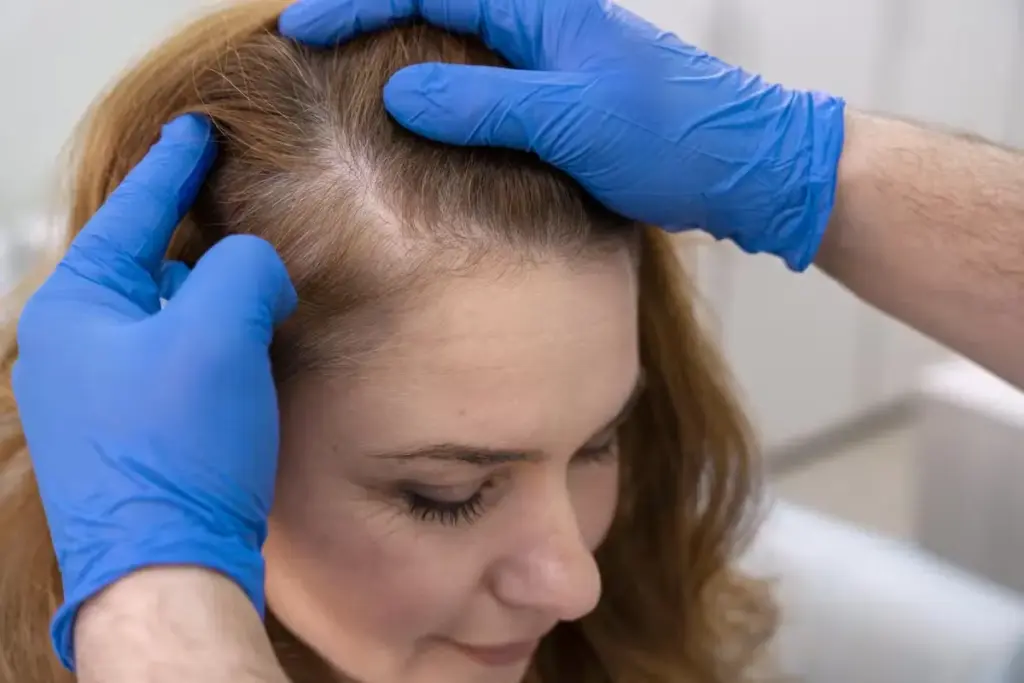
Living with a chronic autoimmune condition can lead to physical changes. Swelling in the scalp and follicles is a big challenge. Many patients wonder, does lupus cause hair loss, as they notice thinning during flare-ups.
This symptom is a big sign of disease activity that needs care. At Liv Hospital, we understand the emotional weight of these skin changes. These signs can hurt your confidence and well-being.
Our team combines medical expertise with a kind approach to treat these symptoms. We focus on smart plans that fix the problem while protecting how you look. By treating the swelling, we help you regain control over your health.
Understanding why does lupus cause hair loss is the first step to get better. We provide the tools and support you need for lasting recovery and comfort. Our goal is to help you maintain your health while managing this condition.
Key Takeaways
- Active health issues often trigger follicle thinning.
- Scalp swelling is a main cause of these physical changes.
- Emotional care is vital for your total recovery.
- Expert care targets the root of the immune response.
- Early medical visits help keep your follicles healthy.
- Liv Hospital provides kind and focused skin care.
1. Understanding Why Lupus Causes Hair Loss
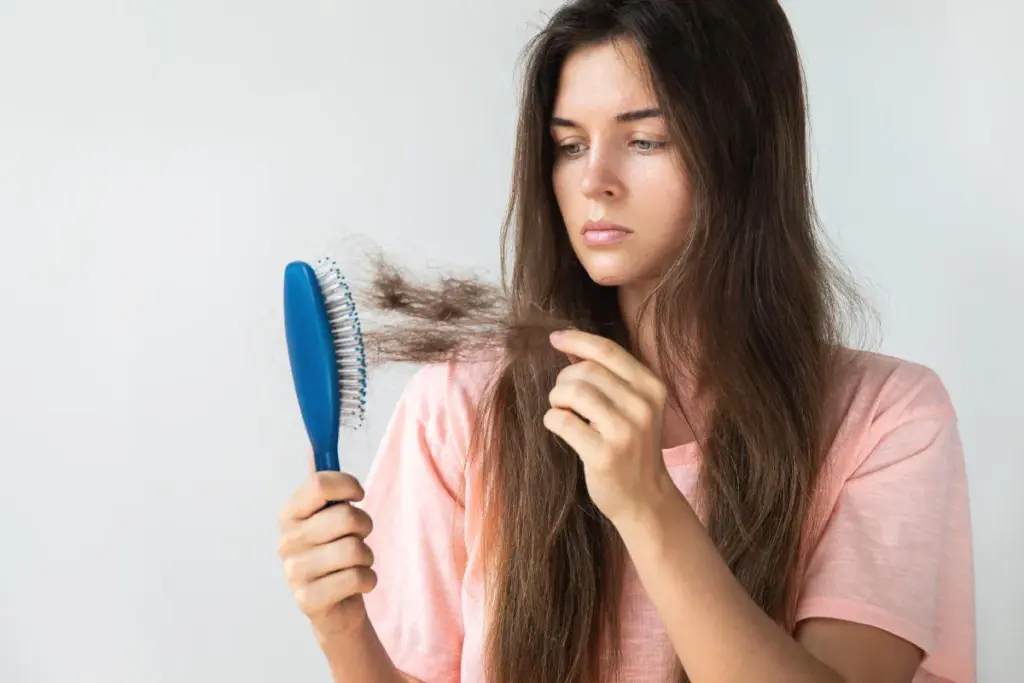
Lupus and hair loss are linked because lupus is an autoimmune disease. It affects many parts of the body, including the skin and joints. Hair loss is a common symptom that can be upsetting.
The inflammation caused by lupus is the main reason for hair loss. When the immune system attacks the body, it can harm the scalp. This disrupts hair growth.
1.1 The Autoimmune Attack on Hair Follicles
In lupus, the immune system mistakenly attacks hair follicles. This leads to inflammation and hair loss. The inflammation stops hair from growing normally, causing thinning or excessive shedding.
Inflammation is a key factor in lupus-related hair loss. It can range from mild to severe, affecting the scalp and causing hair loss.
1.2 Types of Hair Loss in Lupus Patients
Lupus patients can experience different types of hair loss. These are mainly non-scarring and scarring alopecia.
- Non-scarring alopecia is more common. It doesn’t destroy hair follicles, so it might be reversible.
- Scarring alopecia destroys follicles. This leads to permanent hair loss if not treated quickly.
| Type of Alopecia | Characteristics | Reversibility |
| Non-scarring | Hair loss without follicle destruction | Potentially reversible |
| Scarring | Hair loss with follicle destruction | Permanent if untreated |
1.3 Contributing Factors Beyond Disease Activity
Other factors can also cause hair loss in lupus patients. These include:
- Medications: Some lupus treatments can cause hair loss as a side effect.
- Stress: Physical or emotional stress can make hair loss worse in lupus patients.
- Nutritional deficiencies: Not getting enough nutrients can harm hair health and lead to loss.
Healthcare providers can create better treatment plans by understanding all the factors that cause hair loss in lupus. This includes the disease itself and other factors like medications, stress, and nutrition.
2. Effective Lupus Hair Loss Treatments and Management
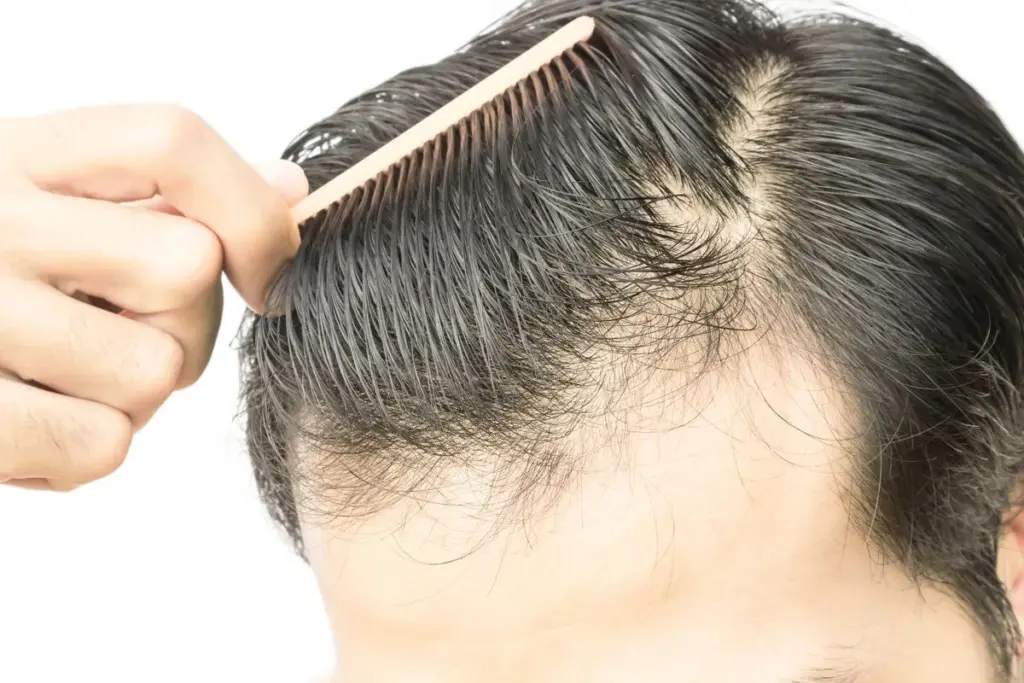
Managing lupus hair loss requires controlling the disease and using special hair care. This mix is key to tackling lupus hair loss’s complex nature.
2.1 Medical Treatments for Controlling Disease Activity
Medical treatments are essential in managing lupus hair loss. They help control the disease. Antimalarial drugs and immunosuppressants are used to lessen inflammation and stop hair loss.
A study in a top medical journal shows antimalarial drugs are key in treating lupus. They help manage symptoms and lower disease activity.
Lupus Foundation
| Medication Type | Purpose | Examples |
| Antimalarial Drugs | Reduce inflammation and disease activity | Hydroxychloroquine, Chloroquine |
| Immunosuppressants | Suppress the immune system to prevent further damage | Azathioprine, Cyclophosphamide |
2.2 Hair Care and Lifestyle Strategies
Medical treatments are not the only solution. Gentle hair care and lifestyle changes also help manage lupus hair loss. Gentle hair care routines, stress reduction, and a balanced diet are advised.
- Use gentle shampoos and conditioners
- Avoid excessive heat styling
- Reduce stress through meditation or yoga
2.3 Does Lupus Hair Loss Grow Back?
Many wonder if lupus hair loss can be reversed. In some cases, hair loss may be reversible when the disease is controlled. But, how much hair grows back varies by person and disease severity.
2.4 Comprehensive Treatment at Liv Hospital
At Liv Hospital, we have a detailed treatment plan for lupus hair loss. It combines medical treatments with supportive care. Our goal is to tackle lupus’s physical and emotional aspects.
We use advanced medical treatments and personalized care to help our patients manage lupus hair loss. This approach improves their quality of life.
3. Conclusion
Lupus can really affect a person’s life, and hair loss is a big worry for many. It’s important to know that lupus can cause hair loss, which is key to managing it well.
Hair loss from lupus can happen for many reasons. This includes the disease itself, scalp problems, and even specific hairline issues. Breakage is another common problem. With the right care, we can lessen lupus’s impact on hair health.
At Liv Hospital, we offer top-notch healthcare for international patients. We focus on treating lupus-related hair loss. Our goal is to help our patients manage their condition effectively.
We provide treatments and lifestyle advice that fit each patient’s needs. This helps those with lupus take back control of their hair and overall health. If lupus is causing your hair loss, getting professional help is a good step.
FAQ
Can lupus cause hair loss and why does it happen?
Yes, lupus can cause hair loss due to inflammation attacking hair follicles during flare-ups.
Does lupus hair loss grow back after a flare-up?
Hair often grows back once lupus is controlled, unless scarring has occurred.
What are the most effective lupus hair loss treatments available?
Treatment focuses on controlling lupus with medications, along with gentle hair care and managing inflammation.
How can I identify lupus hair breakage and changes in the hairline?
Look for fragile, short “broken” hairs (often called lupus hair) and thinning around the front hairline.
Is there a specific approach for managing female lupus hair thinning?
Women should combine medical treatment for lupus with nutrition, stress control, and gentle styling.
Does lupus make you lose hair permanently in all cases?
No, permanent loss usually happens only in scarring types of lupus.
Will lupus cause hair loss if the disease is well-managed?
Hair loss is much less likely when lupus is well-controlled.
References
National Center for Biotechnology Information. Evidence-Based Medical Insight. Retrieved from https://pmc.ncbi.nlm.nih.gov/articles/PMC10477750/



 Departments
 Related Videos
 Our Doctors
 News
News