
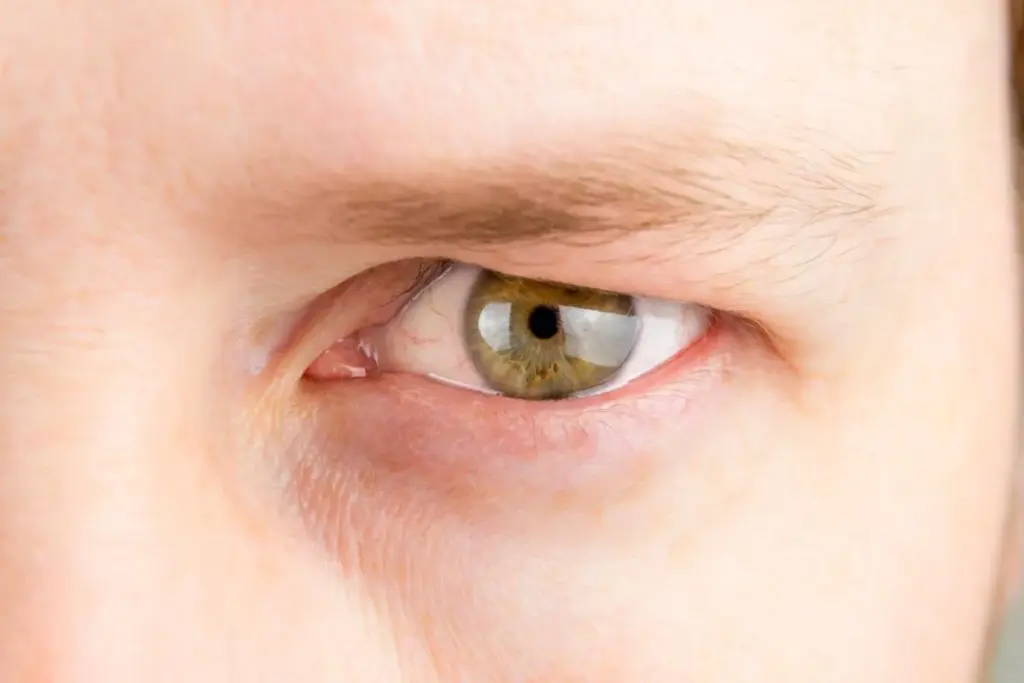
Ever felt like your eyes are tired and heavy after staring at screens for hours? This is a common problem for millions of adults. It’s mainly because we’re spending more time on digital devices.
At Liv Hospital, we take eye strain seriously. Studies show it causes many eye problems. We aim to find out why and help you feel better.
Key Takeaways
- Digital device usage is a primary cause of eye strain.
- Eye strain can lead to a range of ocular and visual symptoms.
- Understanding the causes is key to relief.
- Liv Hospital offers trusted, evidence-based eye care solutions.
- Relief strategies can greatly improve eye health.
Understanding the Heavy Eye Sensation

Eye strain, or asthenopia, makes your eyes feel heavy or tired. It’s more common now because we use digital devices a lot. Prolonged screen time affects people of all ages.
What Is Eye Strain (Asthenopia)?
Eye strain happens when your eye muscles work too hard. This usually happens when you stare at digital screens for a long time. It can cause tired eyes, dryness, and blurry vision.
- Dryness and irritation
- Blurred vision
- Headaches
- Double vision
Digital Eye Strain Statistics and Prevalence
Digital eye strain is a big problem worldwide. Many people get eye strain from using digital devices. Over 60% of adults say they have digital eye strain symptoms.
Recognizing Eye Exhaustion Symptoms
It’s important to know the signs of eye exhaustion. Common signs include:
- Feeling of heaviness or tiredness in the eyes
- Dry, irritated eyes
- Blurred vision or double vision
- Headaches or migraines triggered by screen time
Knowing these symptoms helps us take steps to prevent eye strain. This improves our eye health.
Why Your Eye Feels Heavy: Main Causes

[Add image here]Many people feel their eyes are heavy. This can be due to several reasons. Our eyes face a lot of strain in today’s digital world. This strain can cause discomfort and make our eyes feel heavy.
Prolonged Digital Device Use and Screen Time
Using digital devices for a long time can make your eyes feel heavy. Extended screen time makes our eyes work harder. This can lead to eye strain, fatigue, and discomfort.
People spend a lot of time in front of screens. This can cause digital eye strain. Symptoms include eye discomfort, dryness, and fatigue.
Reduced Blinking and Eye Dryness
Looking at screens can make us blink less. This leads to eye dryness. Our eyes don’t get enough moisture, causing irritation and discomfort.
Eye dryness makes our eyes feel heavy. It’s important to take breaks from screens. Try the 20-20-20 rule: look away from your screen every 20 minutes for 20 seconds.
Eye Muscle Pain and Accommodative Stress
Eye muscle pain is another reason for heavy eyes. Prolonged strain can tire the muscles around our eyes. This leads to pain and discomfort.
Accommodative stress happens when our eyes struggle to adjust to changing visuals. This stress can cause eye strain and make our eyes feel heavy.
| Cause | Effect | Relief Measure |
| Prolonged Digital Device Use | Eye Strain, Fatigue | Follow 20-20-20 Rule, Adjust Display Settings |
| Reduced Blinking | Eye Dryness, Irritation | Conscious Blinking, Use of Lubricating Drops |
| Eye Muscle Pain | Discomfort, Heaviness | Eye Exercises, Proper Lighting |
Why One Eye May Feel Heavier Than the Other
It’s common for one eye to feel heavier than the other. This can be due to many reasons. Differences in visual acuity, uneven eye strain, or how we position ourselves in front of screens can cause this.
Understanding why one eye feels heavier is important. For example, if one eye is more strained due to prescription differences or aniseikonia, it can lead to uneven eye strain.
Relief Strategies and Treatment Options
To fight fatigued eyes, we need a mix of quick fixes and long-term eye care. We’ll look at ways to ease eye strain, helping you stay comfortable at work and at home.
Immediate Relief Techniques for Fatigued Eyes
Quick relief is key when your eyes feel strained. Try the 20-20-20 rule: every 20 minutes, look 20 feet away for 20 seconds. This simple trick can cut down on eye strain and make your eyes feel better.
Blinking often helps keep your eyes moist, which is important when using digital devices. Eye exercises like rolling your eyes or focusing on a point then shifting can relax your eye muscles.
Optimizing Your Workspace Ergonomics
A good workspace setup is key to avoiding eye strain. Make sure your computer screen is at a comfy distance. The top of the monitor should be at eye level or a bit below.
Adjust your display settings for the right brightness and contrast to avoid glare. Good lighting is also important; don’t place your computer where it gets glare from lights.
Long-Term Prevention Strategies
For lasting prevention, regular eye exams are a must. An eye doctor can spot early eye problems and give you tips on managing eye strain. Eating well and staying hydrated also helps keep your eyes healthy.
- Take regular breaks to rest your eyes
- Stay hydrated to keep your eyes moist
- Limit screen time outside of work
When to Consult an Eye Care Professional
If eye strain doesn’t go away or gets worse, see an eye doctor. They can check your eyes, offer advice on eye strain, and treat any underlying issues.
Using quick fixes, setting up your workspace right, and taking care of your eyes long-term can help you manage eye strain and keep your eyes healthy.
Conclusion
Understanding eye strain is key in today’s digital world. Using digital devices for too long can cause eye strain. This leads to discomfort and fatigue.
We’ve looked at why eye strain happens. It includes not blinking enough, dry eyes, and stress on the eyes.
To ease eye strain, taking breaks and setting up your workspace right is important. Good eye care habits also help. By taking care of our eyes, we can avoid eye strain and stay healthy.
Exercises for the eyes and a healthy lifestyle can also help. This way, we can handle the effects of digital devices better.
Knowing the causes of eye strain and using the right relief strategies is vital. This helps keep our vision healthy and reduces eye strain discomfort. We urge readers to look after their eye health and get help if problems don’t go away.
FAQ
What is eye strain, and how does it cause a heavy eye sensation?
Eye strain occurs when the eyes are overused, often from long periods of reading, screen use, or focusing. This can lead to tired eye muscles, causing a heavy, sore, or uncomfortable sensation.
Why does my right eye feel heavy, but not my left?
One eye may feel heavier due to uneven eye usage, dryness, or muscle fatigue. It can also occur if one eye works harder due to vision imbalance or strain.
What are the symptoms of eye exhaustion?
Common symptoms include tired or heavy eyes, blurred vision, headaches, dry eyes, and difficulty focusing. Some people may also experience eye redness or sensitivity to light.
How can I relieve eye strain caused by digital device use?
Take regular breaks, blink frequently, and adjust screen brightness to reduce strain. Using artificial tears and keeping the screen at eye level can also help.
What is the 20-20-20 rule, and how does it help?
The 20-20-20 rule means every 20 minutes, look at something 20 feet away for 20 seconds. This relaxes eye muscles and helps prevent digital eye strain.
How can I prevent eye strain in the long term?
Maintain proper lighting, adjust screen distance, and follow regular eye breaks. Wearing correct prescription glasses and limiting screen time can also help.
When should I consult an eye care professional about my heavy eye sensation?
You should see an eye doctor if the heaviness persists, worsens, or is accompanied by pain, vision changes, or severe headaches. Persistent symptoms may indicate an underlying issue.
Can eye strain be a sign of an underlying condition?
Yes, sometimes eye strain can be linked to conditions like uncorrected vision problems, dry eye syndrome, or migraines. A professional eye exam can help identify the cause.
How does optimizing workspace ergonomics help reduce eye strain?
Proper workspace setup keeps screens at a comfortable distance and angle, reducing eye muscle effort. Good lighting and correct posture also help prevent eye fatigue.
References
National Center for Biotechnology Information. Evidence-Based Medical Insight. Retrieved from https://pmc.ncbi.nlm.nih.gov/articles/PMC8465972/