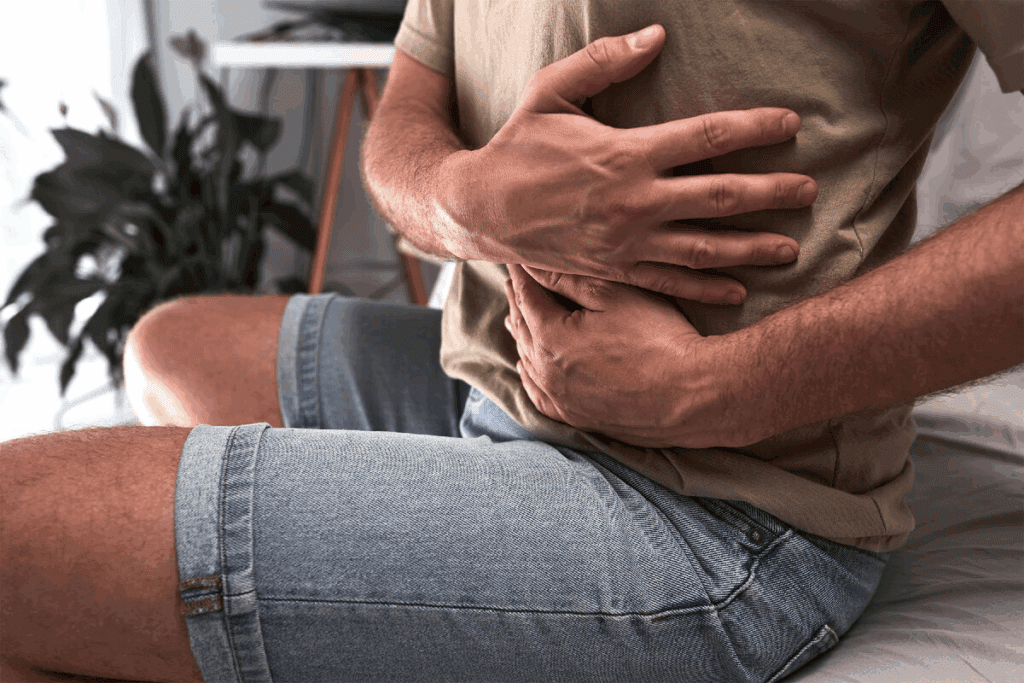
Pain in the lower right abdomen can be worrying. It might mean a few different health problems, from mild to serious why does my lower right abdomen hurt.
At Liv Hospital, we know that abdominal pain on the right side often comes from simple issues like gas or indigestion. These usually go away by themselves.
But, it’s important to find out what’s causing the pain to know if you need to see a doctor. We’ll look at the reasons for lower right abdominal pain, their signs, and when to get help.
Key Takeaways
- Lower right abdominal pain can be caused by various factors, including gastrointestinal issues and reproductive health problems.
- Pain on the right side of the abdomen is often a sign of gas or indigestion.
- Understanding the cause of the pain is essential for determining the appropriate course of action.
- Some cases of lower right abdominal pain may require immediate medical attention.
- Liv Hospital’s patient-centered approach ensures thorough evaluation and care for patients with abdominal pain.
Understanding Lower Right Abdominal Pain
[Add image here]
The lower right abdomen is a complex area with many important organs. Pain here can mean different health problems. Knowing the type of pain helps find the cause and the right treatment.
Characteristics of Different Pain Types
Pain in the lower right abdomen can feel sharp, dull, crampy, or constant. For example, sharp right abdomen pain might mean a sudden issue like appendicitis. Lower right abdominal pain when breathing could point to a problem with the diaphragm or organs below it.
We sort pain into types based on how it feels and lasts. Knowing these types helps doctors figure out what’s wrong.
| Pain Type | Description | Possible Causes |
|---|---|---|
| Sharp Pain | Sudden, severe pain | Appendicitis, Kidney Stones |
| Dull Pain | Persistent, mild pain | Indigestion, Constipation |
| Crampy Pain | Intermittent, cramping pain | Menstrual Cramps, IBS |
Acute vs. Chronic Pain
Pain in the lower right abdomen can be acute or chronic. Acute pain is sudden and severe, needing quick medical help. It might be from appendicitis or a ruptured ovarian cyst. Chronic pain lasts longer, weeks, months, or years. It could be from IBS or endometriosis.
Knowing if pain is acute or chronic helps find the cause. It also helps decide the right tests and treatments.
Anatomy of the Lower Right Abdomen

Knowing the anatomy of the lower right abdomen is key to figuring out pain causes. This area, known as the right lower quadrant, has important organs that can hurt.
Organs Located in This Region
The lower right abdomen is home to parts of the digestive system. This includes the appendix and parts of the small and large intestines. In women, the right ovary and fallopian tube are also found here.
Studies show that inguinal hernias happen more in men. They are found in 9.61% of men, compared to 1.31% of women.
How Location Affects Symptom Presentation
Pain in the lower right abdomen can point to the problem organ or system. For example, pain here might mean issues with the appendix, intestine, or right ovary in women. The type of pain, like sharp or dull, can also hint at the cause.
We’ll look into how pain location and type help diagnose lower right abdomen problems.
Appendicitis: The Most Common Surgical Cause
Appendicitis is an inflammation of the appendix that needs quick treatment. It happens when the appendix gets blocked, causing infection and swelling. If not treated, it can lead to serious problems like rupture and peritonitis.
Classic Symptoms and Progression
The signs of appendicitis start with dull pain at the lower right abdomen or near the navel. This pain gets worse and moves to the lower right. Other symptoms include:
- Loss of appetite
- Nausea and vomiting
- Fever
- Abdominal tenderness
- Rebound tenderness (pain upon release of pressure)
It’s important to notice these symptoms early. Quick action is key to avoiding serious issues. A medical expert says, “Prompt surgery is often needed to treat appendicitis well.”
“The diagnosis of appendicitis is mainly based on symptoms and physical check-up. But, tests like ultrasound or CT scans can help confirm it.”
Diagnostic Approaches
Diagnosing appendicitis involves clinical evaluation, lab tests, and imaging. The severe pain right side abdomen is a key sign. Doctors may do:
- Physical check-up to check for tenderness and guarding
- Blood tests to look for infection or inflammation signs
- Imaging tests like ultrasound or CT scans to see the appendix
Treatment Options and Recovery
The main treatment for appendicitis is removing the appendix surgically. Sometimes, laparoscopic surgery is used, which has smaller cuts and quicker recovery. Antibiotics are given to treat any infection. After surgery, you’ll need to rest and slowly get back to normal activities.
Knowing the symptoms and getting medical help quickly is key to managing appendicitis. If you have stomach cramps in the right side or other signs, see a doctor right away.
Gastrointestinal Causes of Lower Right Abdominal Pain
Lower right abdominal pain can come from many gastrointestinal issues. These include problems that inflame or irritate the digestive system. Knowing the causes, symptoms, and treatments for these issues is key to managing pain effectively.
Irritable Bowel Syndrome (IBS)
Irritable Bowel Syndrome (IBS) is a disorder that causes chronic pain and changes in bowel movements. The exact cause is unknown, but stress, diet, and hormonal changes can make symptoms worse. People with IBS often feel pain in the lower abdomen that gets better after they go to the bathroom.
Symptoms of IBS include pain, bloating, gas, diarrhea, or constipation. To manage IBS, making lifestyle changes, adjusting your diet, and using medication can help.
Inflammatory Bowel Disease
Inflammatory Bowel Disease (IBD) includes Crohn’s disease and ulcerative colitis. These conditions cause long-term inflammation in the gut. Symptoms include severe pain, diarrhea, and weight loss. The exact cause is not known, but genetics, immune system issues, and environment play a role.
Treatment for IBD may include anti-inflammatory drugs, immunosuppressants, and sometimes surgery. This is to manage symptoms and prevent complications.
Diverticulitis and Colitis
Diverticulitis happens when small pouches in the colon get inflamed. It can cause pain, fever, and changes in bowel habits. Colitis is inflammation of the colon, often caused by infections or allergic reactions.
Diverticulitis treatment may include antibiotics, diet changes, and surgery in severe cases. Colitis treatment depends on the cause and can include medications to reduce inflammation, antibiotics, or other interventions.
Common causes like gas, indigestion, and constipation usually get better within hours or days. Knowing the cause of lower right abdominal pain is vital for proper treatment and relief.
Why Does My Lower Right Abdomen Hurt When It’s Not Appendicitis?
Lower right abdominal pain doesn’t always mean appendicitis. Many other causes exist. Sharp or stabbing pain on the right side can be scary. But, it’s often due to other stomach problems.
Intestinal Gas and Bloating
Intestinal gas and bloating are common causes of pain. Gas in the intestines can cause discomfort, often on the right side. Symptoms include belching, bloating, and a swollen belly.
Managing intestinal gas means changing your diet. Avoid foods like beans and cabbage. Eat smaller meals more often.
Constipation and Bowel Obstruction
Constipation can also cause pain in the lower right abdomen. Stool buildup in the colon leads to discomfort. In severe cases, it can block the intestine.
Symptoms of bowel obstruction include severe pain, vomiting, and constipation. Treatment focuses on the cause, like diet changes or medication.
Food Intolerances and Allergies
Food intolerances and allergies can also cause pain. For example, lactose or gluten intolerance can lead to pain and bloating.
“Identifying and avoiding trigger foods can significantly reduce symptoms of food intolerances.”
Managing food intolerances means changing your diet. Avoid foods that trigger symptoms and find other nutrient sources.
In conclusion, while appendicitis is a common cause of pain, other issues like gas, constipation, and food intolerances can also cause it. Understanding these causes helps manage symptoms and seek medical help when needed.
Urinary Tract Issues Causing Right-Sided Pain
Lower right abdominal pain often points to urinary tract problems. The urinary system includes the kidneys, ureters, bladder, and urethra. Issues in these areas can cause a lot of discomfort.
Kidney Stones and Renal Colic
Kidney stones are hard, mineral-based deposits in the kidneys. When they move to the ureters, they cause severe pain called renal colic. This pain is usually on one side of the lower abdomen and can spread to the groin.
Symptoms of kidney stones include:
- Severe pain in the side and back, below the ribs
- Pain that radiates to the lower abdomen and groin
- Painful urination
- Nausea and vomiting
| Symptom | Description |
|---|---|
| Severe pain | Often felt on one side of the lower abdomen |
| Painful urination | Can occur if the stone is causing an obstruction |
| Nausea and vomiting | Common accompanying symptoms |
Urinary Tract Infections
Urinary tract infections (UTIs) happen when bacteria get into the urinary system. They can affect the kidneys, bladder, and urethra. Symptoms include pain while urinating, needing to urinate often, and abdominal pain.
UTIs are more common in women, but men can also be affected. If not treated, UTIs can lead to serious problems like kidney damage.
Right Ureter Obstruction
The ureters carry urine from the kidneys to the bladder. An obstruction in the right ureter can cause pain on the right side of the lower abdomen. This can be due to kidney stones, tumors, or scar tissue.
Treatment for ureter obstruction depends on the underlying cause and may include surgery, stenting, or other interventions to relieve the blockage and restore normal urine flow.
Reproductive System Causes in Women
When women feel pain in their lower right abdomen, it’s important to think about the possible causes. These can range from common issues to more serious problems.
Ovarian Cysts and Rupture
Ovarian cysts are fluid-filled sacs on the ovaries. Most are harmless, but some can hurt a lot if they burst or twist. A burst cyst can cause sudden, sharp pain in the lower belly, along with nausea and vomiting.
Symptoms of a ruptured ovarian cyst may include:
- Sudden, severe abdominal pain
- Nausea and vomiting
- Fever
- Vaginal bleeding
Endometriosis
Endometriosis is when tissue like the uterus lining grows outside the uterus. It can cause pain and discomfort. This misplaced tissue can lead to inflammation and scarring, mainly during periods.
Common symptoms of endometriosis include:
- Pelvic pain or cramping
- Painful periods
- Heavy or irregular menstrual bleeding
- Infertility
Pelvic Inflammatory Disease
Pelvic inflammatory disease (PID) is an infection of the female reproductive organs. It’s often caused by bacteria from sex. PID can cause lower belly pain and, if not treated, can lead to serious problems like infertility.
Symptoms of PID may include:
- Lower abdominal pain
- Abnormal vaginal discharge
- Fever
- Pain during intercourse
Ectopic Pregnancy and Complications
An ectopic pregnancy happens when a fertilized egg implants outside the uterus, often in a fallopian tube. It can cause lower belly pain and, if not treated quickly, can be very dangerous.
Symptoms of an ectopic pregnancy may include:
- Abdominal pain, often on one side
- Vaginal bleeding
- Nausea and vomiting
- Dizziness or fainting
We summarize the reproductive system causes and their symptoms in the table below:
| Condition | Common Symptoms |
|---|---|
| Ovarian Cysts and Rupture | Sudden, severe abdominal pain, nausea, vomiting, fever, vaginal bleeding |
| Endometriosis | Pelvic pain, painful periods, heavy or irregular menstrual bleeding, infertility |
| Pelvic Inflammatory Disease | Lower abdominal pain, abnormal vaginal discharge, fever, pain during intercourse |
| Ectopic Pregnancy | Abdominal pain (often one-sided), vaginal bleeding, nausea, dizziness or fainting |
Women with persistent or severe lower right abdominal pain should see a doctor. This is to find out what’s causing the pain and get the right treatment.
Musculoskeletal Sources of Lower Right Abdominal Pain
Lower right abdominal pain can come from many musculoskeletal issues. These problems affect the muscles and tissues in the abdominal area. They can cause a lot of discomfort.
Muscle Strain and Trauma
Muscle strain is a common reason for lower right abdominal pain. It happens from overuse, sudden muscle contraction, or direct injury to the abdominal muscles. Symptoms include pain that gets worse with movement, tenderness, and swelling.
Rest, ice, compression, and elevation (RICE) are first steps to treat it. Along with these, pain management medication is also used.
Inguinal and Femoral Hernias
Hernias happen when part of an organ or tissue bulges through a weak spot in the muscle or tissue. Inguinal and femoral hernias can cause pain in the lower right abdomen. If they become trapped or cut off, they need surgical repair to fix symptoms and prevent worse problems.
Sports-Related Injuries
Sports injuries, like strains and tears of the abdominal muscles, are common in athletes. Activities that involve sudden twists, pulls, or direct blows to the abdomen can cause pain. Proper diagnosis is key, often through physical exams and imaging studies.
Treatment includes rest, rehabilitation, and sometimes physical therapy. This helps strengthen the muscles and prevents future injuries.
Knowing the musculoskeletal causes of lower right abdominal pain is key to managing it. By treating the root cause, people can find relief and get back to their usual activities.
Gender-Specific Patterns and Statistics
Lower right abdominal pain has different causes in men and women. This is because of many factors like biology, hormones, and body functions. Some problems are the same for both, but others are unique to each gender.
Doctors need to know these differences to give the right treatment. Patients should also understand their own risks.
Male-Specific Conditions
In men, pain in the lower right abdomen can be due to several reasons. These include:
- Testicular torsion: A serious issue that needs quick medical help.
- Inguinal hernias: More common in men because of a weak spot in the abdominal wall.
- Epididymitis: Inflammation of the epididymis, often from an infection.
Female-Specific Conditions
Women are more likely to have pain in the lower right abdomen. This is often because of problems with the reproductive system, such as:
- Ovarian cysts and rupture: Can cause severe pain and serious complications if not treated quickly.
- Ectopic pregnancy: A pregnancy outside the uterus, leading to pain on one side of the abdomen.
- Pelvic inflammatory disease (PID): An infection of the female reproductive organs causing lower abdominal pain.
These conditions show why it’s important to think about gender when diagnosing and treating lower right abdominal pain.
Epidemiological Differences
Studies have found that some conditions causing lower right abdominal pain are more common in one gender than the other. For example, appendicitis is common in both, but might have different risks and outcomes for men and women.
Knowing these differences helps in creating better prevention and treatment plans.
When to Seek Medical Attention
Knowing when to get help for lower right abdominal pain is key. This pain can mean different things, from mild to serious. It’s important to know when to act fast to avoid problems and get the right treatment.
Emergency Warning Signs
Some signs mean you need to see a doctor right away. These include:
- Severe pain that gets worse or comes with other scary signs.
- Fever over 101.5°F (38.6°C), which might mean an infection.
- Vomiting or trouble keeping fluids down, leading to dehydration.
- Bloating or feeling full without eating.
- Blood in stool or vomit, showing internal bleeding.
If you see any of these, don’t wait to get medical help. Quick action can greatly help with serious issues like appendicitis or a ruptured ovarian cyst.
Symptoms That Warrant Urgent Care
Some symptoms need urgent care but not emergency. These include:
- Persistent pain that doesn’t get better with common pain meds.
- Changes in bowel habits, like constipation or diarrhea lasting days.
- Abdominal tenderness or guarding (muscles tightening when pressed).
Keep an eye on your symptoms and see a doctor if they get worse or you’re unsure.
What Information to Provide Your Doctor
When you see a doctor, give them all the details. Talk about:
- The location and severity of your pain.
- Any associated symptoms, like fever, nausea, or bowel changes.
- Your medical history, including surgeries, allergies, and conditions.
- Any medications you’re taking, including how much.
Being detailed helps your doctor figure out what’s wrong and how to fix it.
Diagnostic Approaches for Lower Right Abdominal Pain
Diagnosing lower right abdominal pain requires a mix of clinical checks, lab tests, and imaging. Finding the right diagnosis is key to effective treatment. It helps doctors choose the best treatment plan.
Physical Examination Techniques
A detailed physical exam is the first step in diagnosing lower right abdominal pain. We use methods like palpation, percussion, and checking for rebound tenderness. These help us understand the pain’s nature and how severe it is.
Palpation helps find tender spots and possible masses. Rebound tenderness shows if the lining of the abdomen is irritated. The exam also looks at the patient’s overall health, including fever and other symptoms.
Laboratory Tests and Biomarkers
Laboratory tests are key in finding the cause of lower right abdominal pain. Tests like complete blood count (CBC), blood chemistry, and urinalysis give us clues. For example, a high white blood cell count might show an infection or inflammation.
Specific markers, like C-reactive protein (CRP), help diagnose conditions like appendicitis or inflammatory bowel disease. These tests, along with what we find in the exam, help us narrow down what might be wrong and plan further tests.
Imaging Studies and Their Applications
Imaging studies are a big part of diagnosing lower right abdominal pain. We use ultrasound, CT scans, and MRI, depending on the situation and the patient. Each imaging method gives us different views of the abdomen.
- Ultrasound is often the first choice, mainly for suspected appendicitis or gynecological issues. It’s non-invasive and doesn’t use radiation.
- CT scans give detailed images of the abdomen. They’re good for diagnosing many conditions, like appendicitis, diverticulitis, and bowel obstruction.
- MRI is used for specific cases where detailed soft-tissue images are needed. This includes conditions like Crohn’s disease or certain gynecological issues.
By combining what we learn from physical exams, lab tests, and imaging, we can accurately find the cause of lower right abdominal pain. This helps us create a good treatment plan.
Conclusion
Lower right abdominal pain can come from many causes, from mild to severe. Knowing what causes it and when to see a doctor is key. This can help avoid serious problems and improve health.
We looked at why right side belly pain happens. This includes appendicitis, stomach issues, bladder problems, and more. We also talked about how doctors diagnose and treat these issues.
It’s important to know when to get help fast. Being aware of urgent symptoms helps keep you healthy. Knowing what to tell your doctor is also vital.
In short, knowing about lower right abdominal pain helps you take care of your health. It leads to better health results.
FAQ:
What are the common causes of lower right abdominal pain?
Lower right abdominal pain can come from many sources. These include appendicitis, stomach issues, reproductive problems, urinary tract issues, and muscle pain.
What is the difference between acute and chronic lower right abdominal pain?
Acute pain is sudden and very severe. It often needs immediate medical help. Chronic pain, on the other hand, lasts longer, sometimes for years.
What organs are located in the lower right abdomen?
The lower right abdomen houses important organs. These include the appendix, intestines, and reproductive organs in women.
What are the classic symptoms of appendicitis?
Appendicitis symptoms include severe pain, nausea, vomiting, and fever. These signs need quick medical attention.
Can gastrointestinal issues cause lower right abdominal pain?
Yes, stomach problems like irritable bowel syndrome and inflammatory bowel disease can cause pain. So can diverticulitis and colitis.
What are the symptoms of ovarian cysts and rupture?
Ovarian cysts and ruptures can cause intense pain, nausea, vomiting, and vaginal bleeding in women.
How is lower right abdominal pain diagnosed?
To diagnose lower right abdominal pain, doctors use physical exams, lab tests, and imaging like ultrasound and CT scans.
When should I seek medical attention for lower right abdominal pain?
Seek medical help right away for severe pain, vomiting, fever, or other emergency signs.
Can musculoskeletal sources cause lower right abdominal pain?
Yes, muscle strain, hernias, and sports injuries can cause pain in the lower right abdomen.
Are there any gender-specific patterns or statistics related to lower right abdominal pain?
Yes, some conditions like ovarian cysts and ectopic pregnancy affect women. Testicular torsion affects men.
What information should I provide to my doctor when seeking medical attention for lower right abdominal pain?
When seeing a doctor, share your symptoms, medical history, and lifestyle details. This helps with diagnosis and treatment.
Can food intolerances and allergies cause lower right abdominal pain?
Yes, food issues can lead to pain, bloating, and other stomach problems.
What are the treatment options for appendicitis?
Appendicitis treatment usually involves removing the appendix surgically. Sometimes, antibiotics are also used.
References:
National Center for Biotechnology Information. Evidence-Based Medical Guidance. Retrieved from https://www.ncbi.nlm.nih.gov/pmc/articles/PMC1637681/