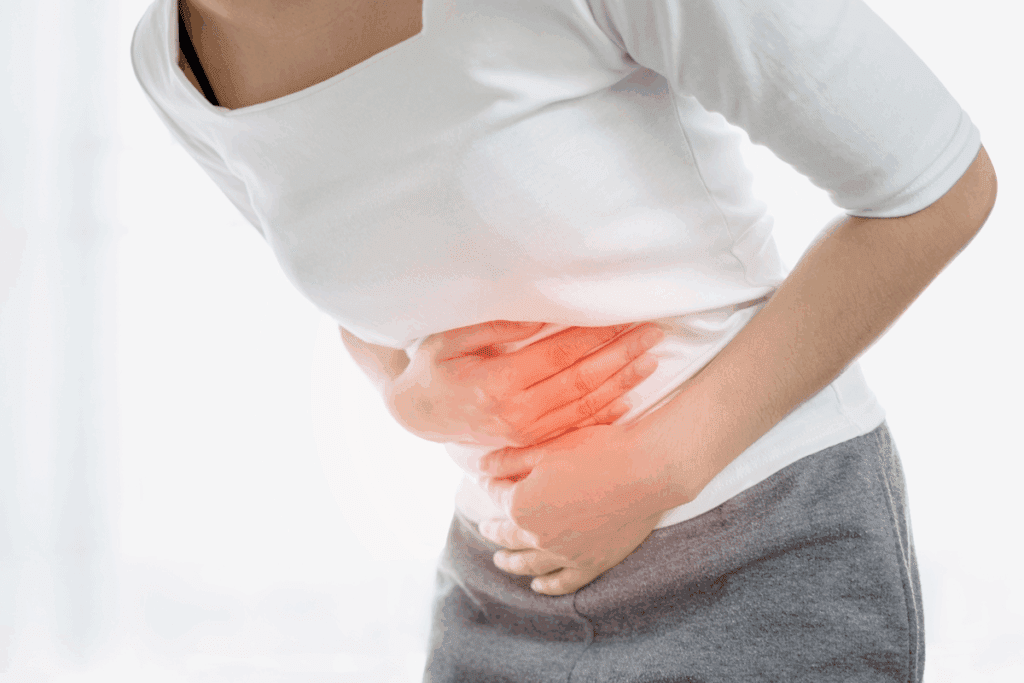
Feeling sudden sharp pain on your side can be scary. Flank pain, or pain on the left or right side of your abdomen, is common. It can range from mild to severe why does my side ache.
We, as trusted healthcare providers, know how important it is to address side pain. The reasons for this pain can be different. They can be as simple as indigestion or as serious as needing immediate medical help.
Knowing the common causes of side pain and when to see a doctor is key. It helps you make smart choices about your health.
Key Takeaways
- Side pain can range from mild to severe and may indicate various underlying conditions.
- Common causes include minor issues and serious medical conditions.
- Understanding the causes is key for the right action.
- Seeking medical care is vital for severe or ongoing pain.
- Getting a professional diagnosis is necessary for effective treatment.
Understanding Side Pain: Types and Characteristics
It’s key to understand side pain to find out what’s causing it. Side pain can signal many health issues, from minor to serious.
Different Types of Side Pain
Side pain can feel like sharp stabbing, dull aches, or come and go. The characteristics of side pain can hint at its cause. Sharp pains might mean kidney stones or gallbladder disease. Dull aches could point to digestive issues or muscle strains.
Left abdominal pain, between the hip bone and ribs, often involves organs like the spleen, kidney, pancreas, stomach, and large intestine. Knowing these different types of side pain helps doctors diagnose better.
How to Describe Your Side Pain to Healthcare Providers
When talking to doctors about your side pain, be as detailed as you can. Mention where the pain is, if it stays in one spot or spreads. Also, say how bad the pain is and how long it lasts. Tell them what makes it better or worse.
Use words like “sharp,” “dull,” “constant,” or “intermittent” to describe your pain. Sharing any other symptoms, like fever, nausea, or changes in bowel habits, helps doctors understand your situation better.
Common Benign Causes of Side Aches

Many people feel side pain at some point. It’s often due to harmless causes that can be fixed easily. Knowing these causes helps us take steps to feel better and avoid future pain.
Muscle Strains and Exercise-Related Pain
Muscle strain is a common cause of side pain, often from too much exercise. When we do hard exercises, like twisting or sudden moves, our muscles can get strained.
- Overexertion: Doing too much exercise can make our muscles tired and strained.
- Poor Technique: Bad form or technique in activities can stress our muscles too much.
- Inadequate Warm-up: Not warming up well before exercise can make muscle strain more likely.
To deal with side pain from exercise, it’s key to rest and recover. Using heat or cold can also help ease the pain.
Digestive Issues: Gas, Bloating, and Constipation
Digestive problems are another common reason for side pain. Issues like gas, bloating, and constipation can be very uncomfortable.
- Gas and Bloating: Swallowing air, eating certain foods, or having a digestive issue can cause gas and bloating.
- Constipation: Not going to the bathroom often or having trouble passing stools can cause pain in the lower belly.
To handle digestive problems, we can change our diet. Eating more fiber, drinking plenty of water, and avoiding certain foods helps. Over-the-counter meds can also help.
Stress and Tension-Related Side Pain
Stress and tension can also cause side pain. When we’re stressed, our muscles tighten up, causing discomfort.
- Stress Management: Practices like meditation, deep breathing, and yoga can help reduce stress and ease tension-related pain.
- Relaxation Techniques: Doing things that help us relax can manage stress and prevent side pain.
By knowing why we have side pain, we can take steps to manage and prevent it.
Why Does My Side Ache During Physical Activities?
Many people experience side pain when they exercise, no matter their fitness level. This pain can feel sharp or just a dull ache. It usually happens on one side of the stomach.
Running, cycling, or other hard exercises can cause side pain. This pain might come from side stitches, muscle strains, or stomach problems.
Side Stitches During Running or Exercise
A side stitch is a sharp pain in the stomach that happens when you’re active. The reasons for side stitches are not fully understood. But possible causes include:
- Diaphragmatic spasm because of not enough oxygen
- Irritation of the peritoneum, the lining of the abdominal cavity
- Less blood flow to the diaphragm or other stomach organs
Prevention and Management Techniques for Exercise-Related Side Pain
To stop or lessen side pain while exercising, try these methods:
Technique | Description |
Proper Warm-up | Slowly get your heart rate up and loosen your muscles before hard exercise. |
Breathing Exercises | Do deep, steady breathing to help keep your diaphragm stable. |
Posture Correction | Keep a good posture to avoid straining your stomach muscles. |
Hydration and Nutrition | Don’t eat big meals or drink too much water before working out. |
By knowing why side pain happens during exercise and using these tips, you can feel better. This way, you can stay active and enjoy life more.
Serious Medical Conditions Causing Side Pain
Side pain can signal serious health issues that need quick action. Sometimes, side pain is just a minor issue. But if it lasts or gets worse, it might mean something serious is going on. We’ll look at serious conditions like kidney stones, urinary tract infections, appendicitis, gallbladder disease, and diverticulitis that can cause side pain.
Kidney Stones and Urinary Tract Infections
Kidney stones form when minerals in your kidneys harden. They can cause pain in your back or side, which might get worse if they block urine. The pain can be very sharp and might spread to your lower belly or groin.
Urinary tract infections (UTIs) can also cause side pain. UTIs happen when bacteria infect your urinary system. Symptoms include pain when you pee, needing to pee a lot, and pain in your side or back.
Appendicitis and Gallbladder Disease
Appendicitis is when your appendix gets inflamed. It’s a small pouch attached to your large intestine. It usually causes severe pain that starts near your belly button and moves to your lower right side. Even though it’s not directly in your side, it can cause pain there.
Gallbladder disease, like gallstones, can also cause pain in your right upper abdomen or side. This pain might get worse after eating fatty foods and can spread to your back or right shoulder.
Diverticulitis and Other Intestinal Conditions
Diverticulitis is when small pouches in your colon get inflamed. It can cause severe pain, usually on your left side. Other signs include changes in your bowel habits, fever, and nausea.
Other conditions like inflammatory bowel disease (IBD) can also cause side pain. IBD includes Crohn’s disease and ulcerative colitis, leading to chronic inflammation and pain in your abdomen.
Condition | Common Symptoms | Typical Pain Location |
Kidney Stones | Severe pain, nausea, vomiting | Back or side, radiating to groin |
Urinary Tract Infections | Painful urination, frequent urination | Side or back |
Appendicitis | Severe abdominal pain, fever | Lower right abdomen |
Gallbladder Disease | Pain after fatty meals, nausea | Right upper abdomen or side |
Diverticulitis | Severe abdominal pain, fever | Left side of abdomen |
If you have persistent or severe side pain, you should see a doctor right away. These conditions can get worse and cause serious problems if not treated early. Getting a diagnosis and treatment quickly can greatly improve your chances of recovery.
Gender-Specific Causes of Side Pain
Gender affects the causes of side pain differently. Men and women face unique health issues. Some problems are common to both, but others are specific to each gender.
Women’s Health Issues
Women often feel side pain due to gynecological problems. Menstrual cramps are a big reason for lower belly pain in women who can get pregnant. These cramps happen when the uterus contracts during menstruation.
Ovarian cysts and endometriosis are also common causes. Ovarian cysts are fluid-filled sacs on the ovaries that can hurt if they rupture or twist. Endometriosis causes chronic pain because tissue like the uterine lining grows outside the uterus.
Condition | Symptoms | Typical Pain Location |
Menstrual Cramps | Lower abdominal cramping, back pain | Lower abdomen |
Ovarian Cysts | Sharp or dull pain, bloating | Lower abdomen, often one side |
Endometriosis | Chronic pelvic pain, heavy periods | Lower abdomen, pelvic area |
Men’s Health Issues
Men might feel side pain from testicular pain or hernias. Testicular pain can come from epididymitis or testicular torsion, which need quick medical help.
Hernias happen when an organ or tissue bulges through a weak spot in the muscle or tissue. Inguinal hernias are common and can cause pain in the groin area, which might spread to the side.
Knowing the gender-specific causes is key for the right diagnosis and treatment. If you have ongoing or severe side pain, seeing a healthcare provider is vital. They can find the cause and suggest the best treatment.
When to Seek Medical Attention for Side Pain
Knowing when to get medical help for side pain is key. Side pain can be a small issue or a sign of something serious. It’s important to know when to see a doctor to get the right care fast.
Red Flags and Warning Signs
Some symptoms with side pain are red flags for serious issues. These include:
- Persistent or severe pain that doesn’t improve with rest
- Nausea and vomiting
- Fever
- Frequent or painful urination
- Loss of appetite
- Persistent bloating or diarrhea
- Unexplained weight loss
If you have these symptoms with side pain, get medical help right away.
Emergency Symptoms That Require Immediate Care
Side pain can sometimes mean a medical emergency. If you have any of these, get help fast:
- Severe abdominal pain
- Vaginal bleeding
- Difficulty breathing
- Rapid heartbeat
- Fainting or dizziness
- High fever with chills
These signs can mean serious problems like appendicitis or a ruptured cyst.
What to Expect at Your Doctor’s Appointment
At your doctor’s visit for side pain, expect a full check-up. This includes:
- Talking about your health and symptoms
- A physical exam to look for tenderness or other signs
- Tests like blood work or imaging to find the cause
Being ready for your visit by sharing your symptoms and when they started helps your doctor. They can then give you the right treatment plan.
Diagnosis and Testing for Side Pain
Diagnosing side pain involves a few steps. First, your healthcare provider will ask about your symptoms and medical history. This helps them understand what might be causing your pain.
Physical Examination Techniques
A detailed physical exam is key to finding the cause of side pain. Doctors use techniques like feeling with their hands and tapping on your abdomen. These help spot tender spots or unusual areas.
Palpation helps find masses or areas of tenderness. Percussion checks the size of organs and looks for any oddities.
Imaging Tests: X-rays, Ultrasounds, and CT Scans
Imaging tests are used to see inside your body. They help find the source of side pain. Here are some common ones:
- X-rays: Good for spotting kidney stones or gallstones.
- Ultrasounds: Great for looking at organs like the gallbladder, liver, and kidneys.
- CT Scans: Show detailed images of inside structures and help diagnose many conditions.
Laboratory Tests and Other Diagnostic Procedures
Laboratory tests are vital for diagnosing side pain causes. They include:
- Blood tests: Check for infections, inflammation, or other issues.
- Urine tests: Look for urinary tract infections or kidney stones.
- Stool tests: Check for gastrointestinal infections.
Depending on the first findings, more tests might be needed. For example, an endoscopy to look at the digestive tract.
Treatment Options and Home Remedies
There are many ways to ease side pain. You can try home remedies and medical treatments. The best plan usually mixes self-care and doctor advice based on the pain’s cause.
Over-the-Counter Pain Management
Over-the-counter (OTC) pain relievers work for mild pain. Acetaminophen and ibuprofen cut pain and swelling. But, always take the right dose and talk to a doctor if you have health issues or take other meds.
Heat and Cold Therapy
Using heat or cold on the pain spot can help. Cold packs lessen swelling, while warm packs or pads relax muscles and boost blood flow. Always put a layer between your skin and the heat or cold to avoid burns or frostbite.
Lifestyle Modifications and Dietary Changes
Changing your lifestyle and diet can ease side pain. Stay at a healthy weight, don’t smoke, and manage stress with meditation or deep breathing. Eating smaller meals and avoiding certain foods can also help.
Here are some diet tips:
- Avoid foods that cause gas and bloating
- Chew food well and slowly
- Don’t snack too late at night
- Eat more fiber to prevent constipation
Medical Treatments for Underlying Conditions
If pain comes from a health issue, treating that issue is key. This might mean antibiotics for infections, surgery for problems like appendicitis, or other specific treatments. Working with a doctor to find and treat the root cause can greatly help symptoms.
In summary, to manage side pain well, you need a full plan. This might include home remedies, lifestyle changes, and medical care. Knowing the pain’s cause and trying different treatments can lead to better health and life quality.
Conclusion: Managing and Preventing Side Aches
Understanding side pain’s causes helps us live better. We can manage side pain by changing our diet and lifestyle. Sometimes, we need medical help too.
Knowing how to avoid side pain is key. We should watch out for muscle strains, digestive problems, and other health issues. Being informed helps us make better health choices.
Working with doctors is important. They can help us create a plan to stop side aches. This might include pain relievers, heat or cold therapy, or other treatments.
By taking care of our health, we can avoid side pain. This way, we can enjoy life more, without the pain and discomfort of side aches.
FAQ
Why do I have side pain?
Side pain can come from many things, big or small. It might be from muscle strains, stomach issues, stress, or tension. Sometimes, it could mean a bigger problem like kidney stones, infections, or appendicitis.
What can cause sharp pains in my side?
Sharp pains in the side can happen for many reasons. It could be from muscle strains, stomach problems, or stress. In some cases, it might mean a serious issue like a kidney stone or appendicitis. If the pain is bad or doesn’t go away, you should see a doctor.
Why does my side hurt during exercise?
Side pain when you exercise can be from different things. It might be from side stitches, muscle strains, or bad breathing. To feel better, try changing how you breathe, drink more water, and warm up before you start.
What are the symptoms of a serious medical condition that causes side pain?
Serious side pain can have signs like very bad pain, fever, vomiting, or trouble peeing. If you see these, you need to get help right away.
How is side pain diagnosed?
Doctors figure out side pain by checking you, asking about your health, and doing tests. They might use imaging or lab tests. They’ll find out what’s causing your pain and help you get better.
What are the treatment options for side pain?
How you treat side pain depends on what’s causing it. You might need over-the-counter pain meds or treatments for the real problem. Changing your diet and managing stress can also help.
When should I seek medical attention for side pain?
If your side pain is bad, doesn’t go away, or gets worse, see a doctor. Also, if you have fever, vomiting, or trouble peeing, get help fast.
Can stress cause side pain?
Yes, stress can make your side hurt. It can tighten muscles, causing pain. Doing things to relax, like deep breathing or meditation, can help.
How can I prevent side pain during physical activities?
To avoid side pain when you’re active, warm up well, drink plenty of water, and breathe right. Also, doing stretches and strengthening exercises can help prevent muscle strains.
What are the gender-specific causes of side pain?
Women might get side pain from menstrual cramps, ovarian cysts, or endometriosis. Men might get it from testicular pain or hernias. If your pain is bad or lasts a long time, see a doctor to find out why.
References:
National Center for Biotechnology Information. Evidence-Based Medical Guidance. Retrieved from https://pubmed.ncbi.nlm.nih.gov/23672361/