

Ever felt uncomfortable after eating red meat? You’re not alone. Many people face digestive issues after enjoying a steak or beef meal. Research shows that red meat starts complex digestive and inflammatory reactions in the stomach.
At Liv Hospital, we know that red meat can lead to stomach pain and digestive problems. Its high protein and saturated fat content is hard on the stomach. Studies found that men eating 12 or more servings of red meat a week were 58 percent more likely to get diverticulitis. This is compared to those eating 1-2 servings a week.
Key Takeaways
- Red meat can trigger complex digestive and inflammatory responses.
- Dense protein and saturated fat in red meat burden the digestive system.
- High consumption of red meat is linked to increased risk of diverticulitis.
- Understanding the impact of red meat on digestion can inform dietary choices.
- Liv Hospital offers patient-centered care for digestive issues.
The Composition of Red Meat and Its Impact on Digestion
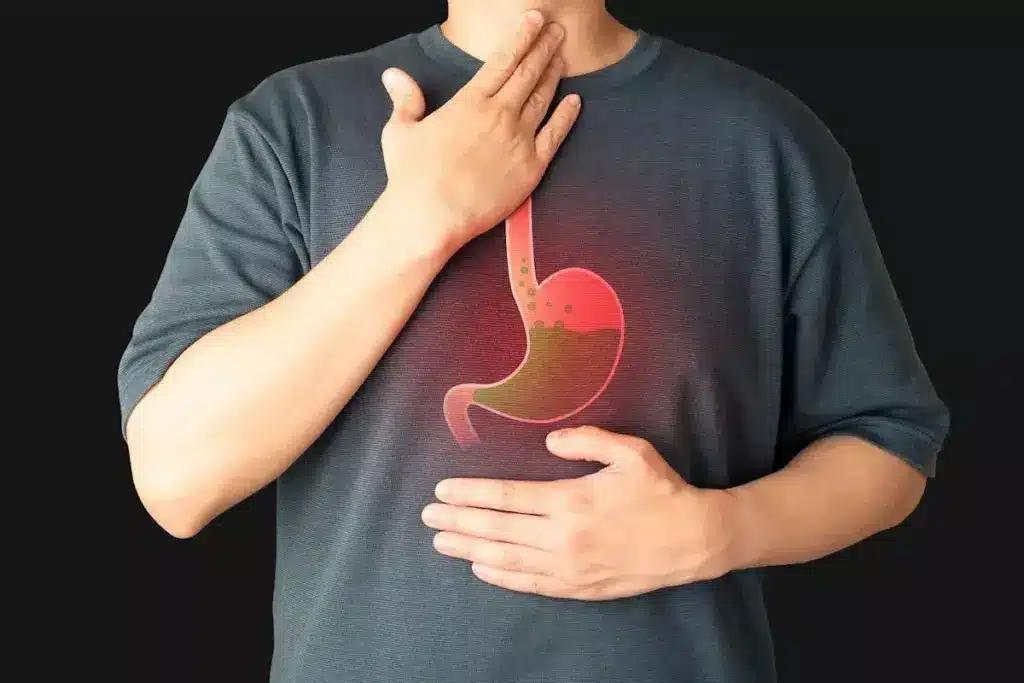
Understanding red meat’s makeup is key to knowing why it can upset some stomachs. It’s packed with dense proteins and fats. These elements affect how well it’s digested.
Dense Protein Structure and Digestive Burden
Red meat’s proteins are complex, needing strong digestion to break down. This requires lots of stomach acid and enzymes. Without enough, undigested bits can cause pain and might lead to red meat allergy or intolerance.
The dense protein structure of red meat puts extra strain on our digestive system. This is tough for those with digestive problems or who eat a lot of red meat.
Saturated Fat Content and CCK Hormone Release
Red meat is also high in saturated fats, affecting digestion. These fats make the CCK hormone release, slowing down digestion. This can cause fullness and discomfort, mainly in those sensitive to fats.
Eating leaner cuts of beef might ease stomach troubles by lowering fat intake. Yet, even lean red meat has complex proteins needing good digestion. A balanced diet and healthy digestion can help with red meat’s digestive issues.
Understanding Stomach Pain and Diarrhea After Eating Red Meat

Eating red meat can sometimes cause stomach pain and diarrhea. This is due to several factors. Knowing what causes these issues can help us manage them better.
Insufficient Digestive Enzymes and Stomach Acid Production
Not having enough digestive enzymes and stomach acid is a big reason for stomach pain and diarrhea after eating red meat. Red meat is high in protein. It needs the right amount of stomach acid and enzymes to digest well. Without it, the protein can’t be broken down properly, leading to discomfort.
Our digestive system must produce the right amount of stomach acid and enzymes to handle red meat’s protein. If it doesn’t, we might get undigested proteins that cause stomach cramps and diarrhea.
Lack of Dietary Fiber and Sluggish Bowel Transit
Red meat often lacks dietary fiber, which is important for smooth bowel movements. Eating a lot of red meat but not enough fiber can make bowel transit slow. This can cause lower abdominal cramping and discomfort. Adding fiber-rich foods to our diet can help by making bowel movements regular.
It’s important to balance red meat with a diet rich in fiber for healthy bowel function. This balance can prevent the discomfort caused by slow bowel transit.
Altered Gut Microbiome and Inflammatory Response
Eating a lot of red meat can change the gut microbiome, leading to inflammation. The gut microbiome is key to our health. Changes in it can affect how we digest red meat. An imbalance can cause inflammation, showing as stomach pain and diarrhea.
Keeping a healthy gut microbiome with a balanced diet can reduce the bad effects of red meat on our digestive system.
Conclusion: Balancing Red Meat Consumption for Digestive Comfort
Understanding why beef can upset our stomach helps us balance our red meat intake. This balance improves our digestive health. If you feel pain after eating steak, it’s important to know what causes it.
To feel better, choose lean cuts of meat and eat smaller portions. Pairing red meat with low-fat and low-fiber foods can also help. This way, we can manage how our body digests red meat and avoid discomfort.
It’s important to balance our red meat consumption. This way, we can enjoy its nutritional benefits without harming our digestive system. Making smart choices helps us stay comfortable and healthy.
FAQ
Why does red meat upset my stomach?
What role does the CCK hormone play in digestion after eating red meat?
How does the lack of dietary fiber contribute to digestive issues after consuming red meat?
Can an altered gut microbiome trigger an inflammatory response after eating red meat?
How can I minimize the negative impact of red meat on my digestive system?
Why does steak hurt my stomach?
What are the symptoms of trouble digesting red meat?
How does the dense protein structure of red meat affect digestion?
Can insufficient digestive enzymes and stomach acid production contribute to red meat digestive issues?
What can I do to manage stomach cramps after eating red meat?
References
National Center for Biotechnology Information. Evidence-Based Medical Insight. Retrieved from https://pmc.ncbi.nlm.nih.gov/articles/PMC10194058/



 Departments
 Related Videos
 Our Doctors
 News
News