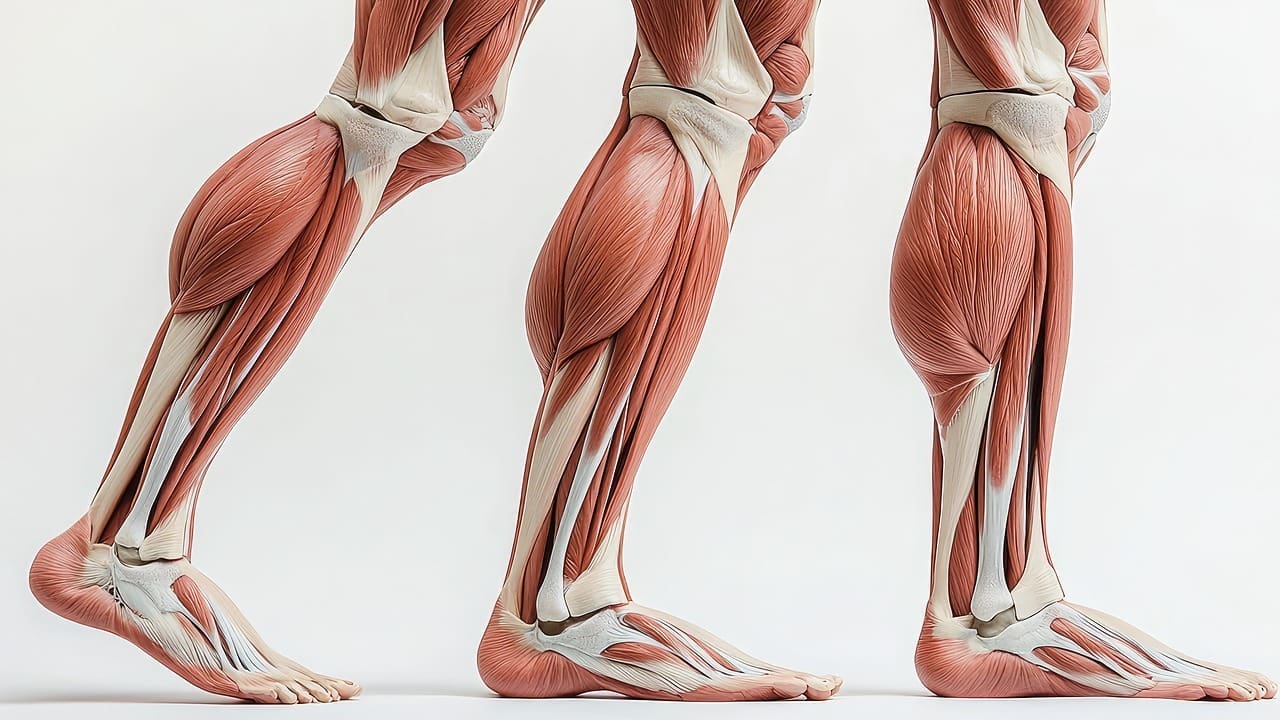
Pain in the back of your legs can really hurt and mess up your day. At Liv Hospital, we get how tough it is and want to help you feel better. There are many reasons for this pain, like muscle strains from too much use or injury, and nerve compression from different things.
Medical experts say myofascial pain syndrome can also cause this pain. Knowing why you hurt is the first step to feeling better. We’re here to give you the care you need to get back to your life.
Key Takeaways
- Pain in the back of the legs can result from various causes, including muscle strains and nerve compression.
- Myofascial pain syndrome is a condition that can contribute to leg pain.
- Understanding the cause is key to finding effective relief.
- Liv Hospital offers a patient-centered approach to diagnosing and treating leg pain.
- Advanced diagnostics are available to determine the root cause of your discomfort.
Understanding the Anatomy of the Back of Your Legs
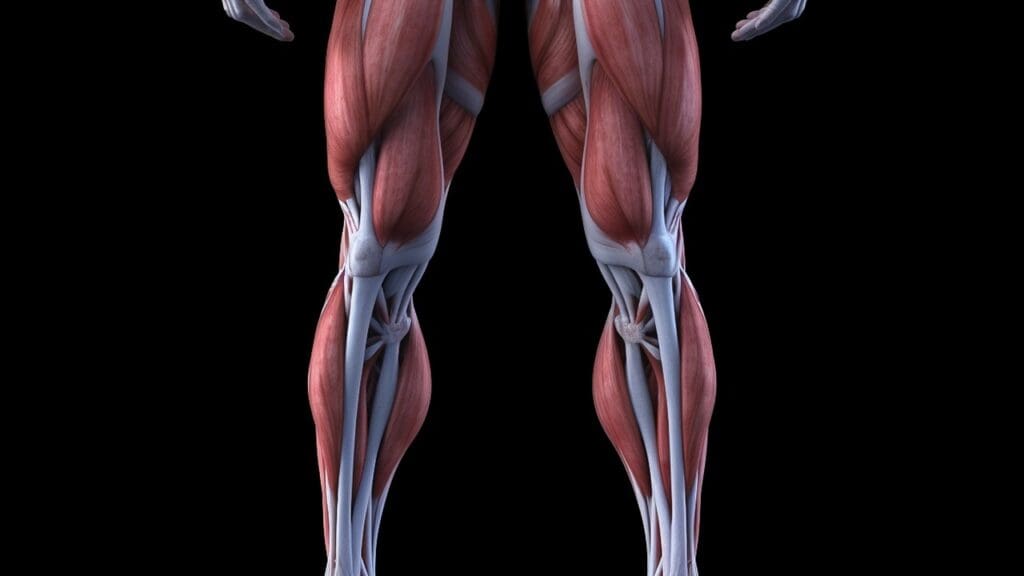
Knowing the anatomy of your legs’ back is key to figuring out back leg muscle pain or muscle aches in lower legs. The back leg has many muscles, nerves, and blood vessels. They all work together to help you move and support your body’s weight.
Key Muscle Groups in the Posterior Leg
The back leg has important muscle groups for movement. The hamstrings help bend your knee and straighten your hip. The calf muscles, including the gastrocnemius and soleus, bend your ankle. Pain in these muscles can make your legs hurt.
Important Nerves and Blood Vessels
The back leg also has vital nerves and blood vessels. The sciatic nerve, the biggest nerve, runs down your leg. It can cause pain if it gets compressed or irritated, leading to sciatica. The popliteal artery and its branches bring oxygen to the leg muscles. Problems with these can cause pain in your leg or the back of your leg.
Why Do the Back of My Legs Hurt? Common Causes
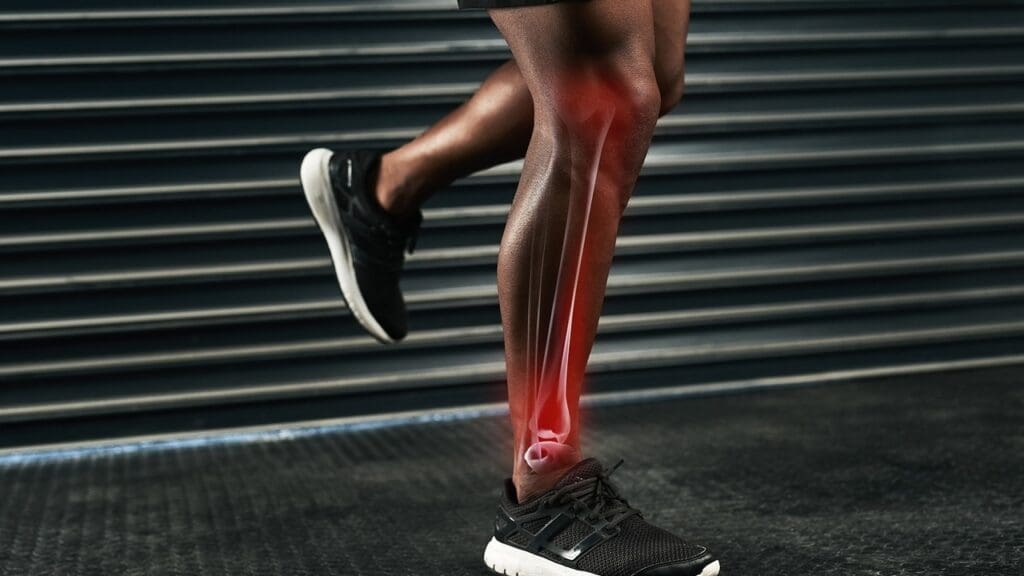
Pain in the back of your legs can really hurt. It’s important to know why it happens to find relief. We’ll look at the main reasons for this pain, so you can figure out what’s causing it.
Acute vs. Chronic Back Leg Pain
Back leg pain can be either acute or chronic. Acute pain comes on suddenly and is very painful. It’s often from injuries like muscle strains or tears. Chronic pain lasts a long time and can be from things like nerve compression or vascular diseases. Knowing how long and what kind of pain you have helps find the cause.
Muscle Strains and Overexertion
Muscle strains are a big reason for back leg pain. They happen from overexertion or sudden movements. Running, jumping, or even bending can cause strain. Drinking enough water and keeping minerals balanced can help avoid muscle aches. Also, knowing your limits and warming up before you exercise can lower the chance of strain.
- Running and jumping are common activities that lead to muscle strain.
- Drinking enough water and keeping minerals balanced are key to avoiding muscle aches.
- Warming up before exercise can greatly lower the risk of strain.
Nerve Compression Issues
Nerve compression happens when nerves in the legs get pinched or compressed, causing pain. Conditions like sciatica or radiculopathy can make the back of the legs very sore. This can be from herniated discs, spinal stenosis, or even peripheral neuropathy. Finding and fixing the root cause is important for relief.
By knowing the common causes of back leg pain, you can start to find relief. This includes understanding the difference between acute and chronic pain, muscle strains, and nerve compression. Whether it’s through self-care, physical therapy, or seeing a doctor, knowing the cause is the first step to treating it.
Muscle-Related Causes of Back Leg Muscle Pain
It’s important to know why back leg pain happens. Muscle problems in the back legs can really affect your daily life. They can make it hard to do simple things and affect your mood.
Hamstring Strains and Tears
Hamstring strains and tears are big reasons for back leg pain. These injuries happen when you run, jump, or move quickly. Symptoms include:
- Pain in the back of the thigh
- Swelling or bruising
- Weakness in the leg
Hamstring strains can be mild or serious. Tears need more care. To start, rest, ice, compression, and elevation (RICE) are good.
Calf Muscle Issues and Soreness
Calf muscle problems, like strains and soreness, can hurt a lot. Intramuscular hemangioma, a rare condition, can also cause calf pain. Symptoms include:
- Pain or tenderness in the calf area
- Swelling or redness
- Difficulty walking or standing on tiptoes
Stretching and the right shoes can help with calf muscle soreness.
Gluteal Muscle Problems
Gluteal muscle issues, like strains or tendinopathy, can also cause back leg pain. These problems can come from too much use, bad posture, or how your body moves. Treatment options include physical therapy, stretching, and strengthening exercises.
Pain on the side of the lower leg or back of the leg muscle pain might mean a nerve problem. It’s key to get a full check-up to find out why.
Nerve-Related Pain in the Back of Legs
The back of our legs is a complex area with many nerves. Issues with these nerves can cause a lot of pain. This pain can feel like it’s radiating or shooting. Knowing the causes and signs of this pain is key to getting the right treatment.
Sciatica and Radiculopathy
Sciatica is a common condition that causes pain along the sciatic nerve. This nerve runs from the lower back to the back of the leg. Radiculopathy is when nerves are compressed or irritated as they leave the spine. Both can lead to pain in the back of the legs, along with numbness, tingling, or weakness.
Treatment options for sciatica and radiculopathy include physical therapy and anti-inflammatory drugs. Sometimes, surgery is needed to relieve pressure on the nerves.
Peripheral Neuropathy
Peripheral neuropathy is damage to peripheral nerves. It can cause pain, numbness, or weakness in the affected areas. In the legs, it can lead to discomfort in the back. Diabetes is a common cause, but other factors like certain medications or infections can also play a role.
Pain on the Side of Lower Leg
Pain on the side of the lower leg can be due to nerve compression or inflammation. Conditions like peroneal neuropathy can cause pain or weakness on the lateral aspect of the lower leg. It’s important to know the exact location and nature of the pain for accurate diagnosis.
| Condition | Common Symptoms | Potential Causes |
|---|---|---|
| Sciatica | Radiating pain, numbness, tingling | Herniated disc, spinal stenosis |
| Peripheral Neuropathy | Numbness, pain, weakness | Diabetes, certain medications, infections |
| Peroneal Neuropathy | Pain on the side of lower leg, weakness | Nerve compression, trauma |
By understanding the different causes of nerve-related pain in the back of the legs, individuals can seek appropriate medical care and relief from their symptoms.
Vascular and Circulatory Causes of Back Legs Soreness
The back of our legs can hurt for many reasons. These include vascular and circulatory problems. These issues can cause a lot of pain and, if not treated, can lead to serious health problems. It’s important to know the causes and symptoms to get the right treatment.
Deep Vein Thrombosis
Deep Vein Thrombosis (DVT) is when a blood clot forms in the deep veins, usually in the legs. You might feel pain, swelling, and redness in the leg. If the clot breaks loose and goes to the lungs, it can be deadly. Seek medical help right away if you have these symptoms.
Varicose Veins
Varicose veins are big, twisted veins that can hurt and feel heavy. They happen when the veins’ valves don’t work right, causing blood to pool. While they might look bad, they can also cause serious problems like skin ulcers or blood clots. Treatment can range from wearing compression stockings to surgery.
Peripheral Artery Disease
Peripheral Artery Disease (PAD) is when the arteries narrow, often because of atherosclerosis. This reduces blood flow to the limbs. You might feel pain in your legs when walking, or they might feel cold and weak. PAD can really lower your quality of life and raise your risk of heart problems.
It’s important to know the signs of these vascular and circulatory problems. This way, you can get the right medical care. By understanding the causes, you can take steps to prevent and treat the pain.
Diagnosing Why the Back of Legs Are Hurting
To figure out why your back legs hurt, we use a mix of physical checks and advanced tests. These steps help us find out what’s causing the pain. It could be muscle, nerve, or blood flow problems.
Physical Examination Techniques
First, we do a detailed physical check. We look at muscle strength, reflexes, and how well you can move. This helps us find out where the pain is coming from and what might be causing it.
Imaging and Diagnostic Tests
We also use imaging and tests to understand the pain better. MRI or CT scans show us the bones and soft tissues. Electromyography (EMG) checks how muscles and nerves work. Sometimes, ultrasound is used to see blood flow and find blood problems.
Left Side Leg Pain and Other Specific Symptoms
Telling us about pain in the left leg and side is very important. We also look at how long you’ve had the pain, how bad it is, and what makes it better or worse. With this info and test results, we can make a treatment plan just for you.
Relief Strategies for Back of Legs Pain
Pain in the back of your legs can really hurt. But, there are ways to feel better and move more easily. We’ll look at different ways to ease back leg pain.
Home Remedies and Self-Care
For mild to moderate pain, home remedies and self-care can work well. Stretching exercises can ease tension in your hamstrings and calf muscles. Using ice or heat on the area can also help with pain and swelling.
Keeping a healthy weight and wearing comfortable shoes can also help. Resting and elevating your legs can reduce swelling and pain. It’s important to listen to your body and avoid activities that make the pain worse.
Physical Therapy Approaches
If home remedies don’t help, physical therapy can offer more targeted relief. A physical therapist can create a plan to strengthen your leg muscles and improve flexibility. They might use ultrasound therapy and electrical stimulation to help with pain and healing.
Physical therapy can also include massage and joint mobilization to improve blood flow and reduce muscle tension.
Medications and Medical Interventions
If pain is severe or lasts a long time, medications and medical interventions might be needed. Over-the-counter pain relievers like ibuprofen or acetaminophen can help with pain and swelling. For more serious cases, prescription drugs or corticosteroid injections might be suggested.
In some cases, surgical intervention might be needed to fix problems like nerve compression or severe muscle tears.
When to See a Doctor for Back Leg Pain
If you’re dealing with ongoing or severe back leg pain, knowing when to see a doctor is key. Many back leg pain issues can be handled on your own. But, some need immediate medical help.
Warning Signs and Red Flags
Look out for warning signs that mean you should see a doctor. These include sudden pain, swelling, or redness in your leg. Also, if walking is hard or you’ve had a recent injury, get medical help.
Feeling pain on the side of your lower leg or having a fever is another reason to visit a doctor.
Chronic vs. Acute Symptoms
It’s important to know the difference between chronic and acute symptoms. Acute pain happens suddenly, often due to injury or infection. Chronic pain lasts longer and might be linked to conditions like peripheral artery disease or varicose veins.
If muscle pain in your lower leg doesn’t get better with rest, see a doctor.
| Symptom | Acute | Chronic |
|---|---|---|
| Onset | Sudden | Gradual |
| Duration | Short-term | Long-term |
| Causes | Injury, Infection | PAD, Varicose Veins |
Age-Related Considerations
Age can affect the causes and treatment of back leg pain. Older adults might face issues like peripheral artery disease or deep vein thrombosis. If you’re older and feeling pain, it’s vital to talk to a healthcare expert to find out why.
Conclusion
Back leg pain can really affect your daily life. It’s important to know why it happens and how to feel better. We’ve looked at many reasons for back leg pain, like muscle strains and nerve issues.
When your legs hurt at the back, it might be because of several reasons. Muscle pain from too much work or strains is common. It’s key to notice the signs and get help from doctors.
Knowing why your legs hurt and how to feel better is a big step. If back leg pain lasts or is very bad, see a doctor. They can help find the best way to treat it.
Dealing with back leg pain can make life better. We aim to give top-notch healthcare to help people feel their best. We’re here to support you in achieving great health and happiness.
What are the common causes of pain in the back of the legs?
Pain in the back of the legs can come from muscle strains, nerve compression, and blood flow problems. Muscle strains happen when you overwork your muscles. Nerve issues like sciatica and radiculopathy can also cause pain. Blood flow problems, such as deep vein thrombosis and peripheral artery disease, can lead to pain too.
Why does the back of my legs hurt after exercise?
After exercise, your legs might hurt because of muscle strains or overexertion. This usually happens when you do something new or too hard. Resting, stretching, and warming up can help ease this pain.
What is the difference between acute and chronic back leg pain?
Acute pain is sudden and short-lived, often from injury or strain. Chronic pain lasts longer and might be from nerve or blood flow problems.
How can I relieve muscle pain in the back of my legs?
To ease muscle pain, try rest, ice, compression, and elevation (RICE). Stretching and strengthening exercises, along with physical therapy, can also help. Sometimes, you might need medical help like medicines or injections.
What are the symptoms of nerve-related pain in the back of the legs?
Nerve pain feels sharp, shooting, or burning. It can be from sciatica or radiculopathy. You might also feel numbness, tingling, or weakness.
When should I see a doctor for back leg pain?
See a doctor if your pain is severe, sudden, or makes it hard to walk. Look out for signs like swelling, redness, or fever. Also, if the pain gets worse or doesn’t go away, get help.
Can vascular issues cause pain in the back of the legs?
Yes, problems with blood flow like deep vein thrombosis, varicose veins, and peripheral artery disease can cause pain. These issues affect how blood moves and can lead to swelling or cramping.
How is the cause of back leg pain diagnosed?
Finding the cause of back leg pain involves a detailed check-up and tests. This includes physical exams and imaging studies like X-rays or MRI. It’s important to tell your doctor about your symptoms, like pain on the side of your leg.
Are there any age-related considerations for back leg pain?
Yes, older people are more likely to have back leg pain. Conditions like peripheral artery disease or degenerative disc disease are common. Muscle and flexibility changes with age can also play a role.
Can I manage back leg pain at home?
For mild pain, home remedies like rest, stretching, and over-the-counter pain relievers can help. But, if the pain doesn’t get better or gets worse, you should see a doctor to check for serious issues.