
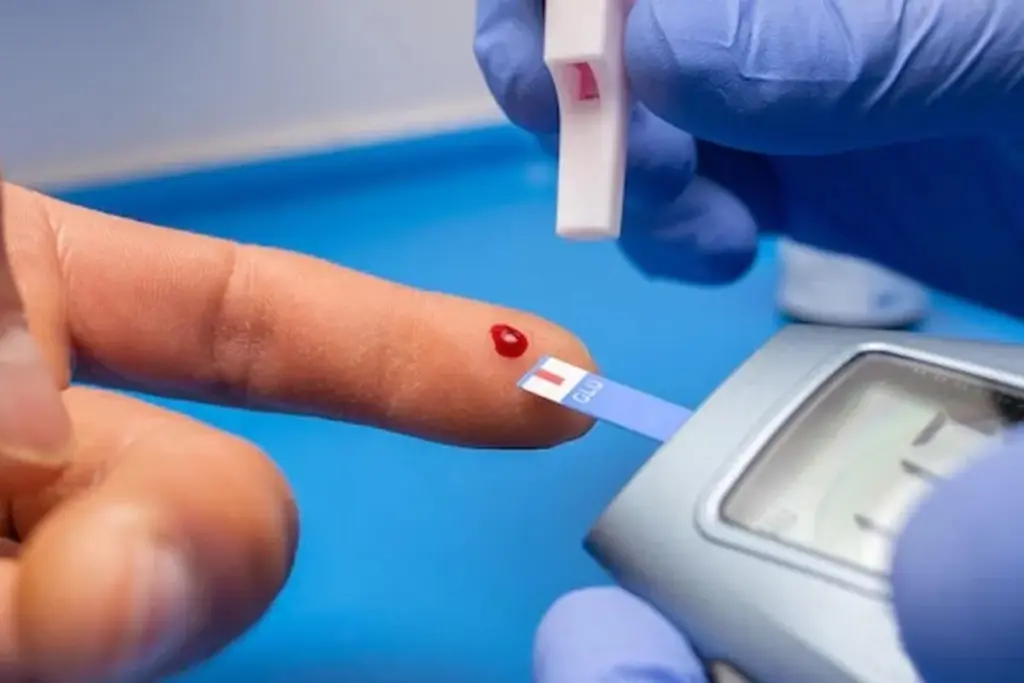
Ever felt shaky or dizzy right after eating, even if you don’t have diabetes? You might be dealing with reactive hypoglycemia. This is when blood sugar drops too low after eating. It usually happens 2-4 hours after meals rich in simple carbs and sugars.
Liv Hospital is here to help you understand and manage blood sugar issues. They use proven methods and tailor treatments to each patient. Knowing why blood sugar levels drop after eating is key. Dumping syndrome, hormonal imbalances, and some medical conditions can cause it.
Key Takeaways
- Reactive hypoglycemia occurs after eating, mainly after meals high in sugar.
- This condition can be caused by various factors, including dumping syndrome and hormonal imbalances.
- Liv Hospital offers evidence-based care and personalized treatment for managing blood sugar irregularities.
- Understanding the factors that lead to blood sugar drops after eating is critical for effective management.
- Personalized treatment approaches can help stabilize blood sugar levels.
Understanding Reactive Hypoglycemia After Eating
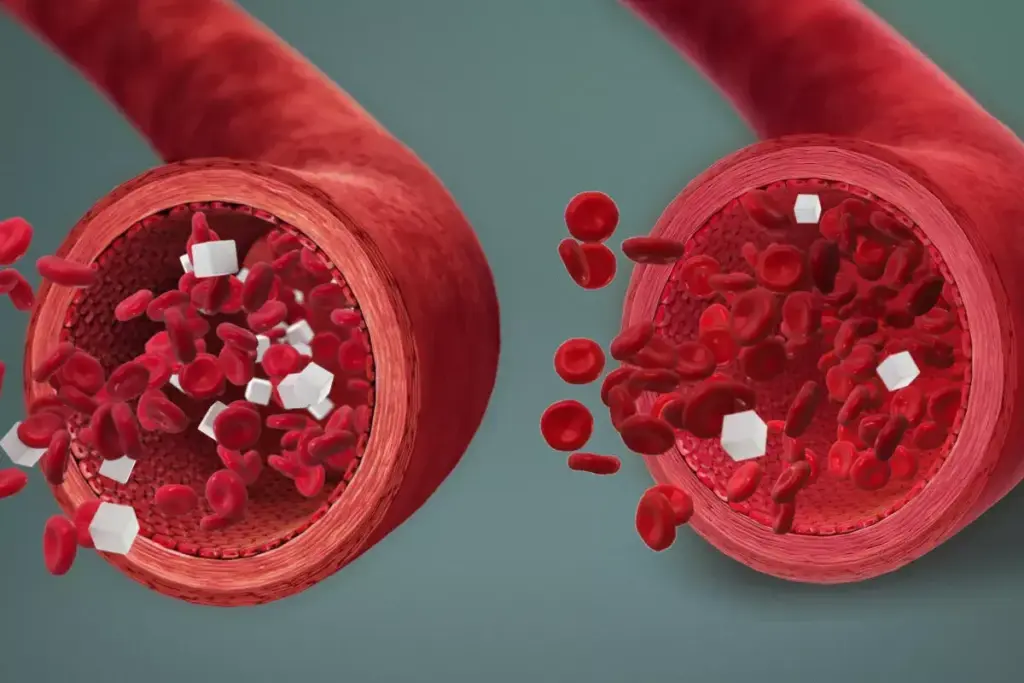
Some people’s blood sugar drops suddenly after eating, known as reactive hypoglycemia. This happens within four hours of a meal. Symptoms include a fast heartbeat, anxiety, sweating, and shaking.
What Is Postprandial Reactive Hypoglycemia
Postprandial reactive hypoglycemia is when blood sugar falls after a meal. It usually happens 2-4 hours after eating, often with meals high in simple carbs and sugars. The body’s insulin response can be too strong, causing blood sugar to drop.
Eating lots of carbs can lead to reactive hypoglycemia. Your body makes insulin to handle the blood sugar spike. Sometimes, this insulin is too much, causing blood sugar to fall too low.
When Blood Sugar Drops Occur
Blood sugar drops can happen at different times after eating, but most often between 2-5 hours. Knowing when this happens is key to managing reactive hypoglycemia.
It’s important to understand when blood sugar drops to prevent low blood sugar after eating. By knowing the timing and triggers, you can take steps to avoid it.
Defining Low Blood Sugar in Non-Diabetics
For those without diabetes, hypoglycemia is when blood sugar is below 55 mg/dL. This is important because it shows when blood sugar is too low and needs attention.
Knowing the signs of low blood sugar and the hypoglycemia threshold is vital. It helps in early detection and management of reactive hypoglycemia. Being aware of how your body reacts to food can help prevent blood sugar drops.
c

Low blood sugar, or hypoglycemia, can happen to anyone, not just people with diabetes. It’s important to know why it happens to prevent it.
The Insulin Overproduction Mechanism
One main reason for low blood sugar is when your body makes too much insulin. This happens when you eat foods high in sugar or carbs. The insulin then lowers your blood sugar too much. This can make you feel dizzy, confused, and shaky.
Foods That Trigger Blood Sugar Drops
Some foods can make your body release too much insulin. Foods like white bread and sugary snacks can cause your blood sugar to spike and then drop. Eating big meals or lots of carbs can also lead to low blood sugar. It’s best to eat foods with complex carbs, proteins, and healthy fats to keep your blood sugar stable.
Prediabetes and Inadequate Insulin Regulation
Prediabetes means your blood sugar is higher than normal but not high enough to be diabetes. People with prediabetes might not regulate insulin well, leading to low blood sugar. This is because their body’s insulin response is off, causing blood sugar to swing.
Medical and Medication-Related Causes
Some health issues and medicines can also cause low blood sugar. Conditions like Addison’s disease and certain genetic changes can affect how your body handles glucose. Some medicines, like beta-blockers, can mess with blood sugar control. If you keep getting low blood sugar, talk to your doctor.
| Cause | Description | Symptoms |
| Insulin Overproduction | Body produces too much insulin in response to high blood sugar | Dizziness, confusion, shakiness |
| Foods High in Simple Carbohydrates | Rapid spike and crash in blood glucose levels | Hunger, irritability, fatigue |
| Prediabetes | Inadequate insulin regulation | Fluctuations in blood glucose levels |
| Medical Conditions | Conditions like Addison’s disease, insulinomas | Varying symptoms depending on the condition |
Conclusion
It’s important to understand why blood sugar drops after eating. Eating foods like lean protein, whole grains, and fruits helps keep blood sugar stable. Also, avoiding alcohol and sugary drinks on an empty stomach is key.
Stress and not moving enough can also lower blood sugar. But, managing stress and staying active can help keep blood sugar levels steady. Making these changes can greatly improve your health.
By controlling what you eat and how you live, you can prevent blood sugar drops. This approach helps keep your blood sugar levels where they should be. It makes your life better overall.
FAQ
What is reactive hypoglycemia?
Reactive hypoglycemia is low blood sugar that occurs within a few hours after eating, often due to an exaggerated insulin response to carbohydrates.
What causes low blood sugar without diabetes?
Causes include reactive hypoglycemia, prolonged fasting, certain medications, excessive alcohol, hormonal deficiencies, or critical illnesses.
How does insulin overproduction lead to low blood sugar?
Excess insulin lowers blood glucose rapidly after meals, causing symptoms like shakiness, sweating, and fatigue.
What types of foods trigger blood sugar drops?
High-sugar foods and refined carbohydrates can cause rapid spikes followed by sudden drops in blood sugar.
Can prediabetes cause reactive hypoglycemia?
Yes, insulin resistance in prediabetes can sometimes lead to reactive hypoglycemia after meals.
What are the symptoms of low blood sugar?
Symptoms include shakiness, sweating, dizziness, hunger, irritability, headache, rapid heartbeat, fatigue, and sometimes confusion.
How can I manage reactive hypoglycemia?
Manage it by eating small, balanced meals with protein, fiber, and healthy fats, avoiding refined sugars, and monitoring blood sugar levels.
What medical conditions can cause low blood sugar?
Conditions include insulinomas, adrenal insufficiency, severe liver disease, and certain endocrine disorders.
Can medications cause low blood sugar?
Yes, medications like insulin, sulfonylureas, or some antibiotics and heart medications can cause blood sugar to drop.
How can I stabilize my blood sugar levels?
Eat frequent, balanced meals with protein, fiber, and healthy fats, avoid excessive sugar, stay active, and monitor blood sugar patterns.
Why does my blood sugar drop after eating?
A rapid insulin response or consumption of high-sugar foods can cause blood sugar to rise quickly and then fall sharply.
What is considered low blood sugar in non-diabetics?
Blood sugar below 70 mg/dL is generally considered low, though symptoms can occur at higher levels depending on the individual.
References
National Center for Biotechnology Information. Evidence-Based Medical Insight. Retrieved from https://pmc.ncbi.nlm.nih.gov/articles/PMC8465972/