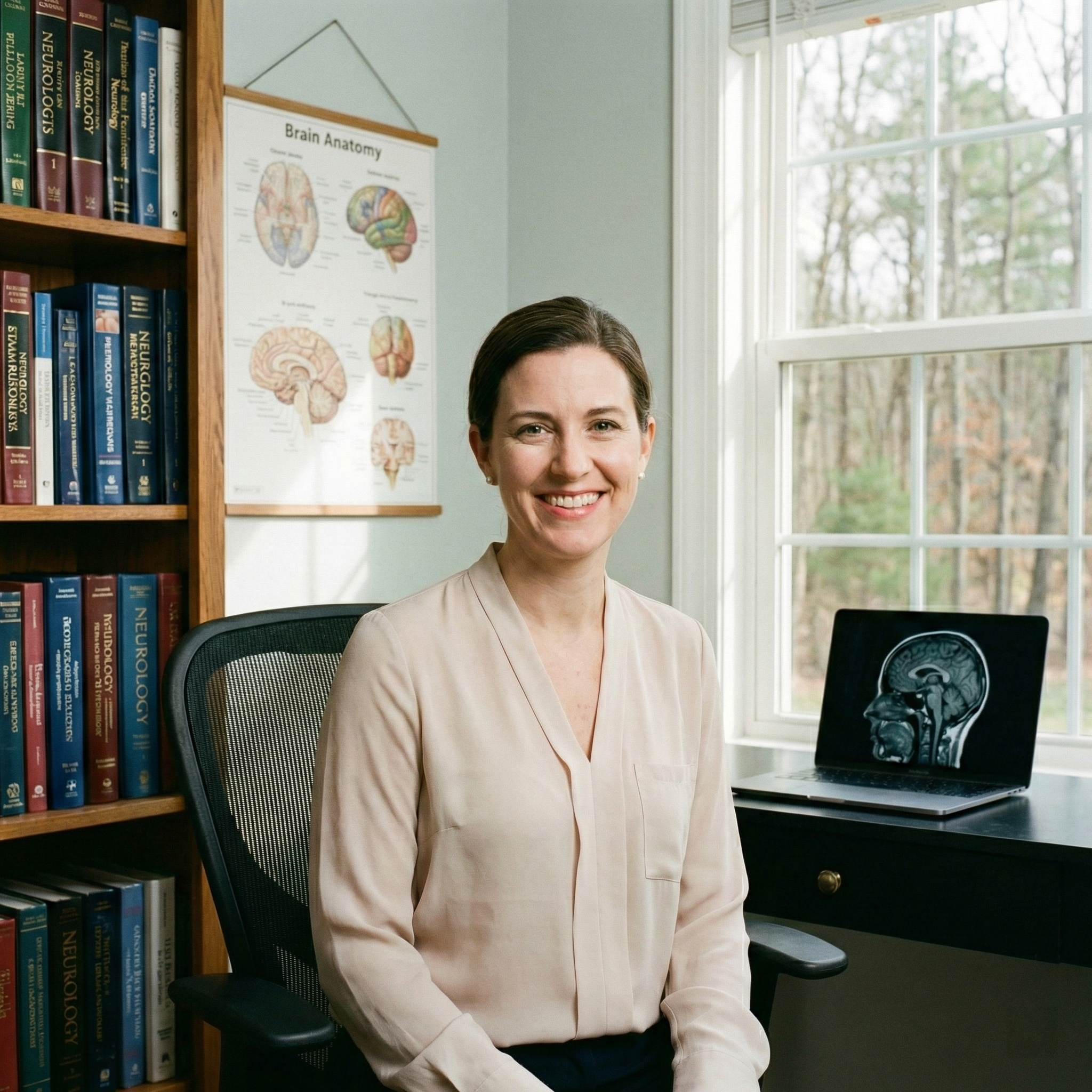

Epilepsy is a neurological disorder that affects millions globally. Research shows that people with epilepsy are more likely to lose their memory. Some studies say up to 50% of them may face memory problems.
The link between epilepsy and memory loss is complex. Several factors play a role, including the type of epilepsy and how often seizures happen. The amount of brain damage also matters. “Why is my memory so bad?” Discover the awful, devastating link between epilepsy, seizures, and memory loss. Get the critical facts.
Key Takeaways
- Epilepsy can significantly impact memory, with up to 50% of individuals experiencing some form of memory impairment.
- The type of epilepsy and frequency of seizures can contribute to memory loss.
- Brain damage caused by seizures can also affect memory.
- Understanding the relationship between epilepsy and memory loss is key for better treatments.
- People with epilepsy should talk to their doctor if they notice memory issues.
The Connection Between Epilepsy and Memory Function

Epilepsy and memory function are closely linked. This connection involves disruptions in brain activity. Epilepsy, a neurological disorder, can greatly affect memory.
Studies show that epilepsy can harm brain areas key for memory, like the temporal lobe. The temporal lobe is vital for memory processing and storage. Its problems can cause memory issues.
How Epilepsy Affects Brain Processes
Epileptic seizures can change how brain cells talk to each other. This change can impact memory formation and recall.
- Seizures can damage or mess up neural pathways.
- Recurring seizures can alter brain function over time.
- Epilepsy can harm brain areas important for memory.
Memory Systems Vulnerable to Epileptic Activity
Several memory systems can be hit by epileptic activity, including:
- Short-term memory: Keeping info in mind briefly.
- Long-term memory: Storing and recalling info for a long time.
- Procedural memory: Doing tasks and skills, which can be affected by seizures.
Knowing these vulnerabilities is key to managing memory problems in people with epilepsy.
Understanding Seizures and Their Impact on the Brain

Seizures can deeply affect the brain, impacting both immediate and long-term health. They are caused by abnormal electrical discharges in the brain. This can lead to various neurological problems.
What Happens During a Seizure
During a seizure, the brain’s normal electrical activity is disrupted. This leads to an excessive surge of electrical discharges. Symptoms can range from mild to severe, including convulsions and loss of consciousness.
Seizure types vary based on the brain area affected and the level of awareness during the seizure. Generalized seizures affect both sides, while focal seizures start in one area. Knowing the type of seizure helps understand its impact.
Immediate Effects on Neural Pathways
Seizures can have significant immediate effects on neural pathways. The abnormal electrical activity can cause neural fatigue, leading to temporary brain function changes. In some cases, seizures can release excitatory neurotransmitters, potentially damaging neural tissue.
Research shows that repeated seizures can lead to long-term changes in neural pathways. This can contribute to epilepsy brain damage. The extent of damage depends on several factors, including seizure frequency and treatment effectiveness.
Post-Seizure Brain States
After a seizure, the brain enters a post-ictal state. This is marked by confusion, fatigue, and sometimes headache or muscle soreness. This state can last from a few minutes to several hours.
Understanding the post-seizure brain state is key to managing seizure-related complications. Monitoring and medical intervention can help reduce long-term brain effects.
Types of Memory Problems Associated with Epilepsy
People with epilepsy often face memory issues. These can range from short-term to long-term problems. It’s important to know about these memory challenges to manage them better.
Short-Term Memory Deficits
Short-term memory helps us hold information briefly. Those with epilepsy might find it hard to remember recent things. For example, they might forget where they put their keys or what they were doing a few minutes ago.
Examples of short-term memory deficits include:
- Forgetting appointments or events
- Struggling to recall recent conversations
- Having trouble remembering instructions or tasks
Long-Term Memory Challenges
Long-term memory stores information for a long time. Epilepsy can make it hard to remember past events or learned things.
Some common long-term memory challenges include:
- Difficulty recalling significant life events
- Struggling to remember familiar words or names
- Forgetting skills or knowledge learned in the past
Procedural Memory Issues
Procedural memory lets us do tasks without thinking about them. Epilepsy can also affect this type of memory.
| Memory Type | Characteristics | Examples of Challenges |
| Short-Term Memory | Holding and manipulating information for a short period | Forgetting recent conversations, misplacing items |
| Long-Term Memory | Storing and retrieving information over an extended period | Recalling past events, remembering learned information |
| Procedural Memory | Performing tasks or skills without conscious awareness | Difficulty with motor skills, performing routine tasks |
Knowing about these memory problems is key to managing them. By understanding the challenges, people with epilepsy can improve their lives.
Temporal Lobe Epilepsy and Memory Impairment
The temporal lobe is key for memory processing and storage. When it’s affected by epilepsy, memory problems can occur. Temporal lobe epilepsy causes seizures in this area, impacting memory.
Why the Temporal Lobe Matters for Memory
The temporal lobe is vital for memory. It has structures like the hippocampus, which helps create new memories. Damage here can make it hard to learn new things and remember old ones.
Key structures within the temporal lobe involved in memory include:
- The hippocampus, critical for new memory formation
- The amygdala, involved in emotional memory processing
- Adjacent cortical areas that process and store various types of memory
Specific Memory Deficits in Temporal Lobe Epilepsy
People with temporal lobe epilepsy face memory challenges. They struggle with remembering words, places, and familiar things.
| Memory Type | Deficit Description |
| Verbal Memory | Difficulty remembering names, conversations, or written information |
| Spatial Memory | Trouble navigating familiar places or recalling spatial arrangements |
| Familiar Information | Forgetting well-known facts or the names of familiar people |
Interesting Facts About Temporal Lobe Epilepsy
Temporal lobe epilepsy does more than cause seizures. It can also mess with mood, thinking, and memory. Here are some interesting facts:
“Temporal lobe epilepsy can sometimes be associated with aura, which are sensations that precede a seizure, and can include feelings of déjà vu or unusual smells.”
Research on temporal lobe epilepsy is ongoing. It aims to understand how it affects memory and thinking. This research could lead to better treatments and ways to manage the condition.
“Why Is My Memory So Bad?” – Common Questions from Epilepsy Patients
Many people with epilepsy worry about their memory loss. Epilepsy memory loss can really affect daily life. They often wonder if their memory problems are because of their epilepsy.
Distinguishing Epilepsy-Related Memory Issues from Other Causes
It’s important to know if memory problems come from epilepsy or other things. Many conditions can cause memory issues. This makes it hard to find the exact reason without a detailed check-up.
A study found that figuring out memory problems in epilepsy patients is complex. It involves many factors. This shows why a full check-up is needed to find the cause of memory issues in epilepsy patients.
- Seizure frequency and type
- Medication side effects
- Underlying neurological conditions
- Psychological factors such as anxiety and depression
Self-Assessment of Memory Function
Keeping track of your memory can help. Writing down when you forget things can show patterns. This helps you tell your doctor more about your memory, which helps in planning your treatment.
“By understanding the nature of their memory problems, individuals with epilepsy can take the first step towards managing their condition more effectively.”
Knowing the signs of cognitive impairment and why it happens can help. It lets epilepsy patients get the right help and improve their life quality.
Do Seizures Cause Permanent Brain Damage?
Understanding if seizures cause permanent brain damage involves looking at both immediate and long-term effects. Seizures can affect the brain in different ways. This depends on how severe they are, how often they happen, and the person’s overall health.
Acute vs. Chronic Effects of Seizures
Seizures can change brain activity right away, leading to short-term thinking problems. These acute effects usually go away once the seizure stops and the brain gets back to normal. But, having many seizures or long ones can lead to lasting brain changes.
It’s important to know the difference between acute and chronic effects. Some people might have big thinking problems after a seizure. Others might get better right away. This shows how different seizures can be for different people.
Factors That Determine Long-Term Impact
Many things can affect how seizures impact the brain long-term. How often and how severe the seizures are matters a lot. People with seizures that are well-controlled usually do better than those with more or worse seizures.
| Factor | Influence on Long-Term Impact |
| Seizure Frequency | More frequent seizures are associated with a higher risk of long-term brain damage. |
| Seizure Severity | Severe seizures can cause more significant immediate and long-term effects on the brain. |
| Treatment Effectiveness | Effective management of seizures through medication or other treatments can mitigate long-term damage. |
Research on Neuroplasticity After Seizures
Studies have shown that the brain can adapt and heal after seizures. This is called neuroplasticity. It’s key for recovery and can be affected by things like age, health, and other brain conditions.
Research on neuroplasticity gives hope to those with epilepsy. It shows the brain can make up for damaged areas and might even regain lost functions. Learning more about neuroplasticity is important for finding better ways to treat epilepsy.
Memory Loss After Seizures: Temporary or Permanent?
Epileptic seizures can affect memory. It’s important to understand how this happens. Many people with epilepsy worry about memory loss, as it can change their daily lives.
Post-Ictal Confusion and Amnesia
After a seizure, people often feel confused and forgetful. Post-ictal confusion can last from minutes to hours. They might struggle to focus and remember things.
Post-ictal amnesia is when people forget what happened during or right after the seizure. How long and how bad this amnesia is can vary a lot. It depends on the type and severity of the seizure.
Recovery Patterns After Different Types of Seizures
How quickly someone recovers from a seizure can differ. For example:
- Generalized seizures can cause more confusion and amnesia. This is because the brain’s electrical activity is disrupted all over.
- Focal seizures might affect memory in a more specific way. This could be forgetting certain things or events.
Knowing the type of seizure and its effect on memory helps with care and support after a seizure.
When to Be Concerned About Post-Seizure Memory Loss
Some memory loss after a seizure is normal. But, if it lasts a long time or is very bad, it’s a reason to worry. It’s important to watch for:
- How often and how severe the seizures are.
- How long the confusion and amnesia last.
- Any changes in memory or thinking over time.
Talking to a doctor can help figure out why memory problems happen. They can also suggest the best ways to manage them.
How Anti-Epileptic Medications Affect Memory
Managing epilepsy is a delicate task. It involves balancing seizure control with the risk of cognitive side effects from medications. These drugs are key to preventing seizures but can affect memory and thinking differently for everyone.
Common Medications and Their Cognitive Side Effects
Anti-epileptic medications can have various effects on the mind. Common ones include Carbamazepine, Valproate, Lamotrigine, and Levetiracetam (Keppra).
| Medication | Cognitive Side Effects |
| Carbamazepine | Drowsiness, dizziness, memory problems |
| Valproate | Tremors, weight gain, cognitive slowing |
| Lamotrigine | Rash, dizziness, less likely to cause cognitive issues |
| Levetiracetam (Keppra) | Irritability, mood changes, possible memory issues |
Does Keppra Cause Memory Loss?
Keppra, or Levetiracetam, is a common epilepsy treatment. Studies on its effects on memory have shown mixed results. Some people may experience memory problems, while others might not.
Balancing Seizure Control and Cognitive Function
To reduce cognitive side effects while keeping seizures under control, doctors adjust medication levels. They might switch medications or use a combination of drugs with different side effects.
The effect of anti-epileptic medications on memory is a key part of managing epilepsy. By understanding these effects and working with healthcare providers, people with epilepsy can find a balance. This balance supports both seizure control and cognitive health.
Can Epilepsy Lead to Dementia?
The connection between epilepsy and dementia is a hot topic in brain research. It’s vital to understand how these two conditions interact. As more people live longer, knowing about their link is key for better care.
The Relationship Between Epilepsy and Dementia Risk
Studies show that people with epilepsy might face a higher risk of getting dementia. This risk is even higher for older adults with epilepsy. Age plays a big role in this connection.
A study in Neurology found that those with epilepsy are more likely to get dementia. It’s important to watch how their brain works as they get older.
Shared Mechanisms Between Epilepsy and Neurodegenerative Disorders
Epilepsy and dementia both involve brain damage. Finding out what they have in common could help find new treatments.
- Neuroinflammation: Both have more brain inflammation.
- Neurodegenerative pathways: They both damage brain cells.
- Genetic factors: Some genes can lead to both conditions.
Seizures in Dementia Patients
Seizures are common in dementia, like Alzheimer’s. They make managing dementia harder. A full treatment plan is needed.
| Condition | Seizure Prevalence | Impact on Cognitive Function |
| Alzheimer’s Disease | Up to 20% | Accelerated cognitive decline |
| Vascular Dementia | Variable | Potential for further cognitive impairment |
| Frontotemporal Dementia | Less common | Variable impact on cognition |
It’s important to study how epilepsy and dementia are connected. This research can help find better treatments for both. More studies are needed to understand the causes and find new ways to help.
Age-Related Factors: Can Epilepsy Get Worse With Age?
Epilepsy can affect anyone, but it’s more common in older adults. It’s important to know how it affects aging.
Developing Epilepsy Later in Life
Epilepsy can happen at any age, not just to the young. In older people, it might come from stroke, brain injury, or diseases like Alzheimer’s. After 60, more people get epilepsy, making it a big worry for the elderly.
How Aging Affects Existing Epilepsy
As we get older, epilepsy can change in different ways. Seizures might happen more often or in different ways. This is because of brain changes, other health issues, or how our bodies process medicine.
Memory Changes in Older Adults with Epilepsy
Memory problems are a big issue for older adults with epilepsy. Epilepsy, aging, and medicine can make memory worse. It’s key to understand these changes to manage the condition well.
| Age Group | Common Causes of Epilepsy | Memory Concerns |
| 60-69 | Stroke, Brain Injury | Mild Cognitive Impairment |
| 70-79 | Neurodegenerative Diseases, Stroke | Noticeable Memory Decline |
| 80+ | Alzheimer’s Disease, Multi-infarct Dementia | Significant Memory Loss |
Understanding how epilepsy, aging, and memory work together helps doctors better care for older adults with epilepsy.
Diagnosing Memory Problems in People with Epilepsy
Figuring out memory issues in people with epilepsy needs a detailed approach. It involves clinical checks, neuropsychological tests, and brain scans. These help understand how epilepsy affects memory.
Neuropsychological Assessment Tools
Neuropsychological tests are key in spotting memory issues in epilepsy patients. They check memory, attention, and how well the brain works. Tests like the Wechsler Memory Scale (WMS) and the Rey-Osterrieth Complex Figure Test are used to see how memory is doing.
These tests help doctors know the extent of memory problems. This is important for making treatment plans. It lets them focus on the specific areas that need help.
Brain Imaging Techniques
Brain scans are essential for seeing how epilepsy and memory issues affect the brain. Magnetic Resonance Imaging (MRI) and Functional MRI (fMRI) are often used. MRI shows brain structures, helping spot problems.
fMRI shows brain activity during memory tasks. This helps doctors understand brain changes. It’s key for finding out why memory problems happen in epilepsy patients.
Distinguishing Epilepsy-Related Memory Issues from Other Conditions
It’s hard to tell if memory problems are from epilepsy or something else. A detailed check is needed to rule out other causes like Alzheimer’s. This ensures the right treatment is found.
By using tests, scans, and clinical checks, doctors can pinpoint memory issues in epilepsy patients. They can then create specific plans to help these problems.
Medical Interventions
Medical care is key in managing epilepsy and its effects on memory. Changing anti-epileptic medications can help control seizures and improve thinking. Sometimes, vagus nerve stimulation or responsive neurostimulation is suggested to lessen seizures.
A study in Neurology showed that tweaking medications can greatly improve memory and thinking. It shows the need for a treatment plan that fits each person’s needs.
Cognitive Rehabilitation Techniques
Cognitive rehab is a great way to boost memory for those with epilepsy. It aims to improve thinking and make up for lost memory. Cognitive training programs include memory games, better focus, and solving problems.
- Tools like calendars, reminders, and to-do lists help keep up with daily tasks.
- Cognitive-behavioral therapy (CBT) helps with emotional and mental challenges linked to epilepsy and memory loss.
Lifestyle Modifications for Better Memory
Changing your lifestyle can greatly help memory and thinking in people with epilepsy. Regular exercise, a balanced diet, and enough sleep are vital for brain health. Also, stress management like meditation and yoga can lessen stress, which worsens memory issues.
“Healthy habits and stress control can improve memory and life quality for those with epilepsy,” says the Epilepsy Foundation.
Using these strategies needs a team effort from doctors, family, and the person with epilepsy. Together, they can create plans that boost memory and improve life quality.
Living Well with Epilepsy: Managing Memory Challenges
Dealing with memory issues due to epilepsy can be easier with the right help. People with epilepsy can use memory aids, technology, and a supportive setting to manage their condition well.
Practical Memory Aids and Compensatory Strategies
Practical memory aids can greatly help those with epilepsy. Some good strategies include:
- Keeping a diary or planner to track appointments and daily activities
- Using reminder alarms on phones or watches
- Creating a routine for daily tasks to improve memory recall
- Employing mnemonic devices to remember important information
Technology Tools for Memory Support
Technology is key in supporting memory for those with epilepsy. Useful tools include:
- Mobile apps for memory improvement and tracking seizures
- Digital calendars with reminders for medication and appointments
- Smart home devices that can be controlled remotely to simplify daily tasks
These tools can be customized to fit the needs of individuals with epilepsy. They help them feel more independent and confident in managing their condition.
Building a Supportive Environment
Having a supportive environment is vital for managing memory challenges. This involves:
- Educating family and friends about epilepsy and its effects on memory
- Encouraging open communication about memory issues and challenges
- Seeking support from epilepsy support groups or professional counseling
| Strategy | Description | Benefits |
| Practical Memory Aids | Using diaries, planners, and reminder alarms | Improved daily task management, reduced forgetfulness |
| Technology Tools | Utilizing mobile apps, digital calendars, and smart home devices | Enhanced independence, simplified daily tasks, better seizure tracking |
| Supportive Environment | Educating others, open communication, seeking support | Reduced stress, improved understanding and support from others |
Latest Research on Epilepsy and Memory
New research is changing how we see epilepsy and memory. It’s helping us understand how seizures affect memory better. It’s also leading to new ways to treat these issues.
Promising Treatment Approaches
Scientists are looking into new ways to help people with epilepsy keep their memory. They’re studying neuromodulation techniques like vagus nerve stimulation. These methods might improve thinking skills in people with epilepsy.
New medicines are also being developed. These drugs aim to control seizures without harming memory. This is key to keeping both seizure control and memory intact.
Advances in Understanding Brain-Memory Connections
Advanced neuroimaging techniques are giving us new insights. They help us see how seizures damage memory. Tools like functional MRI are mapping brain networks and how seizures disrupt them.
Research on neuroplasticity shows the brain can adapt. This knowledge is vital for creating better memory therapy programs.
Future Directions in Epilepsy Care
As research grows, so will better care for epilepsy. Treatment plans will be made just for each person. They’ll consider their unique seizure patterns and memory abilities.
Soon, artificial intelligence and machine learning will play a big role. They’ll help doctors predict seizures and improve memory care. This will lead to better management of epilepsy’s effects on memory.
Conclusion: Navigating Memory Challenges with Epilepsy
Dealing with epilepsy and its impact on memory can be tough. But knowing about the condition is key to managing it well. Epilepsy can mess with memory in different ways, from short-term to long-term issues.
There are ways to tackle memory problems with epilepsy. This includes getting medical help, using cognitive rehab, and making lifestyle changes. These steps help keep the brain healthy.
Overcoming memory loss from epilepsy takes time, support, and the right plans. With the help of doctors, people can create plans to boost their memory. This improves their life quality.
Research is ongoing to understand epilepsy and its memory effects better. This brings hope for better treatments and ways to manage it. By staying informed and active, those with epilepsy can live fulfilling lives.
FAQ
Does epilepsy cause memory loss?
Epilepsy can lead to memory issues. The impact varies based on the type of epilepsy, how often seizures happen, and individual factors.
Can seizures cause brain damage?
Seizures might damage the brain, mainly if they are severe or happen often. The risk depends on the seizure type and the cause of epilepsy.
How does temporal lobe epilepsy affect memory?
Temporal lobe epilepsy can harm memory, mainly if the seizure starts in the hippocampus. This area is key for forming memories. People might struggle with both short-term and long-term memory.
Is memory loss after a seizure permanent?
Memory loss after a seizure is usually temporary. Most people regain their memory quickly. But, repeated seizures or prolonged seizures can cause lasting memory issues.
Does Keppra cause memory loss?
Keppra (levetiracetam) is a medication for epilepsy that might cause memory problems in some. The impact varies from person to person.
Can epilepsy lead to dementia?
Research shows people with epilepsy might face a higher risk of dementia. This is more likely with frequent seizures or other health issues. But, the link between epilepsy and dementia is complex.
Can you develop epilepsy later in life?
Yes, epilepsy can start at any age, even later in life. In older adults, it might be linked to conditions like stroke or brain injuries.
How does aging affect existing epilepsy?
Aging can change how seizures and memory work in people with epilepsy. Some might see more seizures, while others might control them better.
What strategies can help improve memory function with epilepsy?
To improve memory with epilepsy, try medical treatments, cognitive rehab, lifestyle changes, and memory aids.
Are there any promising new treatments for epilepsy and memory?
New research is looking into treatments for epilepsy and memory. This includes new medications, cognitive training, and brain imaging and stimulation techniques.
References
The Lancet. Evidence-Based Medical Insight. Retrieved from https://www.thelancet.com/journals/laneur/article/PIIS1474-4422(03)00535-9/fulltext