
Having watery stools can be scary and uncomfortable. It happens when your body’s balance in the intestines gets off track. Things like infections, what you eat, and health issues can cause it. Wondering “why is my poop watery?” This guide explores 7 alarming causes, from infection and food poisoning to IBS, and the best, proven fixes.
Dealing with watery poops is tough. But, most of the time, it gets better with enough water. Yet, if it keeps happening, it might mean there’s something serious going on.
At Liv Hospital, we focus on finding and fixing the real problem. Our team is here to help you feel better and get back to normal.
Key Takeaways
- Watery stools are often caused by an imbalance in intestinal absorption and secretion.
- Common causes include infections, dietary factors, and underlying health conditions.
- Most cases of diarrhea resolve with proper hydration.
- Persistent watery stools may indicate an underlying health issue.
- Liv Hospital offers a patient-centered approach to diagnosing and treating the causes of watery stools.
Understanding Watery Stool and Diarrhea
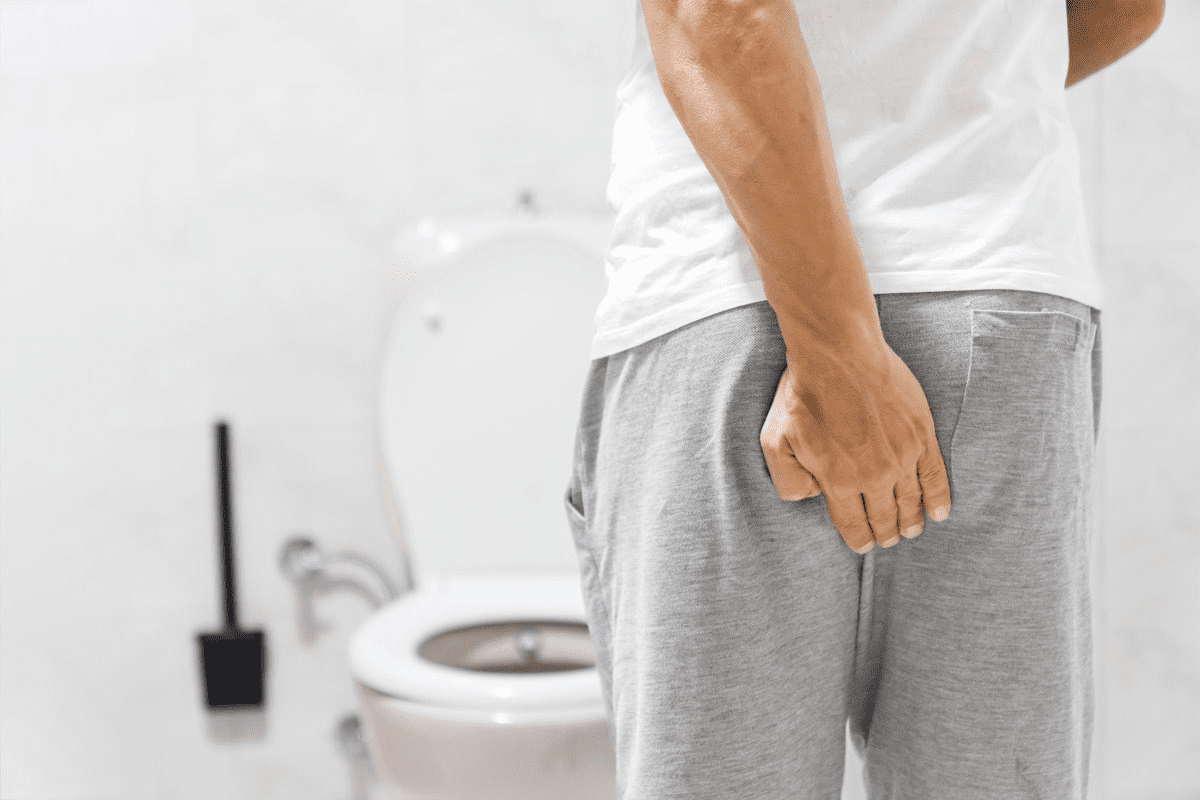
Diarrhea is when you have loose or watery stools. It’s common and affects many people. Knowing about watery stool and diarrhea helps find the cause and the right treatment.
What Defines Watery Stool
Watery stool is soft and liquid, unlike regular solid feces. It can come from infections, what you eat, or health problems. Diarrhea is a symptom, not a disease. It means there’s something else going on that needs fixing.
Acute vs. Chronic Diarrhea
Diarrhea can be short-term or long-term. Acute diarrhea lasts less than 14 days and is often from infections or bad food. Chronic diarrhea goes on for more than 14 days and might mean a bigger health issue. Knowing how long diarrhea lasts helps figure out why it happens.
How Normal Digestion Works
Our body breaks down food and absorbs nutrients in a normal digestion process. The stomach, small intestine, and large intestine work together. If this process gets messed up, you might get watery stool.
Organ | Function |
Stomach | Breaks down food into smaller particles |
Small Intestine | Absorbs nutrients into the bloodstream |
Large Intestine | Absorbs water and compacts waste |
Why Is My Poop Watery? Common Causes
Watery stools can come from several reasons. These include problems with how the intestines absorb things and issues in the digestive system. Knowing what causes these problems helps in treating diarrhea.
Intestinal Absorption Imbalances
When the body can’t absorb nutrients and water right, you might get watery stools. This can happen due to infections, what you eat, or certain health issues.
Digestive System Disruptions
Disruptions in the digestive system can also cause watery stools. These can be from infections, not being able to digest certain foods, or other issues. For example, infections can upset the digestive system and cause diarrhea.
Stress and Anxiety Effects
Stress and anxiety can really mess with your digestive system, often causing diarrhea. The gut and brain are connected, and stress can upset digestion. Relaxation and lifestyle changes can help with these symptoms.
To understand better, let’s look at a summary:
Cause | Description | Effect |
Intestinal Absorption Imbalances | Failure to absorb nutrients and water | Diarrhea |
Digestive System Disruptions | Infections, food intolerances | Watery stools |
Stress and Anxiety | Gut-brain interaction disruption | Diarrhea |
Viral Infections Leading to Liquid Stool
Viral infections are a big reason for watery diarrhea around the world. They mess with how our digestive system works. This can cause diarrhea, vomiting, and stomach pain. We’ll look at the common viruses that lead to liquid stool and how to handle them.
Rotavirus Infection
Rotavirus is a very contagious virus that can hit anyone, but it’s worst in babies and young kids. It spreads through poor hygiene. Symptoms include bad diarrhea, fever, and belly pain. Rotavirus is a big cause of stomach problems worldwide, leading to dehydration and other issues if not treated right.
Norovirus and Its Symptoms
Norovirus is another common cause of stomach problems, often called the “stomach flu.” It’s very contagious and can spread through food, water, or surfaces. Symptoms include diarrhea, vomiting, stomach cramps, and fever. Norovirus outbreaks happen a lot in places like cruise ships, hospitals, and schools. The virus can live on surfaces for weeks, making it hard to stop outbreaks.
Viral Gastroenteritis Management
Handling viral gastroenteritis means staying hydrated, resting, and keeping clean. Fluid replacement is key to avoid dehydration, which is a big risk for the elderly and young kids. You can use over-the-counter meds to ease symptoms, but always check with a doctor first. Here are some important steps:
- Drink lots of fluids, like water, clear broths, or electrolyte-rich drinks.
- Rest to help your body heal.
- Keep clean by washing your hands often.
- Stay home to avoid spreading the virus.
Bacterial Causes of Watery Bowel Movements
Bacterial infections often lead to watery diarrhea. This happens when we eat or drink something contaminated. The bacteria then mess with our digestion, causing diarrhea.
Common Bacterial Pathogens
Many bacteria can make us sick. E. coli, Salmonella, and Campylobacter are some of the most common. They can get into our food and water, causing illness.
Bacterial Pathogen | Common Sources | Symptoms |
E. coli | Contaminated food, undercooked ground beef | Diarrhea, abdominal cramps |
Salmonella | Poultry, eggs, contaminated produce | Diarrhea, fever, abdominal cramps |
Campylobacter | Undercooked poultry, contaminated water | Diarrhea, fever, abdominal pain |
Food Poisoning Statistics and Risks
Food poisoning is a big problem worldwide. The CDC says Salmonella causes about 1.35 million infections in the U.S. each year. Knowing where bacteria come from is key to staying safe.
Differentiating Bacterial from Viral Infections
Telling bacterial from viral diarrhea is important. Bacterial infections might need antibiotics. Tests like stool cultures can figure out what’s causing the problem.
Food Intolerances and Digestive Sensitivities
Understanding food intolerances is key to better digestive health. These occur when the body struggles to digest certain foods, causing discomfort. Unlike food allergies, which affect the immune system, intolerances deal with the digestive system’s inability to process foods.
Lactose Intolerance Mechanisms
Lactose intolerance happens when the body lacks lactase, needed to digest lactose in milk and dairy. Without enough lactase, lactose isn’t absorbed in the small intestine. Instead, it’s fermented by colon bacteria, causing bloating, gas, and diarrhea.
Gluten Sensitivity and Celiac Disease
Gluten sensitivity and celiac disease are linked to gluten in wheat, barley, and rye. Celiac disease is an autoimmune disorder that damages the small intestine when exposed to gluten. Gluten sensitivity has similar symptoms but doesn’t cause as much damage. Both can lead to digestive issues like diarrhea.
FODMAP Sensitivities
FODMAPs are hard for some to digest. When not absorbed in the small intestine, they’re fermented by colon bacteria. This leads to gas, bloating, and other digestive problems.
Identifying Your Food Triggers
To manage food intolerances, finding out which foods cause symptoms is vital. Keeping a food diary can track which foods lead to issues. An elimination diet can also help figure out problem foods.
Medications That Cause Watery Poop
Some medications can make your poop watery. This includes both over-the-counter and prescription drugs. They can mess with how our digestive system works, causing watery stool.
Antibiotics and Gut Flora Disruption
Antibiotics often cause diarrhea. They upset the balance of good and bad bacteria in our gut. This can lead to an imbalance, causing watery stool. Broad-spectrum antibiotics, which target many types of bacteria, are often to blame.
To deal with diarrhea from antibiotics, it’s key to finish the full course of treatment. Even if you start feeling better, keep taking the antibiotics as your doctor says.
Antacids Containing Magnesium
Some antacids have magnesium, which can cause diarrhea. Magnesium pulls water into the intestines, making stool soft and watery. While usually safe, too much can cause diarrhea.
Cancer Treatment Side Effects
Cancer treatments like chemotherapy and radiation therapy can harm the gut. They can damage the lining of the intestines. This can mess up how our body absorbs nutrients, leading to watery diarrhea.
Managing Medication-Induced Diarrhea
There are ways to handle diarrhea from meds. First, drink lots of fluids to stay hydrated. Sometimes, changing the dosage or switching meds can help. For diarrhea from antibiotics, probiotics can help fix the gut balance.
If diarrhea doesn’t go away or gets worse, see a doctor. They can help find ways to manage side effects and suggest treatments.
Chronic Conditions Associated with Liquid Stool
Liquid stool can be a sign of many chronic conditions in the gut. These issues can really affect someone’s life and need careful management.
Inflammatory Bowel Disease (Crohn’s and Ulcerative Colitis)
Inflammatory Bowel Disease (IBD) includes Crohn’s disease and ulcerative colitis. These conditions cause long-term inflammation in the gut. Symptoms include diarrhea, stomach pain, and losing weight.
Key Features of IBD:
- Crohn’s disease can affect any part of the GI tract, from mouth to anus.
- Ulcerative colitis mainly affects the colon.
- Both conditions involve chronic inflammation.
Irritable Bowel Syndrome (IBS)
Irritable Bowel Syndrome (IBS) is a disorder of the gut. It causes long-term stomach pain, discomfort, and changes in bowel habits, like diarrhea.
Management Strategies for IBS:
- Dietary changes, like a low FODMAP diet.
- Stress management techniques.
- Medications to control symptoms.
Chronic Pancreatitis
Chronic pancreatitis is when the pancreas gets inflamed over time. This damage can lead to malabsorption and diarrhea because of low enzyme production.
Malabsorption Syndromes
Malabsorption syndromes happen when the body can’t absorb nutrients well. This can be due to chronic pancreatitis, celiac disease, or Crohn’s disease.
Common Causes of Malabsorption:
Cause | Description |
Chronic Pancreatitis | Insufficient pancreatic enzymes for digestion. |
Celiac Disease | Immune reaction to gluten damaging the small intestine. |
Crohn’s Disease | Inflammation of the GI tract impairing absorption. |
When to See a Doctor About Watery Stool
It’s important to know when watery stool needs a doctor’s help. Watery stool, or diarrhea, can cause dehydration and other problems if not treated right.
Warning Signs and Symptoms
Certain symptoms with watery stool mean you should see a doctor right away. These include:
- Bloody stools or black, tarry stools
- Severe abdominal pain
- Fever above 102°F (39°C)
- Signs of dehydration, such as excessive thirst, dark urine, or dizziness
Severe dehydration and bloody stools are warning signs that require immediate medical attention. If you or someone you’re caring for is experiencing these symptoms, it’s vital to seek help quickly.
Dehydration Risks and Assessment
Dehydration is a big risk with watery stool. To check for dehydration, look for these signs:
Signs of Dehydration | Mild/Moderate | Severe |
Thirst | Some | Extreme |
Urine Output | Decreased | Very Low/None |
Urine Color | Darker | Dark/Not Producing |
Dizziness | Some | Severe |
Diagnostic Procedures
When you see a doctor for watery stool, they might do several tests. These can include:
- Medical history and physical examination
- Stool tests to check for infections or inflammation
- Blood tests to assess dehydration or infection
What to Expect at Your Appointment
At your appointment, your doctor will ask about your symptoms, medical history, and recent activities. Be ready to share as much detail as you can to help with the diagnosis.
Knowing when to seek medical attention is key. By understanding the warning signs and diagnostic procedures, you can take steps to address watery stool and avoid complications.
Treatment and Home Remedies for Watery Poop
Diarrhea treatment focuses on the cause and symptom management to avoid complications. Managing watery stool improves life quality and prevents dehydration.
Over-the-Counter Medications
Over-the-counter (OTC) meds are key in managing diarrhea. Loperamide slows gut movement, helping absorb water and electrolytes. Bismuth subsalicylate has antimicrobial properties, reducing diarrhea frequency.
Medication | Mechanism of Action | Common Side Effects |
Loperamide | Slows down gut movement | Constipation, abdominal pain |
Bismuth subsalicylate | Antimicrobial, anti-inflammatory | Black stools, tongue discoloration |
Prescription Treatment Options
Prescription meds are needed for infections or chronic conditions. Antibiotics fight bacterial infections, and anti-parasitic medications target parasites. For IBS, antispasmodics may be suggested.
Dietary Modifications
Changing your diet is key in managing diarrhea. The BRAT diet (Bananas, Rice, Applesauce, Toast) is recommended. It includes low-fiber, easy-to-digest foods. Also, avoid spicy or fatty foods that can irritate your stomach.
Hydration Strategies
Staying hydrated is essential when you have diarrhea. Oral Rehydration Solutions (ORS) like Pedialyte or Gatorade replace lost electrolytes. Drinking water or clear broths also helps replenish fluids.
Using these treatments and home remedies can help manage watery stool effectively.
Conclusion: Prevention Strategies for Healthy Bowel Function
To prevent diarrhea and keep your bowels healthy, it’s important to know what causes it. Keeping clean and avoiding bad food and water is key. Also, managing health issues can help stop diarrhea.
We suggest using strategies that help your bowels stay healthy. Eating a balanced diet with lots of fiber is good. Drinking plenty of water and avoiding certain foods can also help. Plus, managing stress and exercising regularly are important for your bowels.
Learning about watery stool and using these prevention tips can lower your risk of diarrhea. Good hygiene, a balanced diet, and a healthy lifestyle are all part of effective prevention.
FAQ
Why is my poop watery?
Watery stool can come from many things. This includes infections, food issues, and stress. Knowing the cause helps in finding the right treatment.
What does it mean if my stool is like water?
Watery stool might mean you have a gut infection or imbalance. We look at common reasons like infections and food sensitivities.
Why am I having liquid poop?
Liquid poop can signal a problem like an infection or intolerance. Finding out why is key to fixing it.
What are the common causes of watery stools?
Watery stools often come from infections, food issues, or stress. We dive into these causes to help you manage your symptoms.
How can I stop watery diarrhea?
To stop watery diarrhea, know the cause and treat it. This might include meds, diet changes, and staying hydrated.
Is watery stool a sign of a serious condition?
Yes, watery stool can hint at serious issues like inflammatory bowel disease. We talk about when to see a doctor.
How can I prevent dehydration from watery diarrhea?
Stay hydrated with fluids like oral rehydration solutions. Watch for signs of dehydration, like too much thirst and dark urine.
What are the treatment options for watery stool?
Treatments include meds, prescription options, and diet changes. We explore these to help you feel better.
Can stress cause watery stool?
Yes, stress can mess with your digestion and cause watery stool. We discuss how stress affects your gut and how to handle it.
How can I maintain healthy bowel function?
For healthy bowels, focus on diet, lifestyle, and managing stress. We offer tips for a better digestive system.
References:
National Center for Biotechnology Information. Evidence-Based Medical Guidance. Retrieved from https://www.ncbi.nlm.nih.gov/books/NBK448082/[1