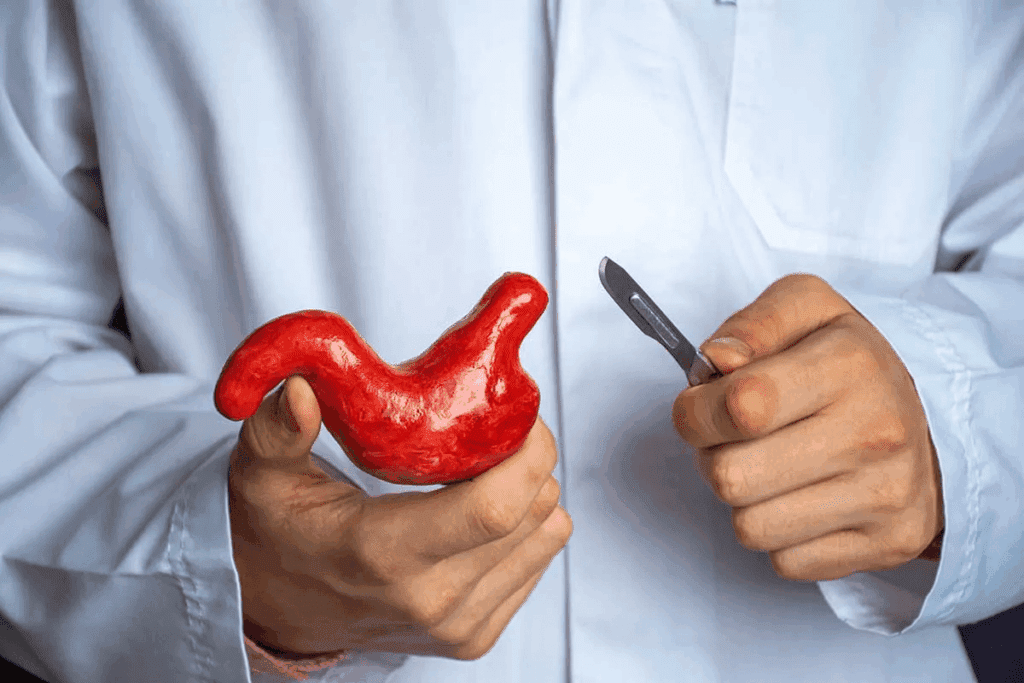
Many people considering gastric sleeve surgery worry about how it might affect their relationship with food. They often wonder if they’ll ever be able to enjoy food again. Studies show that while the surgery can alter taste changes and eating habits, many patients find ways to enjoy food in new ways.
It’s important to understand the physical and mental changes after surgery. Patients often feel less hungry because of the appetite loss from bariatric surgery. But, this doesn’t mean they can’t enjoy their favorite foods. It just means they might eat them differently.
Key Takeaways
- Patients can enjoy food after gastric sleeve surgery, but their eating habits may change.
- Taste changes are common, but the extent varies among individuals.
- Appetite loss is a typical experience post-bariatric surgery.
- Adapting to new eating habits is key for long-term success.
- Psychological support is vital for adjusting to the changes post-surgery.
The Reality of Eating After Gastric Sleeve Surgery

Gastric sleeve surgery changes how you eat and see food. It’s not just a physical change. It also changes how you think about food.
Physical Changes to Your Digestive System
The surgery makes your stomach smaller. This affects how much you can eat and what you can eat. At first, you’ll only eat liquids. Then, as your stomach heals, you’ll start eating solid foods again.
Initial Expectations vs. Long-Term Reality
People often think they’ll eat differently after surgery. But, it takes time to get used to new hunger and fullness signals. As you get used to it, your eating habits and food choices will change.
The Psychological Impact on Food Perception
Having a smaller stomach changes how you feel about eating. It affects your hunger and feeling full. It’s a big change that needs time to get used to. You’ll need to learn new ways of eating and think about food differently.
Common Concerns About Food Enjoyment Post-Surgery

Many people worry about how gastric sleeve surgery will change their eating habits. They fear losing the joy of eating due to taste changes or never feeling full. Social meals can also become tough.
Fear of Permanent Taste Changes
Changes in taste after surgery are a big worry. Some people notice their taste buds are different after surgery. But, these changes usually don’t last forever.
Anxiety About Never Feeling Satisfied
Feeling full or satisfied is a big concern. With a smaller stomach, it can feel like you’re always hungry. But, eating mindfully and choosing healthy foods can help.
Worries About Social Eating
Eating out can be hard after surgery. It’s tough to find food that fits your new diet at family meals or restaurants.
Restaurant Challenges
Finding food to eat out can be tough. But, picking restaurants with healthy options makes it easier to enjoy meals out.
Family Gatherings
Family meals often focus on food, making it hard to stick to your diet. Talking to your family about your diet can make these meals easier.
Concern | Strategy to Mitigate |
Fear of Permanent Taste Changes | Experimenting with flavors and spices |
Anxiety About Never Feeling Satisfied | Mindful eating techniques, focusing on protein-rich foods |
Worries About Social Eating | Planning ahead, communicating needs to others |
The Timeline: When Eating Will Feel Normal Again
Knowing when you’ll get back to normal eating after gastric sleeve surgery is key. It’s a journey that takes time and is different for everyone.
The First Three Months
Right after surgery, you’ll start with a liquid diet. This diet will then move to a pureed diet as your stomach heals. This step is important to avoid putting too much strain on your stomach.
Liquid and Pureed Diet Phases
At first, you’ll drink clear broths, electrolyte drinks, and protein shakes. Later, you’ll move to pureed foods. These foods are smooth and easy to digest.
Introducing Soft Foods
Once you’ve been on a pureed diet for a bit, you can try soft foods. These include scrambled eggs, cooked veggies, and soft fruits. They’re gentle on your stomach.
Six Months to One Year
By six months to a year, you’ll have made big strides in your eating. You can start to eat a variety of foods. This includes lean proteins, whole grains, and fruits and veggies. Remember to eat slowly and stop when you’re satisfied, not stuffed.
Long-Term Adjustment (Beyond One Year)
After a year, you’ll likely have found a steady eating routine. You’ll have adjusted to your new stomach size and can enjoy a wide range of foods. But, keep practicing mindful eating and choosing healthy foods to keep your weight and health in check.
The time it takes for eating to feel normal again after gastric sleeve surgery varies. But with patience and sticking to the recommended diet, you can develop a healthy relationship with food.
Taste Changes After Sleeve: What to Expect
After gastric sleeve surgery, many people notice changes in how they taste food. These changes can come from the surgery itself or from new eating habits.
Why Taste Buds May Change
There are several reasons why taste might change after surgery. Changes in diet and how the body digests food can play a big role. Some people might find that they can taste things more strongly or be more sensitive to certain flavors.
Common Taste Aversions
Some people start to dislike certain foods after surgery. Meat intolerance and being too sensitive to sweet tastes are common problems.
Meat Intolerance
For some, meat becomes hard to eat or digest after surgery. This is often because the stomach is smaller and digestion works differently.
Sweet Sensitivity
Being too sensitive to sweet tastes is another common issue. This can make it hard to enjoy desserts or sweet drinks.
Food Type | Common Reactions |
Meat | Intolerance, aversion |
Sweet Foods | Sensitivity, discomfort |
When Taste Preferences Return to Normal
It can take a year or more for taste preferences to settle down after surgery. It’s important to be patient and try different foods to find what you like.
Understanding that taste changes are normal can help. By adjusting to these changes and choosing foods wisely, people can enjoy eating again after surgery.
Understanding Hunger Levels After Gastric Sleeve
After gastric sleeve surgery, patients notice a big change in their hunger. This is mainly because their stomach is smaller. This smaller size affects how much hunger hormones are made.
The Science Behind Reduced Hunger
Gastric sleeve surgery cuts out part of the stomach that makes hunger hormones like ghrelin. With less ghrelin, hunger goes down. This hormonal change is a key factor in the reduced hunger experienced by patients post-surgery.
Recognizing True Hunger vs. Emotional Eating
It’s important for patients to tell true hunger from emotional eating. True hunger feels like a growling stomach or feeling lightheaded. Emotional eating is about feeling certain emotions. Learning to recognize these differences is vital for a healthy relationship with food post-surgery.
How Hunger Sensations Evolve Over Time
Over time, hunger feelings can change. At first, hunger is much less. But as the body gets used to it, some may feel hungrier again.
The Return of Appetite
The return of appetite happens slowly. It’s key for patients to pay attention to their hunger signals. They should eat foods that are full of nutrients to meet their body’s needs.
Time Post-Surgery | Hunger Level | Nutritional Focus |
0-3 months | Significantly reduced | Liquid diet, gradual introduction to solids |
6 months to 1 year | Gradual increase | Protein-rich foods, nutrient-dense diet |
Beyond 1 year | Variable, potentially normalizing | Balanced diet, mindful eating |
Eating After Gastric Sleeve: Creating a New Relationship with Food
The gastric sleeve surgery is more than just losing weight. It’s about starting a new way of eating that’s both mindful and enjoyable. As patients get used to their new body, they can build a better relationship with food.
Mindful Eating Techniques
Mindful eating helps patients focus on their food. They notice the taste, texture, and smell. This makes eating more satisfying and enjoyable, even with smaller portions.
Quality Over Quantity
After gastric sleeve surgery, it’s important to choose quality over quantity. Eat foods that are full of nutrients. This ensures your body gets the vitamins and minerals it needs.
Finding Joy in Smaller Portions
Practices like savoring each bite and using smaller plates and utensils make eating better. They help patients enjoy their food more and feel full.
Savoring Each Bite
By savoring each bite, patients can really enjoy their food. They get to experience the flavors and textures fully.
Using Smaller Plates and Utensils
Smaller plates and utensils help control how much you eat. They make eating feel more normal and satisfying.
Strategies for Maximizing Food Satisfaction Post-Surgery
To enjoy food after gastric sleeve surgery, several key strategies can be employed. Patients need to adapt their eating habits to not only meet their nutritional needs but also to enjoy their food.
Focusing on Protein-Rich Foods
One of the primary strategies is to focus on protein-rich foods. Protein takes longer to digest, keeping you fuller for longer and reducing the likelihood of overeating. Examples of protein-rich foods include lean meats, fish, eggs, and dairy products.
- Lean meats: chicken, turkey, beef
- Fish: salmon, tuna, tilapia
- Eggs and dairy: Greek yogurt, cottage cheese
Experimenting with Flavors and Spices
Experimenting with various flavors and spices can make meals more enjoyable. This can include trying out different cuisines or using herbs and seasonings to enhance the taste of food.
Herbs and Seasonings That Enhance Flavor
Some herbs and seasonings that are effective at making food taste better include:
Herb/Seasoning | Common Use | Flavor Profile |
Garlic | Italian, Asian dishes | Pungent, savory |
Cumin | Mexican, Indian dishes | Warm, earthy |
Basil | Italian, Thai dishes | Bright, slightly sweet |
Cooking Methods That Maximize Taste
Cooking methods can also significantly impact the taste of food. Grilling, roasting, and sautéing are effective ways to bring out the natural flavors of ingredients.
Eating Slowly and Savoring Each Bite
Eating slowly and savoring each bite is key for maximizing food satisfaction. This approach helps in recognizing the flavors and textures of food, making the eating experience more enjoyable.
“The way we eat is as important as what we eat. Savoring each bite can transform a meal into a truly satisfying experience.”
By incorporating these strategies into their daily eating habits, patients can significantly enhance their food satisfaction post-surgery.
Navigating Food Tolerance Issues After Sleeve Surgery
After gastric sleeve surgery, managing food tolerance is a big challenge. Some foods are hard to digest, causing discomfort or other problems.
Common Problem Foods
Some foods are more difficult to digest after surgery. These include:
- Dairy Products: Some people struggle with lactose or other dairy components.
- Fibrous Vegetables: High-fiber veggies can be hard to digest and may cause discomfort.
- Tough Meats: High-fat or tough meats are often hard to tolerate.
Dairy Products
Dairy can be tough because of lactose. Some might need lactose-free options or supplements.
Fibrous Vegetables
Fibrous veggies are nutritious but can be tricky. Steaming or cooking them softens them for easier digestion.
Tough Meats
It’s best to avoid tough or fatty meats at first. Try tender cuts and cook them right to help digestion.
Testing and Reintroducing Foods Safely
Introducing hard-to-digest foods slowly is key. Start with small amounts and watch how your body reacts.
Dealing with Dumping Syndrome
Dumping syndrome happens when food moves too fast into the small intestine. Symptoms include nausea, vomiting, and diarrhea. To manage it, avoid sugary foods and eat smaller, more frequent meals.
Social Eating and Special Occasions After Bariatric Surgery
After gastric sleeve surgery, social eating can be tough. But, with the right strategies, you can enjoy special times. You’ll need to change how you eat, which might affect your social life.
Restaurant Strategies
Choosing the right restaurant is key. Pick places with menus full of healthy foods. Knowing your diet needs makes menu navigation simpler.
Menu Navigation
Look for dishes high in protein. Ask for changes, like grilled instead of fried. This can make a big difference.
Portion Control Tips
Restaurant portions are often too big after surgery. Share meals or take leftovers home. This helps with portion control and saves food.
Handling Holiday Meals
Holiday meals can be tough because of all the rich foods. Plan ahead. Eat a healthy meal before, so you’re not tempted by bad choices.
Communicating Your Needs to Friends and Family
Tell your friends and family about your diet needs. They can be very supportive if they understand. Explain your situation and how they can help.
By using these strategies, you can enjoy social events and holidays while following your diet. It’s all about being ready and talking openly.
Success Stories: Patients Who Rediscovered Food Pleasure
Every patient’s journey after gastric sleeve surgery is different. Many find new favorite foods and enjoy eating again. Some enjoy smaller portions, while others explore new tastes and textures.
Real-Life Experiences
Many patients have shared their inspiring stories. They talk about how they started to enjoy food again after surgery. Some found new dishes they can eat in moderation.
- Experimenting with new recipes and flavors
- Finding satisfaction in protein-rich foods
- Enjoying the company of others while eating
Lessons Learned from Long-Term Sleeve Patients
Long-term patients have learned a lot about food. They stress the importance of mindful eating and enjoying each bite.
How Perspectives on Food Enjoyment Change
Patients often see food in a new light. They learn to appreciate the quality of food more than the quantity.
Finding New Favorite Foods
Some patients find new favorite foods they can enjoy in moderation. These are often healthy, nutrient-dense foods they hadn’t tried before.
Unexpected Benefits of Changed Tastes
Many patients notice they crave unhealthy foods less. This leads to a healthier diet and better overall health.
These stories show that patients can lose weight and enjoy food in new ways after surgery.
Conclusion: Embracing Your New Food Future
Gastric sleeve surgery starts a new chapter in your life. It’s a chance to have a healthier and more fun relationship with food. Understanding the changes after surgery helps you face the challenges and benefits.
With the right mindset and strategies, you can enjoy food after gastric sleeve surgery. This means eating mindfully, focusing on quality, and finding happiness in small portions. You’ll learn that enjoying food is more about the experience than how much you eat.
Embracing your new food future means being open to change and adapting to your body’s new needs. This leads to a positive and satisfying eating experience that improves your overall well-being. Gastric sleeve surgery is more than a procedure; it’s a step towards a healthier, happier you.
FAQ
Will I stil be able to enjoy my favorite foods after gastric sleeve surgery?
Yes, you can enjoy your favorite foods, but in smaller amounts. You’ll focus more on the quality of what you eat.
How long does it take to adjust to the new eating habits after gastric sleeve surgery?
It takes about six months to a year to get used to new eating habits. Some people may need more time.
Can I expect my taste preferences to change after gastric sleeve surgery?
Yes, your taste preferences might change. You can try new flavors and spices to manage these changes.
How do I manage hunger and fullness cues after gastric sleeve surgery?
It’s important to know the difference between real hunger and emotional eating. Mindful eating helps you understand this.
What are some strategies for maximizing food satisfaction after gastric sleeve surgery?
Eating more protein, trying new flavors, and eating slowly can make meals more enjoyable.
How do I navigate food tolerance issues after gastric sleeve surgery?
Find out which foods are hard to digest. Test them slowly and safely. Managing dumping syndrome is also key.
Can I stil enjoy social eating and special occasions after gastric sleeve surgery?
Yes, you can. Plan your meals, control portions, and talk openly with others to enjoy these events safely.
How do I deal with the psychological impact of gastric sleeve surgery on my relationship with food?
Focus on mindful eating and enjoy smaller portions. This can lead to a healthier and more enjoyable food relationship.
Will my appetite return after gastric sleeve surgery?
Your appetite might come back over time. It’s important to know the difference between hunger and emotional eating.
How can I make mealtime more enjoyable after gastric sleeve surgery?
Savor each bite, use smaller plates, and try new flavors. These tips can make eating more enjoyable.
References
National Center for Biotechnology Information. Evidence-Based Medical Insight. Retrieved from https://www.ncbi.nlm.nih.gov/pmc/articles/PMC6153588/