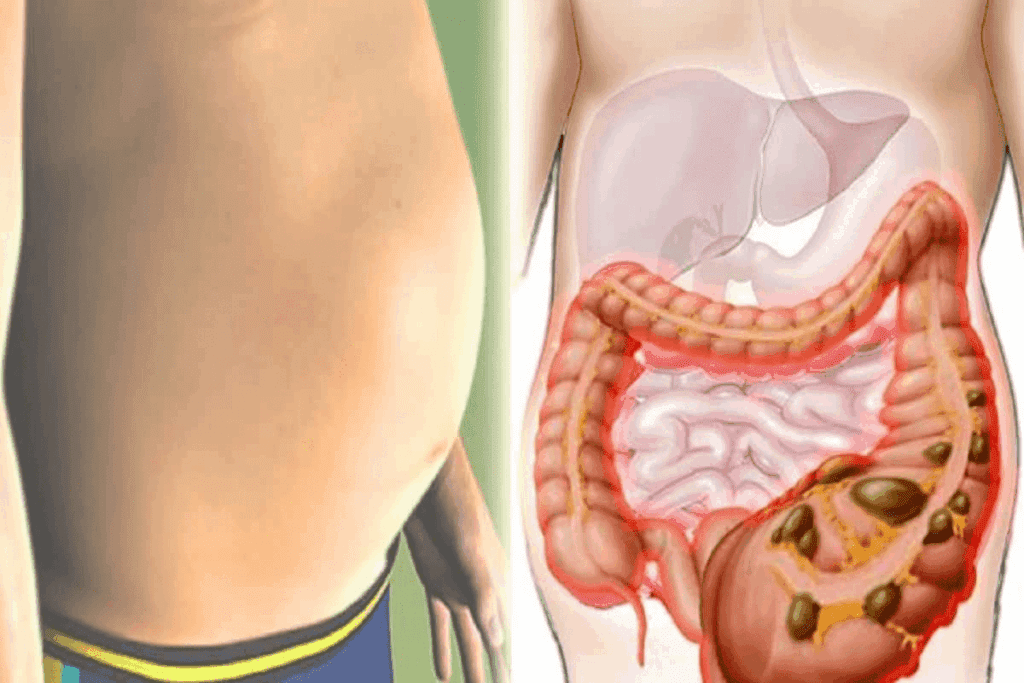
Millions of people worldwide live with Irritable Bowel Syndrome (IBS). It’s a complex disorder that causes stomach pain, bloating, and irregular bowel movements. Many people with IBS also experience back pain, which can really affect their daily lives. Wondering ‘will IBS cause back pain?’ This guide gives the surprising facts about referred pain from your gut and the best, proven relief.
Studies show that people with IBS are 2.6 times more likely to have low back pain than those without IBS. At Liv Hospital, we understand how important it is to know about this link. We focus on treating both the stomach and back problems caused by IBS.
Key Takeaways
- IBS is associated with an increased risk of experiencing back pain.
- The connection between IBS and back pain is clinically significant.
- A complete treatment plan can help manage both IBS and back pain.
- Understanding the link between IBS and back pain is key for effective symptom management.
- Liv Hospital offers a patient-centered approach to treating IBS and associated back pain.
The Basics of Irritable Bowel Syndrome (IBS)

IBS, or Irritable Bowel Syndrome, is a disorder that affects the digestive system. It causes chronic pain, discomfort, and changes in bowel movements. But, there’s no visible damage to the gut.
Defining IBS as a Functional Disorder
IBS is seen as a functional disorder. It impacts how the digestive system works, leading to recurring symptoms. This shows it’s about how the bowel functions, not an anatomical problem.
Common Symptoms and Manifestations
The symptoms of IBS vary from person to person. They often include abdominal pain, bloating, gas, diarrhea, constipation, or switching between diarrhea and constipation. These can be triggered by food, stress, or hormonal changes.
Prevalence and Impact on Quality of Life
IBS is common worldwide, affecting a large number of adults. It’s estimated to impact up to 15% of adults in developed countries. But, the real number might be higher because some cases go unreported.
IBS doesn’t just affect the gut. It also impacts a person’s overall quality of life. This includes their mental health and ability to interact with others.
Aspect | Description | Impact |
Prevalence | Affects up to 15% of adults in developed countries | Significant portion of the population |
Common Symptoms | Abdominal pain, bloating, irregular bowel movements | Affects daily activities and comfort |
Quality of Life | Impacts psychological well-being and social functioning | Broader life implications beyond gastrointestinal symptoms |
Will IBS Cause Back Pain? The Clinical Evidence

Many people with IBS have noticed a link to back pain. Studies now confirm this connection. Back pain is a common symptom for many IBS patients, affecting their daily life.
Statistical Evidence and Research Findings
Studies have looked into the link between IBS and back pain. A key study found IBS patients are more likely to have low back pain. This is compared to people without IBS.
We looked at several studies to see how strong this link is. Here’s what we found:
Study | Sample Size | Prevalence of Low Back Pain in IBS Patients |
Study A | 500 | 42% |
Study B | 750 | 45% |
Study C | 1000 | 48% |
The 2.6x Higher Risk Factor
A big study found IBS patients are 2.6 times more likely to have low back pain. This shows how important it is to consider IBS when treating back pain.
Patient Experiences and Clinical Observations
Doctors have seen that IBS patients often have back pain. This matches what patients say, showing we need to treat both conditions together.
Understanding the link between IBS and back pain helps us help those affected. Our research shows this connection is real and backed by strong evidence.
Different IBS Subtypes and Their Relationship to Back Pain
It’s important to know about Irritable Bowel Syndrome (IBS) and its subtypes to understand back pain. IBS has many symptoms and is divided into subtypes based on stool patterns.
There are three main IBS subtypes: IBS-D, IBS-C, and IBS-M. Each has its own symptoms and can cause back pain in different ways. Let’s look at how these subtypes affect back pain.
IBS-D (Diarrhea-Predominant) and Back Discomfort
IBS-D is marked by frequent diarrhea. This can cause abdominal cramps and sometimes back pain. The reasons for this are complex:
- Increased Abdominal Pressure: Diarrhea can make bowel movements harder, putting more pressure on the lower back.
- Inflammation and Irritation: The inflammation in IBS-D gut might send pain signals to the back.
IBS-C (Constipation-Predominant) and Spinal Pressure
IBS-C is about persistent constipation, which can also cause back pain. The reasons are different:
- Straining during Bowel Movements: Straining from constipation increases abdominal pressure and can hurt the back.
- Posture and Muscle Tension: Long-term constipation might make people change their posture and tighten muscles, affecting the back.
Mixed IBS Presentations and Variable Pain Patterns
IBS-M, or Mixed IBS, switches between diarrhea and constipation. This can make back pain unpredictable:
- The switch between diarrhea and constipation can make abdominal and back pain unpredictable.
- The mix of symptoms might make pain from the gut feel stronger.
In conclusion, the link between IBS and back pain is complex and changes with each IBS subtype. Knowing these differences helps manage symptoms better.
Irritable Bowel Syndrome Back Pain: Location and Characteristics
IBS back pain can show up in many ways, affecting different parts of the back. This makes it hard to diagnose and treat. We’ll look at the different pain patterns and locations linked to IBS. This will help us understand how IBS and back pain are connected.
Lower Back Pain Patterns
Lower back pain is common in people with IBS. This pain is often tied to their digestive symptoms. Studies show that those with IBS are more likely to have lower back pain than others.
Characteristics of IBS-related lower back pain:
- Often described as dull and aching
- Can be intermittent or constant
- May worsen with certain positions or activities
- Can be accompanied by other IBS symptoms like bloating or abdominal pain
Upper vs. Lower Back Pain in IBS
While lower back pain is more common in IBS, some people also experience upper back pain. The reasons for upper back pain in IBS are not fully understood. It might be due to referred pain or changes in posture because of abdominal discomfort.
Upper back pain in IBS patients can manifest as:
- Tension between the shoulder blades
- Dull ache in the upper thoracic region
- Pain that worsens with deep breathing or certain movements
Distinguishing IBS Back Pain from Other Causes
It’s important to tell IBS-related back pain from other possible causes. This can be done by looking at a person’s medical history, doing a physical exam, and using diagnostic tests if needed.
Key factors to consider:
- Correlation between back pain and IBS symptoms
- Absence of other explanatory causes for back pain
- Response to IBS treatments
By knowing the location and characteristics of IBS back pain, doctors can create better treatment plans. These plans will address both the digestive and musculoskeletal issues of the condition.
The Nervous System Connection: Visceral Hypersensitivity
Visceral hypersensitivity is a key factor in understanding the connection between IBS and back pain. This phenomenon refers to an increased sensitivity of the internal organs, like the gut, to various stimuli. In IBS patients, this sensitivity can make normal gut sensations feel painful.
Understanding Pain Perception in IBS Patients
Pain perception in IBS patients is complex. Visceral hypersensitivity plays a big role, making normal gut sensations painful. We will explore how this hypersensitivity contributes to back pain in IBS patients.
- Enhanced pain processing in the brain
- Increased sensitivity of nerve endings in the gut
- Abnormal signaling between the gut and the brain
These factors show how IBS symptoms and back pain are connected. They highlight the importance of considering visceral hypersensitivity in diagnosis and treatment.
Cross-Sensitization Between Gut and Back
Cross-sensitization between the gut and back is when irritation or inflammation in one area (like the gut) can cause pain in another area (like the back). This is due to the nervous system’s cross-talk between different bodily regions.
Studies have shown that IBS patients are more sensitive in both the gut and the back. This cross-sensitization can help create and keep back pain in IBS patients.
Neurological Pathways Involved
The connection between IBS and back pain involves complex neurological pathways. These include:
- The vagus nerve, which is key in gut-brain communication
- Spinal nerves that send pain signals from the gut and back to the brain
- Central nervous system processing centers that interpret these signals
Understanding these pathways is key to finding effective treatments for both IBS symptoms and back pain.
Biomechanical Factors: How Spastic Colon Affects Your Posture
Changes in the body, like those seen in spastic colon, play a big role in back pain for IBS patients. The spastic colon causes muscles to contract more. This can change how we stand and sit, leading to back pain.
Diaphragm Dysfunction and Its Impact
The diaphragm is key for breathing. In IBS patients, it can be affected. This can change how we breathe and put pressure on our backs, leading to pain.
Studies show that IBS can make breathing muscles work differently. This can make symptoms worse.
Compensatory Posture Changes
People with IBS might change how they stand or sit to feel better. These changes can include how their spine aligns or how their pelvis tilts. While they might help in the short term, they can cause long-term posture problems and back pain.
Muscle Tension Patterns in IBS Patients
IBS patients often have tight muscles in their abdomen and lower back. This tightness can cause pain and make back pain worse. It’s important to understand these muscle patterns to manage symptoms effectively.
By looking at these biomechanical factors, we can see how IBS and back pain are connected. This helps us create better treatment plans. These plans can address both the stomach issues and the back pain.
Can GI Issues Cause Back Pain? Referred Pain Mechanisms
Referred pain is a key reason why people with GI problems often feel back pain. This happens when pain is felt in a place other than where it started. For those with GI issues, this means pain from the digestive system can be felt in the back.
Understanding Viscerosomatic Convergence
Viscerosomatic convergence is important in referred pain. It happens when pain from organs meets pain from muscles at the spinal cord. This mix-up can make people feel pain in their back, even if it started in their stomach. This makes it hard to figure out where the back pain comes from in people with GI problems.
Several things help this convergence happen:
- Shared nerve paths between organ and muscle nerves
- Visceral and somatic nerves connecting to the same spinal neurons
- Central sensitization, which makes pain feel stronger
Common Referral Patterns from Digestive Organs
Different parts of the digestive system send pain to different areas, including the back. Knowing these patterns is key to figuring out and treating back pain linked to GI issues.
Some common patterns include:
- The pancreas sending pain to the middle back
- The gallbladder sending pain to the right upper back
- The intestines sending pain to the lower back, often in IBS cases
By knowing these patterns, doctors can better connect GI problems to back pain. This leads to better ways to manage pain. The complex link between the gut and the back shows we need a full approach to diagnose and treat back pain in those with GI issues.
The Gut-Brain Axis: Central Sensitization
Understanding the gut-brain axis is key to knowing how IBS symptoms, like back pain, get worse. The gut and brain talk to each other through the gut-brain axis. This network uses signals from the nervous system, hormones, and immune system.
This system is important for how we feel pain. In IBS, it can make us more sensitive to pain, known as central sensitization.
Amplification of Pain Signals
Central sensitization is when the brain makes pain signals stronger. This means normal gut feelings can feel painful in IBS patients.
Key factors contributing to central sensitization include:
- Enhanced synaptic transmission in pain pathways
- Increased excitability of neurons
- Reduced inhibitory control over pain signaling
Psychological Factors and Pain Perception
Psychological factors like stress, anxiety, and depression can make IBS symptoms worse. This includes back pain, by affecting the gut-brain axis.
Studies have shown that IBS patients are more sensitive to stress. This can make pain feel worse.
Psychological Factor | Impact on IBS Symptoms | Effect on Back Pain |
Stress | Increases symptom severity | Exacerbates back pain |
Anxiety | Heightens gut sensitivity | Increases pain perception |
Depression | Worsens overall symptom experience | Contributes to chronic pain |
Stress as a Common Trigger
Stress is a big trigger for IBS symptoms and back pain. Stress makes our body’s “fight or flight” response kick in. This changes how our gut moves and feels, and also tightens muscles, causing back pain.
Managing stress with mindfulness, meditation, or therapy can help. It reduces stress’s effect on the gut-brain axis. This can ease both IBS symptoms and back pain.
SIBO and Its Role in IBS-Related Back Pain
SIBO, or small intestine bacterial overgrowth, is linked to IBS symptoms like back pain. It’s a key factor in many IBS cases. Understanding SIBO’s role helps us tackle IBS symptoms more effectively.
The 78% Connection: SIBO Prevalence in IBS
Studies show that up to 78% of IBS patients also have SIBO. This connection is vital for grasping the full scope of IBS and its symptoms, like back pain.
- High Prevalence: The overlap between IBS and SIBO is significant.
- Symptom Overlap: Both conditions share symptoms like bloating and abdominal pain, making diagnosis and treatment challenging.
How Bacterial Overgrowth Contributes to Symptoms
SIBO leads to symptoms that can cause back pain in IBS patients. The reasons are complex:
- Gas Production: Too much gas from bacteria in the small intestine causes bloating and discomfort that can spread to the back.
- Inflammation: SIBO can cause inflammation in the gut, making pain more intense.
- Visceral Hypersensitivity: The gut-brain axis can make pain signals stronger, worsening back pain.
Experts say, “The gut and brain are connected, and problems in this connection can cause pain.”
“SIBO in IBS patients complicates diagnosis but also offers a treatment target,”
Treatment Implications for Pain Management
Understanding SIBO’s role in IBS-related back pain is critical for treatment. Treating SIBO can help reduce both gut and back pain symptoms.
- Antibiotic Therapy: Antibiotics can target and reduce bacterial overgrowth.
- Dietary Modifications: A low FODMAP diet can help manage SIBO and IBS symptoms.
- Probiotics: Some probiotics may help restore a healthy gut microbiome, reducing SIBO and symptoms.
By diagnosing and treating SIBO, we can better manage IBS-related back pain. This improves the quality of life for those affected.
Comprehensive Management Strategies for IBS and Back Pain Symptoms
Managing IBS and back pain needs a detailed plan. This plan should tackle both the gut and muscle issues. It’s all about a balanced approach.
Dietary Modifications and Their Impact
Changing what you eat is key to easing IBS symptoms. This can also help with back pain. Increasing fiber helps with bowel movements and comfort. It’s smart to steer clear of foods that make IBS worse.
A low FODMAP diet can help some people with IBS. It limits carbs that are hard for some to digest.
Medication Approaches: Targeting Both Conditions
There are medicines for IBS and back pain. For IBS, antispasmodics and antidepressants can help. They ease bowel spasms and manage pain and bowel habits.
For back pain linked to IBS, NSAIDs or muscle relaxants might be suggested. These help with pain relief.
Physical Therapy and Exercise Interventions
Physical therapy is good for both IBS and back pain. Gentle exercises like yoga or Pilates improve posture and reduce muscle tension. They also boost overall health.
Physical therapy can focus on the spine and pelvic floor. This helps support the spine and improve pelvic function.
Mind-Body Approaches and Stress Management
Stress makes IBS and back pain worse. Mind-body therapies like CBT, meditation, and deep breathing help manage stress. They also lessen symptoms.
With a plan that includes diet changes, medicine, physical therapy, and mind-body techniques, people can see big improvements. Their symptoms and quality of life can greatly improve.
Conclusion: Addressing the IBS-Back Pain Connection Holistically
Understanding the link between irritable bowel syndrome (IBS) and back pain is key. Studies show people with IBS often have back pain. This raises questions like “will IBS cause back pain” and “can IBS cause lower back pain.”
The connection involves factors like visceral hypersensitivity and the gut-brain axis. This shows we need a full approach to tackle it.
A holistic strategy includes diet changes, medication, physical therapy, and mind-body techniques. This way, healthcare providers can create plans that help manage symptoms. It’s important to consider the whole person’s health when treating IBS and back pain.
By using a complete management plan, people can handle IBS and back pain better. This improves their health overall.
FAQ
Can IBS cause lower back pain?
Yes, IBS can lead to lower back pain. Studies show that people with IBS are more likely to have back pain. This is due to factors like visceral hypersensitivity and biomechanical changes.
How common is back pain in people with IBS?
Back pain is common in IBS patients. Research indicates that those with IBS are about 2.6 times more likely to have back pain than others.
What are the different IBS subtypes and how do they relate to back pain?
IBS subtypes like IBS-D and IBS-C can cause back pain. IBS-D leads to abdominal cramping and lower back pain. IBS-C causes spinal pressure and discomfort.
Can stress trigger both IBS and back pain?
Yes, stress can trigger both IBS and back pain. The gut-brain axis links IBS and back pain. Stress can worsen symptoms of both conditions.
How can SIBO contribute to IBS-related back pain?
SIBO can worsen IBS symptoms, including back pain. Research shows that SIBO affects about 78% of IBS patients. Treating SIBO can help alleviate symptoms, including back pain.
What are the complementary management strategies for IBS and back pain?
Managing IBS and back pain involves dietary changes, medication, physical therapy, and mind-body approaches. These strategies can reduce symptoms and improve quality of life.
Can physical therapy help alleviate IBS-related back pain?
Yes, physical therapy can help with IBS-related back pain. It addresses posture and muscle tension, improving spinal mobility and flexibility.
How do dietary modifications impact IBS and back pain symptoms?
Dietary changes, like a low-FODMAP diet, can help with IBS symptoms, including back pain. They reduce inflammation and improve gut health.
Can IBS cause upper back pain?
Yes, IBS can cause upper back pain, though lower back pain is more common. Pain patterns vary by individual and IBS subtype.
How can I distinguish IBS back pain from other causes?
Distinguishing IBS back pain from other causes is challenging. It involves a detailed medical evaluation, including history, physical exam, and diagnostic tests to rule out other causes.
References
National Center for Biotechnology Information. Evidence-Based Medical Guidance. Retrieved from https://www.ncbi.nlm.nih.gov/pmc/articles/PMC9722391/