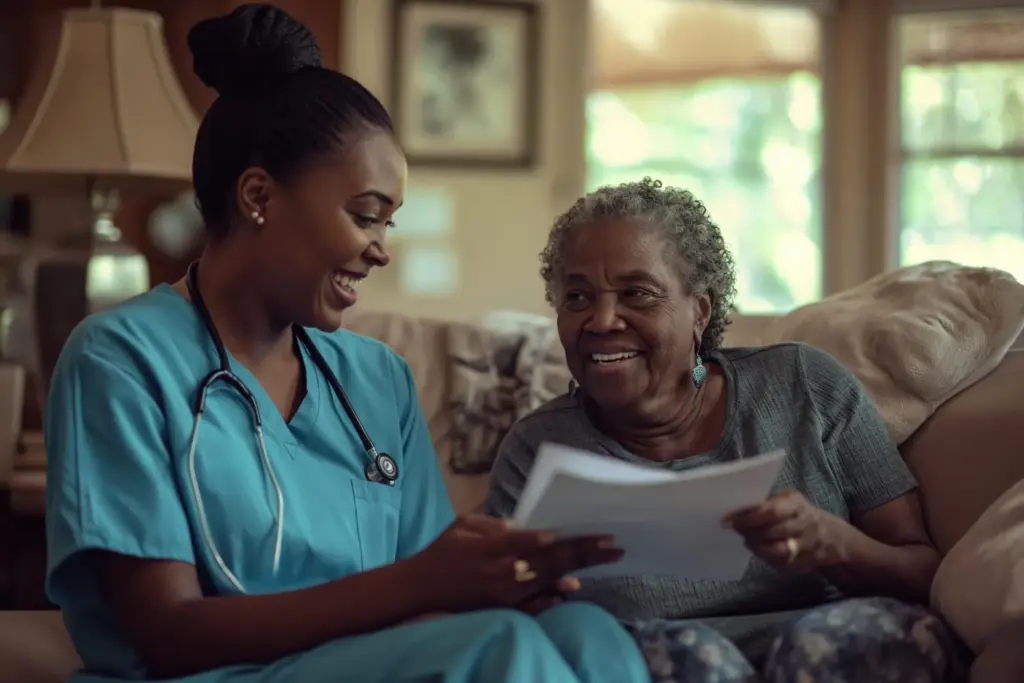
As the world’s population gets older, some health problems become more common. These issues can really affect how well and long people live in their older years. It’s important to know about these conditions to give the best care possible.
Three big health issues for the elderly are Alzheimer’s disease, heart diseases, and arthritis. For example, Alzheimer’s is expected to hit about 7.2 million Americans over 65 by 2025. Heart diseases and arthritis also bring big health challenges, needing detailed care and support.
Key Takeaways
- Alzheimer’s disease is a leading health concern among the elderly, with a projected 7.2 million Americans affected by 2025.
- Cardiovascular diseases are a major cause of morbidity and mortality in the geriatric population.
- Arthritis significantly impacts the quality of life for older adults, necessitating effective management strategies.
- Understanding these conditions is essential for providing high-quality, patient-centered care.
- The global population’s aging demographic showcases the need for thorough healthcare solutions.
Understanding the Aging Process
Aging is a natural part of life, bringing many biological changes that affect health. As we age, our bodies change a lot, impacting our well-being. These changes can affect our physical strength, mental health, and ability to fight off diseases.
Biological Changes in Aging
The aging process causes a decline in the body’s functions. This decline affects many systems, like the heart, muscles, and immune system. For example, aging can cause less muscle, weaker bones, and a weaker immune system. These changes make older adults more likely to get sick and less able to handle stress.
Studies show that being active and organized can help people live longer (Source: Journal of Psychosomatic Research). This means lifestyle and personality traits are key to aging well.
Common Health Challenges for Seniors
Seniors often face health issues like diabetes, high blood pressure, and mental decline. The risk of these problems varies, depending on lifestyle, genetics, and healthcare access. In the US, chronic diseases in older adults are a big worry for healthcare and geriatric care.
It’s important to understand these health challenges to help seniors age well. By tackling the biological changes and common health issues, we can improve older adults’ quality of life.
Overview of Age-Related Medical Conditions

As the world’s population ages, age-related medical conditions are becoming more common. The number of people over 65 is growing fast. This change highlights the need to tackle health issues faced by older adults.
Prevalence of Chronic Diseases in Older Adults
Chronic diseases are a big worry for older adults. Cardiovascular diseases are a top cause of death, with a 22% rise in death rates among those 65 and older from 2010 to 2024. This shows how critical it is to understand chronic diseases in this age group.
The says older adults face more chronic conditions. This is due to aging and lifestyle factors.
|
Condition |
Prevalence in Adults 65+ |
Impact |
|---|---|---|
|
Cardiovascular Disease |
32% increase in prevalence |
Leading cause of mortality |
|
Diabetes |
25% prevalence |
Increases risk of heart disease and stroke |
|
Arthritis |
50% prevalence |
Affects mobility and quality of life |
Impact on Quality of Life
Chronic diseases have a big impact on older adults’ quality of life. They can lead to less physical ability, needing more help, and a higher chance of mental health problems like depression.
We need to look at how chronic diseases affect older adults in many ways. This includes their physical, emotional, and social health. By understanding these effects, we can improve healthcare for this growing group.
Alzheimer’s Disease: A Leading Concern for Seniors
Alzheimer’s disease is a big worry for older people all over the world. As we get older, the chance of getting this disease grows. It affects our memory, thinking, and how we act.
Understanding Alzheimer’s Disease
Alzheimer’s is a kind of dementia that gets worse over time. It makes everyday life harder and takes away our independence. It happens because of amyloid beta plaques and tau tangles in the brain, causing damage and making us forget things.
It’s key to know about Alzheimer’s to help those affected. It’s not just a part of getting older, though age is the biggest risk. Genetics, lifestyle, and our environment also matter.
Prevalence of Alzheimer’s Among the Elderly
The numbers for Alzheimer’s are scary. About 7.2 million Americans over 65 will have Alzheimer’s by 2025. For the latest stats, check out the.
|
Year |
Estimated Number of Americans with Alzheimer’s |
|---|---|
|
2020 |
6.2 million |
|
2025 |
7.2 million |
|
2030 |
8.4 million |
Risk Factors for Developing Alzheimer’s
There are several things that can make you more likely to get Alzheimer’s. These include:
- Age: The risk goes up a lot after 65.
- Family History: If a parent or sibling has Alzheimer’s, you’re at higher risk.
- Genetics: Some genes can make you more likely to get Alzheimer’s.
- Lifestyle Factors: Not being active, smoking, and eating poorly can also increase your risk.
Knowing these risk factors helps us find ways to prevent it and treat it early.
Symptoms and Progression of Alzheimer’s Disease

It’s important to know the symptoms and how Alzheimer’s disease progresses. This knowledge helps in early diagnosis and managing the disease. Alzheimer’s affects not just the person diagnosed but also their family and caregivers.
Early Warning Signs
Spotting the early signs of Alzheimer’s can make a big difference. Some common early symptoms include:
- Memory loss that disrupts daily life
- Confusion with time or place
- Difficulty with communication and language
- Misplacing items and losing the ability to retrace steps
- Changes in mood and personality
Stages of Cognitive Decline
Alzheimer’s disease goes through several stages. Each stage shows a decline in cognitive function. The stages are:
- Early-stage: People may function on their own but have memory lapses.
- Moderate-stage: This is the longest stage and can last for many years. People may need help with daily activities.
- Late-stage: People lose the ability to respond to their environment, carry on a conversation, and control movement.
Impact on Daily Functioning
As Alzheimer’s progresses, it greatly affects daily life. People may need more care and support as the disease gets worse. Simple tasks become hard, and eventually, they may need full-time help.
Understanding Alzheimer’s symptoms and progression helps us support those affected. It also helps improve their quality of life.
Diagnosis and Treatment Options for Alzheimer’s
Diagnosing Alzheimer’s disease is complex. It involves several steps to ensure accuracy. Doctors check for other causes of memory loss and look at the patient’s overall health.
Diagnostic Procedures
Doctors use a few key steps to diagnose Alzheimer’s. They start with a detailed medical history and physical exam. Then, they do cognitive tests to see how the brain is working.
- Medical History: Looking at the patient’s past health helps find risk factors and track symptoms.
- Physical Examination: This step helps rule out other reasons for memory loss, like vitamin deficiencies.
- Cognitive Tests: Tests like the Mini-Mental State Examination check memory, language, and problem-solving skills.
|
Diagnostic Test |
Purpose |
Key Assessment Areas |
|---|---|---|
|
Medical History |
Identify risk factors and symptom progression |
Patient’s medical background, family history |
|
Physical Examination |
Rule out other causes of cognitive decline |
Neurological function, overall health |
|
Cognitive Tests (e.g., MMSE) |
Assess cognitive function |
Memory, language, problem-solving abilities |
Current Treatment Approaches
There’s no cure for Alzheimer’s yet. But, treatments can help manage symptoms and slow the disease. These include medicines and lifestyle changes.
Pharmacological Interventions: Drugs like cholinesterase inhibitors and memantine help with memory and thinking.
Non-Pharmacological Strategies: Regular exercise, staying social, and keeping the mind active can improve life for those with Alzheimer’s.
Emerging Therapies and Research
New treatments and research are underway. They aim to tackle Alzheimer’s in new ways, like targeting brain plaques and tangles.
Research is showing promise. New therapies might lead to better treatments and even prevention of Alzheimer’s in the future.
Cardiovascular Diseases in the Elderly Population

The elderly face a higher risk of cardiovascular diseases. These diseases are a major cause of illness and death in older adults. As we get older, our heart and blood vessels change, making us more likely to get these conditions.
Types of Cardiovascular Conditions Common in Seniors
Older people are more likely to get heart problems like coronary artery disease, heart failure, and stroke. Coronary artery disease happens when arteries narrow or block, causing heart attacks. Heart failure means the heart can’t pump enough blood. Strokes happen when blood flow to the brain stops, either by blockage or vessel rupture.
Mortality Rates and Statistics
Cardiovascular diseases are a big killer among the elderly. Recent data shows a rise in death rates from 2010 to 2024.
“Cardiovascular disease is the leading cause of death globally, with older adults being disproportionately affected,”
This shows we need to focus on helping older people more.
Age-Related Changes in the Cardiovascular System
Our heart and blood vessels change as we age, raising the risk of heart disease. These changes include stiffer arteries, less blood pumping, and heart structure changes. Knowing about these changes helps us prevent and manage heart disease in the elderly.
Hypertension: The Silent Threat
High blood pressure, or hypertension, is common among older adults. It often goes unnoticed until serious problems show up. We’ll look at how hypertension affects the elderly, its prevalence, and the dangers of not treating it.
Understanding High Blood Pressure in Older Adults
Hypertension is a big health risk for older people. It means blood pressure is too high and can cause heart diseases. The condition is often without symptoms, so regular checks are key to catching it early.
As we get older, the chance of getting high blood pressure goes up. This is because of stiffer blood vessels and changes in blood vessel structure. Knowing about these changes helps in managing and preventing problems.
Prevalence and Impact
High blood pressure is found in 61.4% of older adults, showing it’s a big health issue. It affects more than just the heart, impacting quality of life and putting a strain on healthcare.
- Hypertension is a top risk factor for heart disease, stroke, and kidney disease.
- It’s more common in older adults because of changes in the heart and blood vessels with age.
- Managing high blood pressure well can lower the risk of serious problems and improve life quality.
Complications of Untreated Hypertension
If high blood pressure isn’t treated, it can cause serious and dangerous problems. These include:
- Cardiovascular Disease: Higher risk of heart attack, heart failure, and irregular heartbeats.
- Kidney Disease: High blood pressure can harm the kidneys, leading to chronic kidney disease.
- Cognitive Decline: There’s evidence that high blood pressure is linked to cognitive decline in older adults.
We stress the need for regular blood pressure checks and management to avoid these issues. By understanding the risks and acting early, older adults can greatly improve their health.
Heart Disease Management in Seniors

Managing heart disease in seniors is a big job. It involves keeping the heart healthy and improving life quality. As we get older, our hearts change, making heart disease more likely. So, we need a detailed plan to fight these changes.
Preventive Strategies
Preventive steps are key in managing heart disease. Eating a healthy diet full of fruits, veggies, and whole grains helps. It can lower cholesterol and blood pressure. Also, physical activity is important, as it makes the heart stronger and improves blood flow.
Stress management is also important. Techniques like meditation and deep breathing can ease heart stress. Seniors should make a prevention plan with their doctors.
Treatment Options
Seniors with heart disease have many treatment choices. They might take medications like beta-blockers, ACE inhibitors, or statins. These help manage symptoms and slow the disease.
In some cases, surgical interventions like angioplasty or CABG are needed. The right treatment depends on the person’s health, how severe their disease is, and other factors.
Lifestyle Modifications for Heart Health
Changing lifestyle is a big part of managing heart disease in seniors. Quitting smoking is very important, as smoking greatly increases heart disease risk. Drinking too much alcohol can also harm the heart.
Keeping a healthy weight through diet and exercise helps the heart. Seniors should also watch their blood pressure and cholesterol levels. Keeping these in check can be done through lifestyle changes and, if needed, medication.
By following these steps, seniors can greatly improve their heart health and overall well-being. It’s vital to work with doctors to create a management plan that fits each person’s needs.
Arthritis: The Leading Cause of Disability in Older Adults

Arthritis is a big worry for seniors because it affects their independence and happiness. As we get older, the chance of getting arthritis goes up. This makes it a big health problem for older people.
Types of Arthritis in Seniors
Arthritis includes over 100 different conditions that affect the joints and the tissues around them. The most common types in seniors are:
- Osteoarthritis: The most common form, where cartilage in joints breaks down.
- Rheumatoid Arthritis: An autoimmune disorder that causes inflammation and pain in the joints.
- Gout: A condition caused by the buildup of uric acid crystals in the joints, leading to severe pain and inflammation.
Prevalence and Statistics
Arthritis affects a lot of older adults. Over half (51.3%) of older adults have arthritis, which really affects their mobility and quality of life. As the world’s population gets older, we’re seeing more cases of arthritis.
Risk Factors for Developing Arthritis
There are several things that make older people more likely to get arthritis. These include:
- Age: The risk of arthritis goes up as you get older.
- Genetics: If your family has a history of arthritis, you might be at higher risk.
- Obesity: Being overweight can put extra strain on joints, like in the hips, knees, and spine.
- Previous Joint Injuries: Getting hurt in a joint can make you more likely to get osteoarthritis.
Knowing these risk factors is key for preventing and managing arthritis in older adults. We need to think about these when we plan early treatment and care.
Living with Arthritis: Symptoms and Challenges
Living with arthritis is tough. It affects your body and mind. People with arthritis face many challenges every day. We will look at common symptoms, how it affects your movement and independence, and the mental impact of chronic pain.
Common Symptoms and Pain Patterns
Arthritis symptoms vary from person to person. Common issues include pain, stiffness, and less mobility. The pain can be constant and very hard to deal with, affecting joints and tissues around them.
“The pain of arthritis is not just a physical sensation; it’s also an emotional experience that can affect every aspect of a person’s life,” says a leading rheumatologist. This quote shows how complex arthritis pain is and why we need a full care plan.
Impact on Mobility and Independence
Arthritis can make it hard to move around and do things on your own. As it gets worse, it can be tough to do simple things like get dressed or cook. It’s important to keep moving with the right exercises and tools.
- Reduced mobility due to pain and stiffness
- Difficulty performing daily activities
- Increased reliance on assistive devices
Psychological Effects of Chronic Pain
Chronic pain from arthritis can really affect your mind, leading to depression, anxiety, and a lower quality of life. We know the emotional side of arthritis is just as important as the physical. Research shows people with arthritis are more likely to have mental health problems, which is why we need to treat the whole person.
Managing arthritis well means treating it in many ways, including medicine, lifestyle changes, and mental support. By tackling both the physical and emotional sides, people can handle arthritis better and stay independent.
“The psychological impact of chronic pain cannot be overstated; it’s a critical component of the overall experience of living with arthritis.”
Living with arthritis is full of challenges, from dealing with symptoms to keeping your independence and handling the mental side of chronic pain. By understanding these challenges and using a complete care plan, people with arthritis can live better lives.
Managing Arthritis in Older Age
Managing arthritis in older age requires both medical treatments and lifestyle changes. As people get older, arthritis symptoms can worsen. This affects not just the joints but also their overall quality of life. We will look at different ways to manage arthritis, including medical treatments, physical therapy, and assistive devices.
Medical Treatments and Interventions
Older adults with arthritis often use a variety of medical treatments. These aim to reduce pain, improve joint function, and slow disease progression. Medications are key, with common ones being NSAIDs, corticosteroids, and DMARDs.
- NSAIDs: Good for reducing pain and inflammation.
- Corticosteroids: Have strong anti-inflammatory effects, often given as injections.
- DMARDs: Help slow the progression of certain arthritis types, like rheumatoid arthritis.
Physical Therapy and Exercise
Physical therapy is vital for managing arthritis. It helps keep joints mobile, strengthens muscles, and improves function. Tailored exercise programs are very helpful. They let older adults manage symptoms and stay independent.
|
Type of Exercise |
Benefits |
Examples |
|---|---|---|
|
Range of Motion Exercises |
Improves flexibility and reduces stiffness |
Gentle stretching, yoga |
|
Strengthening Exercises |
Enhances muscle strength around the joints |
Resistance band exercises, light weightlifting |
|
Aerobic Exercises |
Improves cardiovascular health and overall endurance |
Brisk walking, swimming, cycling |
Assistive Devices and Home Modifications
Using assistive devices and home modifications can also help. These include canes, walkers, and ergonomic tools. They reduce strain on joints.
- Canes and Walkers: Provide stability and support, reducing fall risk.
- Ergonomic Tools: Designed to minimize joint strain during daily tasks.
- Home Modifications: Changes like grab bars, non-slip mats, and raised toilet seats improve safety and accessibility.
By using these strategies, older adults with arthritis can manage their condition better. They can maintain their independence and improve their quality of life.
World Population Aging Trends and Healthcare Implications
The world’s population is aging at a fast pace. This puts a lot of pressure on healthcare systems. The number of older adults is growing, changing the way societies look.
Global Demographics of Aging
The world is changing, with more people over 60 expected in the future. Studies show this change will affect societies and economies. For more details, check out.
This aging trend is happening everywhere, not just in rich countries. It’s caused by fewer babies and people living longer. So, more people are getting older, changing the age mix in many places.
Healthcare Systems and Aging Populations
Healthcare faces big challenges with an aging population. Older adults have more health issues, like heart disease and dementia. This means healthcare providers have to work harder.
To meet these needs, healthcare needs to change. It should focus on preventing problems and helping older adults stay healthy. It’s also important to make sure healthcare is easy to get and meets their needs.
Economic Impact of Age-Related Conditions
Age-related conditions cost a lot, affecting healthcare, social care, and work. As more people age, these costs will grow. This is a big problem for economies and healthcare.
To lessen these costs, we need to invest in early care and healthy aging. We also need good ways to manage age-related issues. This way, we can make healthcare more affordable and effective for older adults.
Preventive Healthcare for Seniors

Preventive healthcare is key for seniors to stay healthy and independent. As we get older, we face higher risks of diseases like heart disease and cancer. Regular health checks can spot these issues early, making them easier to handle.
Screening Recommendations
Screening tests for seniors aim to catch age-related diseases early. These include:
- Annual Flu Vaccination: Keeps seniors safe from flu, a big risk for older adults.
- Colorectal Cancer Screening: For those 50-75 years old.
- Blood Pressure Checks: To catch high blood pressure early.
- Cholesterol Checks: To check heart health risk.
- Diabetes Screening: For those at risk due to obesity or family history.
Lifestyle Factors for Healthy Aging
Healthy aging depends a lot on lifestyle choices. We suggest:
- A Balanced Diet: Eat lots of fruits, veggies, whole grains, and lean meats.
- Regular Physical Activity: Do at least 150 minutes of moderate exercise weekly.
- Not Smoking: There are programs to help quit smoking.
- Mental Health Support: Stay connected and seek help when needed.
Importance of Regular Medical Check-ups
Regular doctor visits are essential for staying healthy. They help healthcare providers:
- Keep an eye on your health and catch problems early.
- Make sure you’re up to date on vaccines and screenings.
- Offer advice on living a healthy lifestyle.
- Help manage ongoing health conditions.
By focusing on preventive care, we can greatly enhance seniors’ quality of life. This allows them to live longer and healthier.
Innovative Approaches in Geriatric Care
Geriatric care is changing fast, thanks to new tech and a better understanding of older adults’ needs. As more people live longer, healthcare must adapt to meet their needs. This ensures they get the best care possible.
At Liv Hospital, we focus on top-notch geriatric care. We use the latest tech and follow the best practices. Our goal is to help seniors live well and stay independent.
Technological Advancements in Senior Healthcare
New tech is key in improving care for seniors. Some important innovations include:
- Telemedicine and remote monitoring, making it easier to get help without going to the hospital.
- AI and ML help predict outcomes and tailor care plans for each patient.
- Wearable devices and apps let seniors take charge of their health.
These technologies make care better and more personal. They help us provide efficient, effective, and tailored care to our patients.
Liv Hospital’s Approach to Geriatric Medicine
Our geriatric medicine program at Liv Hospital tackles the complex needs of older adults. A team of experts works with patients and families to create detailed care plans. These plans cover medical, social, and emotional needs.
Our approach includes:
- Comprehensive geriatric assessments to spot health risks and plan interventions.
- Personalized treatment plans that consider each patient’s unique needs and preferences.
- Working with other healthcare teams for smooth care coordination.
We combine new tech with a focus on the patient to offer top geriatric care. This approach boosts patient outcomes and improves seniors’ quality of life.
Conclusion: Addressing the Challenges of Age-Related Medical Conditions
The world’s population is aging fast, expected to hit 9.7 billion by 2024. This growth brings big challenges with age-related medical conditions. We’ve looked at Alzheimer’s, heart diseases, and arthritis, showing how they affect seniors’ lives.
To tackle these issues, we need a wide range of solutions. This includes better preventive care, new treatments, and top-notch care for seniors. Knowing how aging affects health helps us manage these conditions better.
Liv Hospital is a great example of this commitment. They offer advanced treatments and support for international patients. It’s key to focus on these medical issues and make our world better for older adults.
FAQ
What are the most common age-related medical conditions?
The top age-related medical conditions are Alzheimer’s disease, heart diseases, and arthritis. These conditions greatly affect older adults’ quality of life. They need thorough care.
How does the global population aging trend affect healthcare systems?
The aging trend worldwide is a big challenge for healthcare. More age-related conditions mean healthcare systems must adapt. They need to offer top-notch care for seniors.
What is Alzheimer’s disease, and how prevalent is it among the elderly?
Alzheimer’s disease is a brain disorder that affects memory and behavior. It’s a big worry for seniors. It’s very common among the elderly.
What are the risk factors for developing Alzheimer’s disease?
Risk factors for Alzheimer’s include age, family history, genetics, and lifestyle. Knowing these helps in early diagnosis and treatment.
How can heart disease be managed in seniors?
Managing heart disease in seniors involves prevention, treatment, and lifestyle changes. A detailed care plan is key to keeping the heart healthy.
What is the impact of arthritis on older adults?
Arthritis is a major cause of disability in seniors. It affects joints and mobility. It also causes chronic pain, affecting mental health.
How can arthritis be managed in older age?
Managing arthritis needs a full approach. This includes medicine, physical therapy, and devices. These help improve life quality for those with arthritis.
What is the importance of preventive healthcare for seniors?
Preventive healthcare is essential for seniors. It helps catch and manage age-related conditions early. Regular check-ups and a healthy lifestyle promote aging well.
What are the demographics of aging globally?
The world’s population is aging fast, with more older adults. Knowing this is key to tackling healthcare challenges.
How many people are in the world, and what is the proportion of older adults?
The world has about 8 billion people, with more older adults. The aging population is growing fast, posing big challenges.
What is the most populated country in the world?
The most populated country changes often. But countries like China and India are among the top. Understanding population is vital for healthcare planning.
How does Liv Hospital approach geriatric medicine?
Liv Hospital focuses on top care for older adults. We use new treatments and technology. Our care is centered on the patient.
References
Alzheimer’s Association: https://www.alz.org/alzheimers-dementia/facts-figure