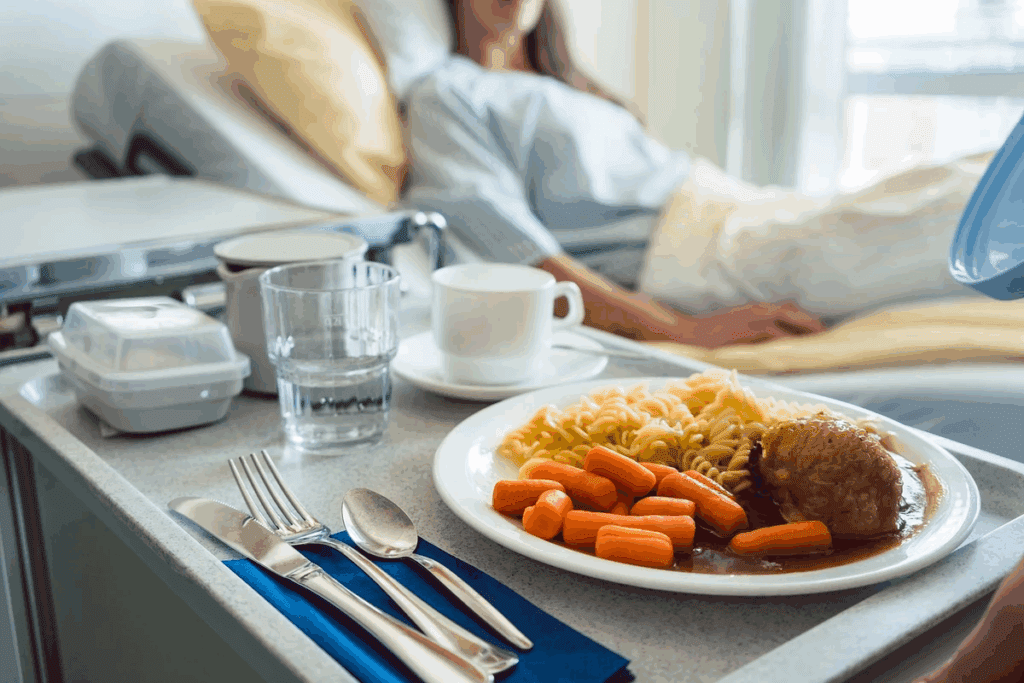
Colorectal cancer is a common disease in both men and women. Studies show that what we eat can help prevent it. Knowing the worst foods for colon health is key to avoiding colorectal cancer.
A colorectal cancer prevention diet means staying away from certain foods. These include red and processed meats, sugary drinks, fried foods, and foods high in saturated fats. By choosing the right foods, we can lower our risk of colon cancer. Liv Hospital helps guide us in making these healthy choices.
Key Takeaways
- Avoid red and processed meats to reduce colon cancer risk.
- Limit sugary beverages and snacks.
- Reduce consumption of fried foods and saturated fats.
- Make informed dietary choices for colorectal cancer prevention.
- Liv Hospital provides reliable guidance on healthy eating.
Understanding Colon Health and Colorectal Cancer Risk
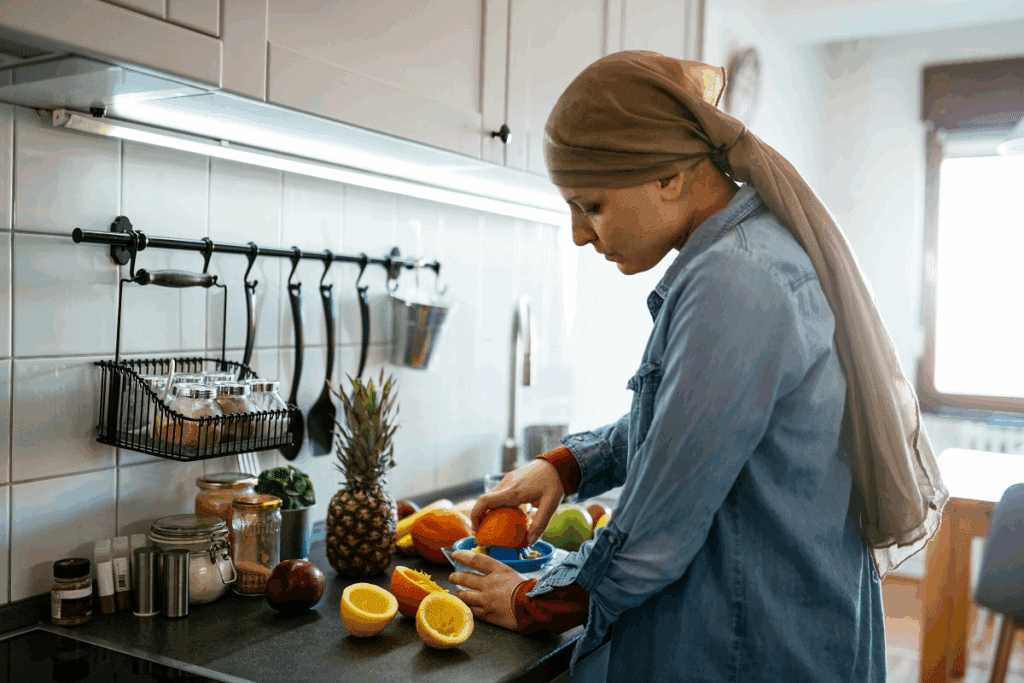
Preventing colorectal cancer starts with knowing about colon health and its risks. Keeping your colon healthy is key to your overall health. What you eat plays a big role in this.
The Importance of Colon Health
A healthy colon is essential for a good digestive system. It helps absorb nutrients and get rid of waste. Poor colon health can cause problems, including colorectal cancer.
Experts say eating whole grains, fruits, and veggies can lower colorectal cancer risk. A colorectal cancer prevention diet rich in these foods helps keep your colon healthy.
Colorectal Cancer: Statistics and Risk Factors
Colorectal cancer is a common cancer worldwide, with high death rates if caught late. Knowing the risk factors is key to preventing them. These include genetics, lifestyle, and diet.
“Most studies agree that calcium-rich dairy products can make you less likely to have colon growths and colorectal cancer.”
This shows how diet affects colon health and colorectal cancer risk.
How Diet Influences Colon Health
Diet is very important for colon health and preventing colorectal cancer. Eating foods high in fiber, like whole grains, fruits, and veggies, can help. But some foods can increase risk, so it’s important to know which ones to avoid.
- Including a variety of colorful fruits and vegetables in your diet
- Choosing whole grains over refined grains
- Limiting the intake of processed and red meats
Making smart food choices can greatly lower your risk of colorectal cancer.
The Link Between Diet and Colorectal Cancer
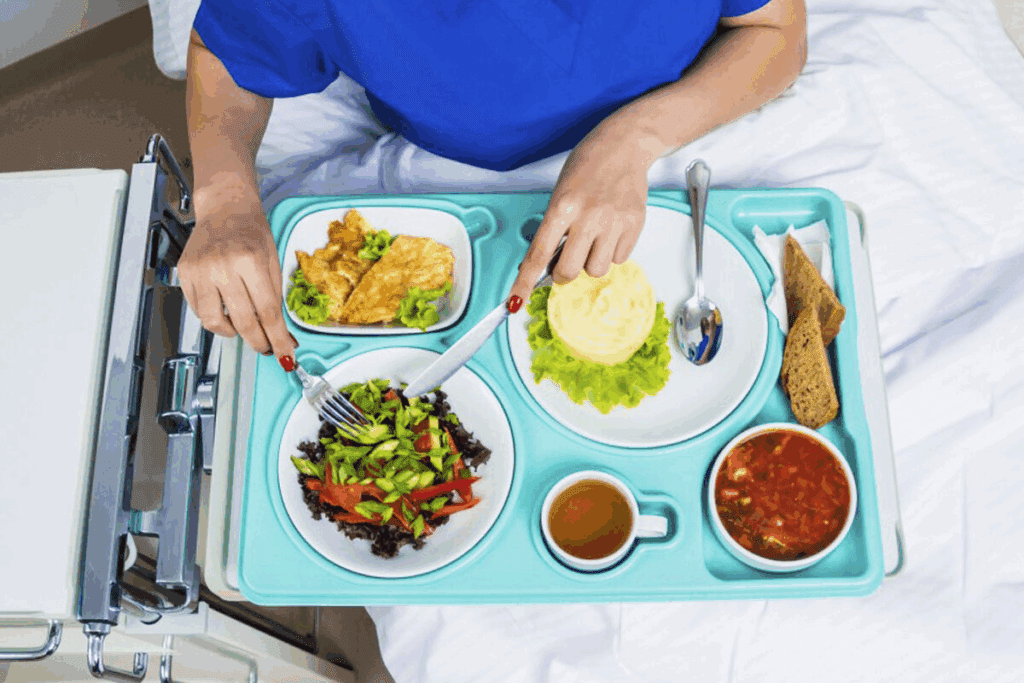
Research shows that diet plays a big role in preventing colorectal cancer. Scientists are studying how our diet affects this cancer. They want to know the exact ways it impacts us.
Scientific Evidence on Dietary Influences
Many studies have looked into diet and colorectal cancer. Epidemiological research found that eating a lot of red and processed meats raises cancer risk. On the other hand, eating more fruits, veggies, and whole grains lowers it.
Mechanistic studies have found out how diet affects cancer. For example, some foods can cause inflammation and damage to colon cells. This increases the chance of getting cancer.
Inflammation and Colon Cancer Development
Chronic inflammation in the gut is a risk factor for colorectal cancer. Eating a lot of processed foods and not enough fiber can cause more inflammation. Processed meats have compounds that can lead to cancer.
The Gut Microbiome Connection
The gut microbiome is key to keeping the colon healthy. What we eat changes the types of bacteria in our gut. Eating more fiber helps good bacteria grow, while processed foods can harm the balance, raising cancer risk.
| Dietary Component | Effect on Colon Health | Impact on Colorectal Cancer Risk |
| High Fiber Intake | Promotes beneficial gut bacteria | Reduces risk |
| Processed Meats | Increases inflammation | Increases risk |
| Fruits and Vegetables | Antioxidant and anti-inflammatory effects | Reduces risk |
It’s important to understand how diet affects colorectal cancer. By choosing the right foods, we can lower our risk of getting this disease.
Processed Meats: The Number One Enemy of Colon Health
Processed meats like bacon and sausages are bad for your colon. They have been linked to colorectal cancer. Knowing this can help you make better food choices to lower your cancer risk.
Why Processed Meats Are Classified as Carcinogens
The International Agency for Research on Cancer (IARC) says processed meats are carcinogenic. This is like tobacco and asbestos. They found that eating these meats raises your risk of colorectal cancer. They are bad because of their salt, nitrates, and nitrites, and how they are processed.
Common Processed Meat Products to Avoid
Stay away from these bad meats:
- Bacon
- Hot dogs
- Sausages
- Canned meats
- Processed deli meats
These meats have nitrates and nitrites. Not eating them can lower your cancer risk.
The Nitrate and Nitrite Problem
Nitrates and nitrites are in these meats to keep them fresh and tasty. But they convert into harmful compounds in your body. Studies show that eating a lot of these foods can increase your risk of colorectal cancer.
| Processed Meat | Nitrate/Nitrite Content | Colorectal Cancer Risk |
| Bacon | High | Increased |
| Hot Dogs | High | Increased |
| Sausages | Moderate to High | Increased |
| Canned Meats | Variable | Potential Increase |
Knowing the dangers of processed meats can help you eat better. Cutting down or avoiding them is key to a healthy colon.
Red Meat Consumption and Colorectal Cancer Risk
Red meat is a common part of many diets but raises concerns about colorectal cancer. The link between red meat and colorectal cancer is complex. It involves several factors that affect the risk.
How Red Meat Damages Colon Cells
Studies show that red meat can harm colon cells in several ways. One major factor is heme iron in red meat. It can create N-nitroso compounds in the colon. These compounds are harmful and can damage DNA in colon cells, leading to cancer.
Cooking red meat at high temperatures also creates heterocyclic amines (HCAs) and polycyclic aromatic hydrocarbons (PAHs). These substances can cause genetic mutations in colon cells. This increases the risk of colorectal cancer.
“The International Agency for Research on Cancer (IARC) has classified processed meat as carcinogenic to humans, and red meat as probably carcinogenic to humans, based on evidence linking consumption to colorectal cancer.”
Recommended Limits for Red Meat Intake
To lower the risk of red meat, experts suggest limiting it. The American Cancer Society advises eating no more than 18 ounces (510 grams) per week of red meat. They recommend choosing lean cuts when red meat is eaten.
- Choose lean cuts of red meat to reduce fat intake.
- Opt for cooking methods that don’t involve high temperatures, such as stewing or steaming.
- Consider alternatives to red meat for primary protein sources.
Healthier Protein Alternatives
Switching to different protein sources can help reduce red meat risks. Plant-based proteins like beans, lentils, and tofu are great options. Poultry and fish are also better choices than red meat. Fattfish: the therapeutic benefit of omega-3 fatty acids.
| Protein Source | Health Benefits |
| Beans and Lentils | High in fiber, low in fat, rich in antioxidants |
| Tofu | Rich in omega-3 fatty acids, with anti-inflammatory properties |
| Fatty Fish | Rich in omega-3 fatty acids, anti-inflammatory properties |
By knowing the risks of red meat and choosing healthier options, people can lower their risk of colorectal cancer.
Sugar-Loaded Foods and Beverages
Drinking sugary drinks and eating sugary snacks can raise your risk of colon cancer. This is a big concern. These foods and drinks can also lead to obesity, which is another risk factor for colon cancer.
The Connection Between Sugar, Obesity, and Colon Cancer
Sugar intake is linked to obesity and colon cancer. Eating too much sugar can make you gain weight. This weight gain can lead to chronic inflammation and insulin resistance, both of which can cause cancer.
Also, sugary foods and drinks can make you eat more calories. This can cause weight gain and obesity. Studies show that people with obesity are more likely to get colon cancer. So, it’s key to eat well and stay active to avoid this.
Hidden Sources of Added Sugars
Finding hidden sugars in your diet is important. Many processed foods have added sugars, even if they don’t taste sweet. Examples include sauces, condiments, and some savory snacks.
- Sauces and condiments: Many sauces and condiments, such as barbecue sauce and ketchup, contain significant amounts of added sugars.
- Savory snacks: Some savory snacks, like flavored chips and crackers, may contain added sugars to enhance flavor.
- Baked goods and desserts: Cakes, cookies, and pastries are obvious sources of sugar, but even seemingly healthier options like granola or energy bars can be high in added sugars.
Impact on Insulin Resistance and Inflammation
Eating too much sugar can cause insulin resistance. This is when your body’s cells don’t respond well to insulin, leading to high blood sugar. Insulin resistance is linked to chronic inflammation, which can harm cells and lead to cancer, including colon cancer.
To lower your risk of insulin resistance and inflammation, cut down on sugar. Choose whole, unprocessed foods and watch out for added sugars. This can help prevent colon cancer and other health problems linked to sugar.
Fried and Heavily Processed Foods
Eating a lot of fried foods can harm your colon health. It might even lead to colorectal cancer. The danger comes from harmful compounds made when foods are fried.
Acrylamide and Other Harmful Compounds
Frying foods at high temperatures creates acrylamide, a known carcinogen. Acrylamide can damage DNA and cause tumors. Avoiding foods cooked at extremely high temperatures can help reduce exposure to this harmful compound. Fried foods also have other harmful substances that can cause inflammation and oxidative stress. This increases the risk of colorectal cancer.
“The International Agency for Research on Cancer has classified acrylamide as a ‘probable human carcinogen,’ highlighting the need for caution when consuming fried foods,” according to cancer research experts.
Common Fried Foods to Limit or Avoid
Some fried foods to limit or avoid include:
- Fried chicken
- French fries
- Doughnuts
- Fried dough
These foods are high in acrylamide, calories, sugar, and unhealthy fats. They can lead to obesity and increase the risk of colon cancer.
Healthier Cooking Methods
Using healthier cooking methods can reduce the risks of fried foods. Some alternatives are:
- Baking
- Grilling
- Steaming
- Stir-frying with minimal oil
Choosing these methods lets you enjoy your favorite foods while avoiding harmful compounds like acrylamide. It’s about making informed choices to protect your colon health.
Worst Foods for Colon Health: Alcohol and Its Effects
Drinking too much alcohol can harm your colon health. It might even lead to colorectal cancer. Alcohol damages the digestive system in many ways. It can hurt the cells in the colon and rectum and also cause nutritional problems and changes in how your body works.
How Alcohol Damages the Digestive Tract
Alcohol can irritate and inflame your digestive tract. This can lead to problems like gastritis. It might also increase the risk of colorectal cancer. The harmful byproduct of alcohol, acetaldehyde, can damage DNA and mess with how cells fix themselves, raising cancer risk even more.
Alcohol as a Colorectal Cancer Risk Multiplier
Many studies show a link between drinking alcohol and colorectal cancer risk. Heavy drinking is linked to a higher risk of this cancer, mainly in men. This risk gets worse if you also smoke or eat a lot of processed meats.
Guidelines for Safer Consumption
If you do drink alcohol, there are ways to do it safely. The American Cancer Society suggests that adults limit their drinking. Women should have no more than one drink a day, and men should have no more than two. Eating a balanced diet full of fruits, veggies, and whole grains can also help protect your colon health.
Foods High in Saturated and Trans Fats
Saturated and trans fats are found in many processed and fried foods. They can harm colon health. These fats cause inflammation in the gut, raising the risk of colon cancer.
Impact on Gut Inflammation
Eating too much of these fats can cause long-term inflammation in the gut. This inflammation damages the colon and rectum. It makes them more likely to develop cancer.
Key factors contributing to gut inflammation include:
- Dietary choices high in saturated and trans fats
- Processed food consumption
- Lack of anti-inflammatory nutrients in the diet
Common Sources to Avoid
To lower colon cancer risk, avoid foods high in these fats. Common culprits include:
- Processed meats (e.g., sausages, bacon)
- Fried foods (e.g., French fries, fried chicken)
- Baked goods and pastries made with partially hydrogenated oils
| Food Category | Examples | Healthier Alternatives |
| Processed Meats | Sausages, Bacon | Grilled chicken, turkey breast |
| Fried Foods | French fries, Fried chicken | Baked sweet potato, grilled chicken |
| Baked Goods | Cakes, Pastries | Homemade baked goods using healthy oils |
Healthier Fat Alternatives
Switching to healthier fats can improve colon health. Try adding:
- Monounsaturated fats found in olive oil, avocados
- Polyunsaturated fats are found in fatty fish, nuts, and seeds
Making smart food choices can lower colon cancer risk. It also boosts overall health.
Special Dietary Considerations for Those with Colorectal Cancer
Diet is key in managing colorectal cancer, affecting symptoms and treatment results. People getting treatment should pay attention to what they eat. This helps support their health and treatment success.
Foods That May Worsen Symptoms
Some foods can make symptoms like diarrhea, constipation, and stomach pain worse. High-fiber foods are usually good but can be tough during treatment. This is true if they’re added too quickly to the diet.
Here are some foods and drinks that might make symptoms worse:
- Spicy foods can upset the stomach.
- Caffeine and alcohol can dry out the body and make diarrhea worse.
- High-fat foods can slow digestion and cause discomfort.
Nutritional Support During Treatment
Good nutrition is vital during colorectal cancer treatment. It helps manage side effects, keeps strength up, and aids in recovery. Nutrition support might mean eating more calories, protein, and other key nutrients.
| Nutritional Element | Importance During Treatment | Food Sources |
| Protein | Helps with healing and keeps muscles strong. | Lean meats, fish, eggs, dairy, legumes. |
| Calories | Gives energy to the body. | Nuts, seeds, avocados, whole grains. |
| Hydration | Crucial for body functions. | Water, clear broths, drinks with electrolytes. |
Working with Healthcare Providers on Dietary Plans
People with colorectal cancer should team up with their healthcare providers to create a diet plan. This plan should consider their nutritional needs, treatment, and any dietary limits or likes.
Healthcare providers can help manage side effects with diet, suggest supplements if needed, and check on nutrition during treatment.
Building a Colorectal Cancer Prevention Diet
What you eat is key to keeping your colon healthy and lowering cancer risk. Eating foods full of nutrients and fiber can stop cancer cells from growing in the colon.
Fiber-Rich Foods for Colon Health
Fiber is important for a healthy colon. It helps you go to the bathroom regularly and avoids constipation. Foods high in fiber include:
- Legumes (beans, lentils, peas)
- Whole grains (brown rice, quinoa, whole wheat bread)
- Fruits (apples, berries, pears)
- Vegetables (broccoli, carrots, leafy greens)
Eating these foods can keep your colon healthy. A study showed that eating a lot of fiber lowers the risk of colon cancer.
Protective Plant Compounds and Antioxidants
Plant-based foods are not just high in fiber. They also have compounds and antioxidants that fight cancer. These include:
- Polyphenols in green tea, turmeric, and berries
- Isothiocyanates in broccoli and cauliflower
- Anthocyanins in berries and red or purple fruits
These compounds help by reducing inflammation, protecting cells, and aiding in detoxification.
Meal Planning for Optimal Colon Health
Planning your meals is important for a healthy colon. Here are some tips:
- Begin with a fiber-rich breakfast, like oatmeal with fruits and nuts.
- Add colorful vegetables to your meals for a variety of nutrients.
- Choose whole grains over refined ones.
- Drink less of processed and red meats.
A well-planned diet not only fights colon cancer but also boosts overall health. Here’s a table with some dietary tips:
| Food Group | Recommended Foods | Foods to Limit |
| Fiber | Plant-based proteins, lean meats, and fish | Refined grains |
| Protein | Plant-based proteins, lean meats, fish | Processed meats, red meat |
| Fats | Healthy fats (avocado, nuts, olive oil) | Saturated and trans fats |
By eating a balanced diet full of fiber, plant compounds, and antioxidants, you can lower your risk of colon cancer a lot.
Conclusion: Taking Control of Your Colon Health Through Diet
Understanding the link between diet and colorectal cancer is key. By making smart food choices, you can lower your risk. Avoid foods like processed meats, red meat, and those high in sugar and unhealthy fats.
It’s important to know which foods to limit. Eating a diet rich in fiber, antioxidants, and plant compounds helps your colon health. This can help prevent colorectal cancer.
By controlling your diet, you can take a big step towards preventing colorectal cancer. Making smart food choices can greatly reduce your risk. It’s a way to take care of your health and well-being.
FAQ
What are the worst foods for colon health?
The worst foods for your colon include processed meats and red meat. Also, foods high in sugar, fried foods, and those with lots of saturated and trans fats are bad.
How does diet influence the risk of colorectal cancer?
Eating lots of whole grains, fruits, and veggies can lower your risk of cancer.
What is the link between processed meats and colorectal cancer?
Processed meats are linked to cancer, including colorectal cancer. Eating them often can increase your risk.
How can I reduce my risk of colorectal cancer through dietary changes?
Avoid bad foods for your colon and eat more fiber, plant compounds, and antioxidants. This can help lower your risk of colorectal cancer.
What are some healthier protein alternatives to red meat?
Better protein choices than red meat are poultry, fish, and plant-based options like beans, lentils, and tofu.
How does sugar consumption impact colon health?
Too much sugar can lead to obesity and increase colon cancer rIt also causes insulin resistance and inflammation.
What are some common sources of added sugars to avoid?
Avoid sugary drinks, baked goods, and processed snacks. Also, watch out for hidden sugars in sauces and condiments.
How can I make healthier choices when it comes to cooking methods?
Choose healthier cooking methods like grilling, roasting, and steaming. These methods can reduce harmful compounds like acrylamide.
What are the guidelines for safer alcohol consumption?
Safe alcohol limits vary, but most say to drink in moderation. Some studies suggest even moderate drinking can raise colorectal cancer risk.
What dietary considerations are important for individuals with colorectal cancer?
People with colorectal cancer need special diets to manage symptoms and support treatment. They should work with their healthcare team to create a personalized diet plan.
How can I incorporate fiber-rich foods into my diet?
Add fiber-rich foods like whole grains, fruits, and veggies to your diet. This supports colon health and lowers colorectal cancer risk.
What are some examples of protective plant compounds and antioxidants?
Protective compounds like polyphenols, flavonoids, and carotenoids are in fruits, veggies, and whole grains. They help keep your colon healthy.
References
- Pietrangelo, A. (2024). Managing weight loss after gallbladder removal. Medical News Today. Retrieved from https://www.medicalnewstoday.com/articles/317659