
Yoga poses for old age are beneficial. The best vital tips for staying limber and happy well into your 70s and 80s.
As we get older, staying independent and avoiding health problems is key. Studies show that simple yoga can cut fall risk by 25 percent. It also boosts strength, flexibility, and mental health for those over 70.
At Liv Hospital, we see how yoga for seniors over 70 helps. It improves balance, eases joint stiffness, and boosts heart health. Yoga is safe and works for all, making it perfect for older adults.
Key Takeaways
- Yoga reduces fall frequency by approximately 25% in seniors.
- Improved balance and core strength are key benefits.
- Yoga enhances flexibility and mental well-being.
- Safe and effective for all mobility levels.
- Tailored practices available for seniors over 70.
The Science-Backed Benefits of Yoga for Seniors
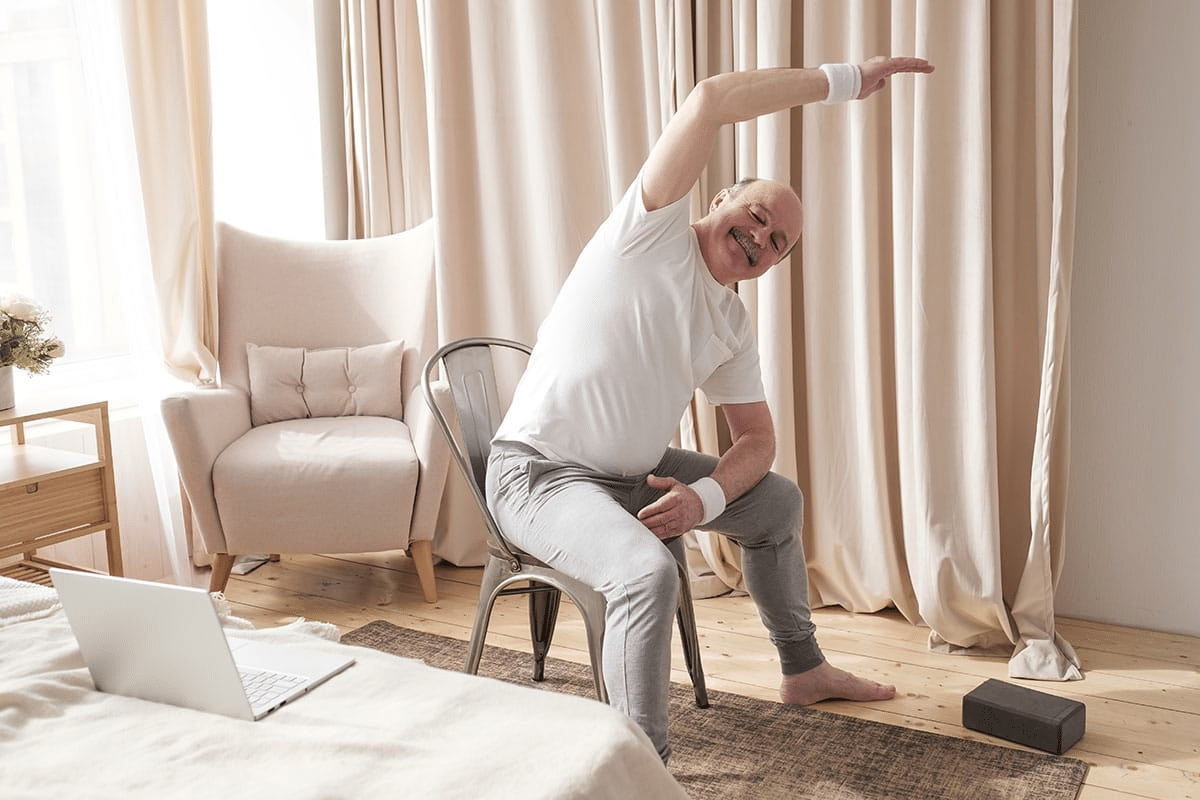
Research shows that elder yoga greatly improves seniors’ quality of life. It tackles many health issues that come with age. Yoga’s holistic approach helps seniors stay independent and healthy.
Fall Prevention and Balance Improvement
Yoga helps seniors stay balanced and lowers fall risks. Studies have shown that yoga boosts balance and flexibility. This makes seniors less likely to fall.
A study in the Journal of Gerontology found that yoga improves balance. It also reduces fall risks in older adults.
- Improved neuromuscular control
- Enhanced flexibility
- Strengthening of core and leg muscles
Blood Pressure and Stress Reduction
Yoga also benefits seniors by lowering blood pressure and stress. Research in Evidence-Based Complementary and Alternative Medicine shows yoga’s effects. It reduces blood pressure and nervous system activity.
This leads to less stress and anxiety. It’s good for seniors’ heart health.
“Yoga is a powerful tool for reducing stress and promoting relaxation, which is beneficial for seniors with chronic health conditions.”
Enhanced Flexibility and Mobility
Yoga for older people also boosts flexibility and mobility. It keeps or improves range of motion. This makes daily tasks easier and less tiring.
Seniors can stay flexible and avoid stiffness by practicing yoga. It gently stretches and moves through poses.
- Gentle stretching to improve range of motion
- Enhanced mobility through regular practice
- Reduced stiffness and improved joint health
Safety Considerations Before Starting Yoga in Your 70s
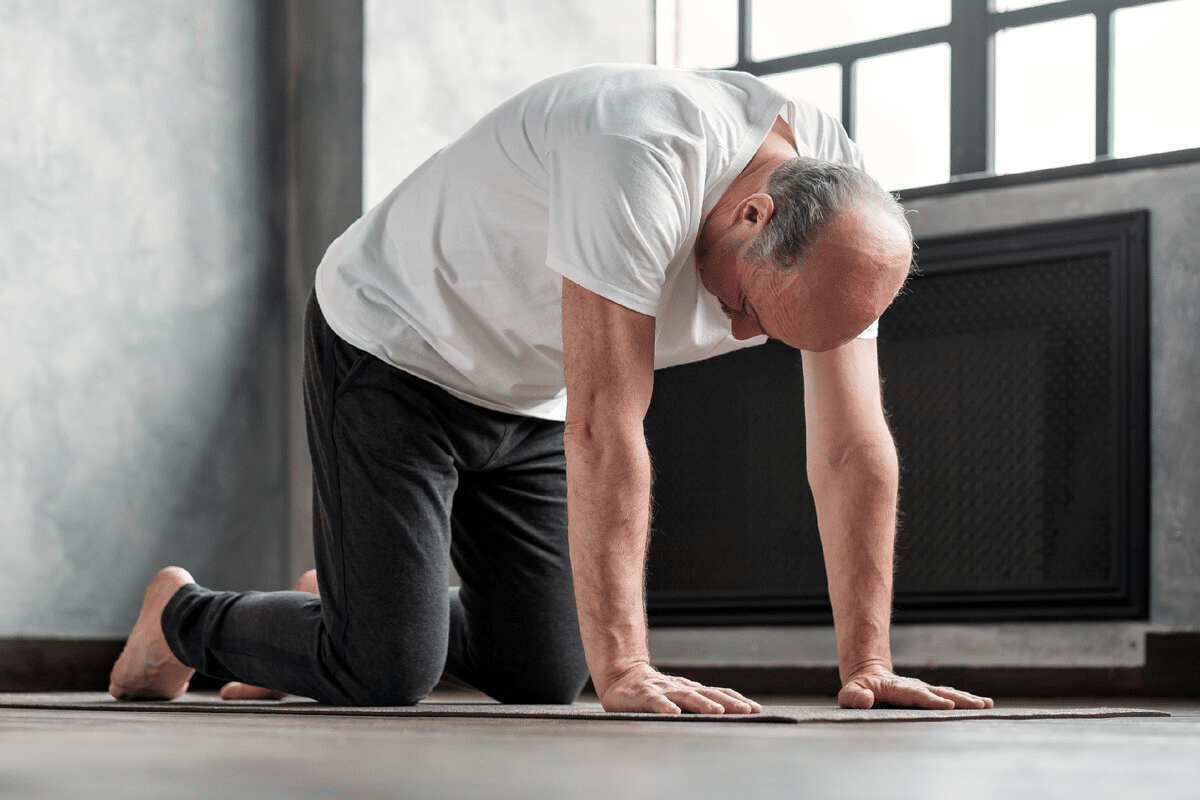
Yoga can be great for seniors, but safety first. Our bodies change with age, affecting what we can do. So, it’s key to be careful and aware when starting yoga.
Consulting Healthcare Providers
Always talk to your doctor before starting yoga, even more so if you have health issues. They can tell you what poses are safe for you.
Share your health history with your doctor. This includes any ongoing health problems, recent injuries, or surgeries. They can then suggest how to adjust yoga to fit your needs.
Essential Equipment for Senior Yoga
The right gear makes yoga better for seniors. You’ll need:
- A good yoga mat for grip and comfort
- Blocks or straps for flexibility and alignment
- A chair or wall for support in standing poses
- Comfortable, breathable clothes
These tools make yoga easier and more fun. They help you practice without worrying about getting hurt.
Warning Signs to Stop Practice
Listen to your body and know when to stop. Look out for:
- Persistent pain or discomfort
- Dizziness or feeling lightheaded
- Shortness of breath
- Numbness or tingling in your limbs
If you notice these signs, stop right away and talk to your doctor. It’s safer to be cautious with your health.
By being careful, you can enjoy yoga’s benefits without risks. Yoga is a personal journey. Always respect your body’s limits.
Understanding Yoga Poses for Old Age: Modifications and Adaptations
Yoga for seniors needs careful thought. We must adjust poses to fit our aging bodies. Our flexibility, strength, and balance may decrease with age. So, it’s vital to change yoga poses to meet our needs.
Using Props Effectively
Using props is a great way to adapt yoga for seniors. Blocks, straps, and blankets help keep poses right and ease body strain. For example, a block under the hand in a forward bend stops overstretching and makes the pose easier.
Benefits of Props: They boost flexibility, cut down injury risk, and enhance practice quality.
Chair Modifications
Chair yoga is perfect for seniors with mobility problems. It lets them do yoga while sitting. Chair adjustments also help with standing poses or add stability. For example, holding a chair back helps with balance in standing poses.
- Seated forward bends
- Seated twists
- Supported standing poses
Respecting Your Body’s Limitations
Seniors should listen to their bodies and respect their limits in yoga. It’s important to be aware of any pain or discomfort. Honoring our body’s signals is essential for a safe and fun practice.
By understanding and using these modifications, seniors can enjoy yoga’s benefits. These include better flexibility, balance, and overall health.
Mountain Pose (Tadasana): Building Stability and Posture
Mountain Pose, or Tadasana, is a key standing yoga pose. It helps improve posture and balance, perfect for seniors. It’s the base for all standing yoga poses, teaching good posture, stability, and body awareness.
Step-by-Step Instructions for Seniors
To practice Mountain Pose, seniors can follow these steps:
- Stand with your feet hip-width apart, parallel to each other, and facing forward.
- Engage your thigh muscles and lift your kneecaps.
- Lengthen your spine, keeping it straight and imagining a string pulling your head up towards the ceiling.
- Let your arms hang naturally by your sides, with palms facing forward.
- Gaze forward, keeping your chin parallel to the ground.
Benefits for Elderly Practitioners
Practicing Mountain Pose offers many benefits for elderly practitioners, including:
- Improved Posture: Reducing the risk of back pain.
- Enhanced Balance: Stability, reducing the risk of falls.
- Increased Body Awareness: Helping to prevent injuries.
Common Mistakes and Adjustments
Common mistakes in Mountain Pose include letting feet turn outward or inward. This can affect balance. Not engaging the core or thigh muscles also leads to poor posture.
Adjustments can be made by using props or modifying the pose. For example, standing with feet slightly wider apart can improve stability.
By practicing Mountain Pose regularly, seniors can enhance their posture, balance, and body awareness. This foundational yoga pose is great for yoga for old age persons. It promotes physical well-being and independence.
Chair Pose (Utkatasana): Strengthening Lower Body
Seniors over 70 can safely boost their lower body strength with Chair Pose. This yoga pose is great because it’s like sitting and standing, which gets harder with age.
Safe Practice Technique
To do Chair Pose safely, stand with your feet apart. Lower your hips as if sitting, keeping your heels down. Make sure your knees don’t go past your toes. Keep your back straight and core tight. Hold for a few breaths, then stand up. Do it again if you can.
Tips for Safe Practice:
- Keep your knees behind your toes to avoid putting undue stress on your knee joint.
- Engage your core to support your lower back.
- Breathe naturally and avoid holding your breath.
Health Benefits for Aging Bodies
Chair Pose has many benefits for seniors, including:
- Strengthening the muscles in the legs, which is key for mobility and preventing falls.
- Improving balance and stability.
- Boosting overall lower body strength, making daily tasks easier.
|
Benefit |
Description |
|---|---|
|
Leg Strength |
Strengthens the quadriceps, hamstrings, and glutes. |
|
Balance Improvement |
Enhances stability and reduces the risk of falls. |
|
Daily Activity Ease |
Makes activities like walking, standing, and sitting easier. |
Modifications for Different Ability Levels
Chair Pose can be adjusted for different levels, making it doable for most seniors. For those with mobility or balance issues, practicing near a wall or using a chair for support helps. More advanced folks can try holding the pose longer or add arm movements for a bigger challenge.
Adding Chair Pose to their yoga routine can greatly improve lower body strength and stability for seniors. This can lead to a more independent and active life. Always listen to your body and adjust or stop if you feel any pain.
Tree Pose (Vrikshasana): Improving Balance and Focus
Tree Pose, or Vrikshasana, is a foundational standing balance pose. It can significantly improve concentration and strengthen the legs. It’s an excellent choice for seniors. This pose is not just about physical balance but also about mental focus. It helps practitioners cultivate a sense of calm and stability.
Proper Alignment for Older Adults
To practice Tree Pose safely, older adults should start by standing on a non-slip surface. It’s essential to engage the core and maintain a straight spine. Here are some step-by-step instructions:
- Stand on one leg, keeping the other foot resting on the inner thigh.
- Engage your core and keep your spine straight.
- Arms can be by your sides or in a prayer-like position at your heart.
- Focus your gaze on a point in front of you to help with balance.
For those who are new to Tree Pose or feel unsteady, using a chair or wall for support can be very helpful.
Balance Benefits and Fall Prevention
Practicing Tree Pose regularly can lead to significant improvements in balance and stability. This is beneficial for older women who may be at a higher risk of osteoporosis and fractures. By strengthening the legs and improving balance, seniors can reduce their risk of falls.
Key benefits include:
- Improved balance and stability
- Strengthened legs
- Enhanced concentration and focus
Supported Variations for Beginners
For those who are just starting out with Tree Pose, there are several supported variations. Using a chair or wall for support can help build confidence and strength. Practitioners can start by standing on both feet and gradually move to standing on one leg as they become more comfortable.
Practicing with support can help:
- Build confidence
- Improve balance gradually
- Reduce the risk of injury
Seated Forward Bend (Paschimottanasana): Gentle Stretching
Seated Forward Bend, or Paschimottanasana, is a gentle yet effective yoga pose for seniors. It helps improve flexibility and reduce stiffness in the back and hamstrings.
Safe Technique for Seniors
To practice Seated Forward Bend safely, start by sitting comfortably on the floor with legs extended in front. Keep knees slightly bent if needed to avoid strain. Slowly lean forward, reaching for the toes or shins, and hold for a few breaths.
We recommend keeping the back straight and avoiding bouncing or jerking movements.
Flexibility and Digestive Benefits
Seated Forward Bend offers many benefits for seniors. It improves flexibility in the hamstrings, calves, and back. It also stimulates the abdominal organs, potentially improving digestion and relieving constipation symptoms.
Regular practice can lead to enhanced flexibility and a more comfortable daily life.
Chair and Prop Adaptations
For seniors who find it hard to sit on the floor or reach their toes, chair and prop adaptations help. Using a chair, sit with feet flat on the floor and gently lean forward, stretching the back and shoulders. Props like blocks or straps can also support the forward bend, making it more comfortable and beneficial.
By adding Seated Forward Bend to their yoga routine, seniors can enjoy many benefits. It’s a simple yet powerful pose that can be adapted to various levels of mobility and flexibility.
Bridge Pose (Setu Bandhasana): Strengthening Core and Back
Bridge Pose, or Setu Bandhasana, is a key yoga exercise for seniors. It strengthens the core and back. This pose is great because it can be adjusted for different abilities and mobility levels.
Gentle Approach for Elderly Practitioners
Seniors should start Bridge Pose slowly and listen to their body. Warming up before and using props is important. Start with a supported version, using a block or pillow for comfort and stability.
“Yoga is not about touching your toes; it’s about what you learn on the way down.” This quote highlights the journey in yoga, focusing on gradual progress for seniors.
Spine Health and Posture Improvement
Bridge Pose is great for spine health, stretching and strengthening the muscles around it. Regular practice can improve posture, reduce back pain, and increase spinal flexibility. It’s key to engage the core and move slowly and controlled.
Practicing Bridge Pose strengthens the back and improves posture. Good posture leads to better breathing, less spine wear, and more confidence.
Supported Variations with Props
Props make yoga poses more accessible and fun for seniors. In Bridge Pose, a block under the sacrum or a strap for alignment can help. These adjustments allow seniors to enjoy the pose’s benefits without risk of injury.
- Use a yoga block or pillow under your sacrum for support.
- Keep your knees bent and feet hip-width apart for stability.
- Engage your core and glutes to lift your hips.
Incorporating Bridge Pose into senior yoga exercises can improve core strength, posture, and overall well-being. Always check with a healthcare provider before starting yoga.
Legs Up The Wall (Viparita Karani): Restorative Relaxation
Legs Up The Wall Pose is great for older adults. It helps them relax, improves blood flow, and lowers stress. This pose is easy to do and is perfect for seniors to add to their yoga routine.
Setting Up Safely for Seniors
Seniors should find a quiet, comfy spot with a clear wall to start. Use a non-slip mat and maybe a blanket or bolster for back support. Keep legs straight up against the wall, with hips and lower back relaxed. Begin with a few deep breaths to calm down.
Circulation and Stress Relief Benefits
Legs Up The Wall Pose has many benefits for seniors. It improves blood flow and reduces swelling in legs and feet. It also helps lower stress and anxiety, making seniors feel better overall.
|
Benefits |
Description |
|---|---|
|
Improved Circulation |
Reversing blood flow reduces swelling in legs and feet. |
|
Stress Relief |
Calming effect reduces anxiety and promotes relaxation. |
|
Relaxation |
Quiets the mind and relaxes the body. |
Modifications for Comfort
To make Legs Up The Wall Pose more comfortable, seniors can use bolsters or pillows. For back issues, bending knees slightly can help. Always listen to your body and slowly come out of the pose, taking deep breaths before standing.
Adding Legs Up The Wall Pose to their yoga routine can greatly benefit seniors. It leads to a healthier, more relaxed life. Always talk to a healthcare provider before starting, even more so if you have health issues.
Corpse Pose (Savasana): Mindful Relaxation
Savasana, or Corpse Pose, is a simple yet powerful tool for relaxation and reducing anxiety in older adults. As we age, our bodies and minds benefit from calmness and stress reduction. Corpse Pose is a foundational element in yoga that can be adapted for seniors, rejuvenating both body and mind.
Proper Positioning for Seniors
To practice Corpse Pose effectively, start with the correct positioning. Lie on your back with arms and legs slightly apart. Let your body relax completely on the floor. Use a yoga mat or a comfortable surface to support your body.
For seniors, using props like blankets or bolsters under the knees can help alleviate any strain on the lower back. Ensure your spine is long and your neck is relaxed. You can slightly tuck your chin to lengthen the back of your neck. Close your eyes and take slow, deep breaths, feeling the breath move in and out of your body.
Mental Health and Stress Reduction Benefits
Corpse Pose is renowned for its ability to reduce stress and promote mental well-being. By lying in silence and focusing on the breath, seniors can calm their minds and reduce anxiety. Regular practice of Savasana can lead to improved emotional resilience and a greater sense of calm in daily life.
The relaxation response triggered by Corpse Pose can also help in lowering blood pressure and reducing muscle tension. This can be beneficial for seniors who may experience chronic pain or discomfort.
Adding Comfort with Props
Props can significantly enhance the comfort and effectiveness of Corpse Pose for seniors. Using a bolster or a pillow under the knees can help maintain the natural curve of the lower back. Covering yourself with a light blanket can provide a sense of security and comfort.
For those who find it challenging to lie flat on their backs, alternative positions such as lying on the side with supports or even practicing Savasana in a chair can be considered. The key is to find a position that feels relaxing and accessible.
Breathing Techniques to Enhance Yoga Practice
To get the most out of yoga, seniors can use different breathing techniques. These techniques are key to yoga, making it more enjoyable and healthy.
Diaphragmatic Breathing for Respiratory Health
Diaphragmatic breathing, or belly breathing, uses the diaphragm to fill the lungs fully. It boosts respiratory health by increasing oxygen and improving gas exchange.
Benefits of Diaphragmatic Breathing:
- Improves lung capacity
- Reduces stress and anxiety
- Enhances overall respiratory function
Alternate Nostril Breathing for Calm
Alternate Nostril Breathing balances the nervous system. It involves breathing through one nostril, then the other.
How to Practice Alternate Nostril Breathing:
- Sit comfortably with your back straight
- Close your right nostril with your thumb
- Inhale through your left nostril
- Close your left nostril with your fingers, exhale through your right
- Inhale through your right, close it, and exhale through your left
Integrating Breath with Movement
Linking breath with movement is key in yoga for seniors. It makes the practice flow better and more beneficial.
|
Breathing Technique |
Benefits |
Tips for Seniors |
|---|---|---|
|
Diaphragmatic Breathing |
Improves respiratory health, reduces stress |
Practice lying down or sitting comfortably |
|
Alternate Nostril Breathing |
Balances nervous system, calms mind |
Use a gentle touch, avoid forcing the nostrils |
|
Breath with Movement |
Enhances yoga practice, improves coordination |
Start slow, focus on synchronizing breath with movement |
Seniors can make their yoga more holistic and beneficial by using these breathing techniques. Regular practice can improve breathing, reduce stress, and bring calm and balance.
Creating a Weekly Yoga Routine for Seniors Over 70
For seniors, a good yoga routine can really change their health and life quality. As we get older, our bodies change in ways that can affect our flexibility and balance. Yoga can help with these changes, making us feel better physically and mentally.
Sample 15-Minute Daily Practice
It’s smart for seniors to start with short yoga sessions and then get longer. Here’s a 15-minute daily routine that you can adjust to fit your needs:
- Mountain Pose (Tadasana): 2 minutes
- Chair Pose (Utkatasana): 2 minutes
- Tree Pose (Vrikshasana): 2 minutes per leg
- Seated Forward Bend (Paschimottanasana): 3 minutes
- Legs Up The Wall (Viparita Karani): 4 minutes
- Corpse Pose (Savasana): 4 minutes
This routine mixes standing, sitting, and rest poses for a balanced practice. Always listen to your body and adjust or stop if you feel any pain.
Progressing Safely Over Time
As you get more comfortable, you can slowly make your practice longer and more challenging. It’s important to move at your own speed and respect your body’s limits. Here are some tips for safe growth:
- Slowly add 1-2 minutes to your practice each week.
- Try new poses slowly, making sure you can do them right.
- Use props like blocks, straps, or chairs to help you.
Combining Yoga with Other Senior-Friendly Activities
Yoga can be even better when you add other activities to your routine. Think about doing yoga with:
|
Activity |
Benefits |
|---|---|
|
Brisk Walking |
Improves heart health, lifts mood |
|
Swimming |
Easy on the joints, boosts flexibility and strength |
|
Tai Chi |
Helps with balance, lowers stress |
As a wise yoga teacher once said,
“Yoga is not just a practice, it’s a journey of self-discovery and healing.”
By adding yoga to your routine and mixing it with other activities, you can really improve your life.
Conclusion: Embracing Yoga as a Lifelong Practice
Yoga can greatly improve balance, flexibility, and wellbeing for seniors. It shows the many benefits of yoga for older adults.
Senior yoga poses like Mountain Pose, Chair Pose, and Tree Pose are great. They help strengthen the body, improve balance, and reduce stress. Regular yoga also boosts flexibility and mobility, making everyday tasks easier.
We suggest seniors start yoga slowly and progress as they feel comfortable. With time and effort, yoga can be a key part of staying healthy and mentally sharp as we age.
Yoga lets seniors take charge of their health and enhance their life quality. It offers many benefits that can be enjoyed by all.
FAQ
Is yoga suitable for seniors over 70?
Yes, yoga is great for seniors over 70. It boosts balance, flexibility, and health. We adjust poses to fit physical needs, making it safe.
What are the benefits of elder yoga for older adults?
Elder yoga helps with balance, lowers blood pressure, and increases flexibility. It also boosts mental health and can be tailored to fit different abilities.
How can seniors practice yoga safely at home?
Seniors can safely do yoga at home by getting health checks, using the right gear, and adjusting poses. Chair yoga and props are very helpful.
What modifications can be made for old person yoga?
For old person yoga, use props, try chair yoga, and adjust poses to respect your body. This makes it safe and beneficial.
Can yoga for old age person help with fall prevention?
Yes, poses like Tree Pose and Mountain Pose can improve balance and stability. This reduces fall risks.
Are there specific yoga workouts for seniors that focus on breathing techniques?
Yes, diaphragmatic and alternate nostril breathing are great for seniors. They help relax and improve breathing.
How can older women benefit from yoga?
Older women gain from yoga by improving flexibility, balance, and strength. Supported poses, like those using chairs, are very helpful.
What is the best way to start a yoga practice as a senior?
Start slow, get health checks, and begin with simple poses and breathing. A 15-minute daily routine is a good start.
Can yoga for seniors at home be done without any equipment?
Some yoga can be done without equipment. But, props like blocks and chairs add support and safety for seniors.
How often should seniors practice yoga?
Seniors should practice yoga 2-3 times a week. Start with short sessions and increase as you get more comfortable.