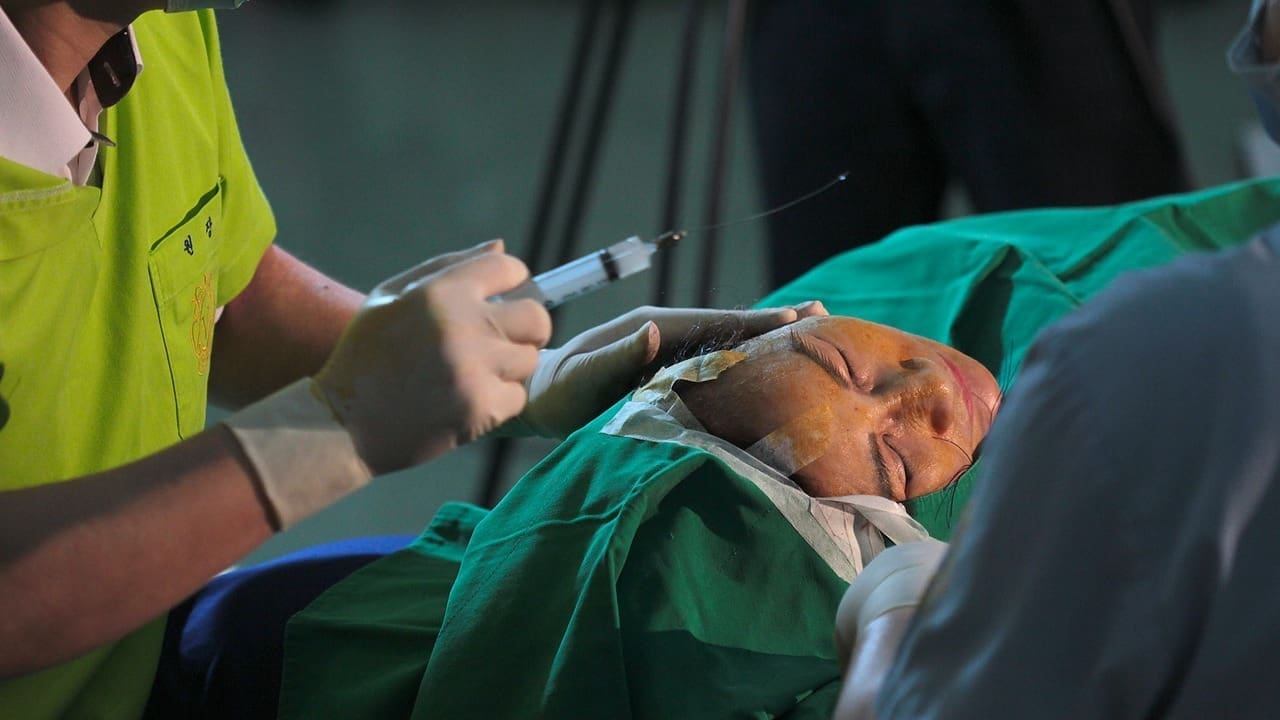
Recovering from acoustic neuroma surgery is a journey that varies for everyone. It’s shaped by many factors and the latest in medical care. At Liv Hospital, we focus on giving expert, patient-focused care and support during the recovery process.
An acoustic neuroma, or vestibular schwannoma, is a non-cancerous tumor on the eighth cranial nerve. Surgery is usually needed to take out the tumor. The recovery time that follows is key for healing well.
Patients usually stay in the hospital for three to four days after surgery. Full recovery can take about a year. Knowing what to expect can ease worries and make the recovery smoother.
Key Takeaways
- Hospital stay typically lasts three to four days after surgery.
- Full recovery can take up to a year.
- Understanding the recovery process is key for healing well.
- Modern medical care and patient-focused treatment help in recovery.
- Acoustic neuroma is a non-cancerous tumor on the eighth cranial nerve.
What Is Acoustic Neuroma and Why Surgery Is Needed

Acoustic neuroma, also known as vestibular schwannoma, is a non-cancerous tumor. It affects the eighth cranial nerve, which is key for hearing and balance. Symptoms include hearing loss, tinnitus, and balance issues.
It’s important for patients to understand acoustic neuroma before surgery. This tumor grows from Schwann cells around the vestibular nerve. It’s not cancerous but can greatly affect a person’s life due to its symptoms.
Understanding Vestibular Schwannoma
Vestibular schwannoma grows slowly and can affect anyone. It’s more common in certain age groups. The exact cause is not fully known, but research is ongoing.
The tumor can press on nerves, causing symptoms. Surgery is often recommended to remove it. This helps alleviate symptoms, mainly for large or rapidly growing tumors.
Common Surgical Approaches for Tumor Removal
There are several ways to remove an acoustic neuroma. The choice depends on the tumor’s size, location, and the patient’s health.
- The retrosigmoid approach is common, balancing tumor removal with nerve preservation.
- The translabyrinthine approach is useful for specific tumor locations.
- The middle fossa approach is less common but valuable in certain cases.
Factors That Determine Surgical Complexity
The complexity of acoustic neuroma surgery depends on several factors. These include the tumor’s size, location, and the patient’s age and health.
Larger tumors are harder to remove because of their closeness to important nerves and structures. The surgeon’s experience and the team’s skill are also key to success.
Fact 1: The Acoustic Neuroma Surgery Recovery Timeline
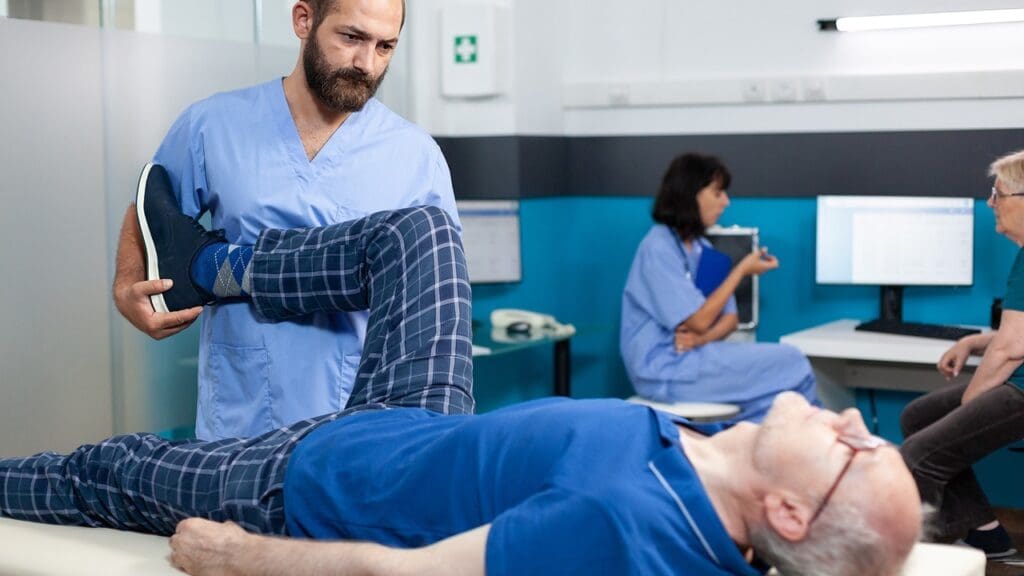
Recovering from acoustic neuroma surgery is a journey with many steps. Knowing each stage helps patients plan better and deal with the recovery period.
Hospital Stay Duration
Patients usually stay in the hospital for 3-4 days after surgery. This time is key for watching for any issues and managing pain.
Short-Term Recovery
The first 4 weeks are the short-term recovery phase. Patients might feel tired, have headaches, and struggle with balance. It’s vital to follow the doctor’s advice to avoid problems.
Returning to Work and Daily Activities
Most people can get back to work and daily life in 4-12 weeks after surgery. But, this can change based on health and surgery details.
Complete Recovery Period
Full recovery from acoustic neuroma surgery can take up to one year. During this time, symptoms can get better, and life quality can improve.
Every patient’s recovery is different, based on the tumor size and health. Knowing the recovery timeline helps prepare for the journey.
- Key Recovery Milestones:Hospital discharge within 3-4 days
- Gradual return to daily activities within 4-12 weeks
- Complete recovery up to one year
Breaking down recovery into stages helps us understand what’s ahead. It also shows how to tackle the challenges of acoustic neuroma surgery recovery.
Fact 2: What to Expect During the First Week After Surgery
The first week after acoustic neuroma surgery is key for a good recovery. Patients are watched closely for any problems. They also start the healing process.
Immediate Post-Operative Care
Right after surgery, care is very important. Patients often stay in the ICU for 24 hours. The medical team looks for any complications like infection or bleeding.
They also teach patients how to care for their wound and manage pain. Following these instructions helps avoid problems.
Pain Management and Medication
Managing pain is a big part of recovery. Patients get pain meds like opioids. It’s important to take the right amount and tell the doctor about any side effects.
They might also try other ways to feel better, like relaxation or cold packs.
Initial Mobility and Activity Restrictions
In the first week, patients should not do too much. They should avoid heavy lifting and hard exercises. Slowly, they can start doing more as their doctor says.
Common Early Recovery Challenges
Patients might face headaches, tiredness, and dizziness early on. These are usually managed with meds, rest, and therapy.
| Common Challenges | Management Strategies |
|---|---|
| Headaches | Pain medication, rest, hydration |
| Fatigue | Rest, energy conservation, gentle exercises |
| Dizziness | Vestibular rehabilitation therapy, balance exercises |
Knowing what to expect in the first week helps patients prepare for recovery. With the right care, most can get through this tough time and do well.
Fact 3: Acoustic Neuroma Surgery Scar Healing Process
Acoustic neuroma surgery leaves a scar, usually behind the ear. This scar heals over time. Many patients worry about how it will look and heal.
Typical Scar Location
The scar from acoustic neuroma surgery is often behind the ear. This is because of the surgical approach. The scar is from the incision to remove the tumor. The length of the scar depends on the tumor size and the surgery method.
Stages of Scar Healing
The healing of the acoustic neuroma surgery scar has several stages. Knowing these stages helps manage expectations and improve healing.
| Stage | Timeline | Description |
|---|---|---|
| Inflammation | 0-4 weeks | The scar looks red, swollen, and might hurt. This is a normal healing step. |
| Proliferation | 4-8 weeks | The scar becomes firmer and may stay a bit red. |
| Remodeling | 8 weeks – 1 year | The scar keeps getting better, becoming less visible over time. |
Scar Management Techniques
Several methods can make the acoustic neuroma surgery scar look better. Scar massage and silicone gel or sheeting are often suggested. These can help flatten, soften, and lighten the scar, making it less obvious.
Talking to your healthcare provider about these options is a good idea. They can help find the best method for you.
Fact 4: Common Side Effects of Acoustic Neuroma Surgery Recovery
Recovering from acoustic neuroma surgery comes with its own set of challenges. Understanding these can help make the recovery smoother. We’re here to guide you through these common side effects.
Headaches and Their Management
Headaches are a common side effect after surgery. Effective pain management is key to feeling better. Your doctor will guide you on pain meds. Also, try relaxation techniques like deep breathing or meditation to help with headaches.
Fatigue and Energy Conservation Strategies
Fatigue can really impact your daily life. Conserving energy is important. Rest, eat well, and slowly start getting back into physical activities as your doctor advises.
Facial Nerve Weakness or Paralysis
Facial nerve weakness or paralysis can happen. Rehabilitation exercises and sometimes extra treatments can help. They aim to improve facial nerve function over time.
Hearing Changes and Adaptations
Hearing changes, like loss or tinnitus, are possible side effects. Adaptation strategies and devices can greatly improve your life. We help find hearing aids or other communication tools for you.
| Side Effect | Management Strategies |
|---|---|
| Headaches | Pain medication, relaxation techniques |
| Fatigue | Rest, balanced diet, gradual physical activity |
| Facial Nerve Weakness | Rehabilitation exercises, additional treatments |
| Hearing Changes | Adaptation strategies, hearing aids, communication aids |
Fact 5: Balance and Dizziness Issues After Vestibular Schwannoma Surgery
Recovering from vestibular schwannoma surgery can be tough. It often means dealing with balance and dizziness problems. These issues can really affect a person’s life, so it’s key to know why they happen and how to manage them.
Why Balance Problems Occur
After surgery, balance issues come from the tumor’s effect on the vestibular nerve. This nerve helps us stay balanced. If it gets damaged or removed, we might feel dizzy, unsteady, and have trouble with balance. These symptoms can make everyday tasks hard.
Middle Fossa Craniotomy Recovery Challenges
The middle fossa craniotomy is a way to remove these tumors. It’s effective but comes with its own set of challenges. The surgery’s location near important nerves and the inner ear raises the risk of balance problems after surgery.
Vestibular Rehabilitation Therapy Benefits
Vestibular rehabilitation therapy (VRT) is a big help for those dealing with balance and dizziness after surgery. It’s a set of exercises tailored to help the brain adjust to the loss of balance. Research shows VRT can lessen dizziness and improve life quality for patients.
VRT offers many benefits, including:
- Improved balance and reduced dizziness
- Enhanced vestibular compensation
- Better overall functional ability
- Increased confidence in performing daily activities
Timeline for Balance Improvement
How long it takes to get better varies from person to person. Most see some improvement in the first few months. But, it can take up to a year or more for full recovery.
| Recovery Stage | Timeline | Expected Balance Improvement |
|---|---|---|
| Initial Recovery | 0-3 months | Some improvement as acute post-operative symptoms resolve |
| Intermediate Recovery | 3-6 months | Noticeable improvement in balance as vestibular compensation begins |
| Late Recovery | 6-12 months | Continued improvement as the brain fully compensates for vestibular loss |
It’s vital for patients to work with their healthcare team. This includes specialists in vestibular rehabilitation. Together, they can create a recovery plan that meets each patient’s needs.
Fact 6: Long-Term Effects on Hearing and Tinnitus
It’s important to know how acoustic neuroma surgery affects hearing and tinnitus in the long run. This knowledge helps in managing expectations and recovery. Acoustic neuroma surgery can lead to different changes in hearing.
Persistent Tinnitus After Ear Tumor Surgery
Some people may have tinnitus after ear tumor surgery. Tinnitus is when you hear sounds that aren’t there. It can be hard to deal with.
We suggest looking into different ways to manage tinnitus. This includes sound therapy and counseling.
Tinnitus management needs a variety of approaches. This might include white noise machines, cognitive behavioral therapy, and sometimes medication.
Partial or Complete Hearing Loss Management
Hearing loss can be a long-term effect of acoustic neuroma surgery. It’s key to manage hearing loss well to keep quality of life. We team up with audiologists and other experts for full care.
Managing hearing loss might involve hearing aids and other devices. These tools can greatly help with communication and daily activities.
Hearing Aids and Assistive Devices
Hearing aids and assistive devices are key in managing hearing loss after surgery. Today’s hearing aids are advanced and can meet individual needs.
Devices like personal amplifiers and telecommunication devices can also help. We help patients choose and use these devices well.
Understanding the long-term effects of acoustic neuroma surgery helps us support patients better. We make sure they get the care they need to adjust to any changes.
Fact 7: How Tumor Size Affects Surgery Duration and Recovery
The size of an acoustic neuroma greatly affects surgery time and recovery. We’ll look at how tumor size impacts surgery and recovery.
Average Schwannoma Surgery Duration
Surgery for schwannomas usually lasts 5 to 8 hours. This depends on the tumor’s size and complexity. Bigger tumors need more time because of the detailed surgery.
Recovery Differences Based on Acoustic Neuroma Size
Recovery from acoustic neuroma surgery changes with tumor size. Smaller tumors usually mean faster recovery. The main differences are:
- Faster recovery for smaller tumors due to less invasive surgery
- More complex recovery for larger tumors, possibly needing longer hospital stays and more care
Craniotomy for Larger Tumors: Special Considerations
Larger tumors often need a craniotomy, a more complex surgery. This involves opening part of the skull. Special considerations for larger tumors include:
- More detailed pre-surgical planning
- Increased risk of complications
- Longer surgery duration
- More intensive post-operative monitoring
Minimally Invasive Approaches for Smaller Tumors
Smaller tumors might get minimally invasive surgical approaches. This can lead to shorter recovery times and fewer risks. These methods are often the first choice when possible.
Fact 8: Before and After Acoustic Neuroma Surgery Comparison
Understanding the effects of Acoustic Neuroma surgery is key for those thinking about it. This comparison helps set realistic hopes and gives insight into recovery.
Symptom Improvement After Tumor Removal
Many see big improvements after Acoustic Neuroma surgery. Symptoms like hearing loss, tinnitus, and balance issues often get better. A study in the Journal of Neurosurgery found over 70% of patients saw symptom improvement after surgery.
A patient who had the surgery said,
“After the surgery, I noticed a big drop in my tinnitus and better balance. It was a life-changing experience.”
Quality of Life Changes
Life can change a lot for patients after surgery. The recovery is tough, but many feel better overall. A study showed patients felt less anxious and depressed after surgery.
Potential Residual Effects
Even with improvement, some face lasting effects like facial weakness or tinnitus. It’s important to talk about these with your doctor. Here’s a table of common lasting effects:
| Residual Effect | Frequency | Management Strategies |
|---|---|---|
| Facial Weakness | 20% | Physical therapy, facial exercises |
| Persistent Tinnitus | 30% | Tinnitus management therapy, sound therapy |
| Balance Issues | 40% | Vestibular rehabilitation therapy |
Patient Satisfaction Statistics
Studies show over 85% of patients are happy with their surgery choice. This high satisfaction comes from symptom improvement and better life quality.
In summary, Acoustic Neuroma surgery has a big positive impact on patients’ lives. While there are lasting effects, the overall benefits lead to high patient satisfaction.
Conclusion: Navigating Life After Acoustic Neuroma Surgery
Understanding the recovery process is key for patients after acoustic neuroma surgery. With the right care and support, patients can have a smooth recovery.
The recovery timeline, side effects, and long-term hearing and balance changes are important. Knowing these helps patients prepare for the post-operative period and make informed care decisions.
Recovery takes time, often up to a year. But with the right support, patients can overcome surgery challenges and improve their life quality.
Life after surgery means managing any lasting effects, adapting to hearing changes, and getting balance back. By understanding these, patients can ensure a successful recovery and confidently navigate their new normal.
What is the typical hospital stay duration after acoustic neuroma surgery?
After acoustic neuroma surgery, most people stay in the hospital for 3-4 days. This time can vary based on your health and the surgery’s complexity.
How long does it take to fully recover from acoustic neuroma surgery?
Recovery from acoustic neuroma surgery can take up to a year. Most people start feeling better and return to their activities in 4-12 weeks.
What are the common side effects of acoustic neuroma surgery recovery?
Side effects include headaches, fatigue, facial nerve weakness, and hearing changes. These can be managed with care and rehabilitation.
How is the scar from acoustic neuroma surgery managed?
The scar is usually behind the ear. It can be improved with scar management techniques and treatments like silicone gel or sheeting.
What is vestibular rehabilitation therapy, and how does it help with balance issues after vestibular schwannoma surgery?
Vestibular rehabilitation therapy is physical therapy for balance problems after surgery. It improves balance and reduces dizziness.
How does tumor size affect the surgery duration and recovery?
Larger tumors mean longer surgery times and recovery periods. This is because bigger tumors require more work during surgery.
What are the possible long-term effects on hearing and tinnitus after acoustic neuroma surgery?
Long-term effects can include persistent tinnitus and hearing loss. These can be managed with hearing aids and assistive devices.
What are the benefits of minimally invasive approaches for smaller acoustic neuromas?
Minimally invasive surgery for small tumors leads to shorter times in surgery, less damage, and faster recovery.
How do patients typically fare in terms of quality of life after acoustic neuroma surgery?
Most patients see a big improvement in their quality of life after surgery. They often report fewer symptoms and better overall well-being.
What is the average surgery duration for acoustic neuroma removal?
Surgery for acoustic neuroma removal usually lasts 5-8 hours. This depends on the case’s complexity and the surgical method.
Are there any specific challenges associated with middle fossa craniotomy recovery?
Recovery from middle fossa craniotomy can be tough due to the surgery site’s location and balance issues. But, with proper care and rehabilitation, most people recover well.
References:
- https://www.ctbta.org/news-blog/patients-guide-acoustic-neuroma-surgery-recovery
- https://healthcare.utah.edu/skull-base-tumors/acoustic-neuroma/what-to-expect-at-surgery