Who can be a 100% match for a bone marrow transplant?
Key Takeaways
- A 100% match is key for a successful bone marrow transplant.
- The stem cell donation procedure is complex and needs a precise match.
- The donor bone marrow transplant can save lives.
- Knowing how important bone marrow transplant compatibility is is vital.
The Essential Role of Human Bone Marrow
The human bone marrow is key to making blood cells. It’s a vital part of our body’s system.
The Composition and Structure of Bone Marrow
hematopoietic stem cellsCan Hematopoietic Stem Cells Regenerate?Bone marrow is a spongy tissue inside bones. It has blood vessels and hematopoietic stem cells for blood cell growth. The stroma supports this process.
How Bone Marrow Produces Blood Cells
Blood cell production, or hematopoiesis, is a complex process. Hematopoietic stem cells turn into different blood cells. This is vital for oxygen delivery, fighting infections, and stopping bleeding.
Bone Marrow Anatomy and Distribution in the Body
Bone marrow is found in the skeletal system, mainly in the pelvis and vertebrae. In adults, it’s mostly in the axial skeleton and long bones’ ends. Knowing its anatomy is key for medical procedures.
Bone marrow’s role in health and disease shows why stem cell donation is so important. Donating bone marrow or stem cells can save lives.
When Bone Marrow Transplants Become Necessary
Bone marrow transplantation is considered when other treatments fail. It’s a life-saving step for patients with severe diseases. These diseases haven’t responded to usual treatments.
Medical Conditions Requiring Transplants
Many medical conditions may need a bone marrow transplant. These include leukemia, lymphoma, and multiple myeloma. They are now a key option for many patients.
Specific conditions that may require bone marrow transplants include:
- Acute myeloid leukemia (AML)
- Acute lymphoblastic leukemia (ALL)
- Chronic myeloid leukemia (CML)
- Multiple myeloma
- Myelodysplastic syndromes
When Other Treatments Fail
Bone marrow transplants are considered when other treatments fail. This includes scenarios where chemotherapy or radiation hasn’t worked. The disease may not be cured or significantly improved.
For instance, patients with certain types of leukemia or lymphoma may try chemotherapy and radiation. But if the disease comes back or doesn’t go away, a bone marrow transplant is often recommended.
Blood and Bone Marrow Transplantation Goals
The main goal of bone marrow transplantation is to replace damaged marrow with healthy marrow. This helps the body make normal blood cells again. It improves the patient’s health and quality of life.
The goals of bone marrow transplantation can be summarized as follows:
| Goal | Description |
| Replace diseased marrow | Eliminate the diseased or damaged bone marrow and replace it with healthy marrow. |
| Restore blood cell production | Enable the body to produce normal blood cells, including red blood cells, white blood cells, and platelets. |
| Improve patient outcomes | Enhance the patient’s quality of life and potentially achieve a cure for their underlying condition. |
The Science Behind Bone Marrow Matching
Exploring the science of bone marrow matching shows how important genetic compatibility is. The success of bone marrow transplants depends on matching donors and recipients perfectly. This matching is based on the Human Leukocyte Antigens (HLA) system.
Human Leukocyte Antigens (HLA) System
The HLA system is a key part of our immune system. It helps protect us from harmful pathogens. It’s also what determines if a bone marrow donor and recipient can be matched.
The HLA system has a lot of genetic variation among people. This makes finding a match challenging.
Genetic Factors in Matching
Genetics is very important in matching bone marrow. The genes for HLA proteins are on chromosome 6. They are passed down in a way that’s predictable.
Knowing the genetic makeup of both the donor and recipient is key to finding a match. The closer the genetic link, the better the transplant’s chances of success.
How Matching Tests Work
Tests for bone marrow matching use HLA typing. This can be done in different ways, like serological typing and molecular typing. Molecular typing, like next-generation sequencing, is now the best method because it’s very accurate.
These tests help find people who are genetically compatible. This reduces the risk of complications and improves transplant success.
The process of matching bone marrow is complex. It needs a deep understanding of the HLA system and genetics. With advanced testing, doctors can find the right donors for life-saving transplants.
Types of Bone Marrow Matches
There are different types of bone marrow matches, each with its own traits and effects on transplantation. The match type depends on the genetic similarity between donor and recipient, mainly in Human Leukocyte Antigens (HLA).
Perfect (100%) Match Characteristics
A perfect or 100% match means the donor and recipient have the same HLA genes. This is the best match because it lowers the risk of graft-versus-host disease (GVHD). GVHD is a serious issue in bone marrow transplants.
Key characteristics of a perfect match include:
- Identical HLA genes between donor and recipient
- Lower risk of GVHD
- Better graft survival rates
Partial Matches and Their Viability
Partial matches happen when the donor and recipient are not identical at all HLA loci but share a lot of genetic similarity. The success of a partial match depends on several factors, like the degree of mismatch and the specific HLA loci involved.
Partial matches can be viable in certain situations:
- When a perfect match is not available
- In cases where the recipient’s condition necessitates a prompt transplant
- With the use of immunosuppressive therapies to reduce GVHD risk
Haplo Transplants and Half-Matched Donors
Haploidentical transplants, or haplo transplants, involve donors who are half-matched to the recipient. This usually includes parents, children, or half-siblings.
Advantages of haplo transplants:
- Availability: Many patients have a haploidentical family member
- Immediate availability for donation
- Potential for graft-versus-tumor effect
While haplo transplants have a higher risk of GVHD and other issues, new immunosuppressive therapies have made them safer.
Who Can Be a 100% Match for Bone Marrow Donation
Finding a 100% bone marrow match is a big deal. It often means looking at family members and others. This search is key for those needing a bone marrow transplant.
Siblings and Family Members
Siblings are usually the first choice for a 100% match. They share a lot of genes, making them a good fit. In fact, siblings have a 25% chance of being a perfect match.
Other family members, like parents or kids, might also be considered. But their chances of being a 100% match are generally lower.
Can a Stranger Be a Bone Marrow Match?
While family is often first, strangers can also be a match. New genetic tests and bigger bone marrow registries help find matches. The National Marrow Donor Program and others worldwide help patients find matches outside their family.
Statistical Probability of Finding a Match
Finding a 100% match depends on many things. These include the patient’s genes and the donor pool’s diversity. For those with diverse genes, finding a match is harder. But, registries are getting more diverse, which helps.
The odds of finding a match vary. They can be a few percent or up to 75% or more. Knowing these chances is important for patients and their families.
The Role of Ethnicity and Ancestry in Finding Matches
Ethnicity and ancestry are key in finding a bone marrow match. The genetic diversity among ethnic groups greatly affects the chances of finding a compatible donor.
Genetic Diversity Among Different Populations
Different populations have unique genetic profiles. This affects the Human Leukocyte Antigen (HLA) system, which is vital for compatibility. For example, certain HLA types are more common in specific ethnic groups.
This means patients are more likely to find a match within their own ethnic group. A study showed that people of European descent have a higher chance of finding a match. This is because there are more donors from this background in registries.
On the other hand, people from diverse or underrepresented ethnic backgrounds face challenges. They often struggle to find a compatible match.
Challenges for Mixed Heritage Patients
Patients with mixed heritage have a harder time finding a bone marrow match. Their genetic makeup combines different ethnic backgrounds. This makes it difficult to find a fully compatible donor.
Efforts to Diversify Donor Registries
Efforts are underway to diversify donor registries. Registries are working to recruit donors from underrepresented ethnic groups. This aims to increase the chances of finding matches for these patients.
| Ethnic Group | Current Representation in Registries | Target Representation |
| European | 60% | 50% |
| Asian | 20% | 25% |
| African | 10% | 15% |
| Mixed Heritage | 5% | 10% |
Diversifying donor registries can significantly improve the chances of finding a match. This effort is vital for ensuring everyone has an equal chance of finding a compatible donor.
Bone Marrow Donor Registries and Databases
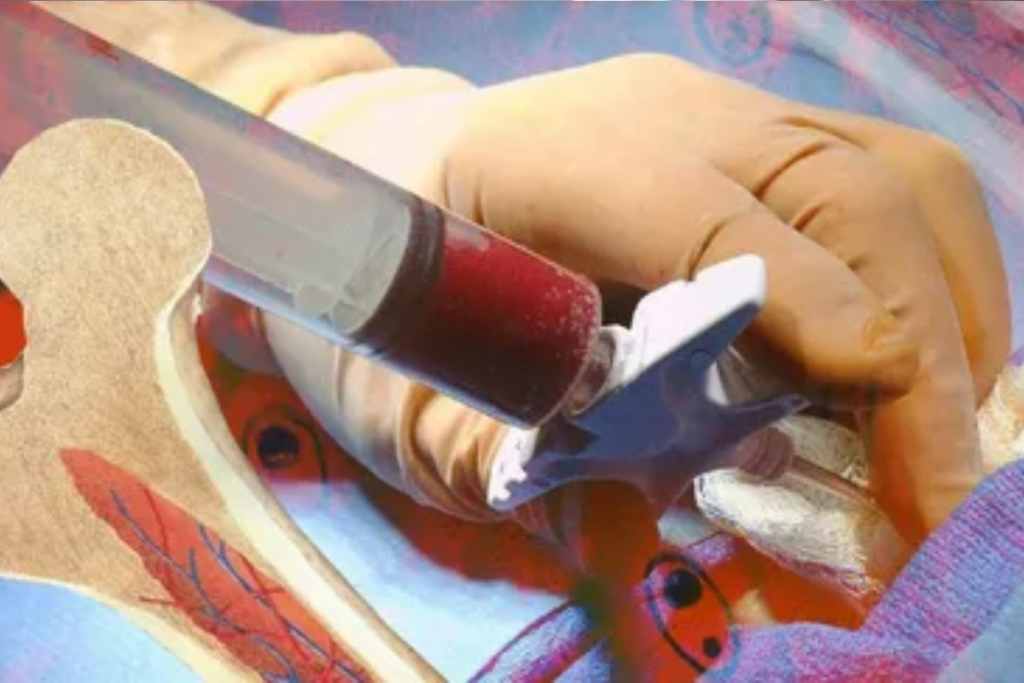
Bone marrow donor registries are key in finding matches for patients. They are databases that hold info on donors and their HLA types. These are important for matching donors to recipients.
Looking for a bone marrow donor is a big task. It involves searching through these databases to find a match. The bigger and more diverse the registry, the better the chances of finding a donor.
National Marrow Donor Program (NMDP)
The National Marrow Donor Program (NMDP) is a leading group in the U.S. They have a big registry of bone marrow donors. They work with hospitals to match donors and recipients.
The NMDP’s registry is huge and diverse. It’s a key resource for patients looking for a match. They also handle the collection and transport of bone marrow and stem cells for transplants.
World Marrow Donor Association (WMDA)
The World Marrow Donor Association (WMDA) oversees bone marrow donor registries worldwide. They set standards for donor recruitment and data exchange. This ensures donations are safe and of high quality.
The WMDA helps find donors for patients globally. They focus on patients with rare HLA types.
Be The Match Registry and Donor Identification
The Be The Match Registry is a big database of donors. When a patient needs a transplant, their team searches this registry for matches.
Donor identification involves several steps. These include initial screening, HLA typing, and confirmatory testing. The Be The Match Registry is key in this process, helping donors register and patients find matches.
| Registry/Organization | Role | Scope |
| NMDP | Operates a large registry of bone marrow donors in the U.S. | National |
| WMDA | Oversees the global network of bone marrow donor registries | International |
| Be The Match Registry | Comprehensive database for donor-recipient matching | National/International |
Requirements to Become a Bone Marrow Donor
To become a bone marrow donor, you must meet certain criteria. These ensure the donation process is safe and successful. You need to be of a certain age, in good health, and have a clean medical history.
Age and Health Criteria
Donors must be between 18 and 40 years old and in good health. Your age is important because it shows you can handle the donation process. Being healthy is also key to avoid complications.
The National Marrow Donor Program (NMDP) checks for serious medical conditions. They screen for infectious diseases and genetic issues.
| Age Group | Eligibility Criteria |
| 18-40 years | Generally eligible; must be in good health |
| 41-60 years | May be eligible on a case-by-case basis; thorough medical evaluation required |
| Above 60 years | Typically not eligible; exceptions are rare and subject to detailed assessment |
Medical History Considerations
Your medical history is carefully reviewed. This ensures your bone marrow is of good quality and safe for donation.
“The evaluation of a donor’s medical history is a critical step in ensuring the safety and efficacy of the bone marrow donation process.” –
Commitment Requirements and Expectations
Donating bone marrow is a big commitment. You’ll need to be ready for the donation procedure and any tests beforehand. You might also have to donate quickly if needed.
Be prepared for follow-up care after donating. This is part of the commitment to help others.
By meeting these requirements, you can help save lives through bone marrow donation.
The Bone Marrow Matching Process
Finding the right bone marrow donor is a detailed process. It’s all about matching the donor’s bone marrow with the recipient’s. This is key for a successful transplant.
Initial Testing and Screening Methods
The first step is Human Leukocyte Antigen (HLA) typing. It checks if the donor and recipient are compatible. This is done through blood tests to find the HLA genes.
The initial screening is easy. It’s just a blood draw or cheek swab. Then, the samples go to a lab for HLA typing.
Confirmatory Typing Procedures
After finding a donor, more tests are done. Confirmatory typing procedures check the HLA type again. This makes sure everything matches up.
These tests might include more blood work. They help make sure there are no mismatches.
| Testing Stage | Purpose | Methods Used |
| Initial Screening | Identify possible donors | Blood draw or cheek swab |
| Confirmatory Typing | Check HLA compatibility | Detailed blood tests |
| Final Selection | Choose the best match | Compare HLA types |
Final Selection Process and Notification
The final selection process compares HLA types. It finds the best match for the transplant. This is very important.
When a donor is found, they’re told and checked again. They go through medical history and health checks.
After they’re confirmed, they’re matched with the recipient. Then, the transplant is planned.
Stem Cell and Bone Marrow Donation Procedures
Becoming a bone marrow or stem cell donor requires several medical steps. These steps are to make sure the transplant is safe and works well. Knowing what to expect can help donors prepare.
Traditional Bone Marrow Harvest Method
The traditional method takes bone marrow from the hip or pelvis. This is done with general anesthesia to reduce pain.
After the surgery, donors might feel sore. But most feel better in a couple of days. The bone marrow is then ready for the recipient.
Peripheral Blood Stem Cell Donation Process
Peripheral blood stem cell (PBSC) donation is less invasive than traditional methods. It makes the donor’s body release stem cells into the blood. These cells are then collected through apheresis.
Donors get medication for a few days before the procedure. Apheresis draws blood, separates stem cells, and returns the rest to the donor.
| Procedure | Description | Recovery Time |
| Traditional Bone Marrow Harvest | Surgical extraction of bone marrow from the hip bone under general anesthesia. | A few days to a week |
| Peripheral Blood Stem Cell Donation | Stimulation of stem cell production followed by apheresis to collect stem cells. | A few days |
Preparation for Donation Day
Before donating, donors get a full medical check-up. This includes blood tests and a review of their medical history.
They also get advice on how to prepare. This includes resting well, staying hydrated, and following doctor’s orders.
Key Preparation Steps:
- Follow the donor’s specific pre-donation instructions.
- Stay hydrated and maintain a healthy diet.
- Arrange for post-donation care and transportation.
Is Donating Bone Marrow Painful?
Many people worry about pain when thinking about bone marrow donation. It’s a kind act that can save lives. But, donors often wonder about the process and its effects.
Pain During Collection Procedures
The bone marrow donation process takes marrow from the hip bone. It’s done under anesthesia to reduce pain. There are two main ways to collect bone marrow.
- Traditional Bone Marrow Harvest: This method makes a small cut in the hip to get marrow. It’s done under general or regional anesthesia, so the donor doesn’t feel pain.
- Peripheral Blood Stem Cell Donation: This method boosts stem cell production in the blood with a medication. The stem cells are then collected from the blood. Some donors might feel mild side effects from the medication, but the collection itself is usually painless.
Post-Donation Discomfort
After the procedure, donors might feel some discomfort. This includes:
- Soreness or bruising at the needle or incision site
- Fatigue
- Mild pain in the back or hip area
This discomfort is usually managed with over-the-counter pain medications and rest. Most donors can get back to normal activities within a few days to a week.
Pain Management Options
Managing pain is key during bone marrow donation. Donors are given options to handle any discomfort after the procedure. These options include:
- Medications: Over-the-counter pain relievers or prescription medications may be recommended to manage pain.
- Rest: Getting plenty of rest is advised to help the body recover.
- Follow-up Care: Donors are typically followed up by medical staff to ensure that any pain or discomfort is adequately managed.
While donating bone marrow can involve some discomfort, anesthesia during the procedure and effective pain management strategies afterward help to minimize the pain experienced by donors.
Potential Risks and Side Effects for Donors
Bone marrow donation is a lifesaving act but comes with risks and side effects. It’s important for donors to know these to make an informed choice.
Common Side Effects of Donation
Donors often face side effects after donating bone marrow. These can include:
- Fatigue or feeling tired, which is usually temporary and resolves on its own.
- Pain or discomfort at the site of the bone marrow harvest, typically managed with pain medication.
- Bruising or soreness in the area where the marrow was taken.
These side effects are generally mild and short-lived. Donors should follow post-donation care instructions to minimize their impact.
Rare Complications and Concerns
While rare, there are more serious complications that can occur. These include:
- Infection at the site of the marrow harvest or from the anesthesia used during the procedure.
- Allergic reactions to medications used during or after the donation.
- Rarely, damage to the nerves or surrounding tissues occurs during the harvest process.
Donors should discuss these risks with their healthcare provider. This way, they can understand the measures in place to mitigate them.
Is Donating Bone Marrow Dangerous?
The risk of serious complications from bone marrow donation is low. Most donors recover fully within a few weeks. But, the decision to donate should be made with a full understanding of the risks and side effects.
Donating bone marrow is a significant decision. While there are risks, for many, the benefits of potentially saving a life outweigh these. It’s important for donors to discuss their individual situation and any concerns with healthcare professionals.
Does Bone Marrow Regenerate After Donation?
Bone marrow can regenerate after donation. It’s a dynamic tissue that can rebuild itself.
The Regeneration Process Explained
Bone marrow regeneration is complex. It involves stem cells growing and the marrow’s structure being rebuilt. After donation, the body starts to fix the bone marrow.
This process is supported by:
- Residual stem cells that can turn into different blood cells.
- The body’s ability to adjust blood cell production.
- Hormonal signals that help control blood cell production.
Timeline for Complete Regeneration
The time it takes for bone marrow to regenerate varies. But usually, it’s fully restored in a few weeks. Studies show:
- Regeneration starts within 1-2 weeks.
- Full recovery usually takes 4-6 weeks.
Factors like the donor’s health, age, and how much marrow is donated affect regeneration.
How Many Times Can You Donate Bone Marrow?
How often you can donate bone marrow depends on health and safety rules. Generally:
- Direct bone marrow donation is allowed once in a lifetime.
- Peripheral blood stem cell donation might allow for more times, with a gap between donations.
Donors are checked and their health is watched to avoid risks from repeated donations.
The Emotional Impact of Being a Match
When someone finds out they’re a bone marrow match, it’s a big moment. It brings up many feelings and thoughts. They think about the donation, the person they might help, and what could happen.
Psychological Aspects of Donation
Donating bone marrow is more than just a physical act. It touches the mind deeply. Donors feel a mix of emotions, from happiness and pride to fear and doubt. It’s important to understand these feelings to prepare them.
Many donors feel a strong sense of purpose and joy. They know they’re giving someone a new chance at life. But, others might worry about the process, risks, or how it will affect their life. It’s a complex emotional journey for donors.
Connecting with Recipients
One special thing about bone marrow donation is the chance to connect with the recipient. This connection can be very meaningful for both. Some groups help donors and recipients talk or meet in person.
These stories show how strong the bond can be. A donor might learn about the recipient’s journey and share in their happiness when they get better. This bond can bring emotional support and healing to both sides.
| Aspect of Connection | Donor Experience | Recipient Experience |
| Emotional Support | Feeling fulfilled, proud | Gratitude, hope |
| Communication | Exchanging messages, sharing stories | Receiving support, sharing journey |
| Long-term Bond | Forming a lasting connection | Building a lifelong relationship |
Support Resources for Donors
Many groups offer support for donors because of the emotional impact. They provide counseling, online forums, and support groups. These help donors deal with their feelings.
Registries also offer help and resources during the donation process. Having these resources can greatly help donors, giving them the support they need.
Conclusion: The Gift of Life Through Bone Marrow Donation
By donating bone marrow, people can give a second chance at life. Finding a match involves detailed testing and screening. But the reward is worth it. Understanding the value of bone marrow donation helps us save more lives.
If you’re thinking about becoming a bone marrow donor, you can change someone’s life. Signing up is easy through places like the National Marrow Donor Program (NMDP) or Be The Match Registry.
FAQ
What is bone marrow, and what is its function in the human body?
Bone marrow is the soft tissue inside bones like the hips and thighbones. It makes blood cells, including red and white blood cells, and platelets.
Why is a 100% match important for bone marrow transplants?
A 100% match is key to avoid graft-versus-host disease (GVHD). GVHD is when the donated immune cells attack the recipient’s body.
How is a bone marrow match determined?
Testing for Human Leukocyte Antigens (HLA) on white blood cells determines a match. The closer the HLA match, the lower the risk of complications.
Can a stranger be a bone marrow match?
Yes, a stranger can be a match. Many donate bone marrow to unrelated recipients. Registries like Be The Match help make these matches.
What are the different types of bone marrow matches?
There are perfect (100%) matches, partial matches, and haploidentical (half-matched) transplants. Each has its own characteristics and success rates.
Is donating bone marrow painful?
Donating bone marrow can be uncomfortable or painful. But, there are pain management options. Pain levels vary from person to person.
What are the risks and side effects of donating bone marrow?
Side effects include fatigue, pain, and bruising at the donation site. Rare complications can happen, but donating is generally safe.
How long does it take for bone marrow to regenerate after donation?
Bone marrow usually regenerates in a few weeks after donation. The exact time can vary, but most donors recover quickly.
How many times can you donate bone marrow?
How often you can donate depends on your health and the registry’s rules. Usually, you can donate once, but sometimes you might be able to donate again.
What is the role of ethnicity and ancestry in finding a bone marrow match?
Ethnicity and ancestry are key in finding a match. Patients from diverse backgrounds may find it harder to find a match.
What are the requirements to become a bone marrow donor?
To donate, you must meet age and health criteria. You’ll also need to pass a medical history check and agree to donate if selected.
How does the bone marrow matching process work?
The process starts with initial testing and screening. Then, there’s confirmatory typing and final selection. Donors are notified if they match a patient.
What is the difference between bone marrow harvest and peripheral blood stem cell donation?
Bone marrow harvest takes marrow directly from bones. Peripheral blood stem cell donation collects stem cells from the bloodstream after mobilization.
Are there support resources available for bone marrow donors?
Yes, registries and organizations offer support for donors. They provide counseling and medical support.
References
- National Cancer Institute. (n.d.). Stem Cell Transplant to Treat Cancer. Retrieved September 25, 2025, from https://www.cancer.gov/about-cancer/treatment/types/stem-cell-transplant