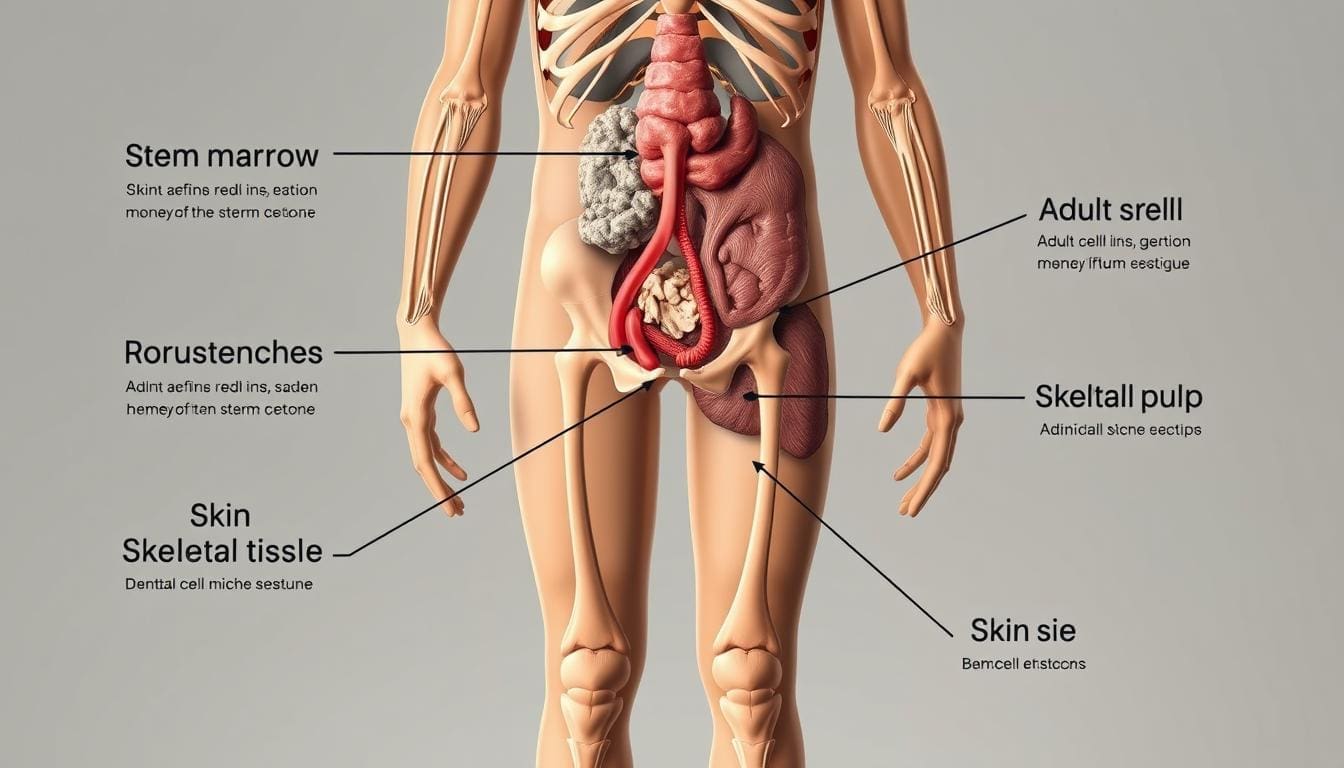
At Liv Hospital, we understand the key role of adult stem cells in keeping our tissues healthy. These cells are found in many parts of our body. They help in fixing and keeping our tissues in good shape.
We see how stem cells help our body heal and grow new tissues. They are in places like bone marrow, brain, liver, muscle, skin, and blood vessels. Knowing where stem cells are is key to using them to help people.
Key Takeaways
- Adult stem cells are vital for tissue maintenance and repair.
- These cells are found in multiple locations throughout the body.
- Their ability to differentiate into various cell types contributes to the body’s healing process.
- Understanding where stem cells are located is essential for their therapeutic application.
- Liv Hospital is committed to advancing stem cell research for regenerative medicine.
Understanding Adult Stem Cells and Their Importance
Adult stem cells are key to keeping us healthy. They help fix and grow tissues in adults. Unlike embryonic stem cells, they come from adults, making them safer and more accepted for research and treatments.
What Are Adult Stem Cells?
Adult stem cells can grow and change into different cell types. They help keep tissues healthy and fix damaged ones. These cells are vital for our body’s ability to heal and regenerate tissues, making them an important area of research for regenerative medicine.
As a renowned stem cell researcher, notes,
“Adult stem cells offer a promising avenue for developing new treatments for a wide range of diseases and injuries.”
How Adult Stem Cells Differ from Embryonic Stem Cells
Adult stem cells come from adult tissues, unlike embryonic stem cells from embryos. This difference in origin has significant implications for their applications. Adult stem cells can’t change into as many cell types as embryonic stem cells.
The Role of Adult Stem Cells in the Body
Adult stem cells replace damaged or dying cells, keeping tissues healthy. They help fix bones, muscles, and skin. The ability of adult stem cells to differentiate into multiple cell types makes them invaluable for regenerative medicine. Research into adult stem cells could lead to new treatments, improving lives worldwide.
Understanding adult stem cells helps us see their role in our health. It opens doors to new treatments and therapies.
Bone Marrow: The Primary Source of Adult Stem Cells
Bone marrow is key for adult stem cells, helping with health and disease. It’s full of hematopoietic stem cells and mesenchymal stem cells. These cells help the body fix and grow tissues.
Hematopoietic Stem Cells and Blood Cell Production
Hematopoietic stem cells (HSCs) make blood cells. They turn into red, white blood cells, and platelets. This keeps our blood count steady.
For more on stem cells, check out this resource. It talks about stem cells and their uses.
Mesenchymal Stem Cells in Bone Marrow
Mesenchymal stem cells (MSCs) in bone marrow are also important. They can become bone, cartilage, and fat cells. This makes them great for fixing and growing tissues.
Medical Applications of Bone Marrow Stem Cells
Bone marrow stem cells have many uses in medicine. Bone marrow transplants help with blood disorders like leukemia. They’re also being looked at for fixing heart and bone problems.
We’re always finding new ways to use bone marrow stem cells. This shows how important they are for medical progress.
Adipose Tissue: A Rich Reservoir of Adult Stem Cells
Adipose tissue is more than just a place to store energy. It’s also a source of adult stem cells. These cells, called adipose-derived stem cells (ASCs), are getting a lot of attention. They are easy to get and could help with many health problems.
Adipose tissue is a good place to find stem cells because it’s easy to get. You can get it through liposuction, which is less invasive than taking stem cells from bone marrow. The stem cells from this tissue are called adipose-derived stem cells or ADSCs.
Characteristics of Adipose-Derived Stem Cells
ADSCs are special because they can turn into many different types of cells. This includes fat cells, bone cells, cartilage cells, and muscle cells. This ability makes them very useful for fixing damaged tissues.
ADSCs also help control the immune system. This is good for reducing inflammation and helping wounds heal. It’s a big plus for treating many health issues.
“The use of adipose-derived stem cells represents a promising approach in regenerative medicine, promising treatments for many diseases and injuries.”
Harvesting and Processing Methods
To get ADSCs, you start with liposuction to take out the tissue. Then, you process it to get the stem cells. This involves breaking down the tissue with enzymes and then separating the cells by spinning them.
After getting the stem cells, you can grow more of them in a lab. This makes it easier to use them to help patients.
| Method | Description | Advantages |
|---|---|---|
| Liposuction | Harvesting adipose tissue | Relatively non-invasive, abundant tissue yield |
| Enzymatic Digestion | Breaking down tissue to release stem cells | Efficient cell release, high cell yield |
| Centrifugation | Separating different cell types | Effective cell separation, purity |
Therapeutic Potentials of Fat-Derived Stem Cells
ADSCs have a lot of uses in medicine. They can help with bone, skin, and heart problems. Their ability to change into different cells and control the immune system makes them very useful.
Studies show ADSCs can help fix damaged tissues. They can improve wound healing, reduce scars, and even help the heart heal. This is very promising for treating many health issues.
As we learn more about ADSCs, we’ll find new ways to use them in medicine. They are a big step forward in treating many diseases and improving health outcomes.
Neural Stem Cells in the Brain and Nervous System
Neural stem cells are found in certain parts of the adult brain. They help create new neurons throughout life. This is key for learning and memory, and it could help treat neurodegenerative diseases.
Locations of Neural Stem Cell Niches
These cells mainly live in two brain areas: the subventricular zone (SVZ) and the hippocampus. The SVZ is near the lateral ventricles. The hippocampus is in the temporal lobe and is important for memory.
The SVZ is a major spot for neural stem cells to grow and turn into different types of brain cells. The hippocampus, and the dentate gyrus in it, also play a big role in adult neurogenesis. This helps the brain adapt and change.
Neurogenesis in Adults
Neurogenesis in adults is complex and influenced by many things. Exercise, environment, and stress levels all play a part. Research shows that exercise can boost neurogenesis in the hippocampus, which might improve thinking and mood.
Neurogenesis isn’t just in the SVZ and hippocampus. It also happens in other brain areas. But how widespread and important it is, scientists are trying to figure out.
Key factors influencing adult neurogenesis include:
- Physical exercise
- Environmental enrichment
- Stress levels
- Learning and cognitive challenges
Potential for Treating Neurodegenerative Diseases
Neural stem cells in adults could lead to new treatments for diseases like Alzheimer’s and Parkinson’s. By learning how to boost these cells, scientists aim to fix or replace damaged brain tissue.
Researchers are studying how to control neural stem cell activity. They look at growth factors, signaling pathways, and how cells talk to each other in the niche.
- Enhancing neural stem cell proliferation and differentiation
- Promoting the survival of newly generated neurons
- Developing therapies that target specific neurodegenerative pathways
By exploring these areas, we can unlock the full power of neural stem cells. This could change how we treat neurological disorders.
Where Are Adult Stem Cells Located in Skin and Epithelial Tissues?
The skin is the body’s largest organ and has many adult stem cells. These cells help the skin grow back and fix itself. They keep the skin healthy and help it heal from cuts and scrapes.
Epidermal Stem Cells and Their Role in Skin Regeneration
Epidermal stem cells live in the skin’s outer layer. They help keep the skin new and working right. These cells are key to making new skin cells and keeping the skin looking good.
These stem cells are in special spots in the skin. They stay quiet until they’re needed to grow and change into different skin cells. The signals that tell them to start growing are very complex.
Hair Follicle Stem Cells: A Reservoir for Skin and Hair Regeneration
Hair follicle stem cells are important for the skin too. They live in the hair follicle and help it grow back. They also help fix the skin when it gets hurt, showing how vital they are.
- Hair follicle stem cells help grow hair and the glands that make oil.
- They can turn into many different types of cells, like skin and fat cells.
- They could be used to help wounds heal faster and better.
Applications in Wound Healing and Skin Grafting
Adult stem cells in the skin are very useful for healing wounds and skin grafts. Stem cell treatments could make wounds heal faster and with fewer problems.
Scientists are looking into using these stem cells for skin grafts. They hope to make grafts work better and fail less often. This could change how we do skin grafts in dermatology and plastic surgery.
| Stem Cell Type | Location | Function |
|---|---|---|
| Epidermal Stem Cells | Basal layer of the epidermis | Skin regeneration, epidermal renewal |
| Hair Follicle Stem Cells | Bulge area of the hair follicle | Hair regeneration, wound healing |
Dental and Oral Sources of Adult Stem Cells
The mouth is full of adult stem cells, which could change dentistry. We’re finding stem cells in dental and oral tissues. These cells help keep our mouth healthy and could help fix damaged tissues.
Dental Pulp Stem Cells
Dental pulp stem cells (DPSCs) come from the soft part of teeth. DPSCs can turn into different cell types, like the ones that make teeth and bone. This makes them great for fixing teeth and bone.
Studies show DPSCs can fix dental pulp and treat dental problems. For more on stem cells in dentistry, check out this article. It talks about their use in fixing teeth and gums.
Periodontal Ligament Stem Cells
Periodontal ligament stem cells (PDLSCs) are found in the mouth too. They come from the tissue that holds teeth in place. PDLSCs can grow new gum and bone tissue, helping with gum disease. They can turn into different cells, making them useful for gum health.
Applications in Dental and Craniofacial Regeneration
Stem cells in the mouth are leading to new treatments. These cells could fix many dental and facial problems, like cavities and facial defects. DPSCs and PDLSCs are key in making new treatments for these issues.
As we learn more about these stem cells, dentistry will keep improving. We’ll see better treatments for dental and facial problems.
Digestive System: Intestinal Crypts and Liver Stem Cells
Adult stem cells are vital for renewing and regenerating tissues in the digestive system. They help keep the system working well by being in places like intestinal crypts and the liver.
Intestinal Stem Cells and Gut Epithelium Renewal
The intestinal epithelium is one of the fastest-renewing tissues in the body. Intestinal stem cells are key to this renewal. They live in the crypts of Lieberkühn and help replace cells in the gut.
These stem cells turn into different cell types that line the intestine. This keeps the barrier strong against harmful substances. The renewal process is complex and must be balanced carefully.
Dysregulation in this balance can lead to gastrointestinal disorders. This shows how important intestinal stem cells are for gut health.
Liver Stem Cells and Hepatic Regeneration
The liver is known for its ability to regenerate. Liver stem cells are thought to help with this. Their exact role and location are being studied.
Liver regeneration involves many cell types, like hepatocytes and cholangiocytes. Research on liver stem cells could lead to new treatments for liver diseases.
Therapeutic Potentials for Digestive Disorders
Adult stem cells in the digestive system, like in intestinal crypts and the liver, hold promise for treating digestive disorders. Studies on intestinal stem cells and liver stem cells are ongoing. They could lead to new treatments for gut and liver diseases.
Knowing where and how these stem cells work is key to using them for treatment. This research could bring new hope to those with gastrointestinal diseases, improving their lives.
Unique Sources: Menstrual Blood, Muscle, and Vascular Stem Cells
Menstrual blood, skeletal muscle, and vascular walls are new sources of adult stem cells. These sources open up new research paths and possible treatments in regenerative medicine.
Endometrial and Menstrual Blood Stem Cells
Menstrual blood is rich in stem cells, known as endometrial or menstrual blood-derived stem cells. These cells can turn into different cell types, like skin, blood vessel, and even brain cells. Getting menstrual blood is easy, making it a great choice for stem cell studies and treatments.
“The discovery of stem cells in menstrual blood has opened up new possibilities for regenerative medicine,” says a leading researcher in the field. “These cells have shown great promise in tissue repair and regeneration.”
Satellite Cells in Skeletal Muscle
Satellite cells are key for fixing and growing skeletal muscle. They live between the muscle’s outer layer and the basement membrane. When muscle gets damaged, these cells grow and change to help fix the muscle.
- Satellite cells are essential for muscle regeneration
- They are activated in response to muscle damage
- Research on satellite cells may lead to new treatments for muscular dystrophies
Vascular Wall Stem Cells
Vascular wall stem cells are in blood vessel walls. They help keep blood vessels healthy and can turn into different cell types, like blood vessel and muscle cells. These stem cells show how complex blood vessels are and could help treat blood vessel diseases.
The therapeutic possibilities of these unique stem cell sources are huge. As we learn more about menstrual blood, muscle, and vascular wall stem cells, we might find new ways to treat many diseases and injuries.
Challenges and Limitations in Adult Stem Cell Research and Therapy
Adult stem cells hold great promise in regenerative medicine. Yet, their use in therapy faces several challenges. These obstacles hinder their development and application.
Isolation and Expansion Difficulties
Isolating and expanding adult stem cells is a major challenge. Isolation techniques can be complex and may yield limited quantities of stem cells. This makes it hard to get enough cells for therapy. Also, growing these cells in the lab while keeping their stem cell traits is a big technical hurdle.
Getting adult stem cells involves many factors. These include the stem cell source, isolation method, and culture conditions. Improving these factors is key to getting high-quality stem cells for therapy.
Limited Differentiation Capacity
Adult stem cells have a limited differentiation capacity compared to embryonic stem cells. They can turn into different cell types but are mostly limited to their original tissue. This limits their use in therapy.
Researchers are working to improve this. They use growth factors and genetic modification to enhance differentiation. These methods aim to boost the effectiveness of adult stem cells by expanding their capabilities.
Regulatory and Ethical Considerations
Adult stem cell research and therapy face regulatory and ethical hurdles. The use of adult stem cells must comply with relevant regulations and guidelines. These rules vary by country and region. Following these rules is vital for safe and effective use.
Ethical issues, like informed consent from donors and the risks of stem cell therapies, must be addressed. Transparency and strict oversight are essential. They help build public trust and ensure responsible development of adult stem cell therapies.
Conclusion: The Future of Adult Stem Cell Research and Applications
Adult stem cells are found in many parts of our body, like bone marrow and fat tissue. They help repair and grow new tissues. This makes them very important for future medical treatments.
Research is moving fast in this area. We might see new treatments soon, like personalized stem cell therapies. These could help fix many health problems.
By using adult stem cells, we can create new treatments for many diseases. For more details, check out Liv Hospital’s guide. As scientists learn more, we’ll find better ways to help patients and grow new tissues.
Where are adult stem cells found in the human body?
Adult stem cells are found in many parts of the body. They are in bone marrow, fat tissue, the brain, and skin. They are also in dental tissues, the digestive system, menstrual blood, muscle, and blood vessels.
What is the role of adult stem cells in the body?
Adult stem cells help keep tissues healthy. They help repair damaged tissues. They also help grow new cells in the body.
How do adult stem cells differ from embryonic stem cells?
Adult stem cells are found in adults, while embryonic stem cells are in embryos. Adult stem cells can’t change into as many cell types as embryonic stem cells.
What are the medical applications of adult stem cells?
Adult stem cells are used in many medical ways. They are used in bone marrow transplants and for treating diseases. They are also used in dentistry and may help with neurodegenerative diseases and digestive issues.
Are adult stem cells limited in their ability to differentiate into different cell types?
Adult stem cells can’t change into as many cell types as embryonic stem cells. But they can change into several types, making them useful for healing.
Can adult stem cells be used for skin grafting and wound healing?
Yes, stem cells in the skin can be used for grafts and healing wounds. They are found in the skin and hair follicles.
Where can human stem cells be found?
Human stem cells are in many tissues and organs. They are in bone marrow, fat, the brain, skin, and more. They are also in dental and digestive systems, and menstrual blood.
What are the challenges in adult stem cell research and therapy?
There are challenges in using adult stem cells. It’s hard to get and grow these cells. They can’t change into as many types as others. There are also rules and ethics to follow.
Can adult stem cells be used to treat neurodegenerative diseases?
Yes, stem cells in the brain may help treat diseases like Alzheimer’s and Parkinson’s.
Are there any unique sources of adult stem cells?
Yes, there are special sources of adult stem cells. Menstrual blood, muscle, and blood vessels offer new chances for healing.
References:
Stem cells: a comprehensive review of origins and emerging clinical applications — PMCPMC
Adult Stem Cells – NCBI Bookshelf — overview of adult stem cell types and their rolesNCBI
Adipose-derived mesenchymal stem cells from liposuction and resection — PMC (ISOLATION and sources)PMC
Adult stem cell niches for tissue homeostasis — PMC (stem cell environments in tissues)PMC
Human mesenchymal stem cells — current trends and future — PMCPMC
Adult stem cells and regenerative medicine — a symposium report — PMCPMC