
Managing chronic kidney disease (CKD) means watching what you eat closely. This is true for minerals like potassium. People with CKD often find it hard to pick breakfast cereals that are safe for them.
Choosing the right breakfast cereal is key for those with kidney disease. Look for cereals that are low in potassium, phosphorus, and sodium. At Liv Hospital, we help guide you through making good food choices for CKD.
We’ll look at the best low potassium cereals for CKD patients. These cereals are safe and nutritious for breakfast. Our guide focuses on cereals that are low in potassium, phosphorus, and sodium.
Key Takeaways
- Low potassium cereals are essential for CKD patients.
- Managing mineral intake is key for kidney health.
- Cereals low in phosphorus and sodium are recommended.
- Making smart food choices can help manage CKD well.
- Breakfast cereals can be a tough but doable choice.
Managing Potassium and Other Nutrients with Kidney Disease

Managing potassium levels is key for those with chronic kidney disease (CKD). When kidneys fail, they can’t filter out excess potassium. This can lead to dangerous levels in the blood.
High potassium, or hyperkalemia, can harm the heart. It can cause arrhythmias and even heart attacks. So, it’s important for CKD patients to know how to control their potassium intake.
Why Potassium Restriction Matters for CKD Patients
Potassium restriction is vital for CKD patients. It helps avoid heart problems linked to high potassium. By eating less potassium, patients can lower their heart risk.
Key Considerations for Potassium Management:
- Monitor potassium levels regularly
- Avoid high-potassium foods like bananas and avocados
- Choose low-potassium alternatives for common foods
Managing other nutrients is also important for CKD patients.
Other Important Nutritional Considerations
CKD patients must watch their phosphorus and sodium intake too. Foods with phosphorus additives can be a problem. They are easily absorbed, which can raise phosphorus levels.
Phosphorus and Sodium Management:
| Nutrient | Common Sources | Management Tips |
| Phosphorus | Processed foods, dairy products | Read labels carefully, choose phosphorus-free alternatives |
| Sodium | Canned goods, processed meats | Opt for low-sodium options, season with herbs instead of salt |
Managing these nutrients well needs a full diet and nutrition plan. By staying informed and proactive, CKD patients can manage their condition better. This improves their health overall.
Raisin Bran and Kidneys: 5 Better Cereal Alternatives
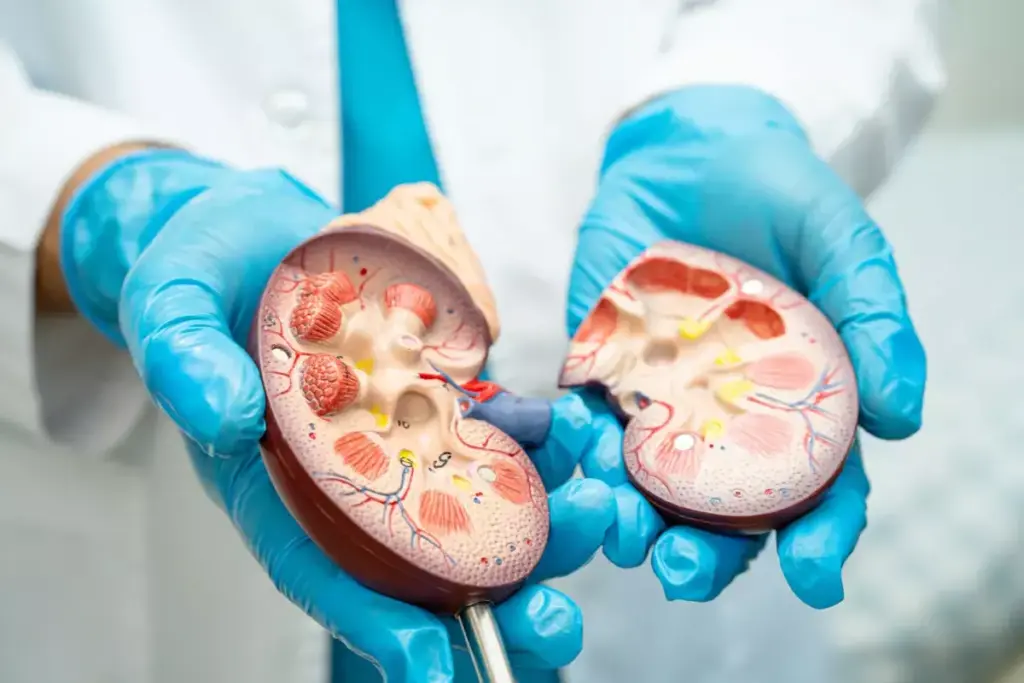
For those with kidney disease, picking a breakfast cereal can be hard. This is because many, like Raisin Bran, have too much potassium. But, there are better choices that fit a kidney-friendly diet.
Managing kidney disease means being careful with what we eat. Breakfast cereals are tricky because they often have a lot of potassium and phosphorus. We’ll look at five cereals that are better than Raisin Bran. They have less potassium and other minerals, which is good for those with kidney disease.
Rice Krispies: A Kidney-Friendly Option
Rice Krispies is made from rice, which is low in potassium and phosphorus. This makes it a good choice for people with kidney disease. Rice Krispies is also easy to fit into a kidney-friendly diet. It can be enjoyed with different low-potassium milks.
Special K Original: Low Potassium Breakfast Choice
Special K Original is great for those with kidney disease. It’s low in potassium and offers balanced nutrition. Special K Original is versatile. It can be eaten as is, or used as a topping for yogurt or oatmeal.
Corn Pops: Sweet Option with Low Mineral Content
Corn Pops is a sweet cereal that’s low in minerals like potassium and phosphorus. Its low mineral content makes it a good choice for kidney diets. We like that Corn Pops is a sweet option that doesn’t break dietary rules for kidney disease.
Cream of Wheat: Warm Alternative for Kidney Patients
Cream of Wheat is a warm, comforting breakfast that’s easy on the kidneys. It has less potassium than many cold cereals, making it a good choice for those with kidney disease. Cream of Wheat is a soothing breakfast on a cold morning, starting the day off right.
In summary, while Raisin Bran is not good for kidney disease because of its potassium, there are better cereals. Rice Krispies, Special K Original, Corn Pops, and Cream of Wheat are all good choices. They have less potassium and other minerals.
Here are some key benefits of these cereals:
- Low in potassium and phosphorus
- Provide balanced nutrition
- Versatile for different breakfast preferences
- Gentle on the kidneys
Conclusion
Managing kidney disease well means planning your diet carefully, including breakfast cereals. We found several cereals that are good for your kidneys and taste great.
It’s key to pick cereals low in potassium, like Rice Krispies and Special K Original. Corn Pops and Cream of Wheat are also good choices. These cereals have less potassium, phosphorus, and sodium, which is good for your kidneys.
Adding these cereals to your breakfast can help those with CKD. It’s important to eat a diet that supports your health and well-being.
Choosing the right foods, like the right cereals, is important for managing CKD. It helps keep your kidneys healthy and improves your life quality.
FAQ
What are the best low potassium cereals for CKD patients?
Low-potassium options include plain rice cereal, cornflakes, puffed rice, and unsweetened shredded wheat (small portions).
Choose cereals with no added potassium ingredients and check labels carefully.
Why is potassium restriction important for CKD patients?
Damaged kidneys cannot remove excess potassium efficiently from the blood.
High potassium (hyperkalemia) can cause dangerous heart rhythm problems.
Are there any cereals that are low in phosphorus and sodium as well?
Yes, plain cereals like puffed rice and cornflakes are often low in potassium, phosphorus, and sodium.
Avoid cereals with phosphate additives, bran, nuts, seeds, or high salt content.
Is Raisin Bran a suitable cereal for CKD patients?
Raisin Bran is generally not ideal because raisins are high in potassium and bran contains more phosphorus.
It may need to be limited or avoided, especially in moderate to advanced CKD.
How can I manage sodium intake with breakfast cereals?
Select cereals labeled “low sodium” and avoid adding salted toppings.
Pair with fresh fruits (low-potassium options) instead of processed add-ons.
What are some other nutritional considerations for CKD patients beyond potassium?
Monitor phosphorus, sodium, and protein intake based on disease stage and lab values.
Adequate calories, controlled fluid intake, and heart-healthy fats are also important.
Can I have a varied breakfast with kidney disease?
Yes, variety is possible with portion control and proper food selection.
Mix cereals, toast, eggs (as allowed), and low-potassium fruits for balance.
Are there any warm breakfast alternatives for CKD patients?
Cream of rice, cream of wheat (small portions), or plain oatmeal in moderation are good options.
You can also try scrambled egg whites with toast or low-potassium fruit on the side.
Reference
National Center for Biotechnology Information. Evidence-Based Medical Insight. Retrieved from https://pmc.ncbi.nlm.nih.gov/articles/PMC7406842/