
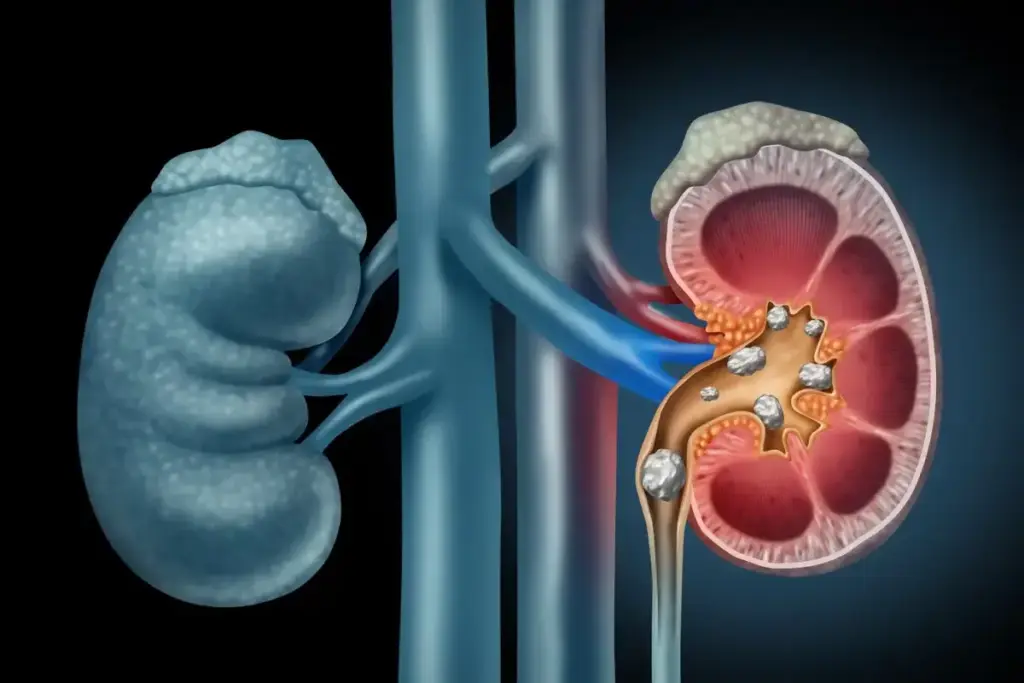
ChronicKidney Disease (CKD) is a slow loss of kidney function over time. It often goes unnoticed until it reaches advanced stages. Knowing the five stages of CKD through eGFR measurements is key for early detection and stopping kidney failure. At Liv Hospital, we offer top-notch nephrology care and focus on our patients’ needs to help them understand their kidney health.
CKD is marked by kidney damage or an eGFR of less than 60 mL/min/1.73 m², lasting for 3 months or more. We’ll cover the five stages of CKD, based on eGFR levels, and why it’s vital to grasp kidney disease progression.
Key Takeaways
- CKD is a gradual loss of kidney function over time.
- Understanding eGFR levels is key for CKD diagnosis.
- The five stages of CKD range from normal function with damage to kidney failure.
- Liv Hospital offers top-notch nephrology care and patient-focused care.
- Early detection is key to preventing kidney failure.
Understanding the Difference Between Renal Failure and Kidney Disease

Knowing the difference between renal failure and kidney disease is key. It affects how we treat patients and their outcomes. Both conditions impact the kidneys, but they are at different stages and aspects of health.
What is Chronic Kidney Disease (CKD)?
Chronic Kidney Disease (CKD) covers many stages of kidney damage or function loss. It’s diagnosed when the kidney function is low for three months or more. This includes proteinuria or structural kidney issues.
CKD stages range from mild damage to kidney failure. Knowing about CKD helps in early treatment and slowing disease progress.
What is Renal Failure or End-Stage Kidney Disease?
Renal failure, or End-Stage Kidney Disease (ESKD), happens when kidneys lose 85% to 90% of function. At this point, kidneys can’t remove waste, and dialysis or kidney transplant is needed to keep a person alive.
Renal failure is the last stage of CKD, where kidney function is badly damaged. It’s important to tell CKD and renal failure apart. CKD can be managed, but renal failure needs more serious treatments.
Key differences between CKD and renal failure include:
- The extent of kidney function loss
- The presence of symptoms and complications
- The need for renal replacement therapy
A leading nephrology expert says, “The difference between CKD and renal failure is not just words. It’s very important for patient care and outcomes.”
“The goal of CKD management is to slow disease progression and prevent complications, whereas the management of renal failure focuses on replacing kidney function through dialysis or transplantation.”
It’s critical for healthcare providers to understand these differences. Patients also need the right support and treatment.
Glomerular Filtration Rate (GFR): The Key Indicator of Kidney Function
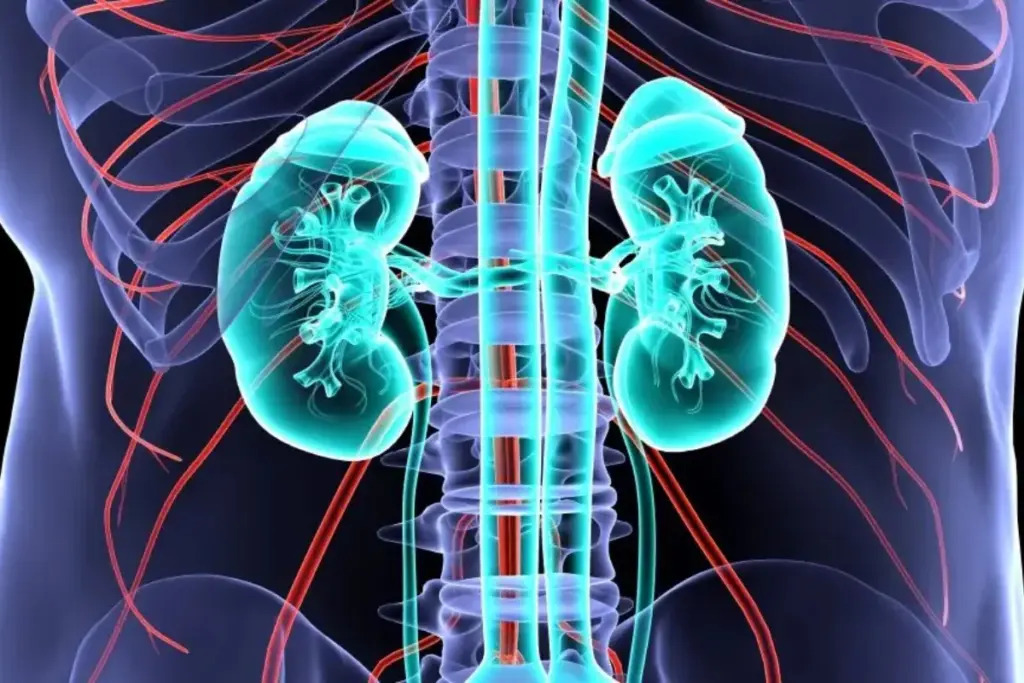
The Glomerular Filtration Rate (GFR) shows how well kidneys filter waste from blood. It’s a key metric for doctors to check kidney function.
What is eGFR and How is it Measured?
Estimated Glomerular Filtration Rate (eGFR) is a calculation based on creatinine level, age, sex, and race. It estimates kidney filtering ability. eGFR is a vital tool for diagnosing and staging Chronic Kidney Disease (CKD), as well as monitoring its progression.
To measure eGFR, healthcare providers use a blood test for creatinine levels. Creatinine is a waste product from muscle wear and tear. The eGFR calculation considers several factors, including:
- Creatinine level
- Age
- Sex
- Race
A normal eGFR is 90 or above, showing healthy kidney function. Lower eGFR levels mean reduced kidney function, with CKD stages based on eGFR ranges.
How GFR Determines CKD Staging
GFR is key for CKD staging. Stages range from 1 to 5, with Stage 1 showing normal function with damage signs and Stage 5 showing severe damage or failure.
The stages of CKD based on eGFR levels are as follows:
- Stage 1: eGFR 90+, kidney damage with normal function
- Stage 2: eGFR 60-89, mild decrease in kidney function
- Stage 3: eGFR 30-59, moderate decrease in kidney function
- Stage 4: eGFR 15-29, severe decrease in kidney function
- Stage 5: eGFR
For example, a gfr 32 ckd stage means Stage 3 CKD, showing a moderate decrease in function. A gfr 44 ckd stage is Stage 3A, showing the need for precise eGFR measurements in managing CKD.
Understanding the link between gfr and stages of kidney disease is key for managing the disease. By tracking eGFR, doctors can monitor CKD progression and take action.
The role of creatinine and kidney disease stages is also important. Creatinine levels are a key factor in eGFR calculation. So, managing creatinine levels is vital in slowing kidney disease progression.
The 5 Stages of Chronic Kidney Disease Explained
CKD is divided into five stages based on kidney function. This is measured by the estimated Glomerular Filtration Rate (eGFR). Knowing these stages is key to managing the disease and slowing its progress.
Stage 1: Normal Kidney Function with Signs of Damage (eGFR 90+)
In Stage 1, kidneys work fine but show signs of damage. Early detection and management are vital to stop further harm. Many patients don’t show symptoms, so regular check-ups are essential.
Stage 2: Mild Decrease in Kidney Function (eGFR 60-89)
Stage 2 shows a mild drop in kidney function with damage signs. Monitoring and lifestyle changes are key to slowing the disease. Some might feel tired or have swelling, but many don’t show symptoms.
Stage 3: Moderate Kidney Damage
Stage 3 is split into 3a (eGFR 45-59) and 3b (eGFR 30-44). Kidney damage is moderate, raising the risk of complications. Management strategies include controlling blood pressure and managing diabetes. Symptoms like anemia and bone disease become more common.
CKD 3a vs 3b: Understanding the Difference
The difference between Stage 3a and 3b is important for treatment. Stage 3b shows more kidney function loss, needing more intense management.
Stage 4: Severe Kidney Damage (eGFR 15-29)
In Stage 4, kidney damage is severe, and kidney failure is near. Preparation for renal replacement therapy, like dialysis or transplant, is critical. Symptoms include electrolyte imbalances and fluid retention.
Understanding CKD stages helps patients and doctors make better care choices. Recognizing each stage’s symptoms and characteristics helps us tackle CKD’s challenges.
Conclusion: Managing CKD and Preventing Disease Progression
Knowing the stages of chronic kidney disease (CKD) is key to managing it well. The chronic kidney disease staging chart shows how severe CKD is by looking at the glomerular filtration rate (GFR).
CKD has 5 stages, based on kidney damage and GFR levels. Knowing these stages helps both patients and doctors take the right steps. This slows down the disease and keeps quality of life high.
Spotting CKD early and managing it well can really help. Making lifestyle changes, taking medicine, and keeping an eye on things are all important. Understanding the GFR stages helps patients manage their disease better and avoid serious problems.
It’s important to keep an eye on things and be proactive about care. Working with doctors, patients can slow down the disease. This helps keep their health in good shape.
FAQ:
What are the 5 stages of Chronic Kidney Disease (CKD)?
CKD has five stages based on kidney function. This ranges from normal function with damage (Stage 1) to complete failure (Stage 5).
What is the difference between CKD and renal failure?
CKD is a term for various stages of kidney damage or function loss. Renal failure is when kidneys can’t work well anymore.
How is eGFR used in assessing kidney function?
eGFR uses a formula with creatinine level, age, sex, and race. It’s key for diagnosing and tracking CKD.
What are the characteristics and symptoms of Stage 3 CKD?
Stage 3 CKD has moderate damage. Symptoms include fatigue, swelling, and changes in urination. Treatment includes lifestyle changes and medication.
What is the significance of GFR levels in determining CKD stages?
GFR levels show CKD stage. Lower GFR means more damage. Knowing GFR helps in planning care.
How can patients with CKD slow disease progression?
Patients can slow CKD by making lifestyle changes, following medication, and seeing doctors regularly.
What is the difference between CKD Stage 3a and Stage 3b?
Stage 3 CKD has two parts: Stage 3a (eGFR 45-59) and Stage 3b (eGFR 30-44). Stage 3b is more severe.
What are the symptoms of CKD by stage?
Symptoms vary by stage. Early stages might not show symptoms. Later stages include fatigue, swelling, and urination changes.
How is CKD staging used in patient care?
Staging helps plan care and slow disease. It also tracks kidney function over time
Reference:
https://www.ncbi.nlm.nih.gov/books/NBK535404