
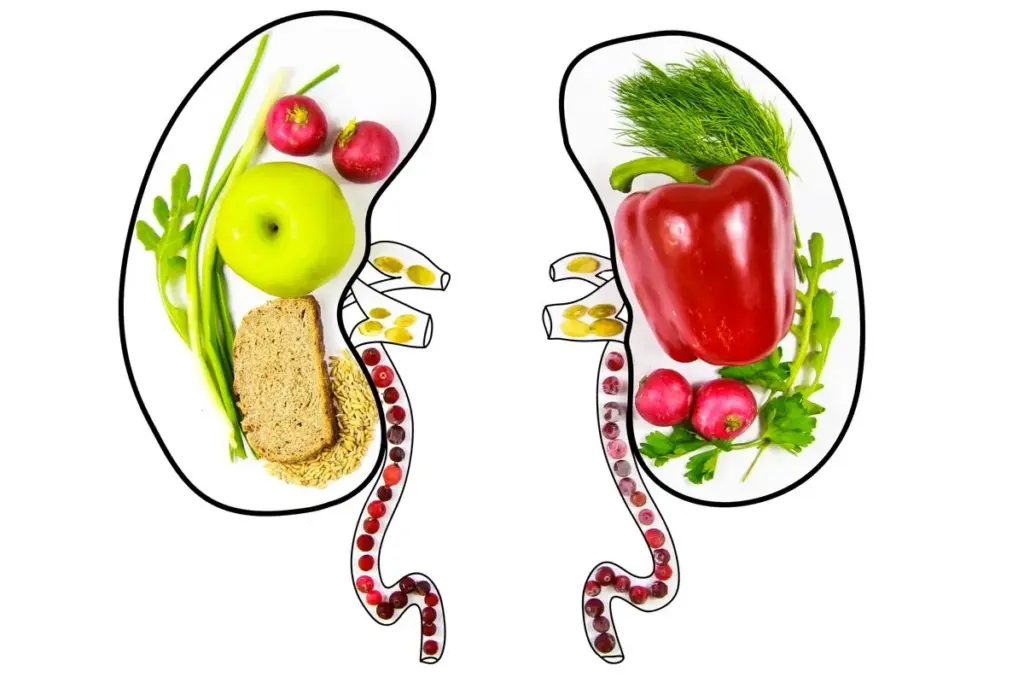
Managing kidney disease means watching what you eat closely. The National Institute of Diabetes and Digestive and Kidney Diseases says kidney disease happens when kidneys can’t filter blood well because of damage.
Diet is very important for keeping kidneys healthy. Many think peanut butter is off-limits for kidney issues. But, new studies show it can be okay in small amounts for those with kidney problems.
We’ll look at foods that help kidneys and those that harm them. We’ll see why top kidney centers say peanut butter is kidney-friendly. We’ll also talk about important foods to cut out of your diet.
Key Takeaways
- Peanut butter can be safely included in a renal diet when portioned correctly.
- Certain foods can significantly impact kidney health.
- Dietary management is key to avoiding kidney disease complications.
- Leading nephrology centers suggest specific diet changes.
- Knowing which foods to avoid is essential for managing kidney disease.
Understanding Kidney Disease and Dietary Management
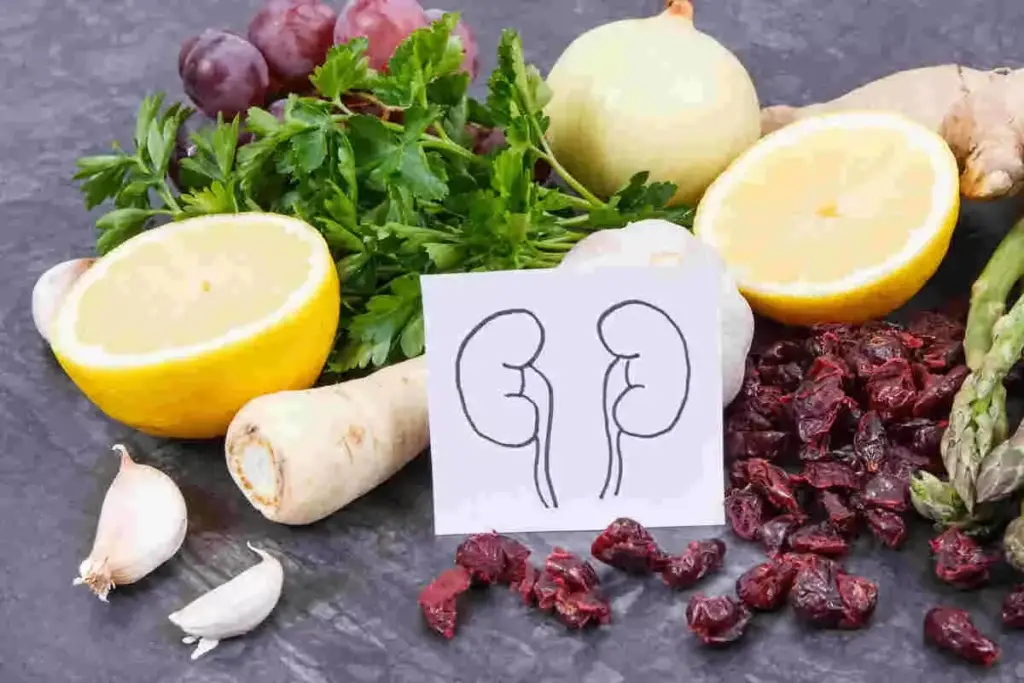
Kidney disease changes how we need to eat. It messes with how our body handles nutrients. This is because our kidneys aren’t working right.
How Kidney Disease Affects Nutritional Requirements
Kidney disease can make our bodies hold onto toxins. This harms our health and how we get nutrients. So, people with kidney disease often need to change their diet.
For more info, check out DaVita’s kidney diet tips. They explain how foods like peanut butter fit into a kidney-friendly diet.
Critical Nutrients to Monitor: Sodium, Potassium, and Phosphorus
People with kidney disease should watch their sodium, potassium, and phosphorus intake. Too much of these can cause problems like fluid buildup, heart issues, and bone disease.
| Nutrient | Role in Body | Impact of Excessive Intake in Kidney Disease |
| Sodium | Regulates fluid balance | Can cause fluid buildup and hypertension |
| Potassium | Essential for heart function | Can lead to heart arrhythmias and cardiac arrest |
| Phosphorus | Critical for bone health | Can cause bone disease and cardiovascular complications |
Knowing how kidney disease affects our diet and watching key nutrients helps manage the condition. It can also improve our life quality.
Peanut Butter and Kidney Disease: Separating Fact from Fiction
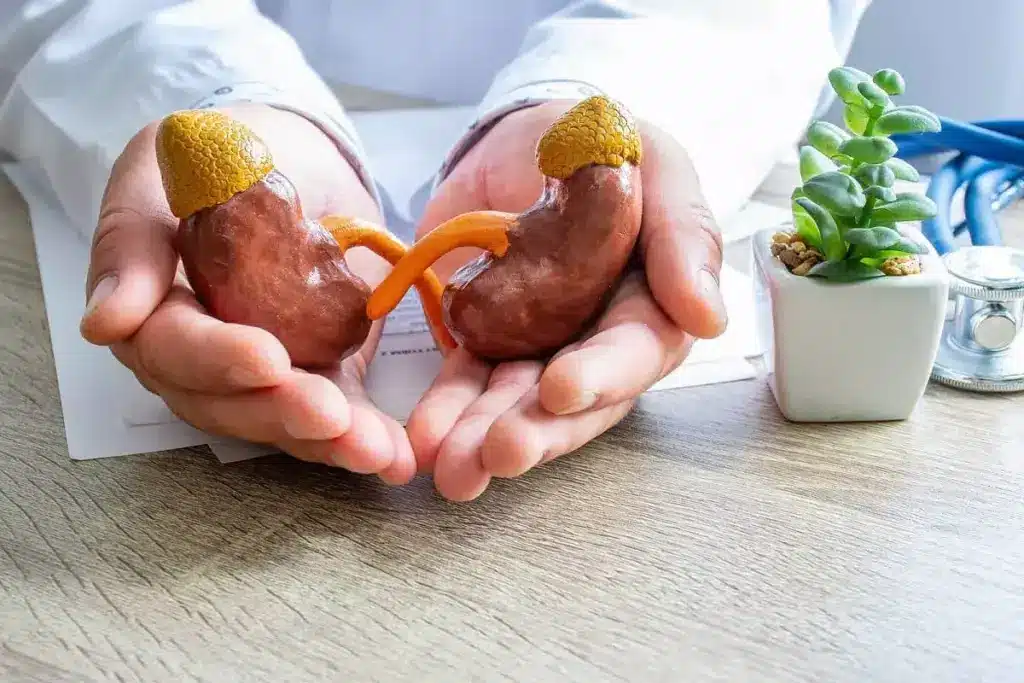
Managing kidney disease means knowing how certain foods like peanut butter affect us. Many wonder if peanut butter is good or bad for those with kidney disease. Let’s look at peanut butter’s nutritional value and how it impacts kidney health.
Nutritional Profile: Calories, Protein, and Potassium Content
Peanut butter is packed with good stuff like healthy fats, protein, and vitamins. A 2-tablespoon serving has about 188-190 calories, 7 grams of protein, and 180-189 mg of potassium. The protein is great, but the potassium is something to watch for kidney disease patients.
Here’s a table to help you understand what’s in peanut butter:
| Nutrient | Amount per 2 tbsp | % Daily Value |
| Calories | 188-190 | 9-10% |
| Protein | 7g | 14% |
| Potassium | 180-189mg | 5-6% |
Oxalate Levels and Kidney Health
Peanut butter has oxalates, which can lead to kidney stones. People with kidney disease should watch their oxalate intake. While peanut butter isn’t the worst offender, it’s best to eat it in small amounts.
Guidelines for Safe Consumption on a Renal Diet
For those with kidney disease, eating peanut butter in small amounts is usually okay. It’s key to keep an eye on potassium intake and balance it with other foods. Opt for unsalted, natural peanut butter to avoid too much sodium.
Selecting Kidney-Friendly Peanut Butter Varieties
Choose peanut butter that’s low in sodium and without added sugars. Natural peanut butter with few ingredients is a good pick. Always check the label to make sure it fits your renal diet.
To wrap it up, peanut butter can be a part of a kidney-friendly diet if eaten wisely. Knowing its nutritional value and watching portion sizes helps those with kidney disease enjoy peanut butter while managing their health.
5 Foods to Strictly Avoid with Kidney Disease
For those with kidney disease, knowing which foods to avoid is key. Some foods can make kidney disease worse because they have too much phosphorus, potassium, sodium, and other nutrients. These can be harmful if eaten too much.
Dark-Colored Sodas: Phosphorus Additives Risk
Dark-colored sodas are bad for kidney disease because they have phosphorus additives. The kidneys have trouble processing phosphorus, and too much can cause heart disease.
It’s best to stay away from dark-colored sodas and drink water or low-phosphorus drinks instead. Always check labels for hidden phosphorus additives in sodas and flavored drinks.
Avocados: Managing Excessive Potassium Content
Avocados are good for you, but they have a lot of potassium. Too much potassium can cause heart problems and other heart issues.
Avocados can be okay in a kidney-friendly diet if eaten in small amounts. It’s important to balance them with foods that have less potassium.
Processed Foods: Hidden Sodium and Phosphates
Processed foods often have a lot of sodium and phosphates. This is bad for people with kidney disease because it can raise blood pressure and hurt the kidneys.
To keep sodium and phosphate levels down, choose whole foods over processed ones. Always check labels for hidden sodium and phosphate additives in packaged foods.
Certain Dairy Products: Phosphorus Concerns
Some dairy products have a lot of phosphorus, which is bad for kidney disease. Too much phosphorus can cause bone and mineral problems.
It’s best to pick dairy products with less phosphorus or go for non-dairy options like almond milk. Watching how much you eat is also important to control phosphorus intake.
Conclusion: Creating a Balanced Kidney-Friendly Diet
Keeping a kidney-friendly diet is key for those with kidney disease. It’s all about balanced nutrition and watching out for sodium, potassium, and phosphorus. A diet like this helps manage the disease and slows it down.
A diet good for the kidneys includes whole foods like fruits, veggies, whole grains, and lean proteins. It’s important to watch how much you eat and avoid foods with too much sodium, potassium, and phosphorus. For those on dialysis, knowing which foods to avoid is critical to avoid problems.
Making smart food choices can help those with kidney disease manage their condition better. We suggest talking to a healthcare provider or a dietitian to create a meal plan that fits your needs and restrictions.
By choosing a balanced diet, you can actively manage kidney disease and stay healthy overall.
FAQ
Is peanut butter bad for kidneys?
Peanut butter can be okay if eaten in small amounts. It has a lot of potassium. So, people with kidney disease should watch how much they eat.
What foods are bad for your kidneys?
Foods with too much sodium, potassium, and phosphorus are bad. Examples include processed foods, dark sodas, avocados, and some dairy products.
Can you eat peanut butter if you have kidney disease?
Yes, but pick a low-sodium, unsalted peanut butter. Eat it in small amounts because of its high potassium.
What are the critical nutrients to monitor for kidney disease?
Watch out for sodium, potassium, and phosphorus. Too much can cause problems for people with kidney disease.
Are avocados bad for kidney disease?
Avocados have a lot of potassium, which is a problem for kidney disease. It’s important to eat them in small amounts and keep an eye on potassium levels.
How can I manage my phosphorus intake with kidney disease?
Eat less of foods high in phosphorus like processed foods and some dairy. Choose low-phosphorus options instead.
Is white meat bad for high creatinine levels?
Eating too much protein, including white meat, can be hard on the kidneys. If you have high creatinine levels, talk to your doctor about what to eat.
Can pineapple be consumed with kidney disease?
Pineapple has low potassium and phosphorus, making it okay for kidney disease. But, eat it in small amounts.
What foods should be avoided on dialysis?
Avoid foods high in sodium, potassium, and phosphorus. This includes processed foods, dark sodas, and some dairy. Eat them in small amounts during dialysis.
How can I create a balanced kidney-friendly diet?
A kidney-friendly diet means watching nutrients, choosing low-sodium and unsalted foods, and eating less of foods high in potassium and phosphorus. Talking to a doctor or dietitian can help make a meal plan just for you.
References
National Center for Biotechnology Information. Evidence-Based Medical Guidance. Retrieved from https://pmc.ncbi.nlm.nih.gov/articles/PMC6855949/[1