

Our bodies keep a tight pH balance between 7.35 and 7.45. This range is key for our cells to work well and get enough oxygen. Even small changes can harm our health. The body uses smart ways to keep this balance, making sure we stay healthy.
Maintain optimal pH levels with our guide to the 5 key acid base balance mechanisms that regulate your body’s pH.
At Liv Hospital, we use the latest science to help our patients. We know how lungs, kidneys, and blood work together. This knowledge helps us see why some people need extra medical care.
The human body is naturally a bit alkaline. This helps with digestion, metabolism, and making hormones. For more on how our body keeps acid-base balance, check out this resource.
Key Takeaways
- The human body maintains a pH between 7.35 and 7.45.
- Multiple regulatory mechanisms preserve this narrow pH range.
- The lungs, kidneys, and blood buffers work together to regulate pH.
- Understanding these mechanisms is key for medical care.
- Specialized medical attention may be needed for those with acid-base imbalances.
The Fundamentals of Acid Base Balance
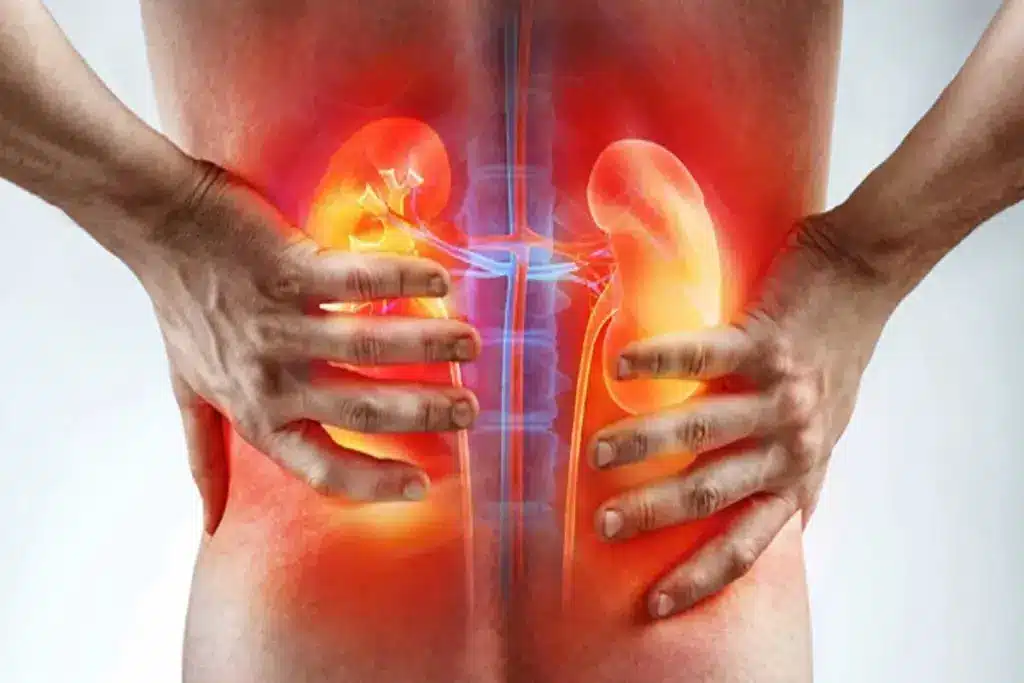
The human body needs a balance between acids and bases to work right. This balance is key for our health. It’s kept by a system that involves many parts.
The Critical pH Range of 7.35-7.45
The body’s acid-base balance is checked by the blood’s pH level. It must stay between 7.35 and 7.45. This range is important because small changes can cause big health problems.
Respiratory acidosis happens when the lungs can’t remove enough carbon dioxide. This makes the blood too acidic. On the other hand, metabolic acidosis is when the body makes too much acid or can’t get rid of it. Knowing the difference between resp acidosis vs metabolic acidosis helps doctors treat acid-base imbalances.
Why pH Balance Is Essential for Cellular Function
Keeping the pH balance is key for cells to work right. Cells need a stable pH to do their jobs, like making proteins. If the pH is off, cells can’t function well, which affects our health.
- Proper enzyme function relies on a stable pH.
- Cell membrane integrity is maintained through pH balance.
- Optimal metabolic processes require a narrow pH range.
Overview of pH Regulation Systems
The body has ways to keep pH balanced. These include chemical buffers, the respiratory system, and the kidneys. Chemical buffers quickly respond to pH changes. The respiratory system controls CO2 levels. The renal system helps by adjusting hydrogen ion and bicarbonate levels.
It’s important to understand how these systems work together. For example, knowing the difference between metabolic vs respiratory compensation shows how complex acid-base regulation is.
5 Key Mechanisms That Regulate Your Body’s pH

The human body keeps its acid-base balance through complex mechanisms. These mechanisms ensure the body’s pH stays between 7.35 and 7.45. This range is vital for cell function and health.
Chemical Buffer Systems: Immediate Response
Chemical buffer systems quickly respond to pH changes. They include bicarbonate, phosphate, and protein buffers. These buffers absorb or release hydrogen ions to prevent big pH swings.
The bicarbonate buffering system is key. It turns strong acids into weaker ones, helping keep acid-base balance.
Respiratory Regulation: CO2 Control
The respiratory system controls CO2 levels to regulate blood pH. High CO2 levels can lower pH, causing respiratory acidosis. Low CO2 levels can raise pH, leading to respiratory alkalosis.
Chemoreceptors in the brain and blood vessels adjust breathing. They do this to keep acid-base balance.
Renal Mechanisms: Long-Term Regulation
The renal system regulates acid-base balance over time. It excretes hydrogen ions and conserves bicarbonate. The kidneys adjust ion levels to keep pH in the normal range.
This process is vital for fixing acid-base imbalances. It helps with conditions like metabolic acidosis or metabolic alkalosis.
Metabolic Compensation Pathways
Metabolic compensation pathways adjust ion levels in the blood. The kidneys control ion excretion and reabsorption. This helps counteract pH changes.
This mechanism works with the respiratory system’s CO2 control. Together, they keep the body’s acid-base balance.
Knowing these 5 key mechanisms is key to understanding acid-base balance. They regulate pH levels, ensuring cells and organs work well. This supports overall health and well-being.
Conclusion: Maintaining Healthy Acid Base Balance
Keeping a healthy acid-base balance is key for our bodies to work right. Our pH level needs to stay between 7.35 and 7.45 for our cells to function best. We’ve talked about how the body keeps this balance through different ways.
These ways include chemical buffers, breathing, kidneys, and how our body adjusts to changes. When our pH gets too far off, these systems kick in to bring it back to normal. For example, if our pH drops, our kidneys help by changing the blood’s ion levels.
Knowing how our body controls pH helps us understand how it keeps us healthy. Staying within the normal pH range helps avoid problems like acidosis and alkalosis. These issues can be very serious.
Managing pH is a critical job that keeps our acid-base balance in check. By learning about how our body regulates pH, we see why it’s so important. It helps us keep our body’s acid-base balance healthy and our values in check.
FAQ
What is the normal pH range for the human body?
The human body naturally keeps a slightly alkaline environment. Its pH is usually between 7.35 and 7.45.
What is acid-base balance, and why is it important?
Acid-base balance is key to keeping the body’s pH in a safe range. It helps with digestion, metabolism, and hormone production.
How do buffer systems work to maintain acid-base balance?
Buffer systems, like chemical buffers, the respiratory system, and the renal system, work together. They keep the body’s pH balanced by controlling hydrogen ions and bicarbonate levels.
What are the five key mechanisms that regulate the body’s pH?
The five main mechanisms are: chemical buffer systems, respiratory regulation, renal mechanisms, metabolic compensation pathways, and the kidneys’ role in adjusting bicarbonate and ion levels.
How do chemical buffer systems respond to pH changes?
Chemical buffer systems, like bicarbonate and carbonic acid buffers, quickly respond to pH changes. They neutralize excess hydrogen or hydroxide ions.
What is the role of the respiratory system in regulating pH?
The respiratory system controls CO2 levels to regulate pH. It adjusts breathing rates in response to blood pH changes, detected by chemoreceptors.
How do the kidneys help maintain acid-base balance?
The kidneys help control acid-base balance by excreting hydrogen ions and generating bicarbonate. This helps keep blood plasma pH within a normal range.
What is the difference between respiratory acidosis and metabolic acidosis?
Respiratory acidosis happens when the lungs can’t remove enough CO2, lowering blood pH. Metabolic acidosis occurs when the body makes too much acid or the kidneys can’t remove enough acid.
What happens if the body’s acid-base balance is disrupted?
Disruptions in acid-base balance can lead to acidosis or alkalosis. These conditions can seriously harm health if not treated.
How do metabolic compensation pathways help maintain acid-base balance?
Metabolic compensation pathways adjust bicarbonate and ion levels to counteract pH changes. This helps maintain acid-base balance.
Why is maintaining a healthy acid-base balance important for overall health?
A healthy acid-base balance is vital for optimal cellular metabolism and oxygen delivery to tissues. It supports overall physiological function