

Early detection of kidney disease is key to effective treatment and better health. Many people with kidney disease don’t know they have it until it’s too late. This is because they don’t show symptoms early on. Blood tests that check kidney function are vital for catching problems before they get worse.
We use several important blood tests to see how well our kidneys work. These include eGFR, creatinine, and BUN. They give us important information about our kidney health and help us spot issues early.
Key Takeaways
- Blood tests are essential for evaluating kidney function and detecting kidney disease early.
- Regular kidney testing is important, even more so for those at higher risk.
- Knowing the key indicators helps people take charge of their kidney health.
- Early detection can greatly improve treatment success and overall health.
- Blood tests like eGFR, creatinine, and BUN offer valuable insights into kidney health.
Understanding Kidney Function Testing
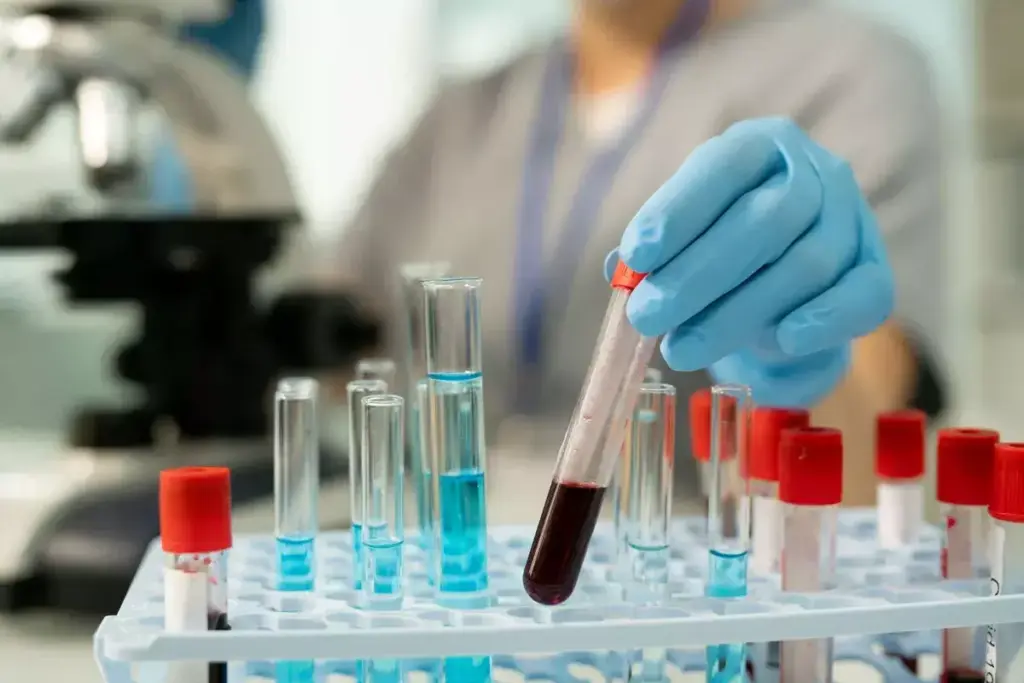
Kidney function tests are very important. They show how well the kidneys filter blood. These tests help doctors find and treat kidney disease early.
Why Kidney Function Testing Matters
Kidney function tests are key because they spot kidney problems early. The estimated Glomerular Filtration Rate (eGFR) test checks how well kidneys filter blood. It uses serum creatinine levels.
This test is essential for knowing kidney health. Doctors say eGFR shows how well kidneys work. It’s based on a blood test, age, and sex.
Early tests help doctors start treatment early. This can stop kidney damage. For more info, visit kidney function page.
When Doctors Order Kidney Blood Tests
Doctors order kidney tests when patients show signs of kidney disease. This includes swelling, fatigue, or changes in urination. They also test people with risk factors like diabetes or high blood pressure.
Knowing what these tests mean helps patients understand their health. For example, the Serum Creatinine Test and Blood Urea Nitrogen (BUN) Test check kidney function. Doctors use these results to manage kidney health.
What Lab Tests Show Kidney Function: The 5 Essential Tests

Several essential blood tests are used to check how well our kidneys work. These tests help doctors find and track kidney disease. They also check the health of our kidneys.
Estimated Glomerular Filtration Rate (eGFR)
The Estimated Glomerular Filtration Rate (eGFR) is a key test. It shows how well our kidneys filter waste from our blood. It’s based on age, sex, and serum creatinine levels.
Normal eGFR values are above 90 mL/min/1.73m. If it’s lower, it might mean kidney disease or poor function.
Serum Creatinine Test
The Serum Creatinine Test checks the creatinine level in our blood. Creatinine comes from muscle breakdown. High levels mean our kidneys might not be working well.
Healthy people usually have serum creatinine levels between 0.6 and 1.2 mg/dL. But, this can change based on age, sex, and muscle mass.
Blood Urea Nitrogen (BUN) Test
The Blood Urea Nitrogen (BUN) Test looks at the urea in our blood. Urea is made in the liver and removed by the kidneys. High BUN levels can mean kidney disease or other issues.
A normal BUN level is usually between 7 and 20 mg/dL. But, this can vary by lab.
Cystatin C Test
The Cystatin C Test helps check kidney function. Cystatin C is made by all cells and removed by the kidneys. It’s useful because it’s less affected by age, sex, and muscle mass than serum creatinine.
| Kidney Function Test | Normal Range | Indications of Abnormal Results |
| eGFR | > 90 mL/min/1.73m | Kidney disease or impaired kidney function |
| Serum Creatinine | 0.6 – 1.2 mg/dL | Declining kidney function |
| BUN | 7 – 20 mg/dL | Kidney disease or other kidney conditions |
| Cystatin C | Varies by lab | Impaired kidney function |
These four tests – eGFR, Serum Creatinine, BUN, and Cystatin C – give a full picture of kidney health. Doctors use these tests to find kidney problems early and start the right treatment.
Conclusion: Interpreting Your Kidney Function Test Results
Understanding your kidney function blood tests is key to managing your kidney health. These tests, like the estimated glomerular filtration rate (eGFR), serum creatinine, and blood urea nitrogen (BUN), give you important insights. They show how well your kidneys are working.
We’ve talked about how these tests help check your kidney health and spot problems early. Knowing your kidney testing levels helps you and your healthcare provider make a plan to protect your kidneys.
It might seem hard to understand your test results, but with help from healthcare pros, you can get it. This knowledge lets you take charge of your kidney health. You can make smart choices about your care.
Getting regular blood tests to check your kidney function is vital for keeping your kidneys healthy. By staying informed and proactive, you can lower the risk of kidney damage and other problems.
FAQ
What blood tests indicate kidney disease?
Tests like eGFR, Serum Creatinine, BUN, and Cystatin C show kidney disease. They check how well the kidneys work and spot problems early.
Which blood test is commonly used to evaluate kidney function?
The eGFR test is often used to check kidney function. It measures how fast the kidneys filter waste from the blood.
What blood test shows kidney disease?
Tests like eGFR, Serum Creatinine, and BUN show kidney disease. They measure waste products in the blood.
What is a kidney blood test called?
Kidney blood tests have specific names. Examples include eGFR, Serum Creatinine, BUN, and Cystatin C tests.
What blood test checks your kidneys?
Tests like eGFR, Serum Creatinine, BUN, and Cystatin C check kidney function. They measure substances in the blood.
What lab tests kidney function?
Tests like eGFR, Serum Creatinine, BUN, and Cystatin C check kidney function. They give insights into kidney health.
What is a kidney function test called?
Kidney function tests have specific names. Examples include eGFR and Serum Creatinine tests, which measure different aspects.
How can you test kidney function?
You can test kidney function with blood tests like eGFR, Serum Creatinine, BUN, and Cystatin C. They provide important information about kidney health.
What blood test measures kidney function?
Tests like eGFR, Serum Creatinine, BUN, and Cystatin C measure kidney function. They assess waste products and other substances in the blood.
References
National Center for Biotechnology Information. Evidence-Based Medical Guidance. Retrieved from https://www.ncbi.nlm.nih.gov/pmc/articles/PMC3868011/[eGFR