
Acute kidney injury (AKI) is a serious condition that can lead to significant morbidity and mortality. Prerenal AKI is one of the most common forms of AKI. It often results from decreased blood flow to the kidneys.
Understanding the causes of prerenal AKI is key for prevention and treatment. At Liv Hospital, we combine international medical expertise with patient-centered care. This ensures quick diagnosis and treatment of prerenal AKI, helping restore kidney function.
We will explore the five primary causes of prerenal AKI. We aim to provide insights into early intervention and prevention of irreversible renal damage.
Key Takeaways
- Prerenal AKI is a common form of acute kidney injury.
- Understanding its causes is critical for effective treatment.
- Liv Hospital offers complete care for prerenal AKI patients.
- Early intervention can prevent irreversible renal damage.
- Restoring kidney function is a primary goal of treatment.
Understanding Prerenal Acute Kidney Injury (Pre AKI)
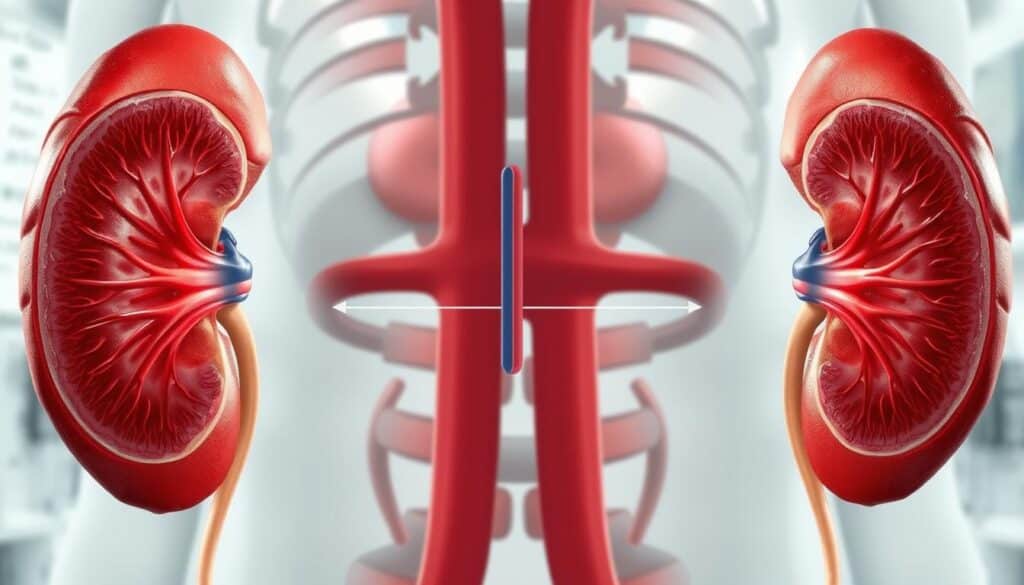
The kidneys are very sensitive to blood flow changes. Prerenal AKI happens when this flow drops a lot. This can be due to dehydration, blood loss, or heart failure. Knowing how prerenal AKI works is key to managing and preventing it.
What Is Prerenal Acute Kidney Injury?
Prerenal AKI is when kidney function suddenly drops because of low blood flow. It’s called “prerenal” because the problem starts outside the kidney. It’s often fixable if caught and treated early.
How Prerenal AKI Differs from Intrinsic and Postrenal Causes
AKI is divided into three types: prerenal, intrinsic, and postrenal. Prerenal AKI is due to less blood flow to the kidneys. Intrinsic AKI is when the kidney itself gets damaged, often by toxins or inflammation. Postrenal AKI happens when urine flow is blocked after it leaves the kidneys.
Knowing these differences helps in choosing the right treatment. Here’s a quick comparison:
| Cause | Description | Examples |
|---|---|---|
| Prerenal | Decreased blood flow to the kidneys | Dehydration, blood loss, heart failure |
| Intrinsic | Direct damage to kidney tissues | Toxins, inflammation, ischemia |
| Postrenal | Obstruction of urine flow | Kidney stones, tumors, bladder obstruction |
Risk Factors and Vulnerable Populations
Some groups are more likely to get prerenal AKI. These include older people, those with kidney problems, and those with heart issues or dehydration. Spotting these risk factors is important for early care.
It’s vital to know these risks to help those at risk and prevent prerenal AKI.
The 5 Main Causes of Prerenal AKI
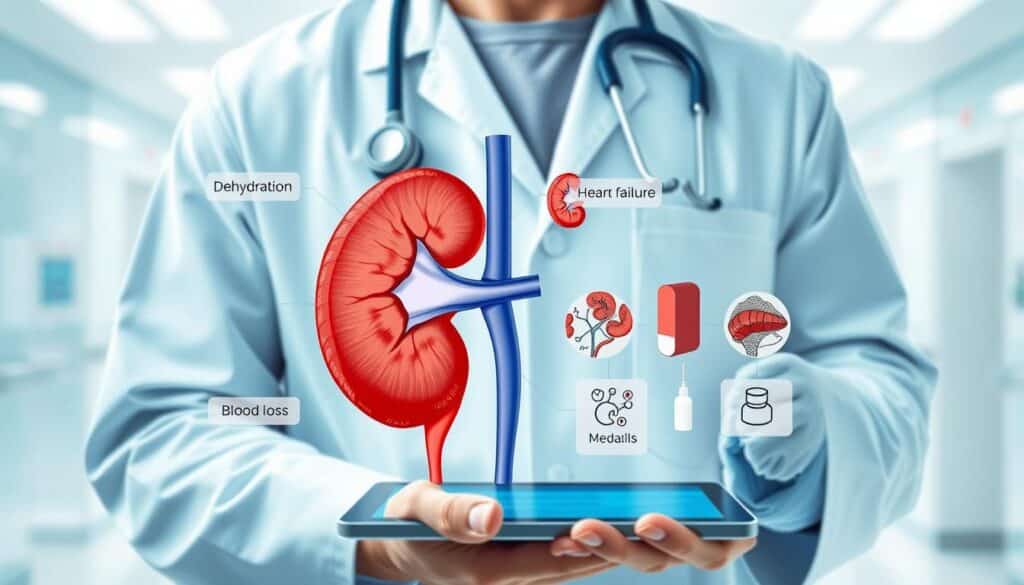
Understanding prerenal AKI is key to managing it well. It happens when blood flow to the kidneys drops. We’ll look at the five main reasons, how they work, and their effects.
1. Hypovolemia and Volume Depletion
Hypovolemia, or low blood volume, is a big reason for prerenal AKI. It happens when there’s less blood flowing, affecting kidney function. This can be due to dehydration, bleeding, or too much urine.
A study showed it’s important to spot and treat hypovolemia early to avoid AKI.
“Early fluid resuscitation is critical in preventing AKI in patients with hypovolemia.”
2. Decreased Cardiac Output
When the heart can’t pump well, it can cause prerenal AKI. Issues like heart failure, cardiogenic shock, or severe arrhythmias can lead to this. Knowing the heart’s role is key to treating prerenal AKI.
| Condition | Effect on Cardiac Output | Impact on Kidneys |
|---|---|---|
| Heart Failure | Reduced | Decreased Renal Perfusion |
| Cardiogenic Shock | Significantly Reduced | Severe Decrease in Renal Function |
3. Systemic Vasodilation
Systemic vasodilation is another cause of prerenal AKI. It happens when blood vessels widen, lowering blood pressure and kidney flow. Sepsis, liver cirrhosis, and some medicines can cause this. Treating the root cause is vital to avoid AKI.
4. Renal Vasoconstriction
Renal vasoconstriction is when kidney blood vessels narrow, reducing flow. Some drugs, like NSAIDs and calcineurin inhibitors, can cause this. Knowing these causes helps in finding ways to protect the kidneys.
In summary, the five main causes of prerenal AKI all affect kidney flow. Recognizing and managing these causes is essential for preventing and treating prerenal AKI.
Conclusion: Prevention and Management of Prerenal Kidney Injury
To prevent prerenal acute kidney injury (AKI), we need to tackle the root causes. This includes managing fluids, improving heart function, and avoiding harmful substances. Spotting and treating problems early is vital to avoid lasting kidney damage. It’s essential to know what causes prerenal AKI to prevent and manage it effectively.
Early detection and treatment are key. We should watch patients at risk, like those with heart issues or cirrhosis. We also need to be careful with drugs that can harm the kidneys, like NSAIDs and ACE inhibitors. For more details, check out the National Center for Biotechnology Information.
Dealing with those at risk requires a team effort. This includes changing diets, managing medications, and keeping an eye on kidney health. By using these methods, we can lower the risk of prerenal kidney injury and help patients do better.
FAQ
What is prerenal acute kidney injury (AKI)?
Prerenal AKI happens when blood flow to the kidneys drops. This can be due to not enough blood, heart problems, or other issues affecting blood flow to the kidneys.
How does prerenal AKI differ from intrinsic and postrenal causes?
Prerenal AKI comes from outside the kidney, like blood flow issues. Intrinsic AKI is damage inside the kidney. Postrenal AKI is caused by blocked urine flow.
What are the main causes of prerenal AKI?
Main causes include not enough blood, heart issues, and blood vessels not working right. These can all cut down blood flow to the kidneys.
Who is at risk for developing prerenal AKI?
People at risk include those who are dehydrated, have heart failure, or sepsis. Older adults and those with kidney problems are also at higher risk.
How can prerenal AKI be prevented?
To prevent it, manage fluids well, keep the heart working right, and avoid harmful substances for the kidneys.
What is the role of hypovolemia in prerenal AKI?
Hypovolemia, or not enough fluids, is a big cause of prerenal AKI. It cuts down blood flow to the kidneys, hurting their function.
How does decreased cardiac output contribute to prerenal AKI?
When the heart doesn’t pump well, it sends less blood to the kidneys. This increases the risk of prerenal AKI, mainly in those with heart problems.
What is the impact of systemic vasodilation on prerenal AKI?
Vasodilation lowers blood pressure, which reduces blood flow to the kidneys. This raises the risk of prerenal AKI.
How does renal vasoconstriction affect kidney function in prerenal AKI?
Renal vasoconstriction cuts down blood flow even more. This makes prerenal AKI worse and can cause more kidney damage.
What are the clinical implications of prerenal AKI?
Prerenal AKI is serious and needs quick treatment. Without it, kidney damage can get worse, leading to other problems.