
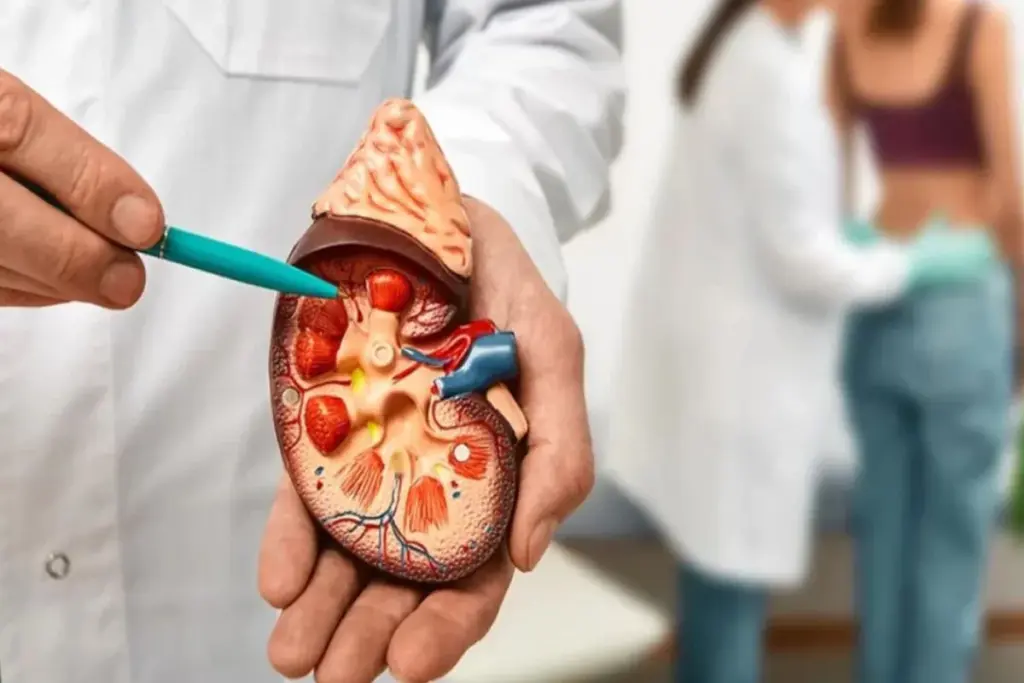
For those with chronic kidney disease (CKD), a kidney transplant can be a game-changer. It frees them from dialysis and improves their life quality. Yet, the fear of transplant rejection is always there. Knowing about kidney transplant rejection is the first step to managing it well.
CKD affects about one in seven American adults, often without them knowing. When a transplant happens, the body might see the new kidney as a threat. This can lead to rejection. Symptoms include feeling flu-like, fever, sudden weight gain, and pain at the transplant site. Spotting these signs early is key to acting fast.
At Liv Hospital, we stress the need to know the stages of kidney transplant rejection. This knowledge helps ensure the best results for our patients. By recognizing the warning signs and stages, transplant recipients can get help quickly. This could save their transplant.
Key Takeaways
- Understanding the stages of kidney transplant rejection is key for transplant recipients.
- Symptoms of rejection include flu-like symptoms, fever, and pain at the transplant site.
- Spotting rejection signs early is vital for quick medical help.
- Liv Hospital focuses on patient care and teaching about managing transplant rejection.
- Being informed helps patients take charge of their health.
Understanding Kidney Transplant Rejection
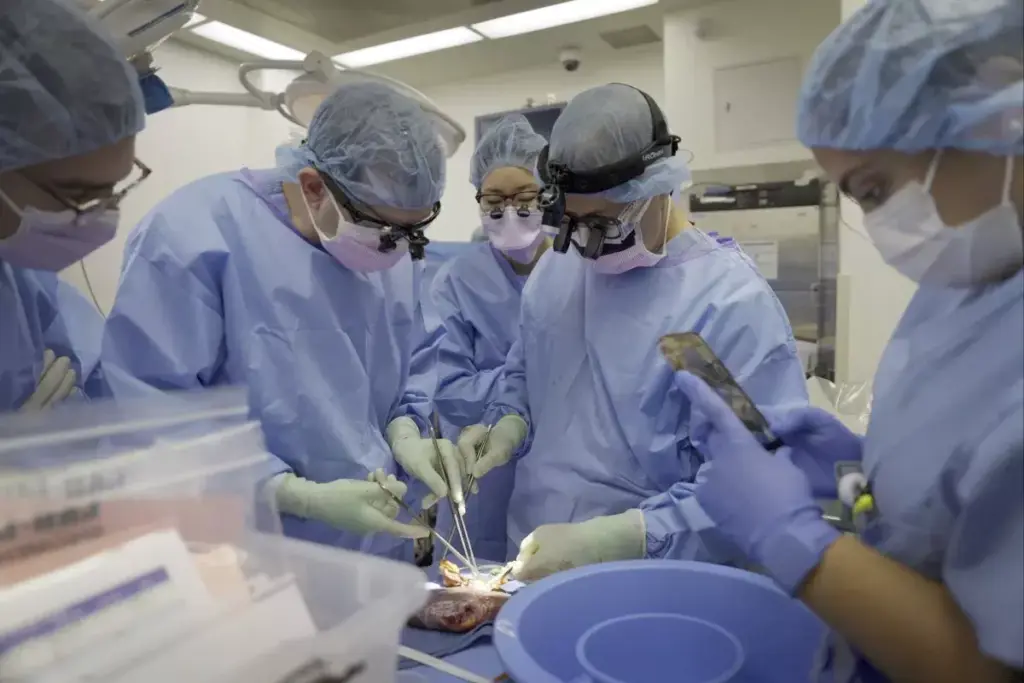
The immune system can reject a kidney transplant. This is a serious issue that needs careful handling. When a kidney is transplanted, the immune system might see it as foreign. This can start an immune attack on the new kidney.
What Causes Kidney Rejection
Kidney rejection happens when the immune system fights what it sees as a foreign object. Different antigens on the transplanted kidney can cause this reaction. Diabetes and high blood pressure can also lead to kidney disease and failure, making a transplant necessary.
High blood sugar from unmanaged diabetes can harm the kidneys. High blood pressure can also damage kidney tissue. These conditions make a transplant more likely and can affect its success.
Incidence and Survival Rates
About 7.9% of transplant recipients face acute rejection in the first year. Thanks to better treatments, survival rates have improved. Five-year survival rates for kidney transplants are over 80%.
As a medical source notes,
“Advances in immunosuppression have led to significant improvements in short-term and long-term graft survival rates.”
For more on kidney transplant rejection, check outCleveland Clinic’s page on kidneytransplant.
The 5 Kidney Rejection Stages and Symptoms
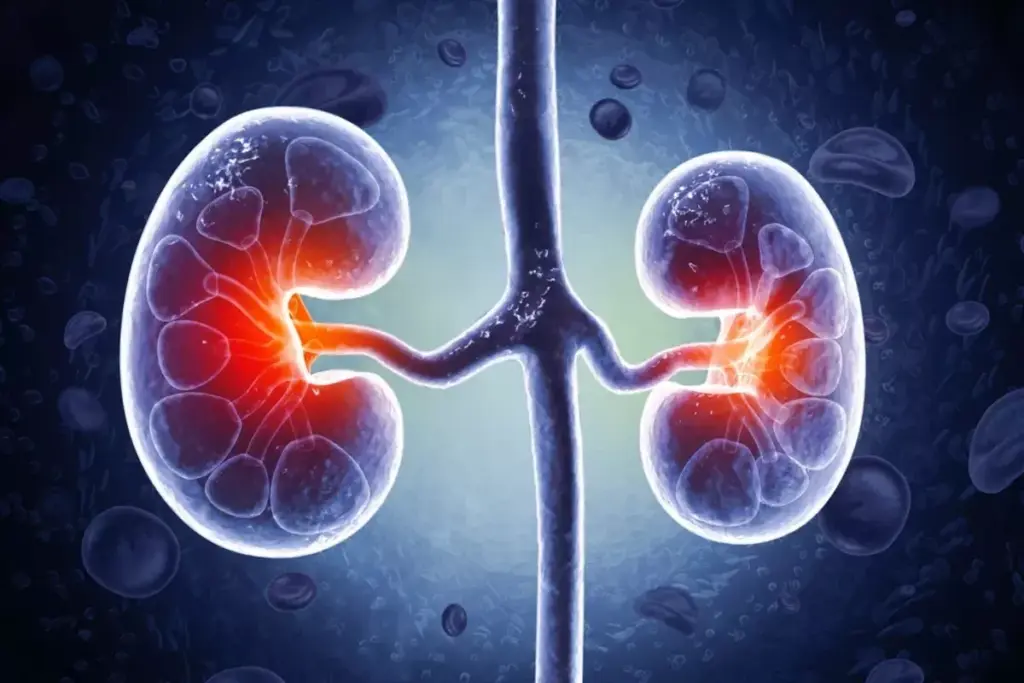
The immune system can react to a kidney transplant in several ways. We will look at each stage closely. Kidney rejection happens when the immune system sees the new kidney as foreign and tries to fight it. Knowing these stages is key to managing the condition and keeping the transplant working well.
Hyperacute Rejection
Hyperacute rejection is a severe reaction that happens quickly after the transplant. It’s caused by antibodies against the donor kidney. This type of rejection is rare but can cause the new kidney to fail fast.
Symptoms of hyperacute rejection include:
- Immediate graft dysfunction
- Thrombosis of the graft vessels
- Fibrinoid necrosis
Accelerated Acute Rejection
Accelerated acute rejection happens in the first week after the transplant. It’s caused by antibodies against the graft. The symptoms can be similar to hyperacute rejection but are less severe.
Key features include:
- Rapid deterioration of graft function
- Presence of donor-specific antibodies
Acute Rejection
Acute rejection can happen days to weeks after the transplant. It’s divided into antibody-mediated rejection (ABMR) and T-cell-mediated rejection (TCMR). ABMR is caused by antibodies, while TCMR involves T-cells attacking the graft.
“Acute rejection is a significant complication post-transplant, requiring prompt diagnosis and treatment to preserve graft function.”
Symptoms may include:
- Fever
- Graft tenderness
- Decreased urine output
| Type of Acute Rejection | Causes | Symptoms |
| Antibody-Mediated Rejection (ABMR) | Donor-specific antibodies | Graft dysfunction, presence of DSA |
| T-Cell-Mediated Rejection (TCMR) | T-cell activation | Fever, graft tenderness, decreased urine output |
Late Acute Rejection
Late acute rejection happens more than three months after the transplant. It can be caused by not taking medication as directed or other factors. It’s a big risk for the long-term survival of the graft.
Management involves:
- Adjusting immunosuppressive therapy
- Monitoring for signs of rejection
- Patient education on adherence
It’s important to understand the different stages of kidney rejection and their symptoms. Recognizing the signs early helps healthcare providers act quickly to save the graft.
Conclusion
We’ve looked at the different stages of kidney rejection. These include hyperacute, accelerated acute, acute, and late acute rejection. Each stage has its own symptoms and characteristics.
It’s important to spot the signs of kidney rejection early. This can lead to better care and outcomes for transplant patients. Knowing the signs of rejection after 2 years is also key, as risks can last long after the transplant.
Managing chronic kidney disease (CKD) requires a detailed plan. This includes medicines for high blood pressure, diuretics, and changes in lifestyle. Understanding kidney rejection helps us treat CKD better. This improves the lives of transplant recipients.
FAQ
References
What are the common symptoms of kidney transplant rejection?
Symptoms include fever, pain in the kidney area, and less urine. We also watch for changes in lab results, like higher creatinine levels.
What is hyperacute kidney rejection?
Hyperacute rejection is a severe reaction right after the transplant. It happens fast, usually within hours. It’s caused by antibodies against the kidney.
How does the immune system contribute to kidney transplant rejection?
The immune system sees the new kidney as foreign and attacks it. We use medicines to lower this attack.
What are the stages of kidney rejection?
There are several stages: hyperacute, accelerated acute, acute, and late acute. Each has its own signs and timing.
Can kidney transplant rejection be treated?
Yes, we can treat it. We adjust medicines and sometimes do more to manage symptoms and stop rejection.
How can I identify signs of kidney rejection after a transplant?
Watch for fever, tiredness, and changes in urine. Regular doctor visits are also key to catching rejection early.
What is the impact of diabetes and high blood pressure on kidney transplant recipients?
Diabetes and high blood pressure can harm the kidney. Managing them is vital for the transplant’s success.
What are the survival rates for kidney transplant patients?
Survival rates have gotten better thanks to better care and medicines. We keep track of these rates to help patients.
How does chronic kidney disease (CKD) stage relate to kidney transplant rejection?
Knowing the CKD stage helps us plan care before and after the transplant. It helps predict problems.
What is renal rejection syndrome?
Renal rejection syndrome is when the immune system attacks the transplanted kidney. It shows through symptoms and lab results.
National Center for Biotechnology Information. Evidence-Based Medical Guidance. Retrieved from https://www.ncbi.nlm.nih.gov/books/NBK549762/[3