

Organ transplant rejection is a big worry in modern medicine. It affects how well the transplant works and how well the patient does. This is true for many different organs.
Getting a new kidney can change someone’s life. But, the body might see the new kidney as a threat. It might try to fight it off.
It’s important to know about the different ways rejection can happen. This helps both the person who got the transplant and their doctors. They work together to keep the transplant working well for a long time.
Key Takeaways
- Organ transplant rejection occurs when the immune system attacks the grafted organ.
- Recognizing early warning signs is key to managing rejection.
- Liv Hospital offers top-notch care for dealing with rejection problems.
- Knowing about the different types of rejection is key for keeping the transplant alive.
- Working together is essential for transplant success.
Understanding Organ Transplant Rejection
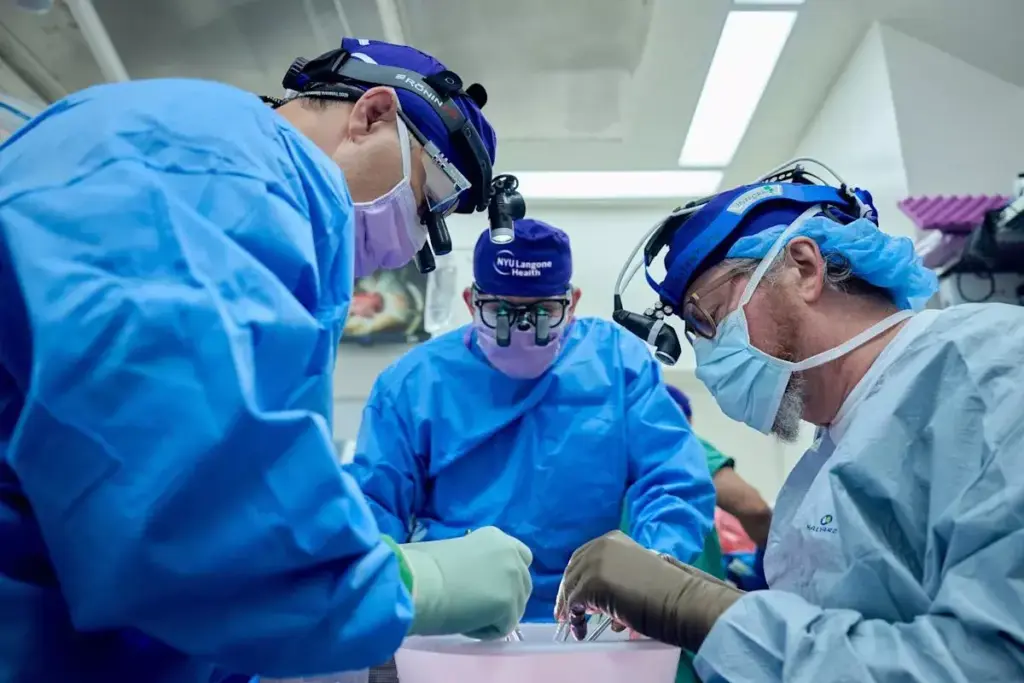
Organ transplant rejection happens when the immune system sees the new organ as foreign. It then fights it. This fight involves many immune cells and can cause the organ to fail if not handled right.
The Immune Response to Transplanted Organs
The immune system protects us from harm. But, it can be a problem when we get a new organ. It might see the organ as a threat and attack it. T cells and B cells are key players in this fight.
Many things can affect how the immune system reacts to a new organ. These include how well the donor and recipient match, the organ type, and the medicines used to stop rejection.
Prevalence and Impact on Patient Outcomes
Rejection is a big worry for transplant patients. Even with better medicines, it’s a major cause of sickness and death. The chance of rejection varies with the organ type.
Rejection can really hurt a patient’s life. It can shorten the organ’s life, increase costs, and lower quality of life. Knowing how the immune system reacts and what affects rejection is key. It helps in finding ways to stop and manage rejection, improving life for transplant patients.
The 5 Types of Transplant Rejection
It’s important to know about the different transplant rejection types. This helps in taking better care of patients. Transplant rejection happens when the body sees the new organ as a threat and tries to fight it. We’ll look at the five main types: hyperacute, acute cellular, acute humoral, chronic, and antibody-mediated rejection.
Hyperacute Rejection
Hyperacute rejection is a quick and severe reaction to the new organ. It happens within minutes to hours after the transplant. It’s caused by antibodies already in the body, often because of blood type or HLA sensitization. Hyperacute rejection is rare but can be very dangerous, often leading to the loss of the organ.
Acute Cellular Rejection
Acute cellular rejection is the most common type. It happens within days to weeks after the transplant. It’s caused by T-cells seeing the new organ as foreign. Symptoms include fever, tenderness, and decreased organ function. Early treatment is key to protect the organ.
Acute Humoral Rejection
Acute humoral rejection, or antibody-mediated rejection, happens when antibodies target the new organ. It can occur within weeks to months after the transplant. Acute humoral rejection is harder to treat than cellular rejection and needs special treatments.
Chronic Rejection
Chronic rejection happens slowly, months to years after the transplant. It causes fibrosis and vascular damage, leading to organ failure. Long-term treatment is needed to manage chronic rejection, but it can have side effects.
To show the differences and characteristics of these rejection types, here’s a summary table:
| Type of Rejection | Timing | Primary Mechanism |
| Hyperacute | Minutes to hours | Pre-existing antibodies |
| Acute Cellular | Days to weeks | T-cell mediated |
| Acute Humoral | Weeks to months | Antibody-mediated |
| Chronic | Months to years | Gradual fibrosis and vascular damage |
A leading transplant specialist says, “Understanding transplant rejection is key to better patient care and graft survival.” (
This knowledge helps doctors tailor treatments to each patient, improving care.
Diagnosis and Prevention of Organ Rejection
Diagnosing and preventing organ rejection are key parts of caring for transplant patients. Finding and treating rejection early can greatly improve how well the transplant works. We will look at how we diagnose and prevent rejection, showing why a complete approach is important.
Clinical Monitoring and Detection Methods
Regular check-ups are part of monitoring for rejection. We use lab tests, imaging, and biopsies to spot rejection. Laboratory tests check for certain chemicals in the blood that might show rejection. Imaging studies help see how well the transplanted organ is working.
Biopsy is the best way to confirm rejection. It takes a tissue sample from the transplanted organ for a detailed look. This helps us figure out the best treatment.
Modern Immunosuppressive Therapies
Immunosuppressive therapies are key in stopping rejection. They calm down the immune system’s reaction to the new organ. We have many types of these therapies, each with its own way of working and side effects.
- Calcineurin inhibitors are a mainstay, stopping T-cells from getting active.
- Mammalian target of rapamycin (mTOR) inhibitors are another option, working differently to suppress the immune system.
- Corticosteroids are used in many treatment plans, often with other drugs.
Improving Long-Term Transplant Success
Boosting long-term success needs a detailed plan. This includes choosing the right patient, precise surgery, and strong immunosuppression. We also work on managing other health issues and avoiding complications.
By using a full care plan, we can make transplants last longer and improve life for patients. Sticking to the immunosuppressive treatment is very important, as skipping it can lead to rejection.
Research and new treatments keep getting better for transplant patients. We aim to keep rejection at bay while also reducing the dangers of immunosuppression.
Conclusion
Organ transplant rejection is a complex issue that can affect patient outcomes a lot. By knowing the symptoms of organ transplant rejection, patients and doctors can work together. This helps prevent and manage rejection, leading to better transplant success rates.
We’ve looked at the different types of transplant rejection. These include hyperacute, acute, and chronic rejection. Early detection and treatment are key to improving graft success rates. It’s important to understand what organ transplant rejection is and its types to develop effective treatments.
Preventing organ transplant rejection is key to successful transplants. This is done through immunosuppressive therapies and careful monitoring. By doing this, we can lower the risk of rejection and improve patient outcomes. As we continue, more research and education are needed to better understand transplantation and rejection.
FAQ:
What is organ transplant rejection?
Organ transplant rejection happens when the body sees a transplanted organ as foreign. It tries to fight it, which can harm the organ.
What are the types of organ transplant rejection?
There are five main types of rejection. These include hyperacute, acute cellular, acute humoral, chronic, and graft-versus-host disease in bone marrow transplants.
What is hyperacute rejection?
Hyperacute rejection is a severe reaction right after the transplant. It happens quickly because of antibodies against the organ.
What are the signs and symptoms of organ transplant rejection?
Rejection signs vary by type and severity. They can be fever, fatigue, and tenderness in the graft. Lab tests also show organ dysfunction.
How is organ transplant rejection diagnosed?
Doctors use clinical checks, lab tests, and biopsies to diagnose rejection. They look at the organ’s function and for rejection signs.
What are modern immunosuppressive therapies?
These are medicines that lower the immune system’s fight against the transplant. They help prevent rejection and improve survival.
How can organ transplant rejection be prevented?
To prevent rejection, use immunosuppressive drugs, monitor the patient closely, and treat rejection signs quickly.
What is the impact of organ transplant rejection on patient outcomes?
Rejection can harm patient outcomes. It can lead to graft loss, lower quality of life, and increase risks of complications and death.
Can organ transplant rejection be treated?
Yes, rejection can be treated with immunosuppressive drugs. Sometimes, plasmapheresis or other anti-rejection meds are needed too.
What is the role of clinical monitoring in preventing organ transplant rejection?
Monitoring is key in preventing rejection. It lets doctors catch early signs and act fast to protect the graft.
References:
World Health Organization. Evidence-Based Medical Guidance. Retrieved from https://www.who.int/publications/i/item/9789240000000[4



 Departments
 Related Videos
 Our Doctors
 News
News