
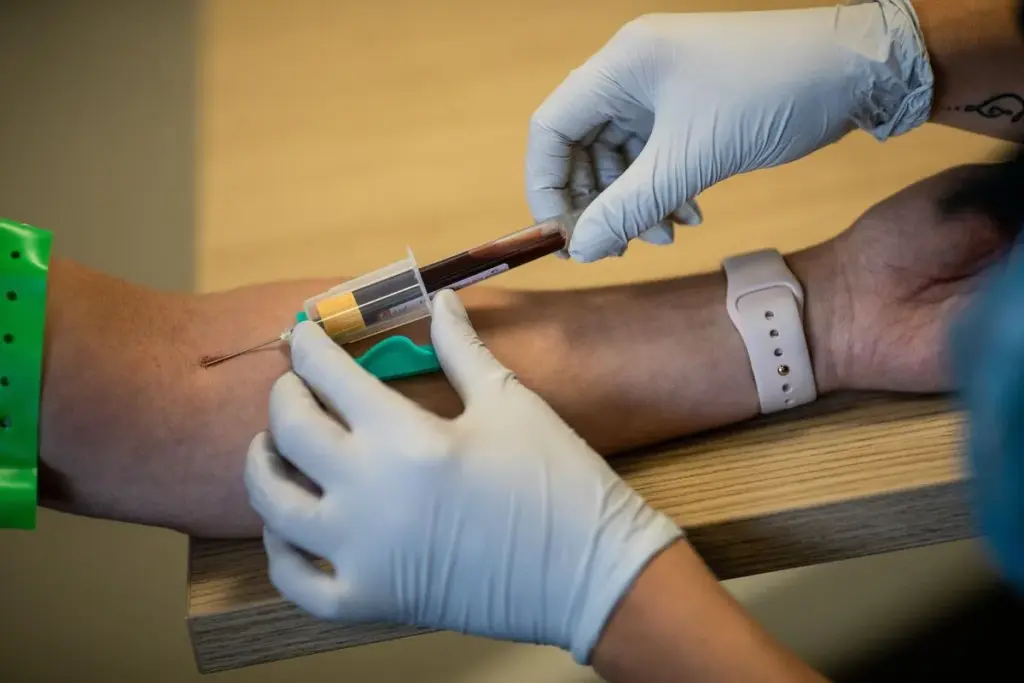
Chronic kidney disease affects nearly 37 million Americans. Sadly, 90% of them don’t know they have it. Early detection through simple kidney function blood tests can change the disease’s course.
At Liv Hospital, we blend international medical standards with care focused on you. We use key blood tests like eGFR, creatinine, and BUN. These tests are vital for tracking kidney disease and its progress.
Knowing about your kidney health is key. We’re here to give you the info and care you need. Early detection and monitoring are key to managing kidney disease.
Key Takeaways
- Chronic kidney disease is common among Americans, with 90% unaware of their condition.
- Early detection through blood tests can alter the disease’s course.
- Liv Hospital offers complete kidney care using international medical standards.
- Essential blood tests include eGFR, creatinine, and BUN measurements.
- Understanding kidney health is vital for managing the disease effectively.
The Critical Importance of Kidney Function Testing
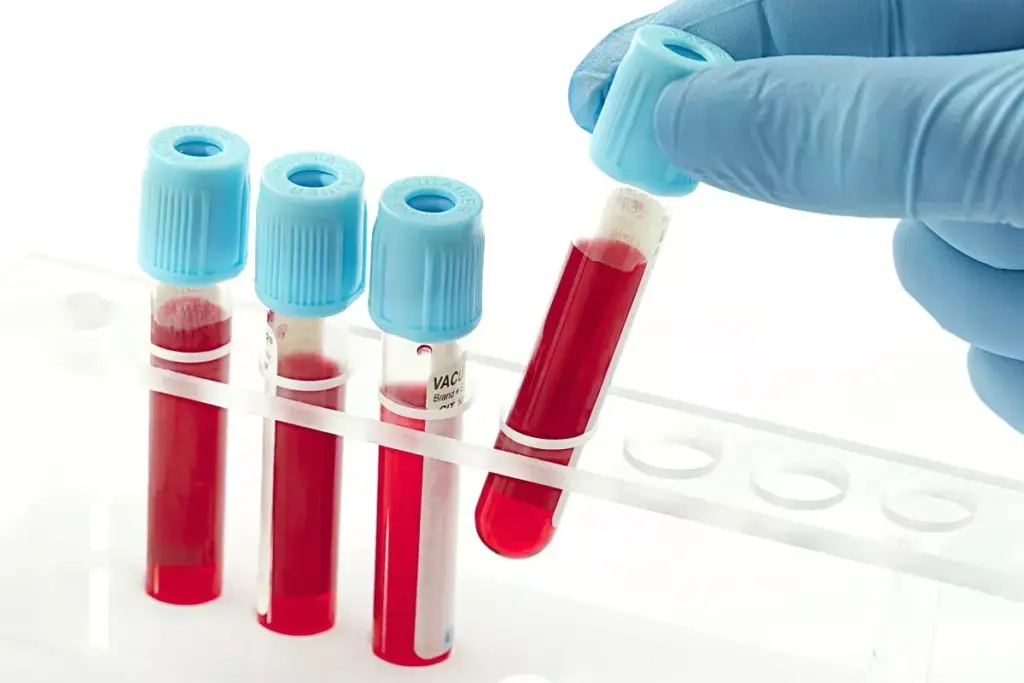
It’s vital to understand the role of kidney function tests. They help catch kidney disease early. Kidney disease is a big health issue, affecting millions, and often goes unnoticed until it’s too late.
Alarming Statistics: 37 Million Adults with CKD
About 37 million adults in the U.S. have Chronic Kidney Disease (CKD). Yet, nearly 90% don’t know they have it. These alarming statistics show we need more awareness and testing. Early detection can really change the course of the disease.
Why Early Detection Matters
Early treatment can slow or even stop kidney disease from getting worse. Finding kidney problems early lets us start treatments that can help. The Medical organization says tests check for waste buildup and overall kidney health. For more on these tests, check out page on kidney function.
It’s key to get regular kidney function tests, mainly for those with diabetes, high blood pressure, or a family history of kidney disease. Knowing the value of these tests and acting early can greatly improve health and lessen the impact of kidney disease.
What Tests Are Done to Check Kidney Function
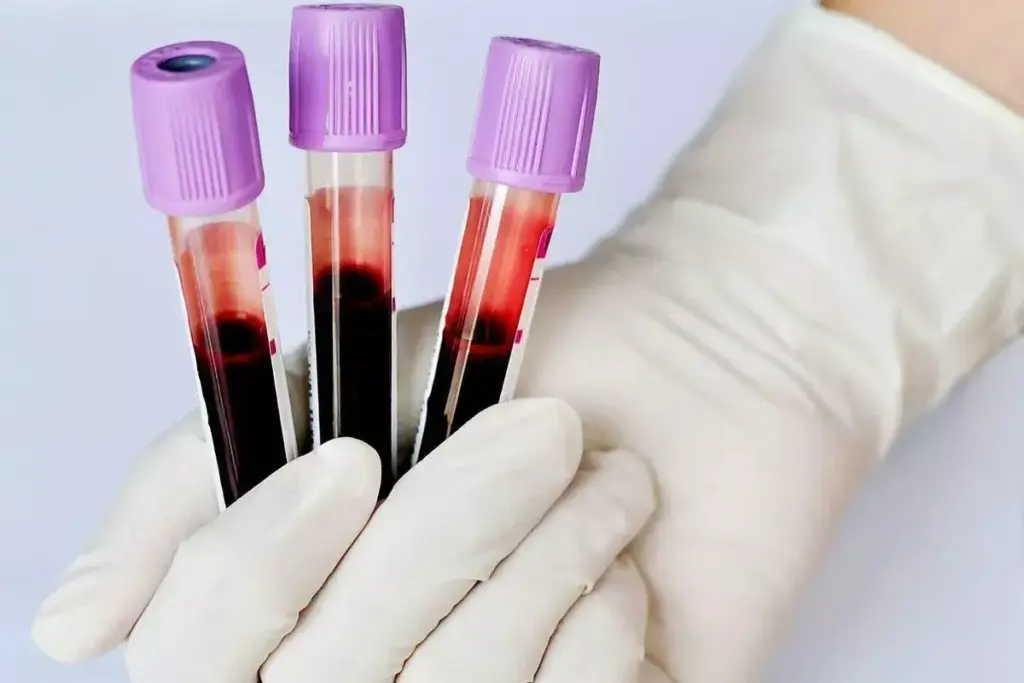
Healthcare providers use blood tests to check kidney health. These tests measure different aspects of kidney function. They help detect kidney disease and monitor health, guiding treatment plans.
Serum Creatinine Test
The Serum Creatinine Test checks the blood for creatinine levels. Creatinine comes from muscle breakdown. Healthy kidneys remove it from the blood, showing kidney function. High levels suggest kidney problems.
This test is key because it shows how well kidneys filter waste. Abnormal results can mean kidney disease or other issues.
Estimated Glomerular Filtration Rate (eGFR)
The eGFR test checks how well kidneys filter blood. It estimates the volume of fluid filtered by the glomeruli per minute. The eGFR uses serum creatinine, age, sex, and race. A lower eGFR means poorer kidney function.
This test is vital for diagnosing and monitoring kidney disease. It gives a detailed view of kidney health, more than the serum creatinine test alone.
Blood Urea Nitrogen (BUN) Test
The BUN Test measures blood urea levels. Urea is a waste product from the liver, excreted by the kidneys. Elevated BUN levels can signal kidney disease or other kidney issues.
The BUN test is often paired with the serum creatinine test. Together, they give a full picture of kidney function. This helps healthcare providers understand kidney health better.
Additional Blood Tests That Evaluate Kidney Health
More than just the main tests, extra blood tests are key to checking kidney health. These tests help doctors understand a patient’s condition better. This way, they can create specific treatment plans.
Serum Electrolytes Panel (Sodium, Potassium, Chloride)
A serum electrolytes panel checks the levels of sodium, potassium, and chloride in the blood. These are important for nerve and muscle work, staying hydrated, and keeping the body’s pH balanced. Abnormal levels can show kidney problems, as the kidneys help keep these balances right. For example, too much potassium can mean kidney disease, as the kidneys can’t remove it well.
The National Kidney Foundation says, “electrolyte imbalances can be a sign of kidney disease, and correcting these imbalances is key in managing the condition.” Learn more about kidney disease tests.
Calcium and Phosphorus Levels
Calcium and phosphorus are important for strong bones, and the kidneys help keep their levels right. Abnormal levels can mean kidney disease, as the kidneys can’t remove waste that affects these minerals.
Albumin Blood Test
The albumin blood test checks the level of albumin, a liver-made protein, in the blood. Low albumin levels can mean kidney damage or disease, as the kidneys might leak albumin into the urine. Albuminuria, or albumin in the urine, is an early sign of kidney disease.
“The presence of albumin in the urine is a marker of kidney damage and a predictor of cardiovascular disease.”
Complete Blood Count (CBC)
A Complete Blood Count (CBC) tests different parts of the blood, like red and white blood cells, and hemoglobin. It’s not a direct kidney function test but gives insight into overall health. It can show conditions that might affect the kidneys.
By using these extra blood tests with the main kidney function tests, doctors can fully understand a patient’s kidney health. This helps them make better treatment plans.
Conclusion: When to Seek Medical Attention for Kidney Testing
Knowing when to get medical help for kidney tests is key to keeping your kidneys healthy. Early detection and treatment can really help slow down or stop kidney disease from getting worse. We’ve talked about important blood tests like the serum creatinine test, eGFR, and BUN test.
For the best kidney function test, talk to your doctor. They’ll tell you which blood tests you need, like a serum electrolytes panel or a CBC. Knowing which tests are right for you can catch problems early, before you start to feel symptoms.
Being proactive about your kidney health is a big step towards staying well. If you’re at risk for kidney disease or have kidney health concerns, see your doctor. They’ll help you figure out the best plan for your needs.
FAQ:
What blood tests indicate kidney disease?
Tests like serum creatinine, eGFR, and BUN are used to check for kidney disease. They help evaluate how well your kidneys are working.
Which blood test is commonly used to evaluate kidney function?
The eGFR test is a key blood test for kidney function. It shows how well your kidneys are filtering waste and how severe kidney disease is.
What blood test shows kidney disease?
Serum creatinine and eGFR tests together show kidney disease. They measure waste in the blood and kidney function.
What is kidney blood test called?
Tests like serum creatinine, eGFR, and BUN are called kidney blood tests. They check waste levels and kidney function.
What blood test checks your kidneys?
Tests like serum creatinine, eGFR, BUN, and others check kidney function. They help understand overall kidney health.
What lab tests kidney function?
Tests like serum creatinine, eGFR, and BUN are used to check kidney function. They help diagnose kidney disease.
What shows kidney function on blood test?
Serum creatinine and eGFR tests show kidney function on a blood test. They measure waste and function levels.
What is a kidney function test called?
An eGFR test is a common kidney function test. It measures function and disease stage.
How can you test kidney function?
Kidney function can be tested with blood tests like serum creatinine, eGFR, and BUN. Urine tests and imaging studies also help.
References:
National Center for Biotechnology Information. Evidence-Based Medical Guidance. Retrieved from https://www.ncbi.nlm.nih.gov/pmc/articles/PMC3443500/[6



 Departments
 Related Videos
 Our Doctors
 News
News