
The kidneys are vital organs that play many roles for our health. They filter waste from the blood, keep fluid balance, and control electrolyte levels.
Learn about the 7 functions of the kidney, including its role in maintaining fluid balance and activating vitamin D.
At Liv Hospital, we understand how important kidney care is. We use the latest medical knowledge to treat our patients. The kidneys filter about 200 quarts of blood every day. They remove toxins like urea, creatinine, and uric acid through urine.
Kidneys play a critical role in keeping our body balanced. Knowing their functions helps us see how important they are for our health.
Key Takeaways
- Kidneys filter waste products from the blood.
- They regulate fluid balance and maintain electrolyte concentrations.
- Kidneys produce hormones that support oxygen transport and bone health.
- They play a critical role in maintaining internal balance.
- Kidneys filter approximately 200 quarts of blood daily.
The 7 Functions of the Kidney: An Overview
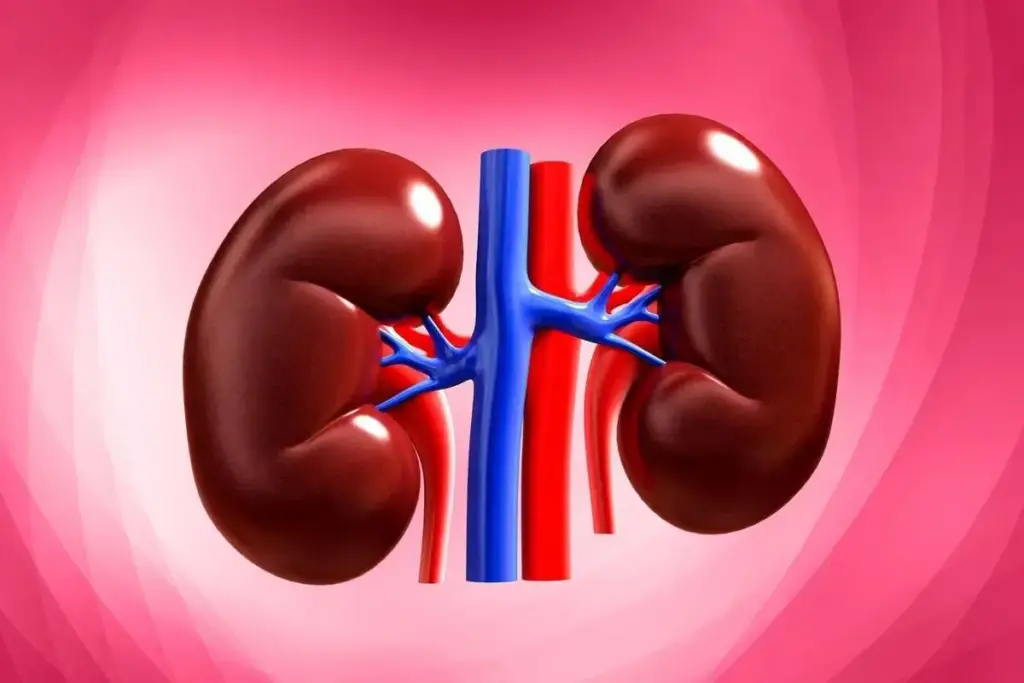
The kidneys are vital organs that play many important roles in keeping us healthy. They are located on either side of the spine, just below the rib cage. This position helps protect them from injury.
Anatomy and Structure of the Kidneys
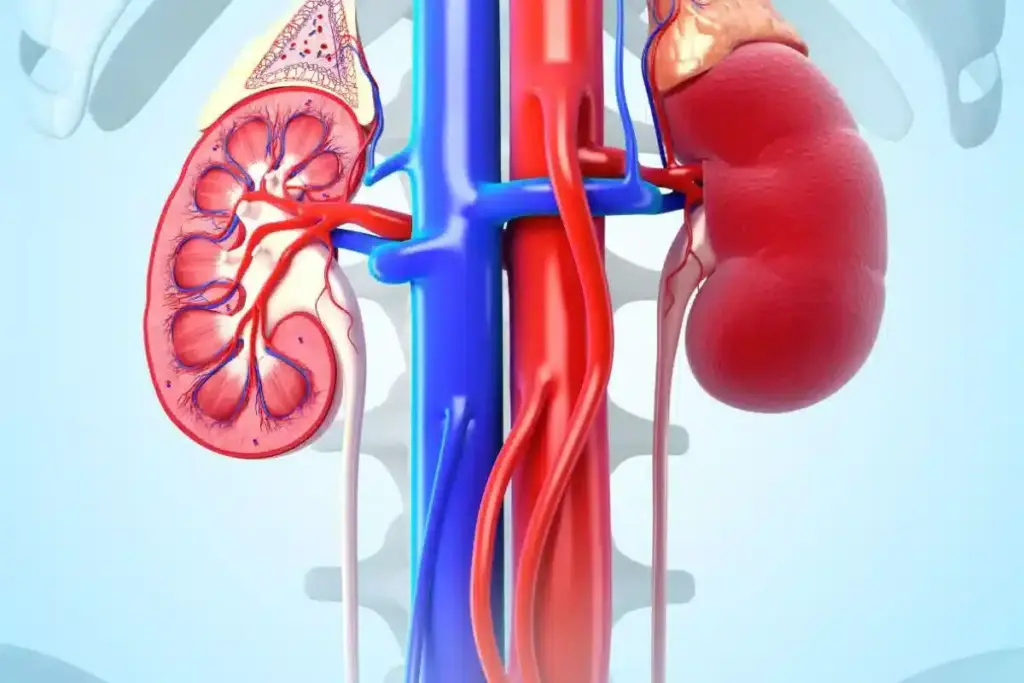
The kidneys have a unique structure that allows them to filter waste and excess substances from the blood. They form urine, which is then excreted from the body. Blood flows into the kidneys from the renal arteries and is returned to the circulation through the renal veins.
The nephron is the functional unit of the kidney. It filters the blood. Each kidney has about one million nephrons. They work hard to maintain fluid balance, regulate electrolytes, and remove waste products.
Why Kidney Health Is Critical for Survival
Kidney health is key to our overall well-being. The kidneys control water reabsorption and excretion, preventing dehydration and fluid overload. If the kidneys fail, waste products can accumulate in the blood, causing serious problems.
We depend on our kidneys to regulate various bodily functions, including electrolyte balance and blood pressure. Kidney failure can have severe consequences. It’s important to keep our kidneys healthy through a balanced diet, enough water, and regular check-ups.
Key Functions of the Kidneys
| Function | Description |
|---|---|
| Waste Filtration | Removing waste products and toxins from the blood |
| Fluid Balance | Regulating water reabsorption and excretion to prevent dehydration and fluid overload |
| Electrolyte Management | Maintaining the balance of essential electrolytes in the body |
Waste Filtration and Fluid Balance

The kidneys are key to our health. They filter waste from the blood and balance fluids. This helps prevent toxin buildup and keeps blood pressure stable.
Blood Filtration: Removing Toxins and Waste Products
Our kidneys filter about 200 quarts of blood every day. They make 1 to 2 quarts of urine. They remove waste like urea and creatinine from the blood.
The nephrons, the kidney’s units, filter waste and keep nutrients in the blood. For more on kidney function, check the National Institute of Diabetes and Digestive and Kidney website.
Water Regulation: Preventing Dehydration and Fluid Overload
The kidneys also control fluid balance. They manage water reabsorption and excretion. This is vital for stable blood pressure and health.
When we’re dehydrated, the kidneys save water by making less urine. If we drink too much, they make more urine to avoid fluid overload. This balance is key to avoiding hypertension and edema.
Our kidneys manage waste and fluids well. This is critical for our overall health and well-being.
Electrolyte Management and Blood Pressure Control
Our kidneys play a key role in keeping our electrolyte balance and blood pressure in check. They do this through complex processes that keep our body’s internal environment stable.
Balancing Essential Electrolytes in the Body
The kidneys manage the levels of important electrolytes like sodium, potassium, calcium, and phosphorus. These are essential for muscle and nerve function. They filter and reabsorb these electrolytes as needed.
This process is vital for:
- Maintaining proper muscle function
- Enabling nerve impulses
- Regulating heartbeat and other critical bodily functions
Potassium, for example, is key for heart function. Its imbalance can cause serious heart problems. The kidneys adjust electrolyte levels to meet the body’s needs, preventing deficiency or excess.
The Renin-Angiotensin-Aldosterone System
The kidneys control blood pressure through the renin-angiotensin-aldosterone system (RAAS). This complex pathway is triggered when blood pressure drops. The kidneys release renin, an enzyme that causes blood vessels to constrict and blood pressure to rise.
For more information on the kidneys’ functions, visit this resource.
The RAAS system also affects electrolyte balance, mainly sodium and potassium. This, in turn, impacts blood pressure. By managing blood pressure, the kidneys ensure vital organs get enough blood.
The RAAS system includes:
- Renin release
- Angiotensin II formation
- Aldosterone secretion
These elements work together to keep blood pressure stable. They help ensure our body’s organs function well.
Hormonal Functions and Metabolic Regulation
Our kidneys do more than filter waste. They play a big role in hormone production and metabolic health. These processes are key to keeping us healthy.
Erythropoietin Production for Red Blood Cell Formation
The kidneys make erythropoietin, a hormone that helps make red blood cells. This is important for getting oxygen to all parts of our body. Without enough erythropoietin, we might get anemia, causing tiredness and other problems.
Here are some key points about erythropoietin production:
- Erythropoietin is made when our body needs more oxygen.
- It tells the bone marrow to make more red blood cells.
- We need enough erythropoietin to avoid anemia.
Vitamin D Activation for Calcium Absorption
The kidneys also help with vitamin D activation. They turn vitamin D into calcitriol, which helps our body absorb calcium. Calcium is important for strong bones, and without enough active vitamin D, our bones can weaken.
This shows how the kidneys help keep our bones healthy and our metabolism balanced.
Acid-Base Balance Maintenance
The kidneys also keep our body’s acid-base balance right. They get rid of hydrogen ions and keep bicarbonate. This balance is key for our body to work well, keeping our blood and fluids at the right pH.
The kidneys help with acid-base balance by:
- Getting rid of extra hydrogen ions.
- Keeping bicarbonate to help buffer.
- Changing how much acid or base they get rid of based on our needs.
In short, the kidneys’ work in hormones and metabolism is vital for our health. They affect how we make red blood cells, keep our bones strong, and balance our body’s acid levels.
Conclusion
We’ve looked at the seven key functions of the kidneys. They are vital for our health. The kidneys help remove waste, balance fluids, and control blood pressure.
The kidneys filter waste from our blood and keep fluid levels balanced. They also manage electrolytes. Knowing these roles shows how important they are for our health.
Keeping our kidneys healthy is key to avoiding kidney disease. By understanding their functions, we can take care of them. This helps us stay healthy overall.
FAQ
What are the 7 functions of the kidney?
The 7 functions of the kidney include filtering waste, managing fluids, and controlling electrolytes. They also help regulate blood pressure, produce erythropoietin, activate vitamin D, and keep acid-base levels balanced.
What is the main function of the kidneys?
The main function of the kidneys is to filter waste from the blood. They also regulate fluid balance and manage electrolytes. This ensures our overall health and well-being.
How do the kidneys regulate fluid balance?
The kidneys control fluid balance by managing water reabsorption and excretion. This prevents dehydration and fluid overload. It also helps maintain stable blood pressure.
What is the role of the kidneys in electrolyte management?
The kidneys manage electrolyte levels. This is key for proper muscle and nerve function. It’s essential for our overall health.
How do the kidneys control blood pressure?
The kidneys control blood pressure through the renin-angiotensin-aldosterone system. This ensures vital organs get enough blood supply.
What is the significance of erythropoietin production by the kidneys?
Erythropoietin production by the kidneys is vital for making red blood cells. This is essential for delivering oxygen to tissues and organs.
How do the kidneys contribute to bone health?
The kidneys activate vitamin D, which is key for calcium absorption and bone health. This helps maintain strong bones and teeth.
What is the importance of acid-base balance maintenance by the kidneys?
The kidneys maintain acid-base balance by removing hydrogen ions and absorbing bicarbonate. This keeps the body’s pH levels stable.
Reference:
Evidence-Based Medical Insight https://www.ncbi.nlm.nih.gov/books/NBK482385