
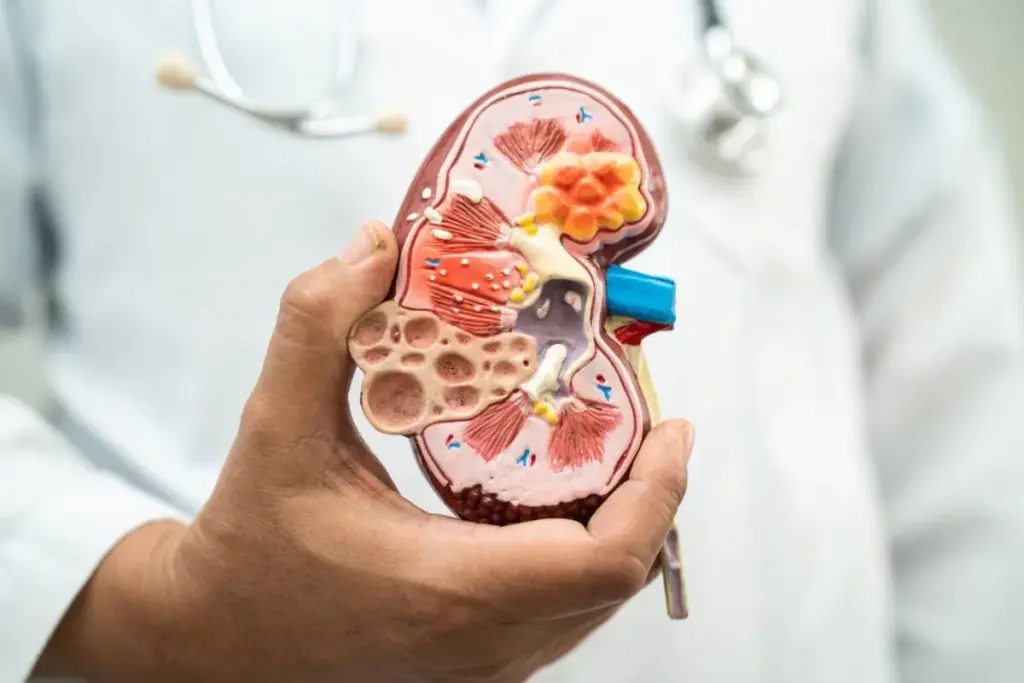
Living with chronic kidney disease (CKD) means you must watch your potassium intake closely. Healthy kidneys keep potassium levels in check. But, if your kidneys are damaged, potassium can build up in your blood. This can lead to heart problems and muscle weakness.
CKD patients, mainly those in stages 3-5, need to keep their potassium intake low. The National Kidney Foundation suggests 2-4 grams per day. We’ll talk about foods high in potassium to avoid and share tips on managing your intake.
At Liv Hospital, we focus on the latest care for CKD patients. It’s key to understand how to manage potassium to avoid serious health risks.
Key Takeaways
- CKD patients should limit potassium intake to 2-4 grams per day.
- High potassium foods can accumulate in the bloodstream and cause serious health issues.
- Healthy kidneys regulate potassium levels, but damaged kidneys require careful management.
- Managing potassium intake is vital for preventing heart arrhythmias and muscle weakness.
- Liv Hospital provides complete care for patients with CKD.
Understanding Potassium and Kidney Function
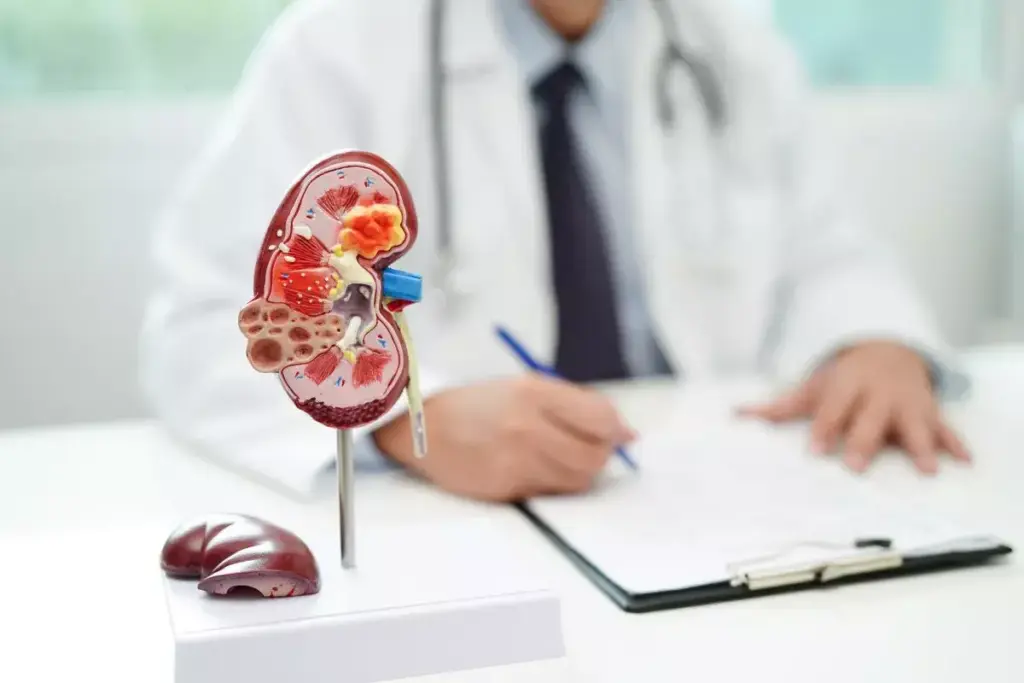
Healthy kidneys keep potassium levels in check. But when kidney function drops, this balance is lost. Potassium is vital for nerve signals and muscle work. The kidneys adjust how much potassium is in the urine.
How Healthy Kidneys Regulate Potassium
In people with healthy kidneys, potassium control is precise. The kidneys filter out extra potassium, which goes into the urine. This keeps potassium levels just right.
If potassium levels get too low, the kidneys hold onto it. If levels get too high, they let more out. Healthy kidneys adjust to changes in potassium intake and keep blood levels stable.
Risks of Hyperkalemia in CKD Patients
CKD patients face a big risk of hyperkalemia. This is when potassium levels in the blood are too high. As kidney function worsens, the kidneys can’t remove potassium as well.
Hyperkalemia can cause serious heart problems and even lead to cardiac arrest in severe cases. CKD patients struggle to control potassium because their kidneys don’t work as well. Medications, diet, and kidney disease progression can make this worse.
CKD patients need to know about hyperkalemia risks. They should watch their potassium intake and work with their doctors to keep levels in check.
7 High-Potassium Foods CKD Patients Should Avoid
For those with Chronic Kidney Disease, knowing which foods to avoid is key. It helps keep kidneys healthy. It’s important to watch potassium intake to avoid hyperkalemia, which can harm the heart and more.
1. Bananas and Other Tropical Fruits
Bananas are packed with potassium. A medium banana has about 422 milligrams. Mangoes and papayas, also tropical fruits, are high in potassium and should be eaten in small amounts.
For example, a medium mango has 388 milligrams of potassium. A papaya can have up to 781 milligrams. CKD patients might choose fruits like berries or apples instead.
2. Potatoes and Sweet Potatoes
Potatoes and sweet potatoes are high in potassium. A medium baked potato has 748 milligrams. A medium sweet potato has about 542 milligrams.
CKD patients can try soaking peeled, thinly sliced potatoes in water for two hours before cooking. This can help lower potassium intake.
3. Tomatoes and Tomato Products
Tomatoes and tomato products are big sources of potassium. Tomato sauce can have up to 909 milligrams per cup. Fresh tomatoes also add to potassium, with one medium tomato having 292 milligrams.
CKD patients might choose low-potassium tomato products or eat less tomato-based sauces and soups.
4. Oranges and Orange Juice
Oranges and orange juice are known for vitamin C but are also high in potassium. A medium orange has 237 milligrams of potassium. One cup of orange juice has about 496 milligrams.
Patients can try other citrus fruits or dilute orange juice with water to cut down on potassium.
| Food | Potassium Content (mg) | Alternative |
| 1 Medium Banana | 422 | Berries, Apples |
| 1 Medium Potato | 748 | Leached Potatoes |
| 1 Cup Tomato Sauce | 909 | Low-Potassium Tomato Products |
| 1 Medium Orange | 237 | Diluted Orange Juice |
Knowing about these high-potassium foods helps CKD patients manage their diet. This way, they can keep their potassium levels in check and stay healthy.
Beyond the Hypokalemia Diet: Managing Potassium Levels
Managing potassium levels is key for those with chronic kidney disease (CKD). It’s not just about avoiding foods high in potassium. A full plan is needed to keep potassium levels right and stay healthy.
National Kidney Foundation Guidelines for Potassium Intake
The National Kidney Foundation (NKF) sets guidelines for potassium intake for CKD patients. The NKF says the daily potassium intake depends on the CKD stage and the patient’s needs. “The NKF recommends that CKD patients limit their potassium intake to prevent hyperkalemia, a condition characterized by elevated potassium levels in the blood,” as stated in their clinical practice guidelines.
For CKD patients, following these guidelines is very important. The NKF advises patients to work with their healthcare providers to find the right potassium intake for them.
Leaching Techniques to Reduce Potassium in Vegetables
Leaching is a good way to lower potassium in vegetables. It involves soaking or boiling vegetables to remove some potassium. The NKF says leaching can make some vegetables safer for CKD patients to eat.
- Peel and slice vegetables thinly to increase their surface area.
- Soak the sliced vegetables in warm water for at least two hours.
- Boil the vegetables in a large amount of water to further reduce their potassium content.
CKD patients can enjoy more vegetables by using these leaching techniques. This helps them manage their potassium intake.
Individualized Dietary Approaches for CKD Stages 3-5
CKD patients in stages 3-5 need special diets to manage potassium. The diet depends on the CKD stage and other health factors.
Healthcare providers help patients create diet plans that fit their needs. This might mean adjusting the diet based on the patient’s CKD stage and other health issues.
By taking a detailed and personal approach to managing potassium, CKD patients can improve their health. This reduces the risk of problems linked to high potassium levels.
Conclusion
Managing potassium intake is key for those with chronic kidney disease (CKD). It helps avoid hyperkalemia and its dangers. Foods high in potassium, like bananas and potatoes, should be eaten less often.
It’s important to know how potassium affects the kidneys and the risks of high levels. This knowledge helps CKD patients stay safe.
Following dietary advice from trusted sources, like the National Kidney Foundation, is helpful. Techniques like leaching veggies to lower potassium can also help. A diet plan that fits the CKD stage is essential for managing potassium and keeping kidneys healthy.
For CKD patients, a balanced diet is critical. It must consider their potassium needs to avoid kidney failure and imbalance. Being careful with potassium and eating well can greatly improve health.
FAQ
What is the recommended daily potassium intake for individuals with chronic kidney disease?
Potassium intake for CKD patients depends on kidney function and lab results, but it is often limited to 2,000–3,000 mg per day to prevent hyperkalemia.
How do healthy kidneys regulate potassium levels in the body?
Healthy kidneys filter excess potassium from the blood and excrete it in urine, maintaining stable potassium levels and electrolyte balance.
What are the risks associated with hyperkalemia in CKD patients?
Hyperkalemia can cause dangerous heart rhythm disturbances, muscle weakness, paralysis, and in severe cases, sudden cardiac arrest.
How can I reduce the potassium content of vegetables?
Leaching or boiling vegetables in water, then discarding the water, can significantly lower their potassium content.
Are there any alternatives to high potassium foods that I can include in my diet?
Lower-potassium options include apples, berries, grapes, cauliflower, green beans, and rice, which provide nutrients without excessive potassium.
Can I still consume tomatoes and tomato products if I have CKD?
Tomatoes are high in potassium, so intake may need to be limited or portion-controlled depending on your CKD stage and potassium lab levels.
How does the stage of CKD impact dietary recommendations for potassium intake?
Early CKD may not require strict potassium restriction, but in advanced stages or with elevated potassium, limiting high-potassium foods becomes essential.
Is potassium always bad for individuals with kidney disease?
No, potassium is not always harmful; it is necessary for heart and muscle function, but intake must be carefully monitored in CKD to avoid hyperkalemia.
References
National Center for Biotechnology Information. Evidence-Based Medical Insight. Retrieved from https://pmc.ncbi.nlm.nih.gov/articles/PMC8020016/