
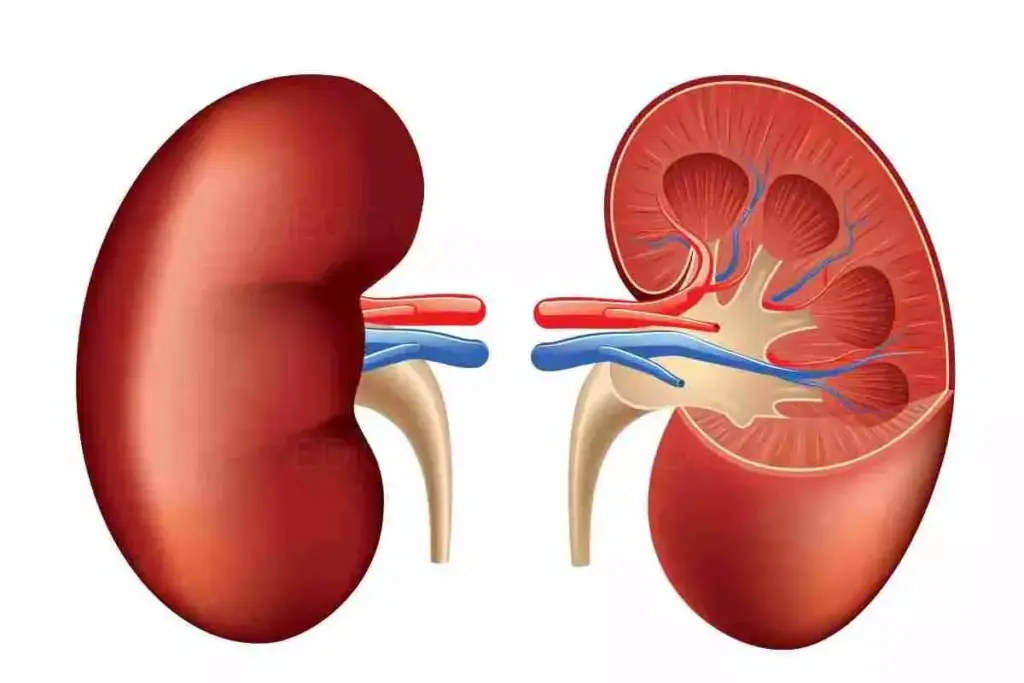
The urinary system is a complex process that filters waste and excess fluids from the blood. Understanding its anatomy is key to seeing how the body stays healthy. The kidneys filter about 150 liters of blood daily, making 1 to 2 quarts of urine.
The urinary system has seven important parts that work together. These are the kidneys, ureters, bladder, urethra, renal pelvis, nephrons, and glomeruli. We will dive into each part, explaining their roles and why they’re vital for urinary health.
Key Takeaways
- The urinary system is vital for filtering waste and excess fluids from the blood.
- The kidneys filter about 150 liters of blood daily.
- The system has seven key parts: kidneys, ureters, bladder, urethra, renal pelvis, nephrons, and glomeruli.
- Knowing the urinary system’s anatomy is essential for understanding its role in health.
- The teamwork of its parts ensures proper filtration and urine production.
The Urinary System: Structure and Purpose

The urinary system is key to our health, doing many important jobs. It’s made up of several organs that work together. Understanding the urinary system anatomy is complex but vital.
The urinary system does more than just get rid of waste. It helps control our body’s functions. For example, the kidneys filter waste and help control blood pressure and electrolyte levels. They also make hormones that help make red blood cells.
Functions Beyond Waste Elimination
The kidneys do a lot more than just filter waste. They help keep our body balanced by removing nitrogenous wastes and controlling electrolytes and acid levels. They also help control blood pressure and make hormones.
The urinary system is also important for keeping electrolyte balance right. Electrolytes like sodium and potassium are important for our nerves and muscles. The kidneys help keep these levels balanced by adding or removing them.
The Complete Filtration System
The urinary tract is composed of the kidneys, renal pelvis, ureters, urinary bladder, and urethra. Each part has a special job. The kidneys filter blood to make urine, which then goes to the bladder for storage.
Knowing the anatomy urinary tract helps us understand how it works. A simple urinary system diagram shows how these parts work together. They help remove waste and excess fluids from our body.
The urinary bladder and urethra are also key parts. The urinary bladder urethra pathway is important for storing and getting rid of urine. The bladder holds urine until it’s full, then it’s released through the urethra.
Understanding Kidney Diagram and Function

The kidneys are complex organs that filter blood and make urine. They are key to our health, doing many important jobs.
Kidney Structure and Location
The kidneys are bean-shaped organs in the lower back. They sit on each side of the spine. A layer of fat and the rib cage protect them.
The kidneys have two main parts: the cortex and medulla. These parts have nephrons, which are the kidney’s working units.
Nephrons: The Microscopic Filtering Units
Each kidney has about 1 million nephrons. These are the tiny filters. A nephron has a glomerulus and a renal tubule.
Nephrons filter waste and extra fluids from the blood. They also help control electrolytes and keep acid-base balance.
- Filtering waste and excess fluids from the blood
- Regulating electrolyte levels
- Maintaining acid-base balance
Glomeruli: Where Filtration Begins
The glomeruli start the filtration process. They filter blood to make urine. The glomerular filtration rate (GFR) shows how well the kidneys work.
“The glomeruli are tufts of capillaries that are rich in blood supply, allowing for the efficient filtration of blood.”
The Urinary Pathway Components
The journey of urine from the kidneys to the outside of the body involves several key structures. We will examine the components of the urinary pathway, including the renal pelvis, ureters, urinary bladder, and urethra. This will help us understand how they work together to eliminate waste.
Renal Pelvis: The Collection System
The renal pelvis is a key part of the urinary system. It acts as the collection system, gathering urine from the calyces within the kidney. It collects filtered urine before it flows into the ureters. The renal pelvis is a funnel-shaped structure that plays a vital role in channeling urine towards the ureters.
Ureters: Transport Tubes to the Bladder
The ureters are narrow, muscular tubes that transport urine from the kidneys to the bladder. Urine is propelled through the ureters at a rate of small amounts every 10 to 15 seconds. This process is facilitated by peristalsis, a wave-like muscle contraction that ensures the continuous flow of urine towards the bladder.
Urinary Bladder: Storage and Capacity
The urinary bladder is a hollow, muscular organ that stores urine until it is expelled from the body. The bladder has a capacity that can vary, but it typically holds around 400-600 milliliters of urine. The bladder’s muscular walls contract during urination to facilitate the expulsion of urine.
Urethra: The Final Exit Pathway
The urethra is the final pathway through which urine exits the body. In males, the urethra is longer and passes through the prostate gland and penis. In females, the urethra is shorter and opens just above the vaginal opening. The urethra plays a critical role in the elimination of urine from the body.
Understanding the anatomy and function of these components is essential for appreciating the complex process of urine formation and elimination. The coordinated effort of the renal pelvis, ureters, urinary bladder, and urethra ensures the proper functioning of the urinary system.
Conclusion: Maintaining a Healthy Urinary System
Knowing the parts of the urinary tract system is key to staying healthy. The kidneys play a big role in filtering out waste and extra fluids. It’s important to understand how they work and where they fit in the body.
The urinary system is complex, involving the kidneys, ureters, bladder, and urethra. Drinking enough water, eating right, and living a healthy lifestyle can help avoid problems. For more details, check out guide on the urinary.
Being aware of the urinary system’s parts and their roles helps us take care of our health. We should watch for changes in how we pee, drink plenty of water, and manage conditions like high blood pressure and diabetes. These can affect our kidneys.
FAQ
What is the urinary tract composed of?
The urinary tract includes the kidneys, renal pelvis, ureters, bladder, and urethra. These parts work together to remove waste and extra fluids from the blood.
What is the function of the kidneys in the urinary system?
The kidneys filter about 150 liters of blood every day. They make 1 to 2 quarts of urine. They also help control blood pressure, balance electrolytes, and make hormones for red blood cells.
What are nephrons, and what is their role in the kidneys?
Nephrons are tiny filters in the kidneys. Each kidney has about 1 million nephrons. They remove waste and extra fluids from the blood.
What is the pathway of urine through the urinary system?
Urine starts in the kidneys, then goes to the renal pelvis. It moves through the ureters to the bladder. There, it waits to be released through the urethra.
What is the role of the glomeruli in the kidneys?
The glomeruli are where blood first gets filtered. They help make urine.
How can I maintain a healthy urinary system?
To keep your urinary system healthy, drink plenty of water, eat well, and live a healthy lifestyle. This helps prevent diseases and keeps you feeling good.
What is the difference between the ureters and the urethra?
The ureters carry urine from the kidneys to the bladder. The urethra is the last part that lets urine out of the body.
What is the function of the urinary bladder?
The bladder holds urine until it’s time to let it out through the urethra.
References
National Center for Biotechnology Information. Evidence-Based Medical Guidance. Retrieved from https://www.ncbi.nlm.nih.gov/books/NBK482385/



 Departments
 Related Videos
 Our Doctors
 News
News